
① IFC Information Exchange Standard
The Industry Foundation Class (IFC) data model standard, established in 1995 by the International Alliance for Interoperability (IAI) in London, UK, serves as the foundational support system for BIM technology. The IFC standard features an open and structured format for information exchange, integrating all participants and their software platforms throughout the entire building lifecycle.
② IDM Model Information Delivery Standard
The Information Delivery Manual (IDM) standard defines the project information to be delivered at each stage of the project lifecycle. It also sets detailed guidelines on the information that each stakeholder and technical professional must disclose. Importantly, IDM establishes a comprehensive set of building object engineering modules, clarifying participant roles, processes, and permissions during information exchange. The diagram below illustrates the relationship and distinctions between IFC and IDM. While IFC covers all information related to a building’s entire lifecycle and standardizes data exchange formats, IDM standardizes the information required and provided at each stage of the workflow, ensuring the IFC model’s usability. Specifically, IDM defines lifecycle stage information, involved parties, required and provided data, and how various professional software filters building information.
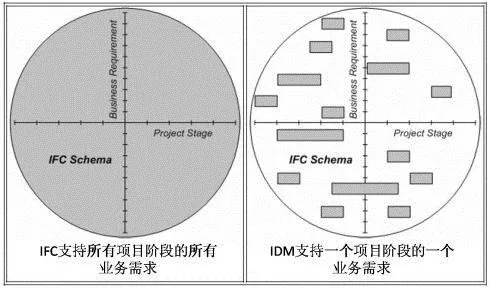
Figure 1: IFC and IDM Business Requirements
③ IFD International Dictionary Framework Standard
While IDM defines which information needs to be exchanged at different building lifecycle stages, ensuring consistency between exchanged and required information remains a key challenge in IFC applications. The IFC standard includes extensive data on building components, types, forms, and materials. However, variations in naming conventions across regions, countries, and institutions complicate uniform definitions. To address this, the International Framework for Dictionaries (IFD) was developed as a standardized dictionary for naming building components.
The IFD standard overcomes difficulties caused by global language and cultural differences by assigning each concept a unique identifier code. When identification is challenging due to cultural differences, users can refer to the Global Unique Identifier (UUID) associated with each concept. This approach provides a reliable channel for all users, ensuring consistent and effective information exchange across multiple platforms.
















Must log in before commenting!
Sign Up