
Currently, the use of BIM technology during the construction phase primarily depends on specialized BIM teams. These teams collaborate by sharing data and coordinating management through modeling, data importing, and other methods. The main applications of BIM in this phase include the following:
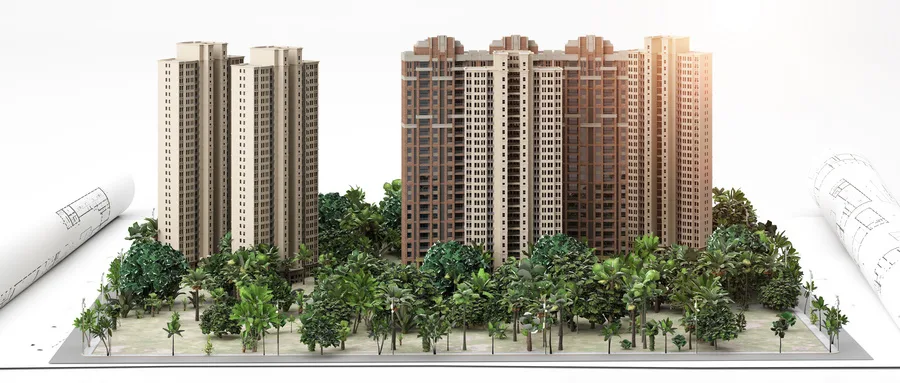
1. BIM-Based Calculations
Using BIM, a 3D model of the project is created to identify various components. This allows for automatic quantity takeoffs, calculating sizes, volumes, and other properties based on the components’ attributes. The BIM model is not only visually detailed but also automatically displays information such as component dimensions and material ratios. Additionally, any design changes made in one area are instantly reflected across related sections and updated in accompanying tables.
2. BIM-Based 3D Clash Detection
Before construction begins, BIM facilitates collision detection among process equipment, pipelines, and civil engineering works. It enables simulation of the entire construction process or critical phases, aiming to optimize engineering designs and minimize errors. This early detection of design conflicts enhances the overall quality and standards of the building, while allowing for better construction planning and resource allocation.
3. BIM-Based Engineering Deepening Design
BIM technology supports virtual construction of building projects, providing timely insights into the building’s appearance and environment during simulation. It allows for scientific and logical analysis of the design, including collision detection, to identify and resolve issues promptly. This process improves construction efficiency by integrating and optimizing construction plans, eliminating risks and errors, and enabling thorough evaluation of the plan’s feasibility and scientific basis for better schedule management.
4. BIM-Based Project Construction Management
Effective use of construction simulation technology during the building process is crucial. Differences between design and reality—such as construction techniques, personnel and equipment availability, material quality, and environmental conditions—all impact the project. BIM enables virtual construction simulations covering site layout, material delivery, construction sequences, and potential hazards. By considering facility status, workforce arrangements, financial operations, and subcontracting, BIM supports proactive management and coordination. This allows for efficient labor deployment, material logistics, and machinery scheduling, reducing construction risks and enhancing project quality.
















Must log in before commenting!
Sign Up