
Integrating BIM (Building Information Modeling) technology with computer technology significantly enhances the modeling and design process of construction projects during the design phase. Utilizing 3D modeling technology allows for the creation of detailed models that enable the “one modification, everywhere update” effect, ensuring that any changes made to the model are reflected across all project aspects instantly.
Moreover, BIM technology offers even greater convenience and clarity during the construction phase. It enables visualization of the construction process before work begins and leverages visualization technology to detect design errors and assist construction teams. By adjusting viewpoints, lighting, and materials, BIM facilitates communication and evaluation of various solutions with clients, thereby reducing the need for costly rework later on. These capabilities help minimize construction mistakes, lower risks, improve quality, and save costs.
Creating 3D visualization models marks the initial application of BIM technology in construction and has become widely adopted across the industry.
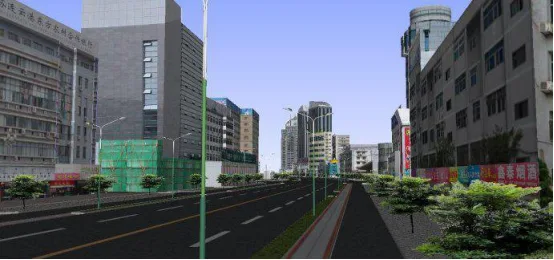
Figure 1: Three-dimensional visualization of project construction
Developing 3D visualization models plays a crucial role in identifying design issues early on. Traditional two-dimensional designs often contain errors that are difficult to detect by designers and construction workers since 2D drawings can only represent architectural graphics in a limited way. By adopting computer-aided 3D modeling, these errors can be intuitively visualized and significantly reduced. During construction, visualization tools help personnel review design drawings more effectively to prevent mistakes.
The virtual construction process is facilitated by these 3D visualization models. Prior to breaking ground, a comprehensive three-dimensional virtual scene of the building is created, as illustrated in the figure above. This scene integrates the building’s structure and equipment on a single platform, enabling verification of the project’s feasibility.
Using the BIM model, the functions and environment of the building can be simulated, construction data can be input, and the actual site conditions can be analyzed. Animations generated on the BIM platform realistically depict how the completed project will blend into its surroundings. This immersive experience allows project stakeholders to understand the construction process thoroughly and optimize planning accordingly.
With this approach, teams gain a holistic view of the construction site prior to starting work, granting ample time to refine schedules and plans. During construction, process simulations and on-site assistance help dynamically track progress, compare planned and actual timelines, and monitor quality, safety, and overall site conditions in real time.
















Must log in before commenting!
Sign Up