
The application of BIM technology represents the digitization of engineering project data. Risk management using BIM primarily focuses on preventing and controlling risks across the technical, economic, and organizational aspects of engineering projects. At the core of this risk management approach is the building information model itself. Once the project owner defines the risk management objectives, these goals are further refined during each project phase to realize a “building information model+” operational approach.
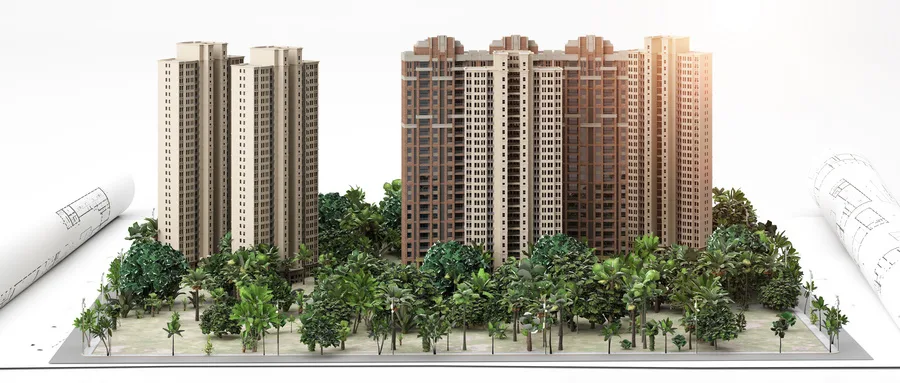
(1) Investment Decision-Making Stage: During this phase, investors prepare a project proposal, which, upon approval, leads to a feasibility study report. BIM-based risk management at this stage relies on extracting information from the BIM database. Beyond providing an overview of the project, it analyzes economic, legal, social, and other factors to determine the most suitable investment and construction plans.
(2) Design Phase: The primary risk here arises from insufficient coordination among professionals. Leveraging BIM technology, risk management involves creating virtual, intuitive representations of design schemes within the building information model. This enables collision detection between different disciplines, allowing for real-time design modifications and optimizations. For green and energy-efficient designs, BIM enables parameterization and simulation of solutions to achieve optimal sustainability goals.
(3) Construction Phase: In this stage, implemented under the “Building Information Model+” risk management mode, real-time on-site construction data is integrated. This allows simulation of the planned construction progress, provides timely updates on actual progress and resource allocation, and identifies safety vulnerabilities. Consequently, management can adjust construction plans and schedules promptly and effectively.
(4) Operation and Maintenance Phase: After project completion and settlement, the focus shifts to actual operation. Key concerns include maintaining structural stability, enhancing energy efficiency, ensuring safe operation of electromechanical systems, and preventing safety and fire hazards. BIM-based risk management at this stage integrates energy, fire, security, and other relevant data around the building information model to monitor, inspect, maintain, and alert stakeholders. It also supports emergency responses for special events.
















Must log in before commenting!
Sign Up