
Building Information Modeling (BIM) stands for Building Information Modeling. The concept was first introduced in 1975 by Dr. Chuck Eastman, known as the “father of BIM,” at the Georgia Institute of Technology in the United States. BIM integrates all geometric shapes, functions, and performance data of building components throughout the entire lifecycle of a construction project. It also incorporates process information, such as construction progress and scheduling.
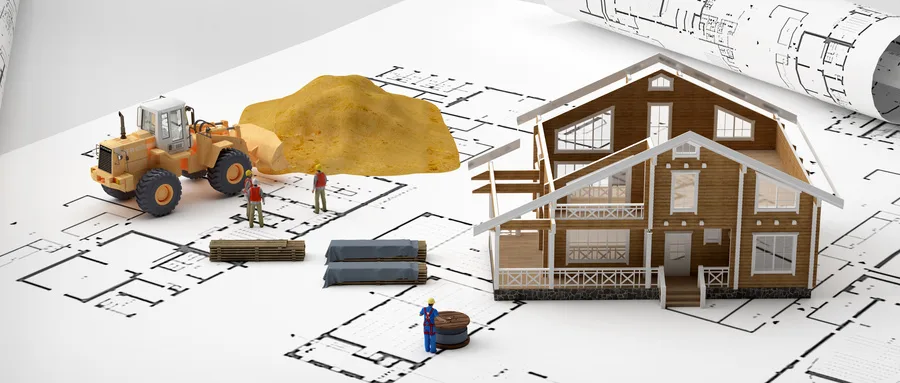
As BIM technology and the construction industry have evolved, many organizations, experts, and scholars have developed various definitions and interpretations of BIM. The American National Standard NBIMS provides a comprehensive definition: “BIM is a digital representation of the physical and functional characteristics of a facility (construction project). As a shared knowledge resource related to facility information, this data serves as a reliable foundation for decision-making throughout the facility’s entire lifecycle, starting from conceptual design.” A key principle of BIM is the collaboration among different stakeholders at various stages of the facility lifecycle. This enables the insertion, extraction, updating, or modification of information that supports and reflects their respective responsibilities during the BIM modeling process. BIM is essentially a shared digital model built on standardized collaborative workflows.
In the current stage, BIM technology is applied through cloud-based platforms. Engineering models, drawing data, business information, financial details, material specifications, and construction data are uploaded to the Xiezhu Cloud platform, where they are classified and managed. Access permissions for viewing information are set to enable secure sharing of construction data via the Guanglianda Xiezhu Cloud platform. Authorized project participants can access the relevant files anytime through mobile devices or web browsers. The BIM cloud environment also safeguards data security and prevents data loss.
Within the BIM cloud space, all work quantities—including any changes—are recorded and can be retrieved for final settlement. During the completion settlement audit process, the construction unit can access engineering quantity statistics and perform comparisons. This allows for an intuitive side-by-side view of differences, making the settlement process evidence-based and reducing disputes between parties.
Engineering cost management leveraging BIM technology is highly timely and efficient. Throughout the earlier phases, the BIM model accumulates rich data and information that is open and transparent, minimizing conflicts between construction units during settlement. Furthermore, BIM technology facilitates comparative analysis of various completion settlement data, significantly enhancing both the efficiency and quality of the settlement process.
















Must log in before commenting!
Sign Up