
The operation of a construction project involves transforming input information into output results. Using a typical project workflow in China’s construction industry as an example, the process—from preliminary research, surveying, and exploration to design, construction, and final acceptance—relies on various information carriers. These include paper drawings or photos, 2D CAD drawings, 3D models in SketchUp or other formats, and electronic images. Information is usually transmitted with each discipline independently inputting and outputting data, then sharing results with other participants via emails or physical drawings. Each discipline delivers its own models and drawings separately as required.
For instance, when designing and producing a column, the owner first provides a design task book to the designer. The designer uses 3D modeling software to define the column’s appearance, size, materials, and other details based on the task book, relevant standards, and personal input. Simultaneously, 2D CAD software is used to specify the precise position, dimensions, and material details of the column. Once the design is finalized, the designer submits 2D drawings—typically in DWG format—to the structural engineer. The structural engineer determines the steel reinforcement ratio and detailed structural elements of the column based on this information and owner requirements, creating construction drawings with 2D software, which are then handed over to the owner or construction team.
The owner and construction team then select materials and build the column based on the structural engineer’s drawings. Throughout this process, there is no direct integration between information carriers, causing information to be processed multiple times and transmitted in a one-way manner. This workflow inevitably leads to omissions and errors, significantly reducing project efficiency. Moreover, if any stage encounters issues, all subsequent work must be redone, resulting in a serious waste of personnel resources.
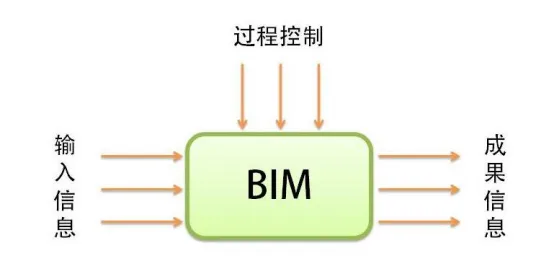
Figure 1: Basic Workflow of BIM
BIM (Building Information Modeling) aims to unify these various information carriers into a single building information model, which serves as the foundation for all project operations. Figure 1 illustrates a basic workflow unit where the BIM model acts as a data hub. Based on the desired output, the required input information is determined and processed accordingly to achieve the target result. Key components include a data integration center, expected output, operational control of the data center, and required input information.
For example, if the goal is to create a 3D model of a structural column, the operator inputs details such as length, width, height, and material through an operating platform. The platform then performs operations like stretching and mapping to generate or export the 3D model of the column. This process is referred to as a basic workflow.
During the lifecycle of a construction project, multiple such workflows integrate various inputs, process controls, and outputs to produce the necessary building information, as shown in Figure 2.
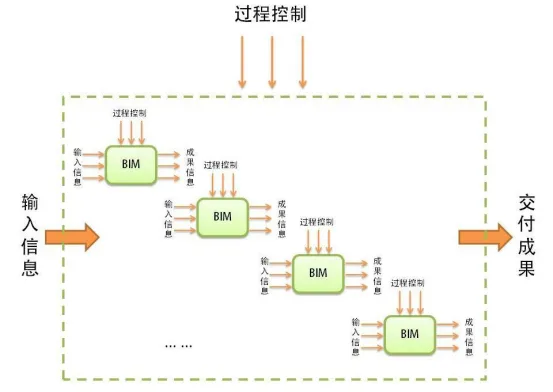
Figure 2: Overall Workflow of BIM Implementation in Construction Projects
Consider a project where the final output is constructing a structural column, involving stages such as research, design, construction, and maintenance. Multiple roles participate, including the owner, designer, construction workers, maintenance staff, and managers. The entire project workflow is divided into several smaller workflows, each with clearly defined expected outcomes.
For example, during the design phase, the designer provides a model containing information on the column’s appearance, size, position, and materials. The structural engineer supplies a structural model detailing steel reinforcement ratios and construction specifics. These outputs then become input information for the next phase.
Construction teams can export construction drawings and material specifications directly from the comprehensive BIM model as needed. By defining clear requirements for each stage and discipline, participants use the operating platform to input data, manipulate models, and deliver their results, thereby advancing the overall project.
All necessary project information is integrated into the BIM model, which facilitates controlled input, output, and operations throughout the project lifecycle. BIM essentially configures the key tasks early on, ensuring construction quality and efficiency in later stages and across the entire lifecycle through strict workflow management.
Therefore, the successful implementation of BIM depends on the smooth execution of each basic workflow and effective coordination between all workflows. Factors influencing these workflows include data compatibility, file formats, operating platforms, and personnel skills, all of which require clear BIM standards and guidelines.
Xin Ying (South China University of Technology)
For learning and communication purposes only. Copyright belongs to the original author. If any infringement occurs, please contact us for removal.
















Must log in before commenting!
Sign Up