
Augmented Reality (AR) is an innovative computer simulation technology that builds upon virtual reality. It uses computer technology and specialized software to overlay virtual simulation information onto the real world. In a shared visual space, real environments and virtual objects are combined in real time to enhance the user’s perception of reality. This is why AR is also referred to as mixed reality.
Users typically employ head-mounted displays or handheld positioning devices to merge real-world views with computer-generated graphics, allowing them to see a blended real and virtual environment from multiple perspectives. Positioned on the spectrum between fully immersive virtual reality and the physical world, augmented reality leans closer to reality itself. It enriches the natural world by adding images, sounds, touch sensations, and even smells.
This technology benefits everyone involved in construction projects, from decision-makers to on-site workers, by enabling them to visualize computer-generated images of the project within their real environment. This helps in understanding the project’s design and planning more effectively. The three essential components for an augmented reality system to work properly are:
- Head-mounted or handheld display
- Automatic tracking system
- Mobile computing capability
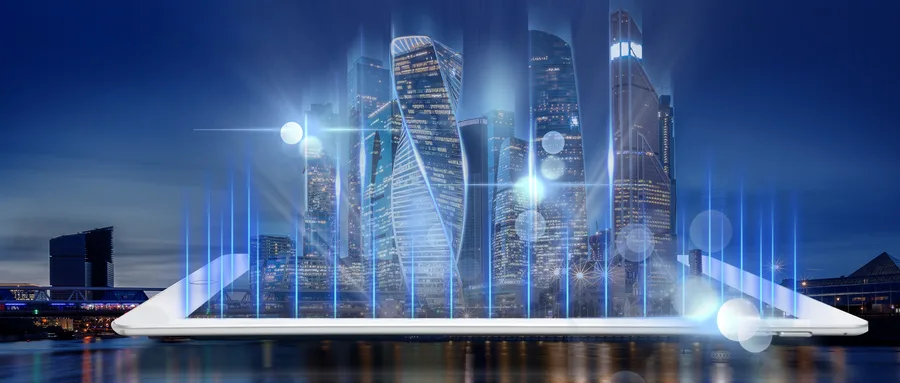
Augmented reality, which is based on virtual reality, can be integrated with Building Information Modeling (BIM) technology on the same computing platform. This integration elevates the application of BIM in construction project scheduling and management. By leveraging computer graphics and visualization technologies, it produces virtual objects that do not physically exist on-site.
The process begins by creating a detailed building information model and integrating the project schedule within it, enabling four-dimensional simulation of construction progress. Using precise sensing technologies, these virtual construction elements can be accurately positioned within the real-world environment. Specialized software then merges the virtual model with the surrounding real construction site, presenting the completed visual environment to users through monitors.
Displays resembling glasses or mobile devices allow various stakeholders to view computer-generated data alongside real images captured by fixed cameras on-site. Meanwhile, individual head-mounted displays (HMDs) enable users to directly perceive on-site visuals and readable information from the AR system. During construction, workers can associate markers with specific building components, enabling the AR system to overlay images directly onto structures. This is a straightforward example of BIM-based augmented reality in construction, as the system only needs to know the relative position of the worker to the object they are viewing, without requiring exact tracking of the worker’s physical location.
Thanks to its ability to generate virtual construction objects that don’t yet exist in reality, BIM-based AR systems can visualize planned construction elements based on pre-built models and schedules. This allows for real-time comparison between actual progress and planned timelines during on-site construction, facilitating immediate inspection and progress tracking. The advantages include seamless integration of virtual and real elements, interactive real-time feedback, and 3D visualization. AR can also simulate construction activities and visualize hidden work, improving accuracy and planning.
Moreover, augmented reality enhances the design and planning phases by overlaying proposed project plans onto real scenes, allowing stakeholders to directly observe and evaluate design effects within the actual environment.
















Must log in before commenting!
Sign Up