
Using BIM for detailed design significantly enhances efficiency and ensures the quality of design outputs. Detailed design tasks can begin early, as soon as the model’s level of detail and related information meet the necessary requirements. This approach avoids the limitations of traditional linear design processes.
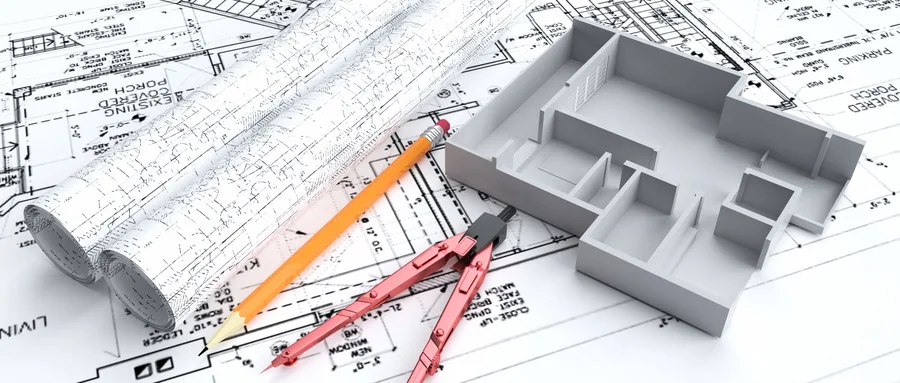
The construction team prepares a detailed design plan and implementation details, which are then submitted to the owner and design team for review. The design team incorporates relevant information into the BIM model and utilizes specialized BIM software, such as Tekla, to carry out professional detailed design.
Following this, a detailed design review is conducted with the construction team. Once the construction team approves the results, the design model and related drawings are exported and submitted to both the design and construction teams for further review. The finalized detailed design model generates 3D graphic files and 2D construction drawings, which serve as guides during construction. Additionally, leveraging BIM’s visualization capabilities, the detailed model can be directly compared with the preliminary model, ensuring the accuracy of the design refinements.
Steel structure detailed design refers to creating comprehensive drawings after the completion of structural construction drawings. Using Tekla software, designers take advantage of BIM’s visualization and information management features to streamline and accelerate the deepening design process.
By adjusting the depth of views along the baseline, it becomes easy and efficient to display views by axis and elevation for layout planning. The rotation and automatic rotation tools allow viewing any part of the model from multiple directions and angles.
Within the model, different components can be assigned distinct levels and color schemes. Components with the same name or function share the same level and color. Depending on inspection or drawing needs, selected components can be isolated, hidden, or made semi-transparent.
Tekla Structures integrates 2D drawings with 3D models to simulate each stage of the project and convert the required framework into detailed drawings. Fabrication plants produce components based on these detailed drawings, and construction proceeds accordingly. This approach helps resolve many early-stage issues within the model, saving considerable time during later construction phases and minimizing disruptions to overall project scheduling and coordination.
















Must log in before commenting!
Sign Up