
Charles M. Eastman, widely regarded as the father of Building Information Modeling (BIM), once characterized the current business model of AEC (Architecture, Engineering, and Construction) enterprises as fragmented and heavily dependent on paper-based communication. Errors and omissions in paper documents frequently lead to unexpected on-site costs, project delays, and disputes among team members, resulting in conflicts, financial burdens, and setbacks.
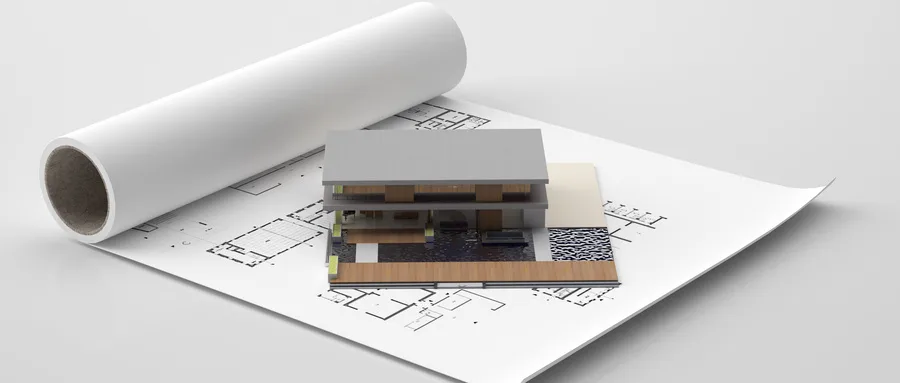
The engineering survey and design industry has traditionally experienced lower productivity compared to manufacturing and processing sectors. Several key factors contribute to this issue:
1. The involvement of numerous stakeholders often leads to misinterpretation and poor management of design information, negatively impacting project quality and schedule.
2. Conventional project documents cover only 50% to 70% of the actual work scope, resulting in incomplete information.
3. The materials provided are not intuitive, making it difficult for users to interpret text and two-dimensional data; moreover, computers cannot process data from traditional project files.
4. (Note: The original text skipped number 4.)
5. Existing workflows lack support for quality management and advanced information management strategies.
Although architectural design has progressed toward informatization, there remains a deficiency in fast, effective information-sharing technologies and collaborative design platforms. As a result, design and planning documents for construction projects often fall short of being complete and comprehensive. Furthermore, the sequential nature of architectural information dissemination throughout design, construction, and maintenance phases compromises the quality of information transfer. This leads to issues such as incomplete designs and frequent revisions, ultimately undermining the overall quality of building projects.
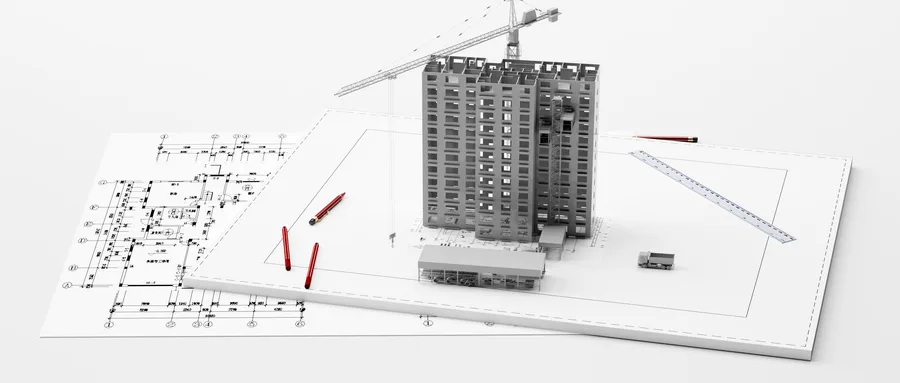
In response, China has introduced Building Information Modeling (BIM) technology to address these challenges. Although there is no universally accepted definition of BIM, it is generally understood as a three-dimensional building model built using relevant project information, closely linked to the entire lifecycle of a construction project. BIM employs digital models to facilitate the design, management, and construction processes, effectively digitizing the lifespan of building projects. It supports intelligent, digital, and information-driven approaches, creating a platform for seamless information sharing and exchange. This technology positively influences both technological advancement and productivity within the construction industry.
Practically, BIM has been implemented in numerous major projects across China, including the Beijing Olympic Village information management system (2008), Tianjin Port International Cruise Home Port (2010), South-to-North Water Diversion Project (2012), Hong Kong Metro’s Shazhong Line (2012), and ongoing projects such as China Zun in Beijing’s Chaoyang District CBD core area (since 2014). Other large projects like the Shanghai Center (2016) and Shanghai Disney Center have also integrated BIM throughout their entire life cycles. Many projects now incorporate BIM requirements into bidding contracts, enabling smoother architectural design workflows centered on BIM technology.
Currently, the construction industry in China is actively promoting BIM adoption. However, many perceive BIM promotion as merely encouraging the use of BIM software. In reality, BIM is not just software; it represents a comprehensive advance in construction industry informatization. BIM facilitates the sharing and communication of building-related information throughout the entire project lifecycle, enabling collaboration among all stakeholders. Understanding how to apply BIM effectively in construction project design information management, maximizing its value, and ensuring design quality is a critical focus of this discussion.
















Must log in before commenting!
Sign Up