
During construction projects, design changes frequently occur due to issues such as poor coordination among design disciplines, misalignment between design and construction teams, and lack of communication between owners and designers. These challenges negatively affect cost control. According to the 2010 Research Report on BIM Application in Chinese Commercial Real Estate, 77% of design firms reported economic losses caused by unclear design drawings, with 10% estimating these losses to exceed 10% of the total project construction investment. Meanwhile, 43% of construction companies faced error correction costs above one million yuan due to significant mistakes in bidding drawings. By adopting BIM (Building Information Modeling), project stakeholders can visually identify problems early and implement timely changes before construction begins, significantly reducing design changes, enhancing coordination, and improving cost management.
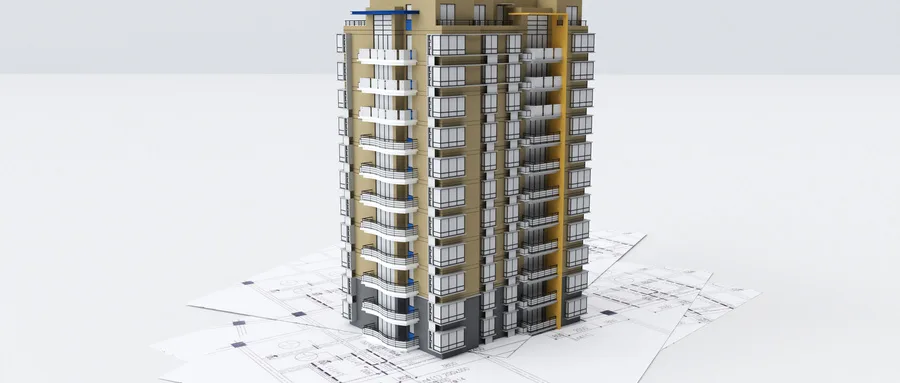
The key benefit of BIM technology in managing design changes is its ability to minimize these changes, thereby reducing the extension of project timelines and additional costs. Surveys indicate that BIM can eliminate up to 40% of budget overruns caused by design modifications. Thanks to its visualization capabilities, BIM enables designers to detect errors early through 3D modeling, allowing adjustments before finalizing construction drawings. These 3D models clearly illustrate the spatial arrangement of various disciplines, making conflicts immediately apparent and enhancing design accuracy through comprehensive 3D reviews. This process significantly lowers the likelihood of errors such as mistakes, clashes, omissions, and deficiencies, preventing frequent design revisions later on.
By integrating multiple disciplines onto a single platform, BIM facilitates the combination of architectural, structural, and MEP (mechanical, electrical, and plumbing) models. This unified 3D environment supports clash detection, enabling teams to identify, mark, and analyze design errors systematically. Early conflict resolution helps reduce design changes during construction, eliminates unnecessary budget increases, decreases rework, and supports effective project cost management.
Beyond construction phase drawing reviews, both contractors and design firms can leverage BIM technology to perform multiple reviews during the project’s schematic design, preliminary design, and detailed construction drawing stages.
















Must log in before commenting!
Sign Up