
Project Overview
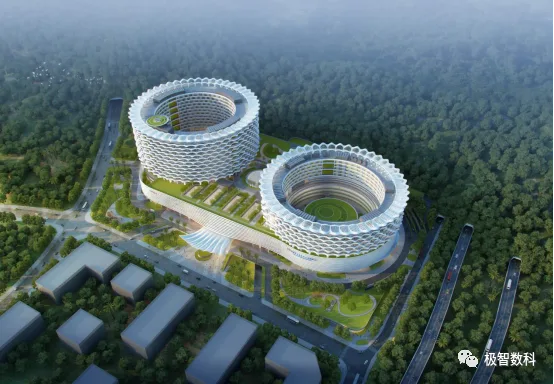
Dapeng New Area People’s Hospital serves as the first municipal tertiary comprehensive hospital in the Dapeng New Area, located within the Kwai Chung office of Shenzhen. It extends its services to the eastern part of Shenzhen and the Linshen region. The hospital specializes in rehabilitation medicine and offers comprehensive healthcare services that represent the highest standards in the area.
It accepts referrals from lower-level hospitals, supports talent development and certain scientific research initiatives, and undertakes public health and emergency medical rescue missions. Additionally, it provides leisure physical exams, rehabilitation, and health management services. Currently, the hospital is designed to accommodate 2,000 beds.
The project spans approximately 97,006.39 square meters, with a total construction area of 417,775 square meters. Of this, 120,800 square meters are underground and 296,975 square meters are above ground. The foundation pit reaches a depth of 11.8 meters, while the building rises to a total height of 79.75 meters, featuring 2 underground floors and 16 floors above ground.
Key Challenges and Difficulties in the Project
This project is one of the flagship developments in Shenzhen’s Dapeng New District, characterized by its large scale and ambitious management goals. The quality objective is to achieve the prestigious Luban Award, making the delivery of a high-quality project a top priority.
The main challenges include:
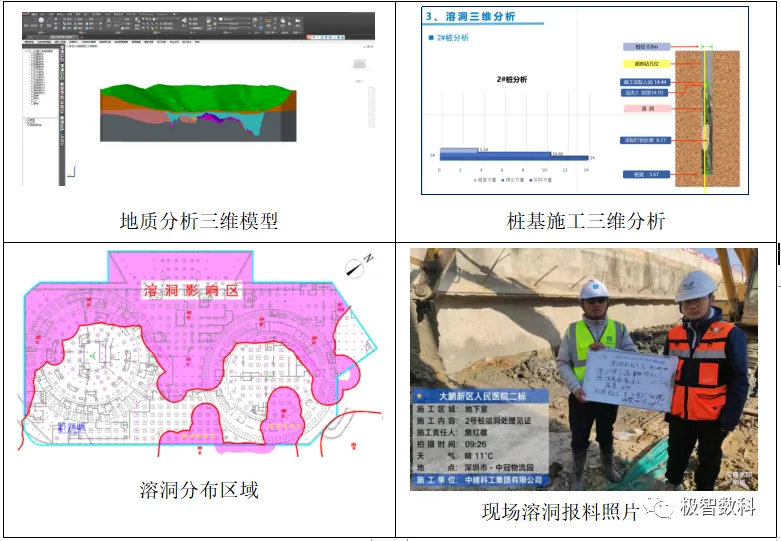
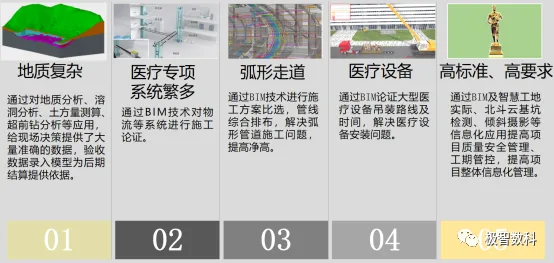
- Complex geological conditions with abundant karst caves, which significantly affect foundation stability and construction.
- Diverse and complex specialized medical systems, including medical cleaning, logistics transmission, waste and clothing recycling, and identification systems.
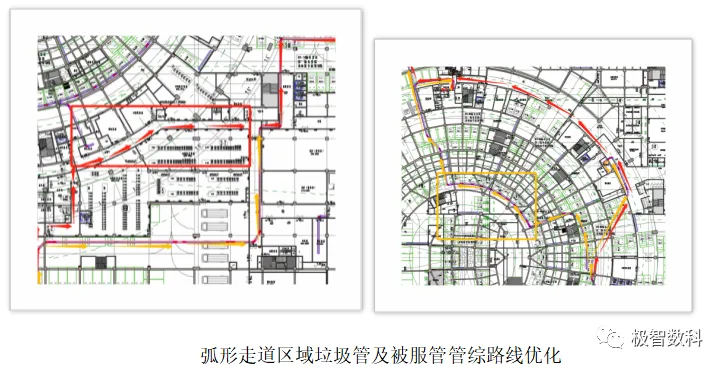
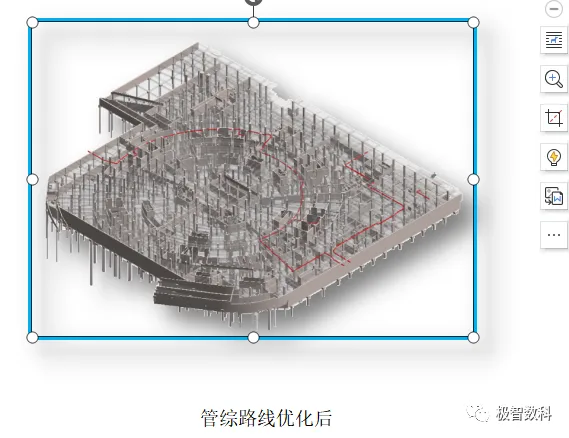
- Construction difficulties arising from curved walkways, as the main corridors inside the building are all circular.
- Numerous specialized subcontractors involved, overlapping operations, intricate process coordination, frequent design modifications during construction, and complex general contracting management.
To address these challenges, the new Dapeng People’s Hospital serves as a BIM model base for the Public Works Department’s high-end projects. The project aims to set a benchmark for BIM application within the department. The solution relies on using BIM technology to simulate complex node processes, meticulously manage quality and safety, and employ an information-driven construction platform for precise and comprehensive dynamic control.
BIM Technology Applications
1. Geological and Karst Cave Location Analysis Using BIM
Due to the variability of karst cave sizes and the generally thin roof thickness, constructing horizontal pile foundations over karst caves is challenging. BIM technology was used to model geological and pile foundation exploration data, providing clear and intuitive visualization of karst caves during cast-in-place pile construction. This enabled accurate elevation and location calculations for karst caves and enhanced on-site information management.
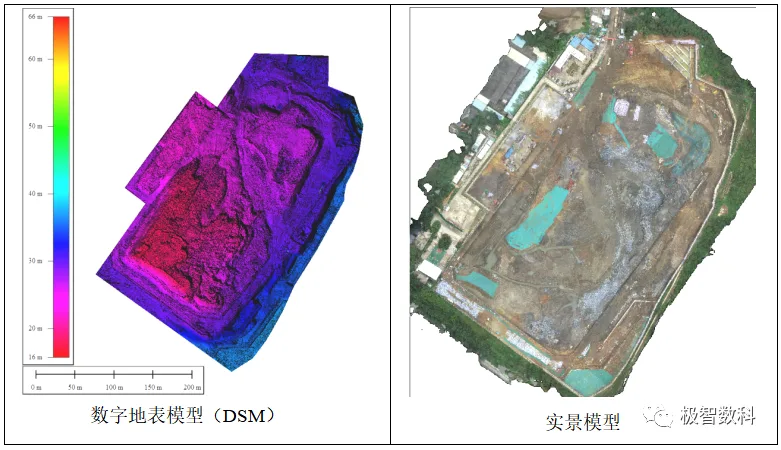
2. Earthwork Volume Measurement via Oblique Photography and BIM
Using oblique photography technology, the earthwork volume was calculated and compared with actual site data to assist in accurate volume estimation. The DSM model calculated a volume of 300,987.88 m³, while on-site measurements showed 309,699 m³. These calculations supported preliminary budgeting and informed precise resource allocation plans.
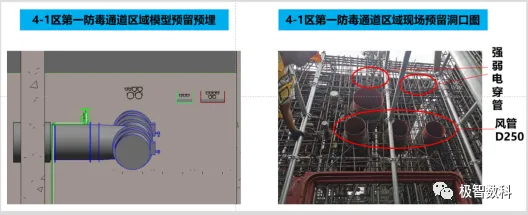
3. Structural Casing Reservation Using BIM
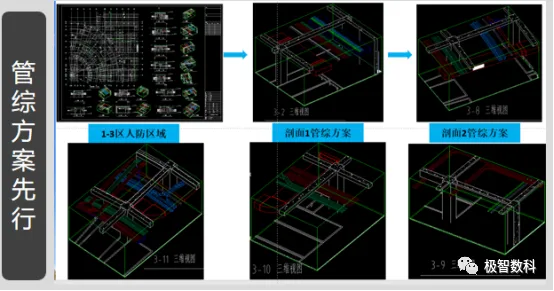
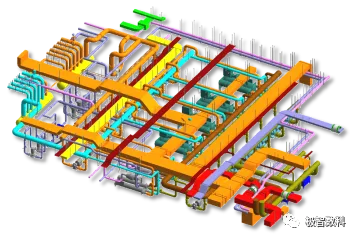
4. Comprehensive Pipeline Deepening with BIM
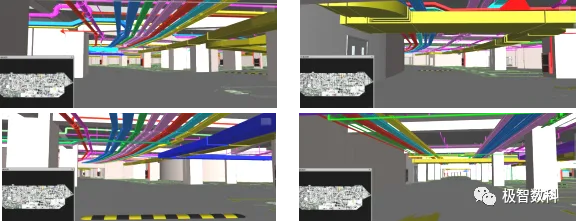
5. Management Net Height Analysis via BIM Walkthrough
BIM walkthrough technology was used to simulate a real basketball court and analyze the net height above it. This ensured that the net height met the requirements for high-end finishes and curtain wall clearance on both sides, preventing future obstructions related to net height.
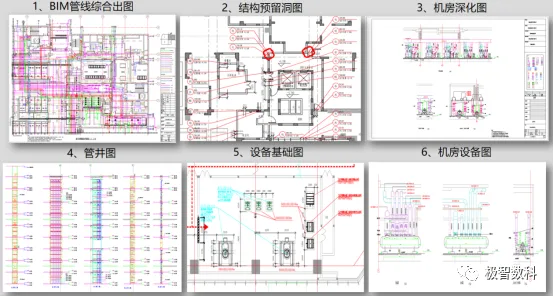
6. BIM-Based Comprehensive Deepening Drawings
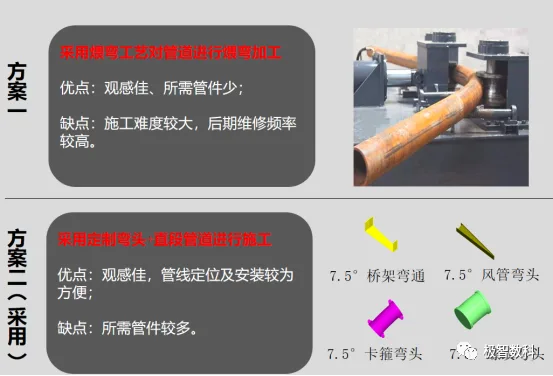
7. BIM-Based Comparison and Selection of Construction Plans for Curved Walkways
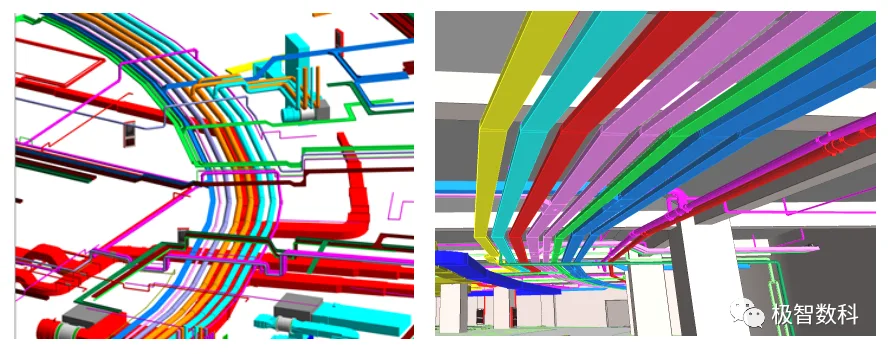
8. Deepening Construction of Medical Specialized Pipelines with BIM
BIM was used for medical specialized systems to rationalize construction processes, refine the spatial relationships between pipelines, and enhance corridor appearance and clearance heights.
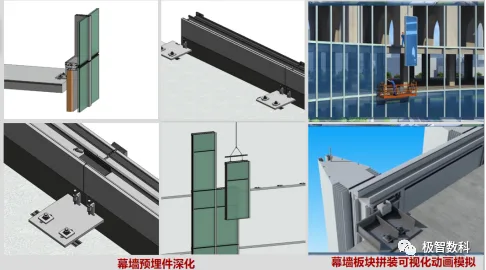
9. Curtain Wall Node Deepening Based on BIM
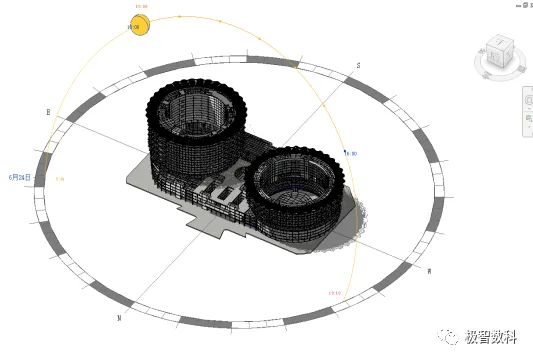
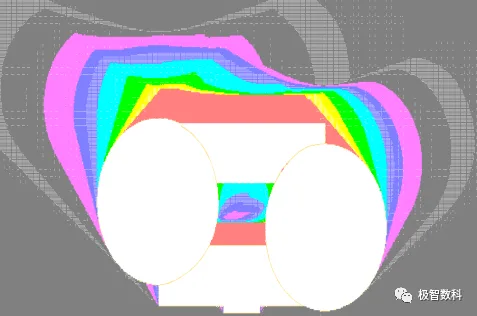
10. BIM-Based Traffic Route and Sunlight Analysis
Using Revit models, sunlight simulation was performed to evaluate shading effects from the exterior facade design. Sunshine analysis software was used to determine sunlight exposure duration for each area.
11. Prefabricated Computer Room Deepening Using BIM
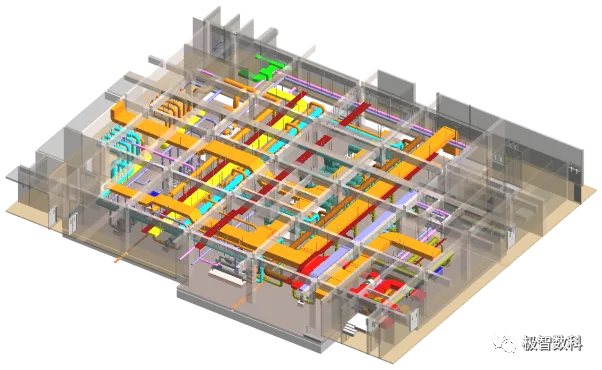
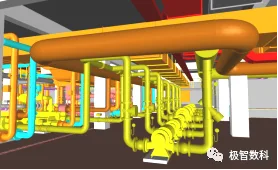
The entire project leverages BIM technology to drive the detailed design of equipment rooms, optimize pipeline layouts, organize drainage, and coordinate factory prefabrication with on-site assembly. The BIM model achieves millimeter-level precision. Factory prefabrication combined with on-site modular assembly allows parallel construction, significantly shortening schedules, eliminating hot work and pollution, promoting environmental sustainability, and reducing labor on site.
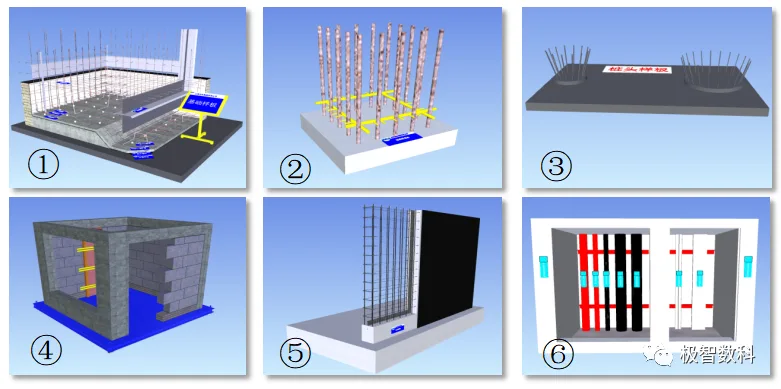
12. BIM-Based Quality Templates
Templates include:
- Basic template
- Column node template
- Pile head sample
- Masonry sample
- Exterior wall samples
- Pipe well sample
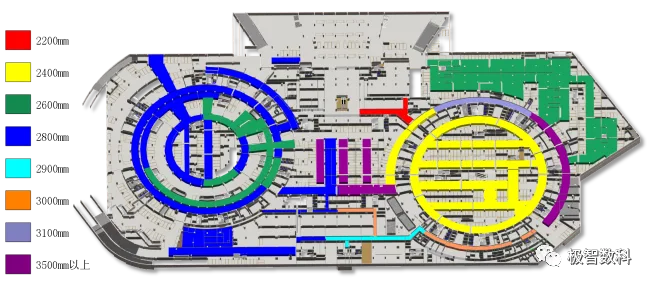
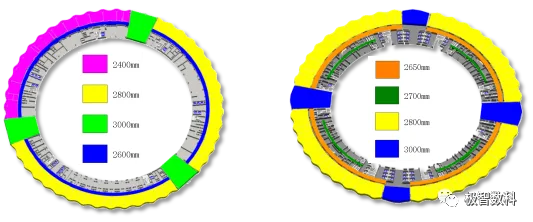
13. BIM-Based Net Height Analysis
14. 3D Visualization of Site Layout Using BIM
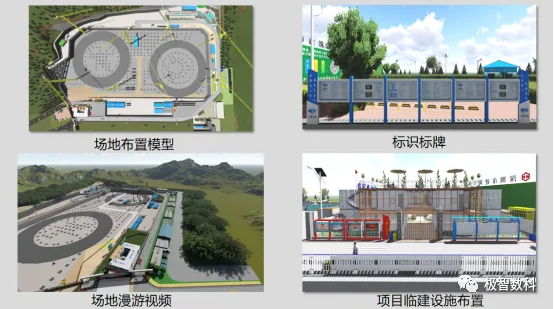
15. High Formwork BIM Application
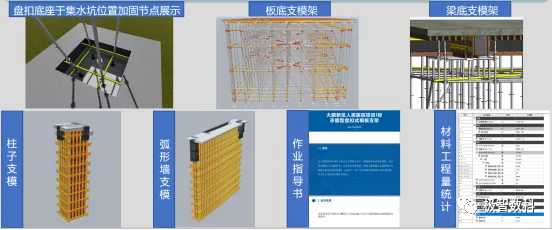
Using high formwork 3D template scaffold design software, the high formwork areas are automatically identified through calculation models, and formwork quantities for different zones are calculated. The design of curved walls and beams is particularly complex. Early in the process, design parameters are exported via calculation sheets and combined with 3D models to create detailed work instruction manuals for management and on-site teams.
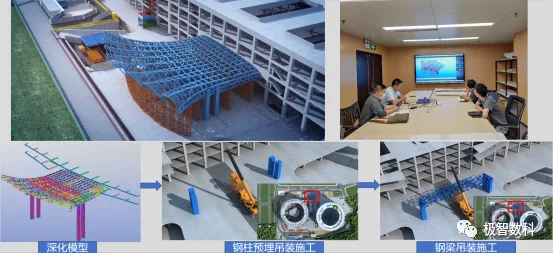
16. Steel Structure Canopy Construction Planning with BIM
Project Summary
END
















Must log in before commenting!
Sign Up