
Unexpected events during project execution can cause deviations from the original schedule. Efficiently and accurately obtaining on-site construction progress data, tracking it, and understanding the actual project implementation are essential prerequisites for effective progress control. Traditional schedule control processes have established mature systems to collect and monitor construction site progress information. The main data collection methods include:
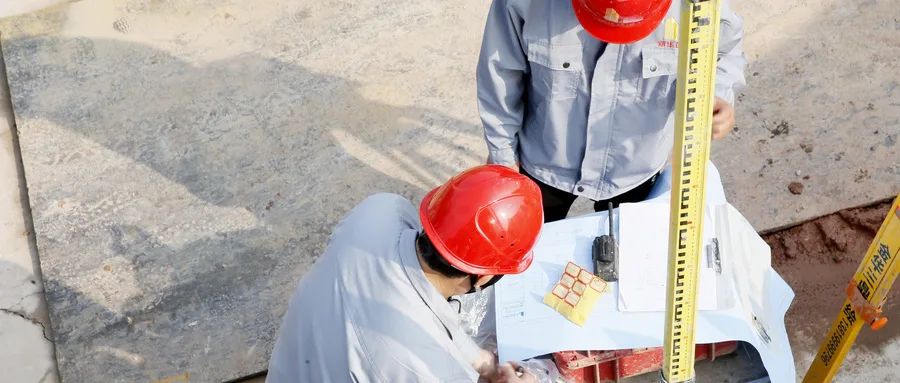
(1) Engineering project report feedback: Progress reports are prepared based on the characteristics of each process. Relevant management personnel manually observe and collect data on-site, recording progress information in these reports. After processing, data from each process is summarized daily, weekly, every ten days, monthly, and quarterly to reflect the actual project progress.
(2) Construction site inspections: Designated personnel conduct daily inspections of the construction site, checking and recording the project’s progress to support reporting efforts and ensure accurate information collection.
(3) Project schedule meetings: Weekly progress meetings are organized to review the current status of the schedule, facilitating coordination among various units and departments through discussions.
Despite these traditional methods, several challenges remain. They require significant human resources to monitor and record project status. Weekly reports and meetings involve time-consuming information organization, leading to delays in understanding the schedule’s execution. Manual data collection and processing increase the risk of errors. Additionally, progress information presented through reports is often not intuitive or detailed enough, which can cause misunderstandings during discussions. Overall, traditional progress tracking is still inefficient and tedious.
Progress tracking based on BIM technology significantly addresses these issues in the following ways:
(1) Information integration: The BIM4D construction management platform relies heavily on mobile devices like smartphones. On-site management personnel collect real-time progress data and provide immediate feedback through apps. This feedback updates the BIM4D construction model instantly, substantially improving the efficiency of information integration.
(2) Information presentation: The BIM4D platform visually represents on-site progress through animated BIM4D models. This intuitive and detailed presentation helps all stakeholders better understand the real-time construction status and enhances the accuracy of communicated information. Additionally, the BIM4D model allows for direct or indirect extraction of parameters needed for deviation analysis and helps control subsequent construction progress.
















Must log in before commenting!
Sign Up