
A comprehensive architectural design process requires the coordinated efforts and clear division of labor among multiple disciplines, each including digital designers. Given the large number of team members, complex design tasks, and overlapping workflows, the traditional structural design process often struggles to ensure timely and accurate information sharing within the structural team and between structural and other specialties. This frequently leads to design errors such as mistakes, omissions, clashes, and gaps between different professional components.
Moreover, the electronic files produced by various structural calculation and analysis software are often scattered across individual designers’ computers. This disorganized storage makes it time-consuming for designers to locate necessary files or data during communication and file exchange. Consequently, data transmission is slow, updates are delayed, and overall data utilization suffers, creating challenges for the design workflow.
Collaborative design based on BIM offers an effective solution to these issues. BIM’s two main strengths—data integration and data sharing—can easily address many of the problems described above. The BIM database platform enables real-time updates of structural design data, ensuring that every team member works with timely, accurate, and consistent information. This facilitates coordinated design efforts among all members.
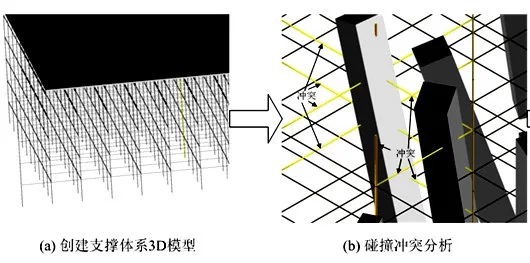
As mentioned earlier, 2D drawings lack direct links between disciplines, making it difficult for the structural team to coordinate effectively with other design fields. BIM technology’s collaborative capabilities help improve this situation significantly.
During the conceptual design phase, involving structural professionals early allows the structural lead to work closely with the architectural lead to jointly develop the initial design concepts and complete the modeling. This collaboration not only enhances communication and reduces clashes but also helps optimize the overall building design.
Because structural experts are engaged early, preliminary structural information can be incorporated into some BIM model components. This provides the BIM model with a basic structural framework and component details at the conceptual design stage, establishing a solid foundation for the subsequent preliminary and construction drawing phases, as illustrated in the figure above.
















Must log in before commenting!
Sign Up