
BIM (Building Information Modeling) technology is an innovative approach for managing the entire building process by integrating various relevant information throughout construction projects. It represents the application of information and digital technologies in construction engineering. The most notable feature of BIM is its ability to enable collaboration and simulation, which supports efficient and low-risk management of construction projects.
Currently, there is a strong national push toward advancing construction industrialization, with an emphasis on prefabricated and assembled buildings. However, the development of construction industrialization relies heavily on informatization. BIM technology serves as an integration platform for construction information, facilitating information sharing among all stakeholders. Applying BIM technology to prefabricated buildings carries significant benefits:
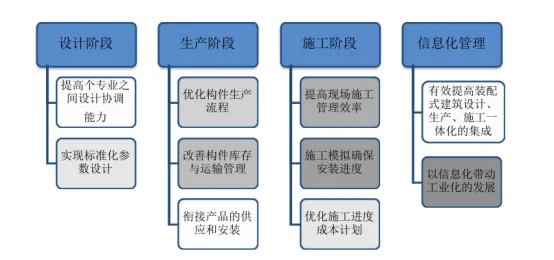
Figure 1 illustrates the significance of applying BIM at various stages of prefabricated building projects.
1. BIM is essential for the industrialization and advancement of the construction industry. It helps transform the traditional, outdated production methods by driving five major shifts: from manual labor to mechanized production, from on-site construction to factory prefabrication, from on-site assembly to streamlined assembly processes, and transforming migrant workers and technicians into industrial workers and skilled operators. This transformation supports the further development of prefabricated construction industrialization.
2. BIM’s capabilities—such as visualization, parameterization, and simulation—applied throughout the entire lifecycle of prefabricated concrete (PC) buildings help ensure higher project quality, reduce rework, and maintain control over quality, schedule, and cost throughout the entire construction process.
3. By enabling information sharing and collaboration among different phases and participants, BIM shortens construction timelines, reduces costs, improves work efficiency, and ultimately helps achieve construction goals more effectively.
In summary, applying BIM technology to industrialized prefabricated buildings holds tremendous development potential. It promotes industrialization through informatization and supports design standardization, component industrialization, construction assembly, and management informatization.
















Must log in before commenting!
Sign Up