
The application of Building Information Modeling (BIM) during the construction phase encompasses various areas such as 3D coordination and pipeline integration, detailed design support, site utilization planning, construction system design, construction progress simulation, organizational simulation, digital construction, quality and progress monitoring, as well as material tracking.
These applications mainly rely on 3D models created through BIM technology, which offer visualization capabilities and perspectives that traditional 2D drawings cannot provide. This enhanced visualization benefits all project stakeholders and enables effective collision detection and 3D coordination. Additionally, BIM facilitates the creation of 4D construction models that incorporate schedule control for virtual construction and 5D models that include cost management. Key applications include:
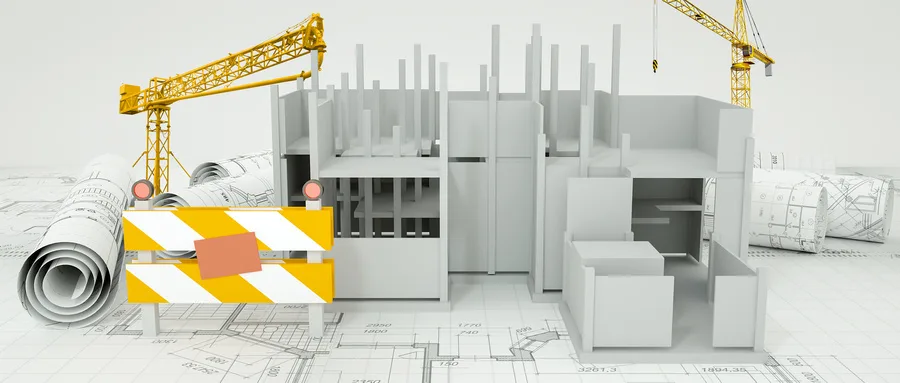
1. Collision Detection: Before construction begins, BIM’s 3D visualization is used to coordinate spatial designs across different disciplines, identifying clashes between pipelines, as well as between pipelines and structural elements such as beams and columns.
2. Construction Difficulty Analysis and Simulation: BIM enables virtual construction, allowing new technologies, structures, processes, and complex nodes to be pre-tested on a computer. This offers clear guidance for workers during on-site construction.
3. Site Preparation Planning and Management: Using the design phase model, temporary site buildings can be efficiently arranged to maximize space utilization and provide a practical layout preview before implementation.
4. Pre-Deployment Monitoring Planning: At the initial site layout stage, BIM helps determine monitoring points. Simulating these points allows assessment of monitoring coverage and effectiveness, ensuring good preliminary results.
5. Tower Crane Pre-Deployment Planning: Tower crane placement is optimized by analyzing vertical and horizontal material transport ranges, vertical penetration structures’ working conditions, and roof component transportation efficiency.
6. Collaborative Management – Model Conversion: Standardized modeling from the design phase ensures seamless integration by converting design models into the required formats for construction and incorporating them into the BIM management platform.
7. Collaborative Management – Schedule and Cost Correlation: During construction, BIM platforms enable dynamic simulation of visual progress and resource allocation, synchronizing project output values with actual progress, which improves cost control and fund flow management.
8. Collaborative Management – Material and Cost Coordination: BIM automates technical calculations, allowing managers to focus on project oversight. It quickly extracts material quantities by type and phase, facilitates material planning, cross-checks usage calculations with various software, and improves cost forecasting to support contract negotiations.
9. Collaborative Management – Participant Collaboration: On-site issues can be reported via handheld devices to the BIM platform, enabling all involved parties to collaboratively propose solutions. This transparency ensures timely and symmetrical information exchange throughout the project.
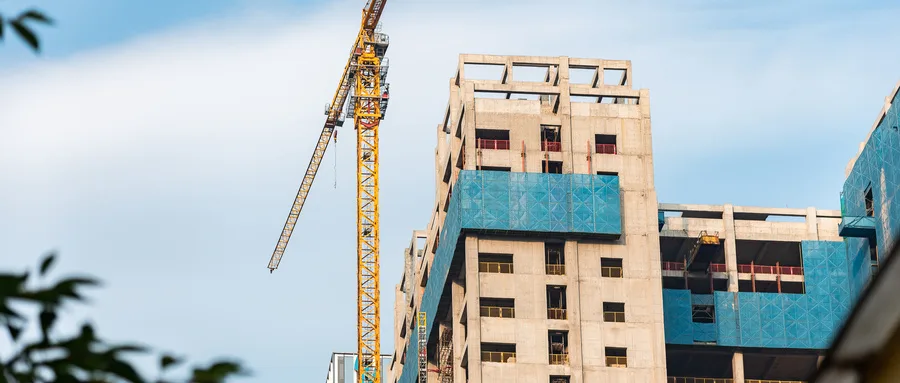
10. Collaborative Management – Parallel Management and Guidance: Labor leaders scan QR codes on materials to verify correct usage locations, guiding workers to place items accurately and preventing errors. Management also uses handheld 3D models for directing labor in complex areas, reducing mistakes and deficiencies.
11. Collaborative Management – On-Site Operation and Maintenance: Through BIM platform plugins, mechanical equipment in the model is linked to maintenance schedules on site, enabling reminders and recording performance. This supports safety, equipment upkeep, and subcontractor evaluations.
12. Construction Management – Subproject Progress Tracking: BIM simulates the actual construction process against planned schedules, monitoring progress and issuing alerts to enable timely adjustments.
13. Construction Management – Information Inspection: Construction staff use BIM handheld devices to inspect and verify components on site. After completion, foundational information is converted into QR codes and affixed to components, facilitating easy access to construction data and supporting future handovers.
14. Technical Management – 3D Templates: By moving away from traditional templates, BIM teams create and utilize a 3D visualization template library. This approach reduces material waste and temporary site occupation while guiding on-site construction effectively.
15. Technical Management – Integrated Support Layout: Using the detailed mechanical and electrical installation model from the design phase, comprehensive pipeline support is arranged and its effect monitored in real time.
















Must log in before commenting!
Sign Up