
1. Emphasize Quality Control Throughout the Entire Process. Traditional quality control focuses mainly on the construction phase, specifically on the formation of engineering entities, assuming that quality control is only necessary during this stage. Due to the fragmented and disconnected nature of project decision-making, design, and construction phases, understanding of the project tends to be periodic and isolated. BIM technology ensures data consistency and correlation by integrating information entered at each stage into a unified model. This data is not only applied to the current phase but also supports the entire project lifecycle. For instance, survey phase data can guide design, design phase data can assist construction, and information collected during construction supports acceptance and later maintenance. The BIM model database covers all relevant project information, forming an organic whole that enables comprehensive quality control throughout the project lifecycle.
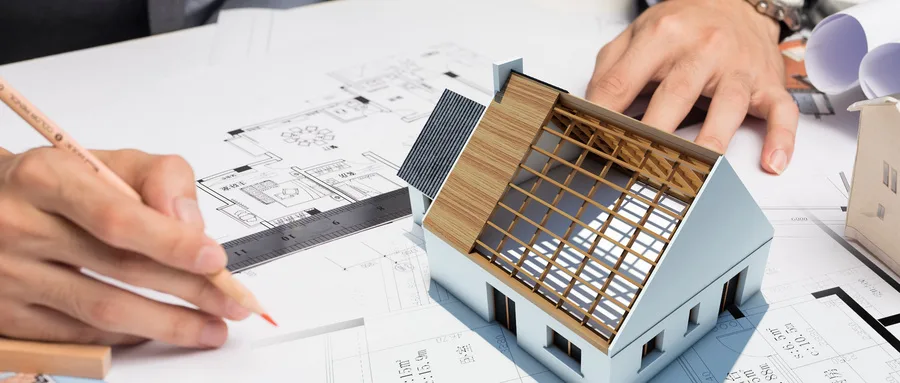
2. Focus on Pre-Construction Quality Control. Traditional quality control often relies on drawings and data, which do not intuitively reflect the construction process and make early detection of quality issues difficult. Typically, quality problems are identified reactively during construction, causing delays and cost overruns. BIM enables the creation of a 3D model before construction, allowing simulation of the construction process and collision detection through specialized software. This approach helps identify potential issues and conflicts early, enabling preventive measures. Construction simulations provide management with the opportunity to address quality concerns proactively, reducing costs compared to in-process or post-construction quality control.
3. Incorporate Quality Evaluation Information. Traditional quality control focuses predominantly on the construction phase, often neglecting post-construction quality evaluation. Existing methods struggle to intuitively and effectively assess quality after completion. BIM technology facilitates storage of comprehensive project information for quality evaluation purposes. It not only helps identify quality issues and determine solutions but also accumulates historical data, records processing details, and supports quality control for similar problems in future projects.
4. Enable Multi-Party Participation. Traditional quality control tools rely heavily on CAD, which has significant limitations. CAD drawings are numerous, complex, and difficult to interpret, often causing cognitive biases and communication barriers. Quality control typically depends on comparing 2D drawings with real-time construction conditions, requiring personnel to mentally translate 2D plans into 3D models for accurate comparison. This process depends heavily on the experience and imagination of a few skilled professionals, limiting broad participation. BIM overcomes these challenges by providing a 3D model that simulates construction, allowing all project stakeholders to easily understand the project status, visualize the construction process, and actively engage in quality control efforts.
















Must log in before commenting!
Sign Up