
The Building Information Modeling (BIM) system integrates and consolidates all relevant data for a construction project into a single model. Using digital information, BIM simulates the building process. Its features include integration, correlation, optimization, and coordination, allowing it to simulate construction projects and detect clashes—capabilities that traditional quality control methods lack. BIM technology meets the current industry demand for informatized and integrated quality control, making it a prime example of advancements in quality control technology.
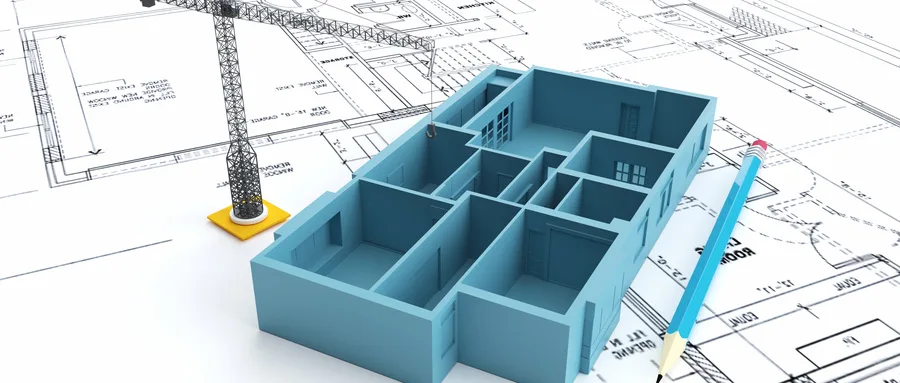
1. BIM Changes Traditional Information Acquisition and Transmission, Eliminating Silos
In traditional project management, quality information is mainly gathered and shared through drawings. In contrast, BIM builds three-dimensional digital models of buildings, making the visualization of structures possible. This intuitive representation helps owners better understand and monitor the overall project quality. Furthermore, BIM’s coordination capabilities strengthen connections among all project participants, improving communication between design and construction teams. This collaborative environment enables real-time sharing and exchange of quality information, supporting dynamic and process-oriented quality control throughout the project lifecycle.
2. BIM Promotes Integrated Project Quality Management
BIM employs the Integrated Project Delivery (IPD) approach, which enhances the effectiveness of quality control across the entire project. It fosters collaborative design and management among all stakeholders, allowing each party to access the quality information they need based on their specific roles. This integration also facilitates better tracking of quality control checkpoints at different construction stages.
3. BIM Accurately Reflects Quality Information and Processing Details
By creating a 3D model, BIM visualizes quality management elements. The model incorporates detailed information about the materials and components used, serving as a reliable reference for addressing quality issues and improving management efficiency. Additionally, BIM tracks whether on-site products comply with design specifications, records and analyzes construction operations, identifies uncertainties on site, prevents quality defects, and enhances overall site quality monitoring.
4. BIM Enables Virtual Construction, Strengthening Pre-Construction Quality Control
BIM allows virtual construction through clash detection and conflict checking before actual work begins, optimizing solutions in advance. By integrating schedule data into the 3D model, it creates a 4D model that simulates construction sequences and logistics. This process identifies potential conflicts during construction, reduces risks of quality issues and rework due to design or planning errors, saves time and costs, and ensures higher project quality. Conducting virtual construction prior to physical work starts significantly strengthens pre-construction quality control.
















Must log in before commenting!
Sign Up