
The modular design approach for prefabricated buildings involves classifying various functional spaces and recombining independent, interchangeable modular units at different levels. This method transforms individual building units into an integrated whole. By adopting BIM (Building Information Modeling) modular design, the traditional prefabricated building design process can be optimized significantly. Utilizing the BIM model library, designers can diversify and combine modules of different levels, depths, and functions through visualization and other BIM features, thereby enhancing design efficiency. More importantly, BIM enables the collection, integration, and analysis of data, providing valuable insights to support the final design decisions and determine the most optimal design方案.
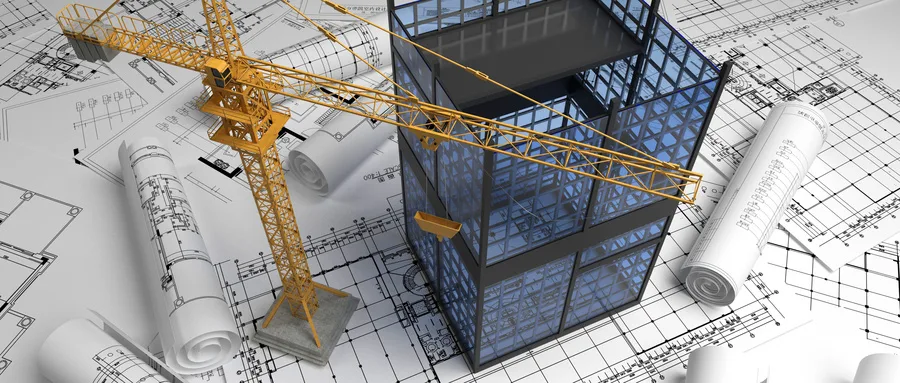
Traditionally, prefabricated building design relies on the cast-in-place design method, which is then segmented and further detailed into individual components. Although this approach is well-established, it often lacks precision, involves cumbersome processes, and poses coordination challenges. With BIM-based modular design, information from budgeting, site analysis, master planning, and environmental assessments gathered during the survey and design phases can be integrated. Using this data and other project requirements, modules that best fit the building’s optimal layout and façade combinations can be selected, enabling design from localized components to the overall structure.
BIM combination methods for prefabricated buildings are categorized into architectural design, structural design, and equipment design. In later stages, collaborative design and component splitting techniques are employed to complete the entire design phase, meeting the technical and industrialization goals of prefabricated construction. This approach also facilitates effective information exchange for downstream detailed design stages.
(1) Standardized Building Design
Architectural designers use information models from surveys and design phases, along with design requirements and external factors, to select appropriate module models from the BIM library for assembly. If no suitable model exists, overlapping parts at interfaces are removed or information is left for subsequent connection pouring. After completing the layout combination, supplementary components are added to support later structural and equipment design tasks.
Designers typically start by assembling the standard floor, which represents the largest portion of the building, and then create models for the first and top floors based on differing functional needs. This process ultimately results in a comprehensive building design model.
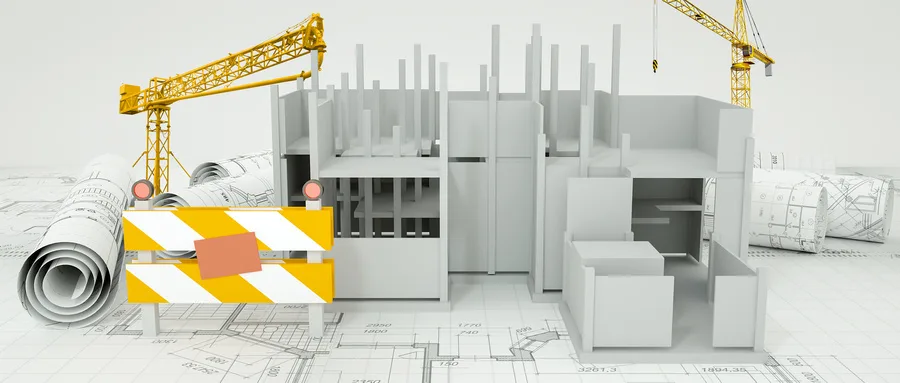
(2) Structural Standardized Design
Structural designers incorporate structural analysis software based on the overall building model to develop a compatible structural model and assess its performance. If the calculated reinforcement requirements do not align with the design data, components must be reselected until specifications are satisfied.
The structural model is divided into three types: first floor, standard floor, and top floor. The assembled structural model undergoes calculations considering site conditions, seismic fortification levels, and more. If the results are acceptable, the model is handed off for use by upstream and downstream teams. Otherwise, adjustments are made, new components generated, and updates incorporated into the model library.
(3) Equipment Standardized Design
Equipment designers select appropriate equipment models from the library that correspond to the building layout and adjust them to meet functional requirements. After completing equipment design within individual apartments, the focus shifts to public areas, including fire hydrant systems and plumbing risers.
If any areas of the building model are found to be inadequately designed during this process, adjustments are made to the building model accordingly. Once refined, uniform equipment parameter calculations are performed to meet load requirements. Collision detection is conducted on pipelines, following principles such as pressure yielding to non-pressure, small yielding to larger, and facilitating easy evacuation. Pipelines without conflicts can use component models and data directly from the library.
After resolving collisions, detailed BIM drawings and material lists are generated and added to the component library as appropriate.
(4) Collaborative Architectural Design
When professional designers complete their individual designs within separate systems, these models must be unified on a BIM platform for collaborative work. Comprehensive coordination and optimization take place both within and across disciplines.
Designers perform final information checks and verification within the BIM collaborative model to ensure alignment, referencing the same design model.
Liu Lu (Shandong Jianzhu University)
For educational and communication purposes only. Copyright belongs to the original author. If there is any infringement, please contact us for removal.
















Must log in before commenting!
Sign Up