
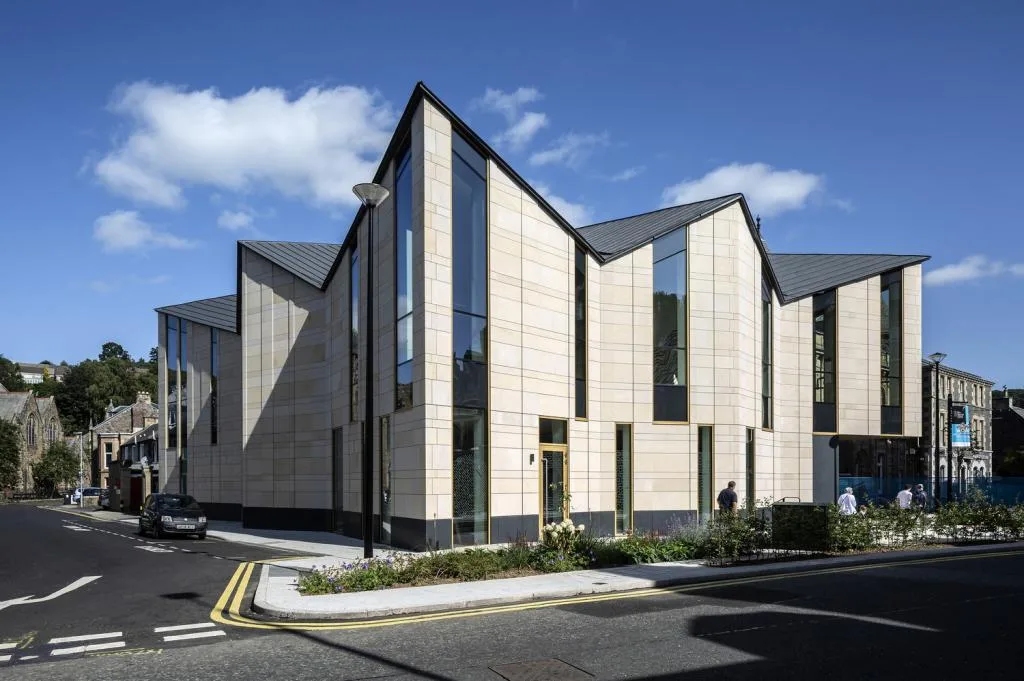
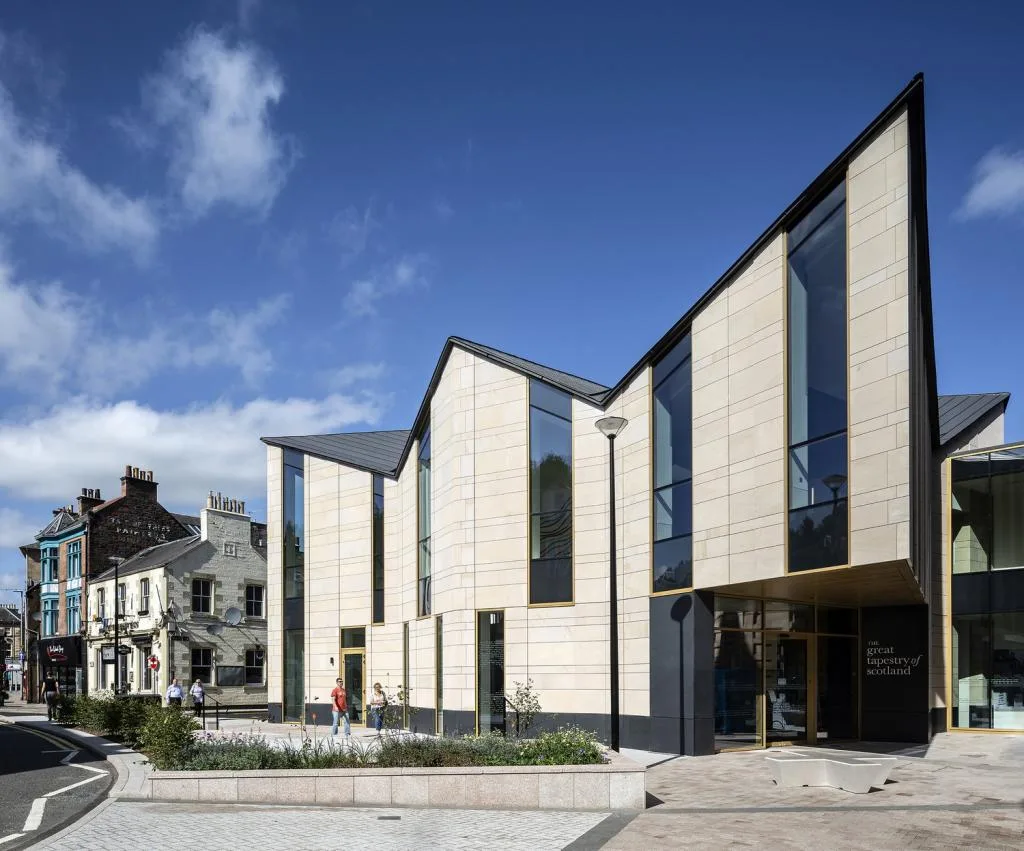
The Great Tapestry of Scotland Museum is situated in Galashiels, at the heart of the Scottish Borders. This building is thoughtfully designed to showcase the Scottish Grand Tapestry — a unique national visual history created with meticulous care by a thousand seamstresses.
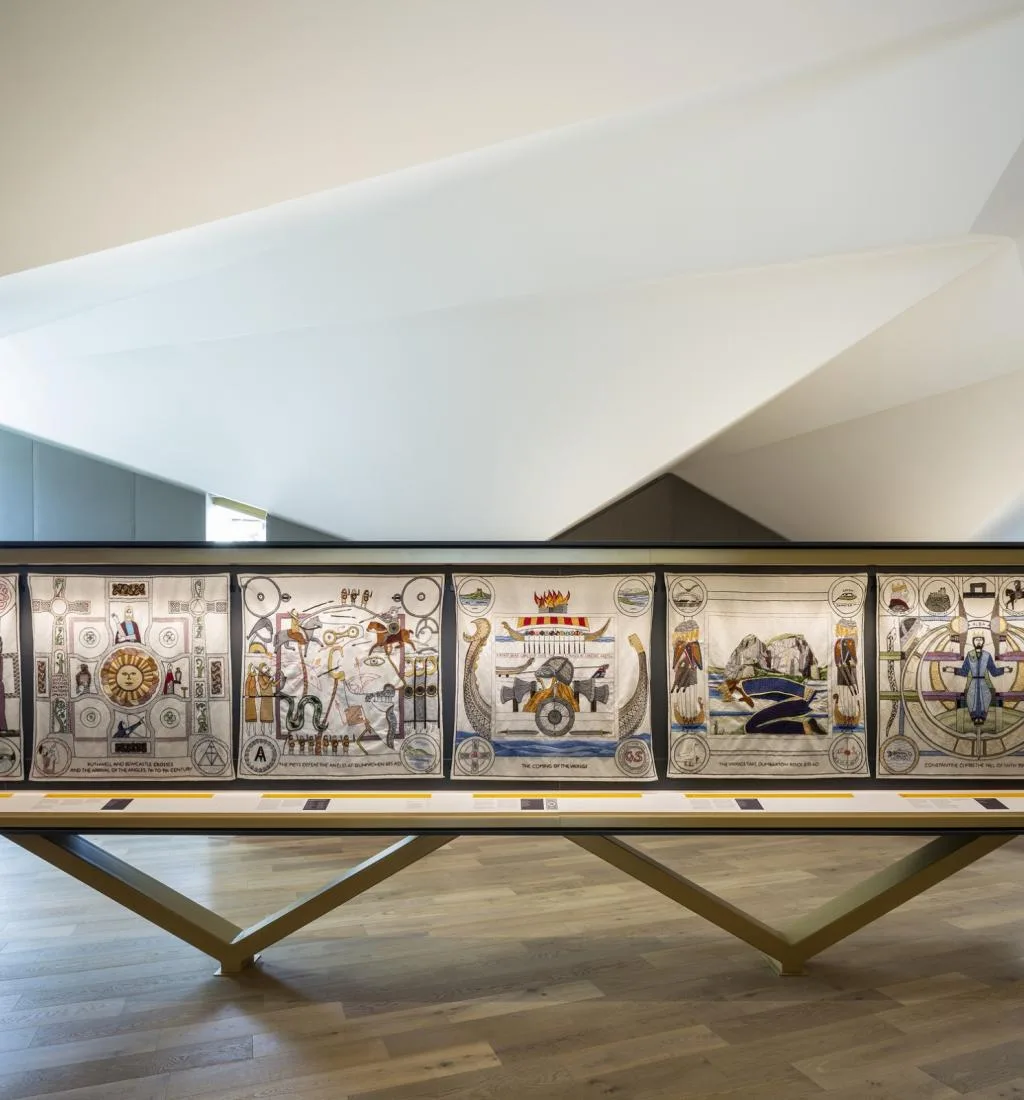
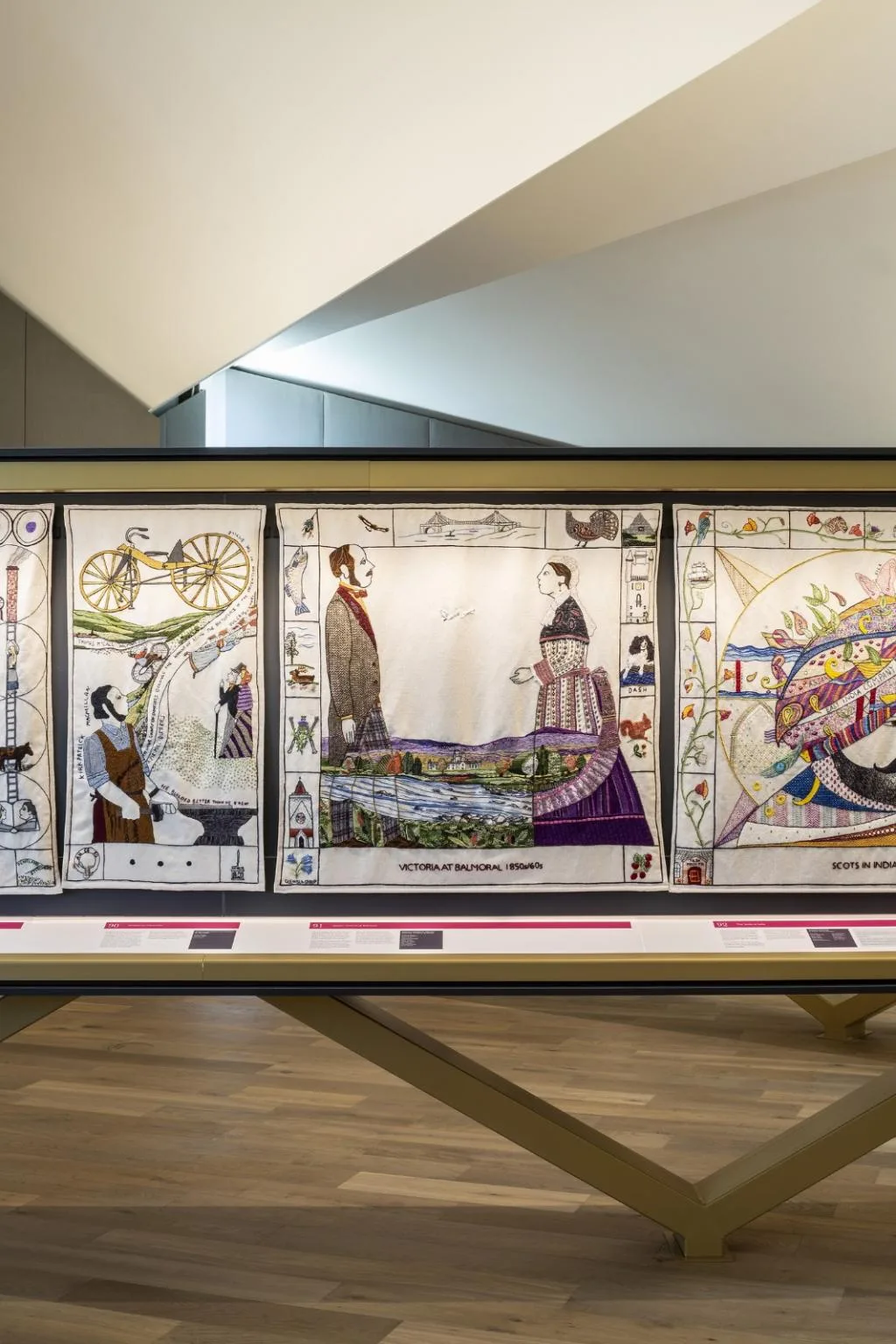
The Scottish Grand Tapestry was envisioned by Alexander McCall Smith, designed by Andrew Crummy, and illustrated by Alistair Moffat. Stretching nearly 143 meters (469 feet), it depicts significant events in Scotland’s history spanning 12,000 years to the present day, offering a visually continuous narrative. Communities across Scotland contributed to the embroidery under the expert guidance of master embroiderer Dorie Wilkie.
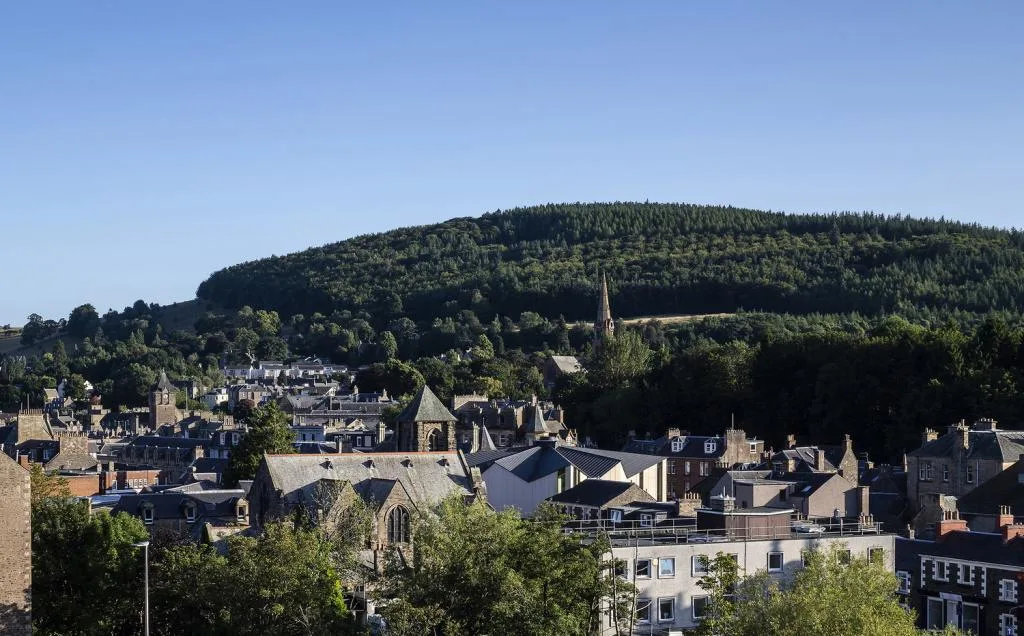
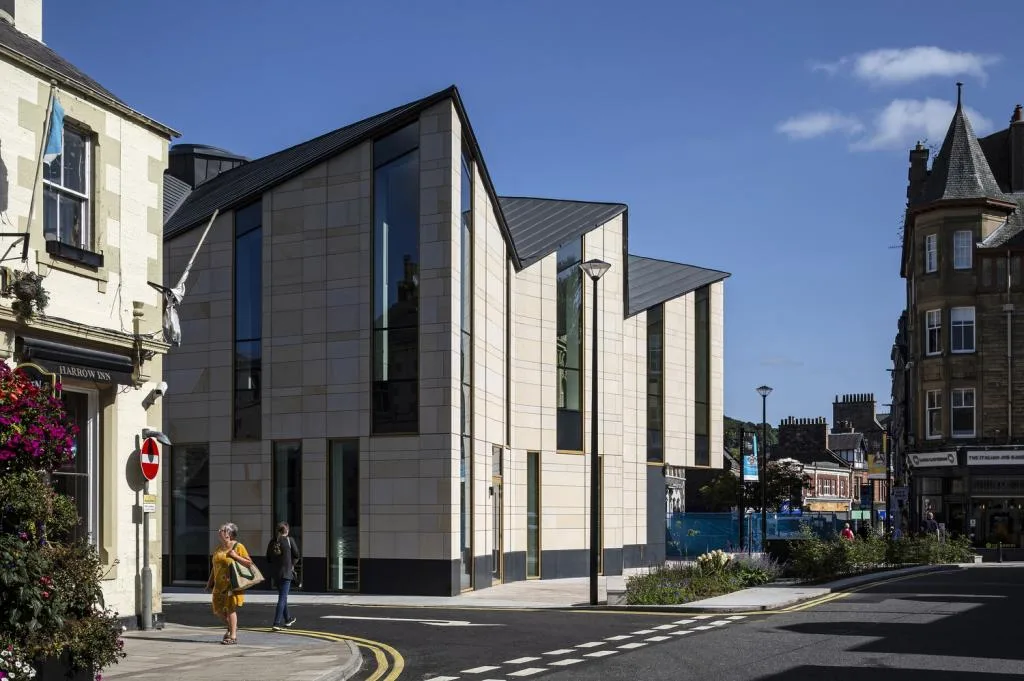
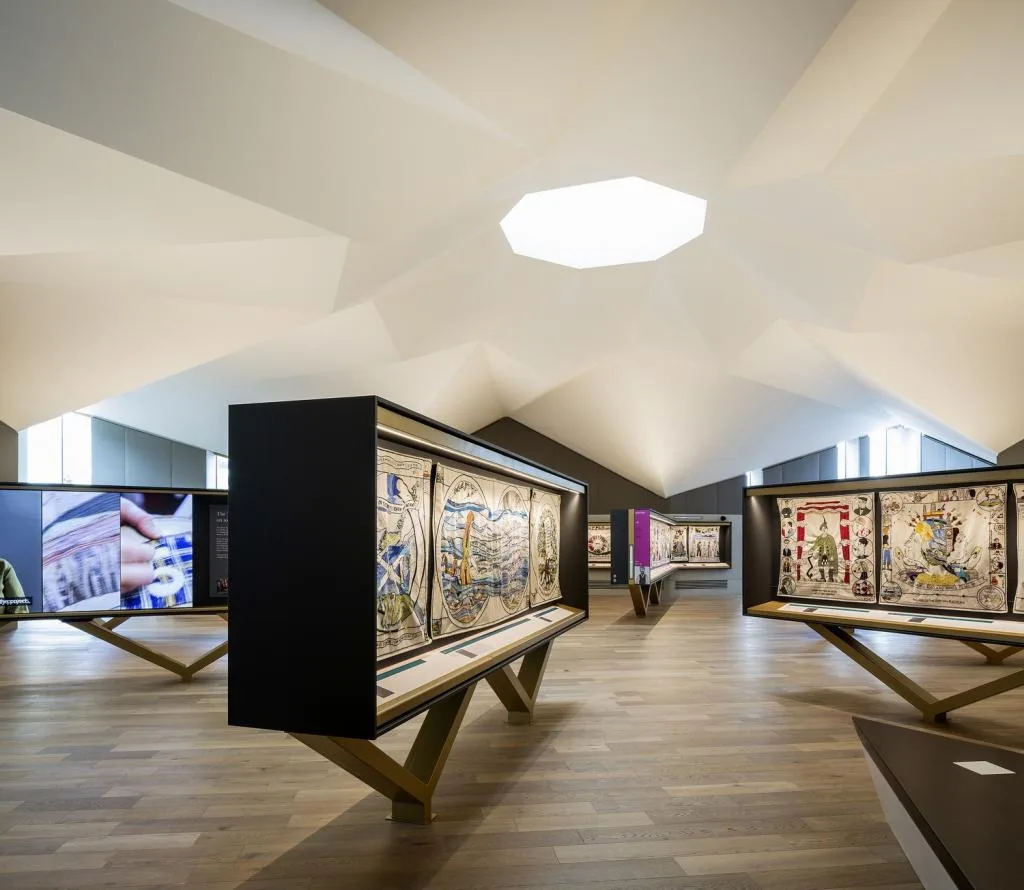
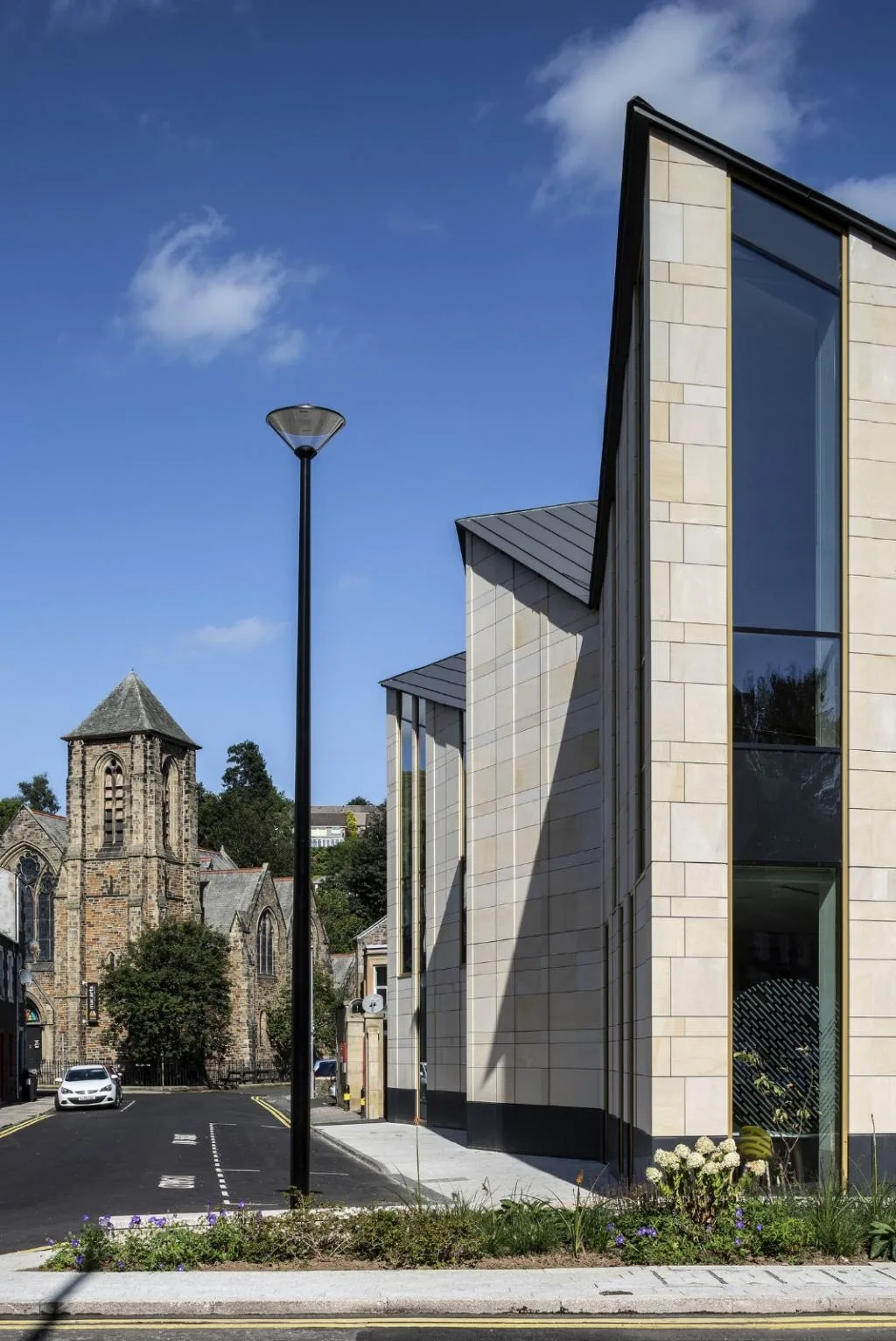
Our goal was to create a distinctive building deeply connected to its physical surroundings and historical context, featuring a dedicated space for the tapestry at its core. The building’s design draws inspiration from local architectural elements such as spires, tiger windows, mountain walls, and sloped roofs, which define Galashiels’ character. The building’s intriguing geometric roof echoes these features. As one approaches Galashiels, the town’s roofs unfold before them, and this museum’s insertion into the rooftop landscape offers a modern reinterpretation of traditional Victorian sloping roofs.
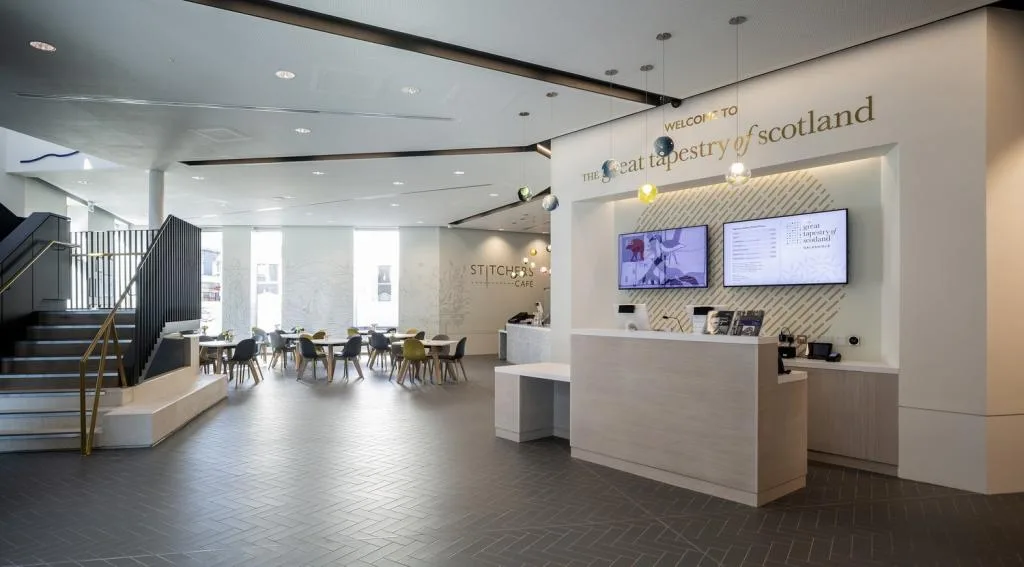
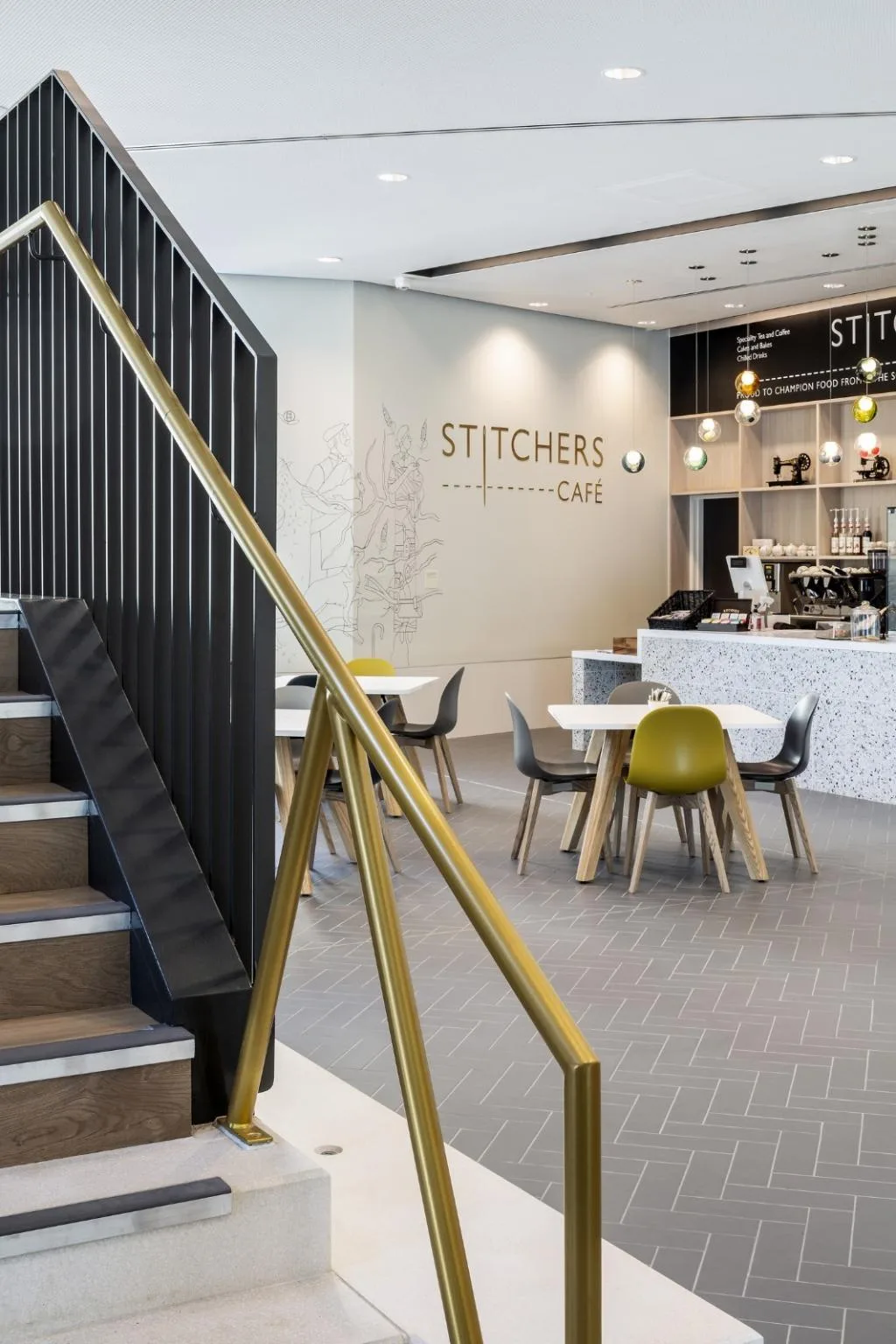
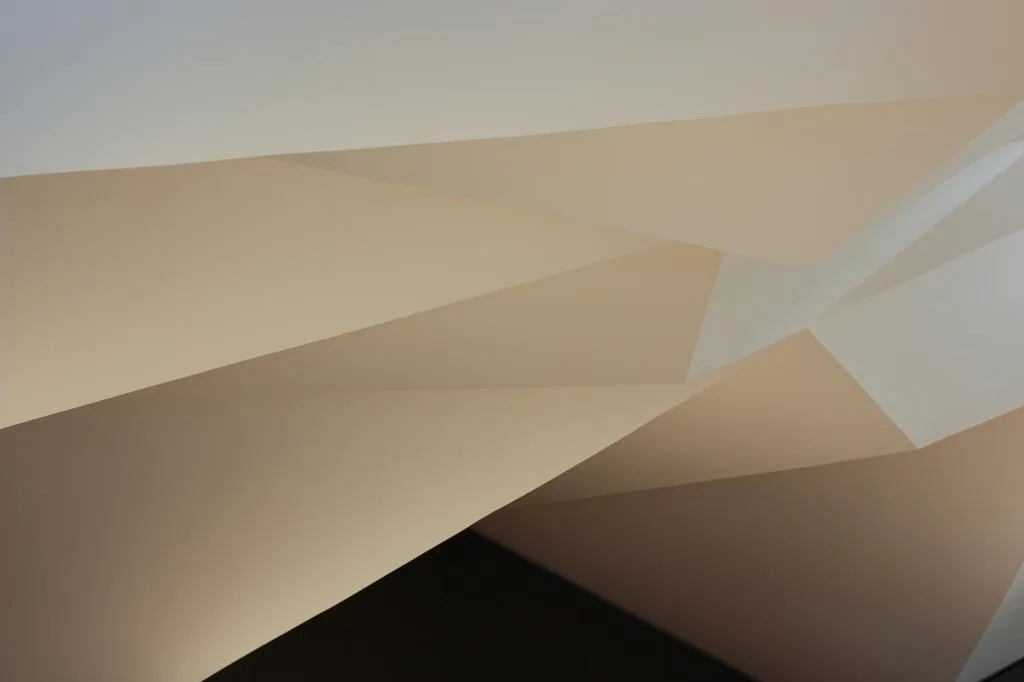
The first floor houses temporary galleries, the reception area, shops, a café, and educational spaces. The tapestry gallery is located on the second floor, where folded walls and ceilings create a dynamic and engaging environment. The exhibition gallery is carefully designed to highlight the tapestry, with artworks displayed along a series of radiating walls that create a continuous, linear presentation. Tall windows in each of the gallery’s four corners offer views toward the surrounding mountains of Galashiels.
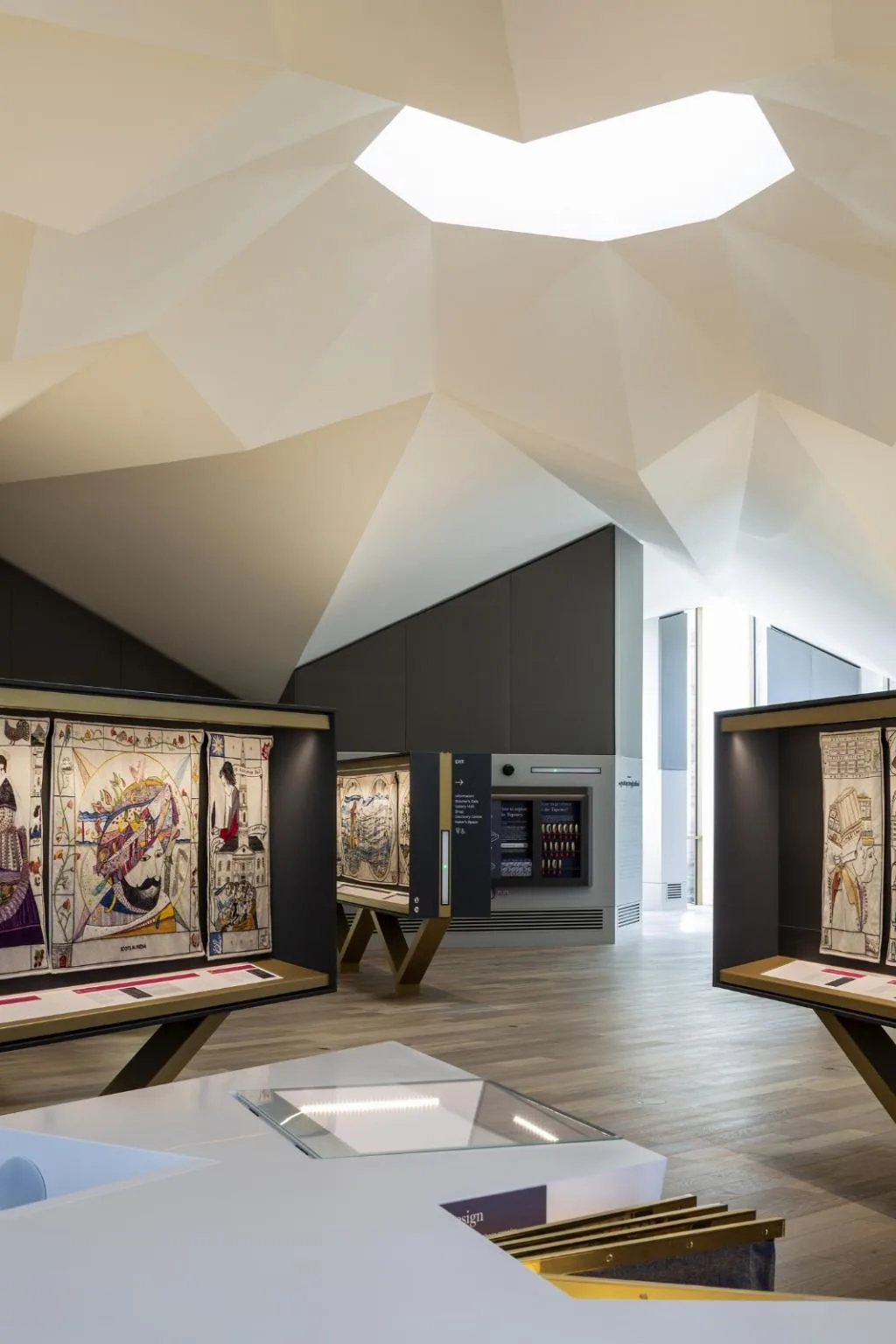
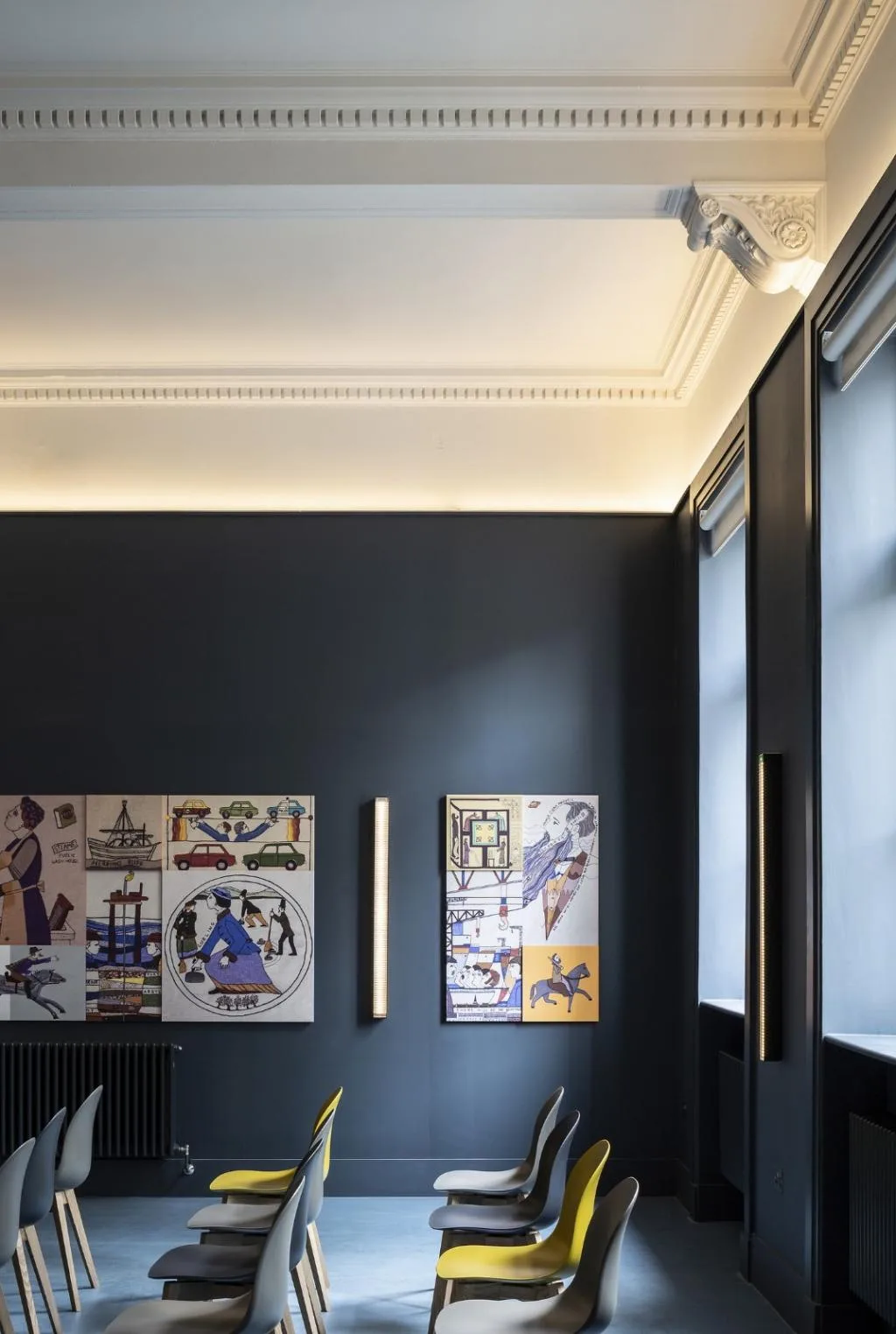
The interior colors and textures complement the tapestry’s intricate details and charm, while reflecting the rich landscape of the border region. The fabric covering the gallery walls was woven on the Isle of Bute and finished locally in Galashiels. The color was custom-designed for this project, inspired by the ever-changing hues of the surrounding hills.
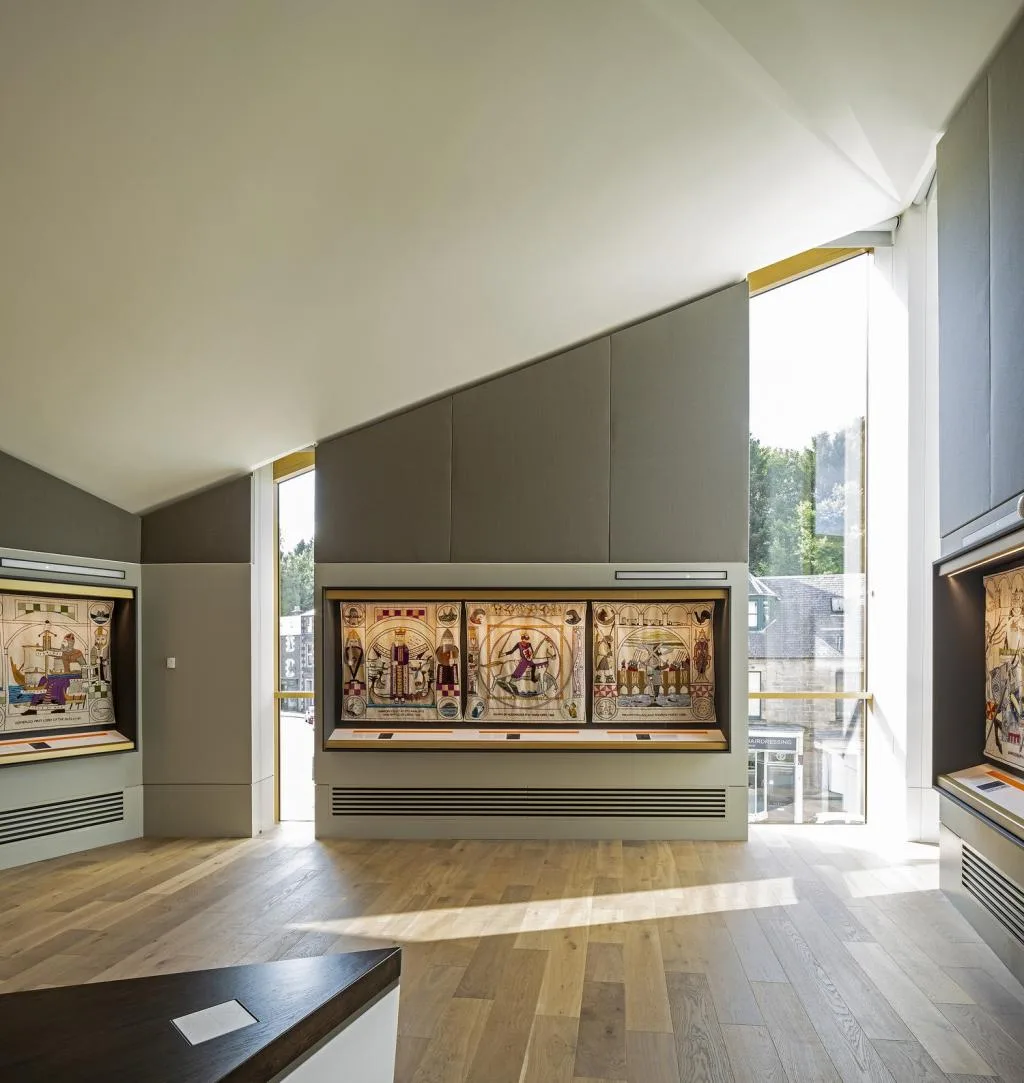
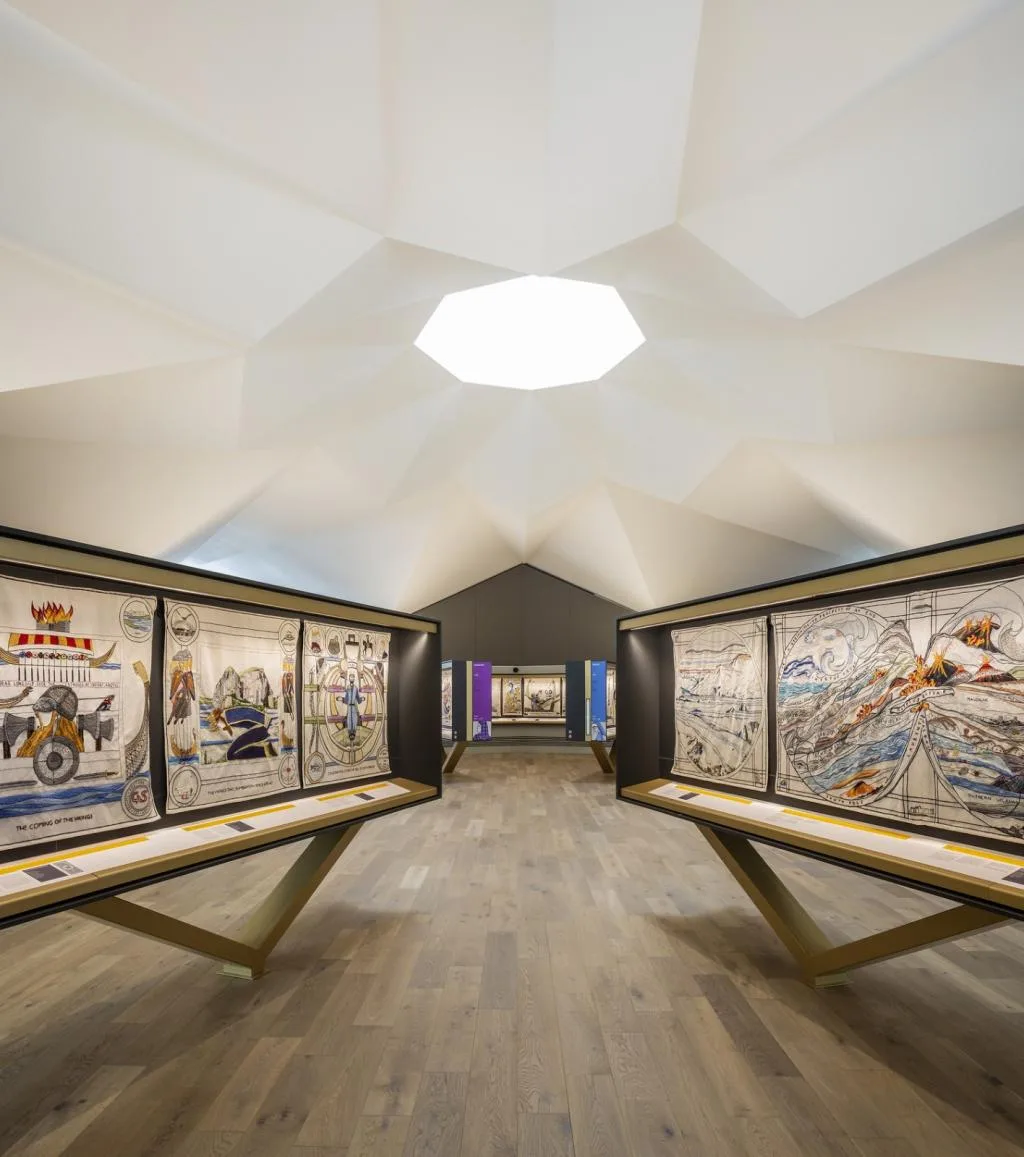
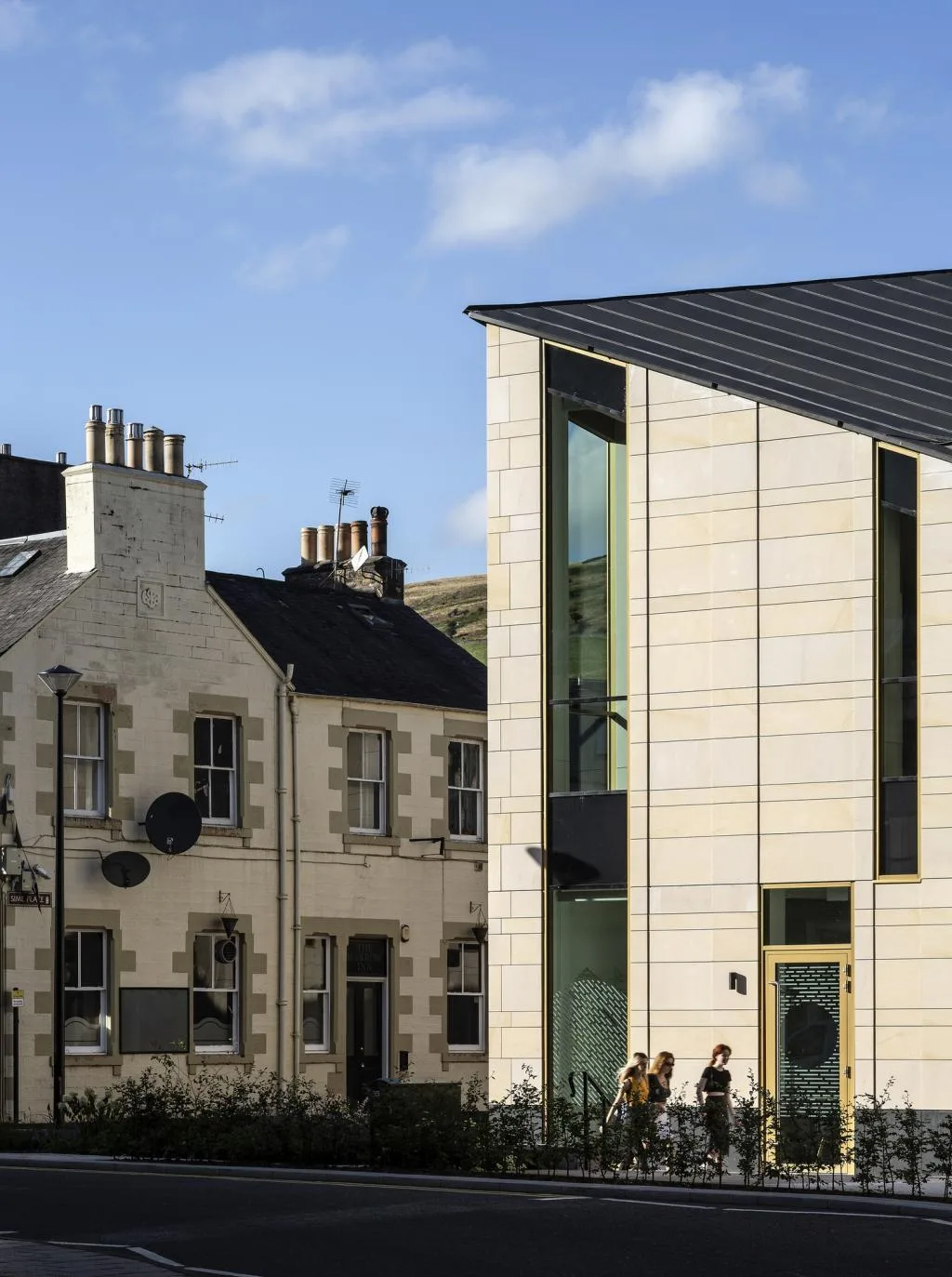
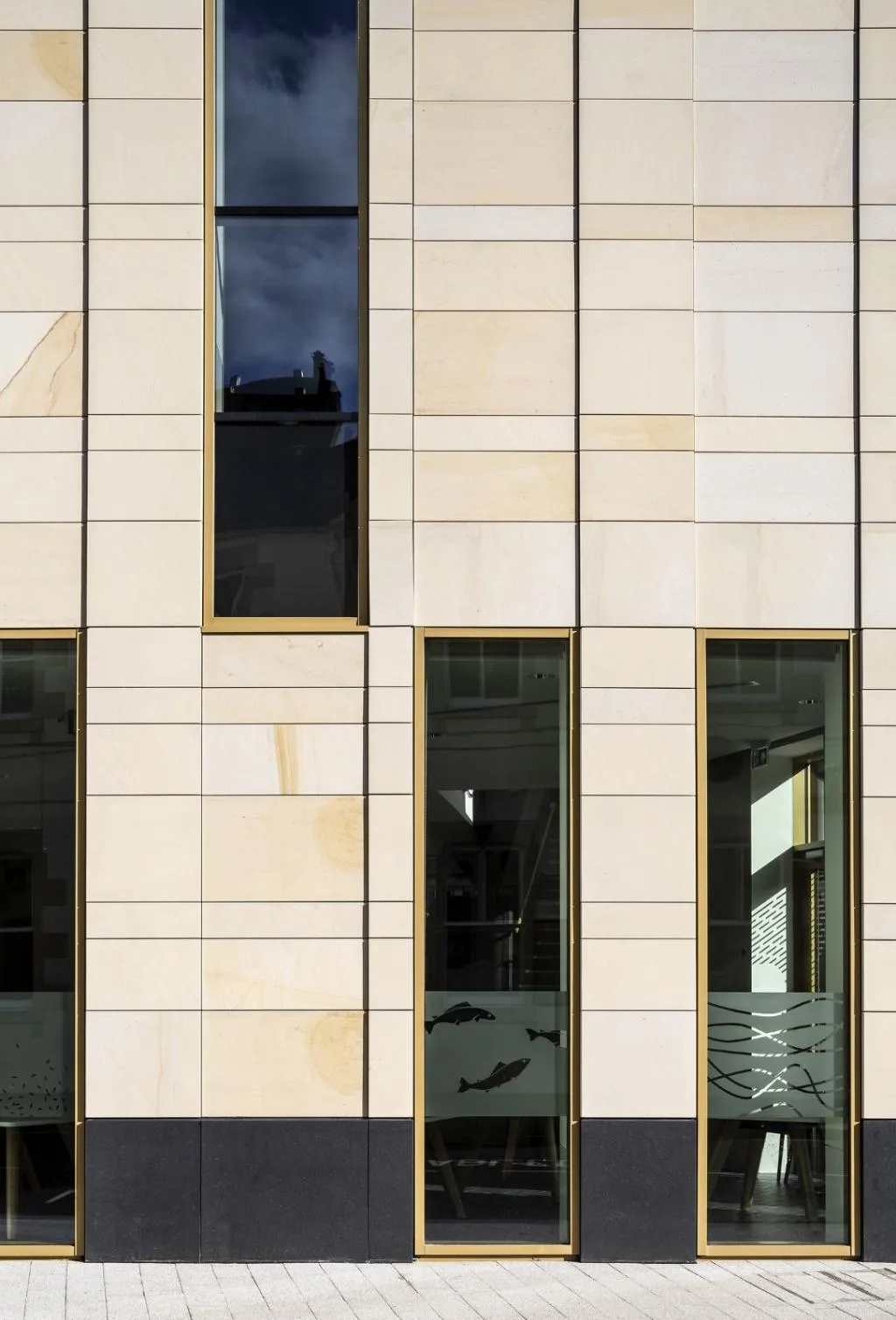
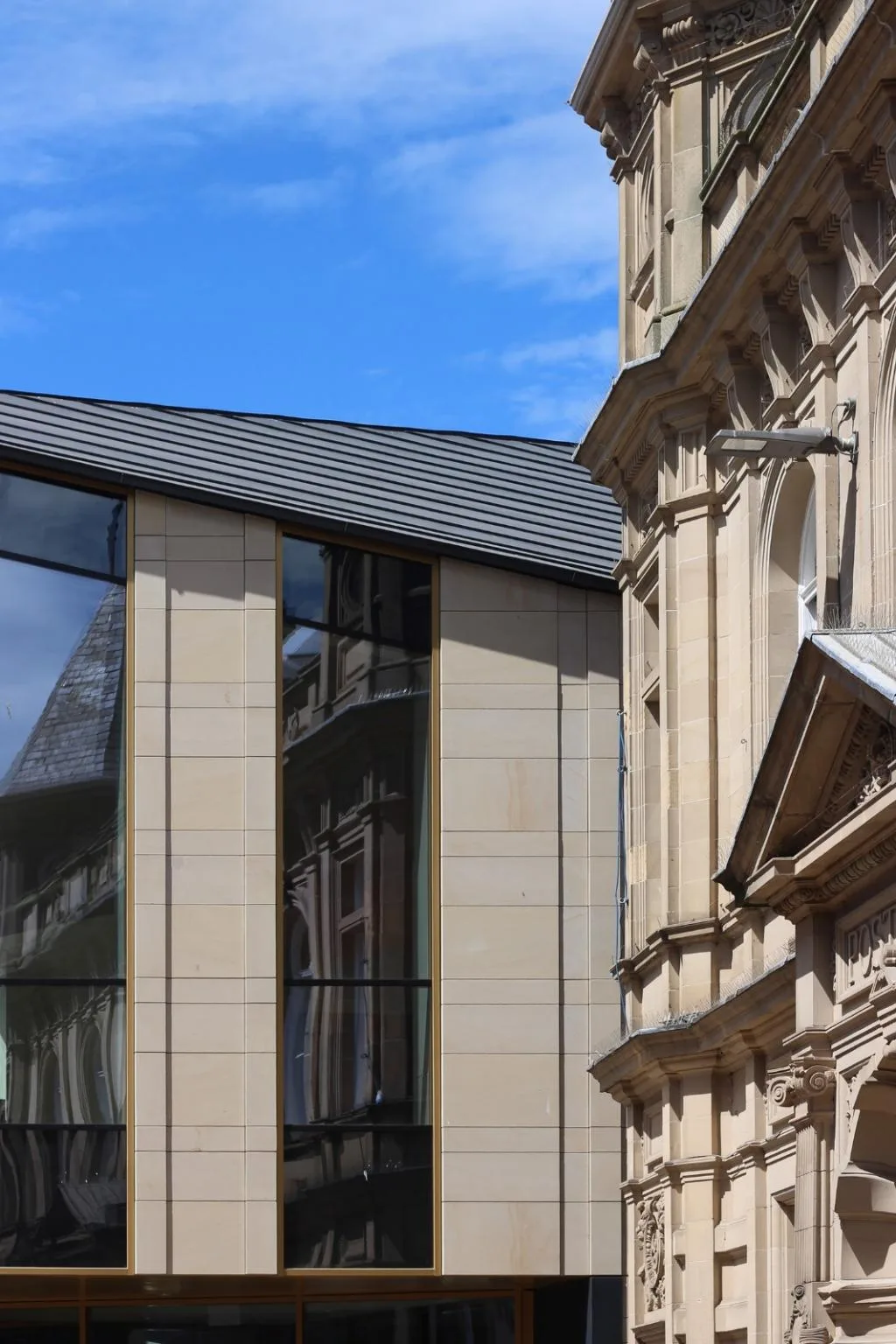
The scale and volume of the visitor center are carefully designed to harmonize with the surrounding Victorian urban landscape. To protect the tapestry from UV exposure, the gallery has limited windows. To reduce the building’s mass and better fit the neighborhood scale, the exterior walls are folded to create subtle undulating spans. These folds correspond rhythmically with the pattern of windows, doorways, and corner towers along Channel Street. The museum is linked to the historic post office building through glazed corridors.
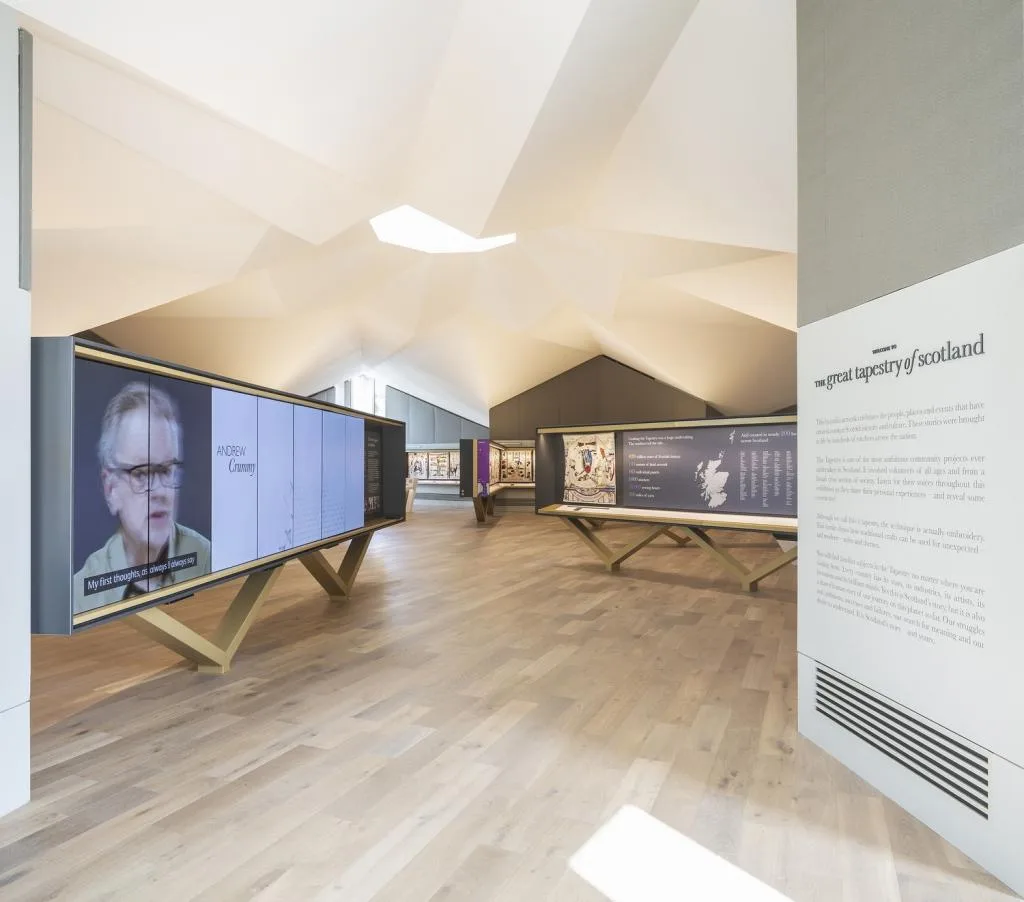
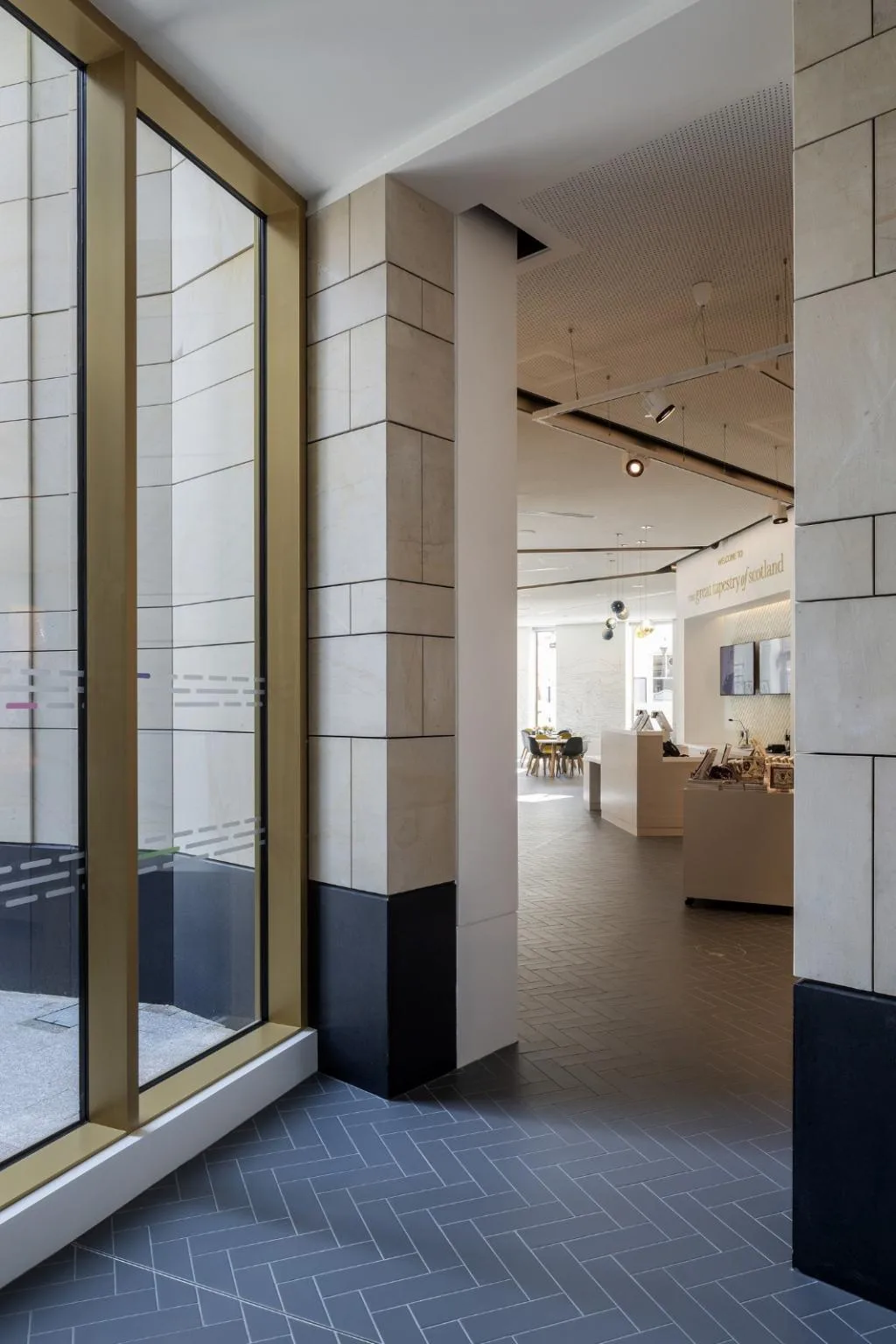
The post office’s grand opening in 1896 symbolized Galashiels’ prominence as a thriving textile town in the 19th century. Its stone façade inspired the stepped stone exterior of the visitor center. The interlacing stones around the building evoke the warp and weft threads of fabric.
Project Drawings
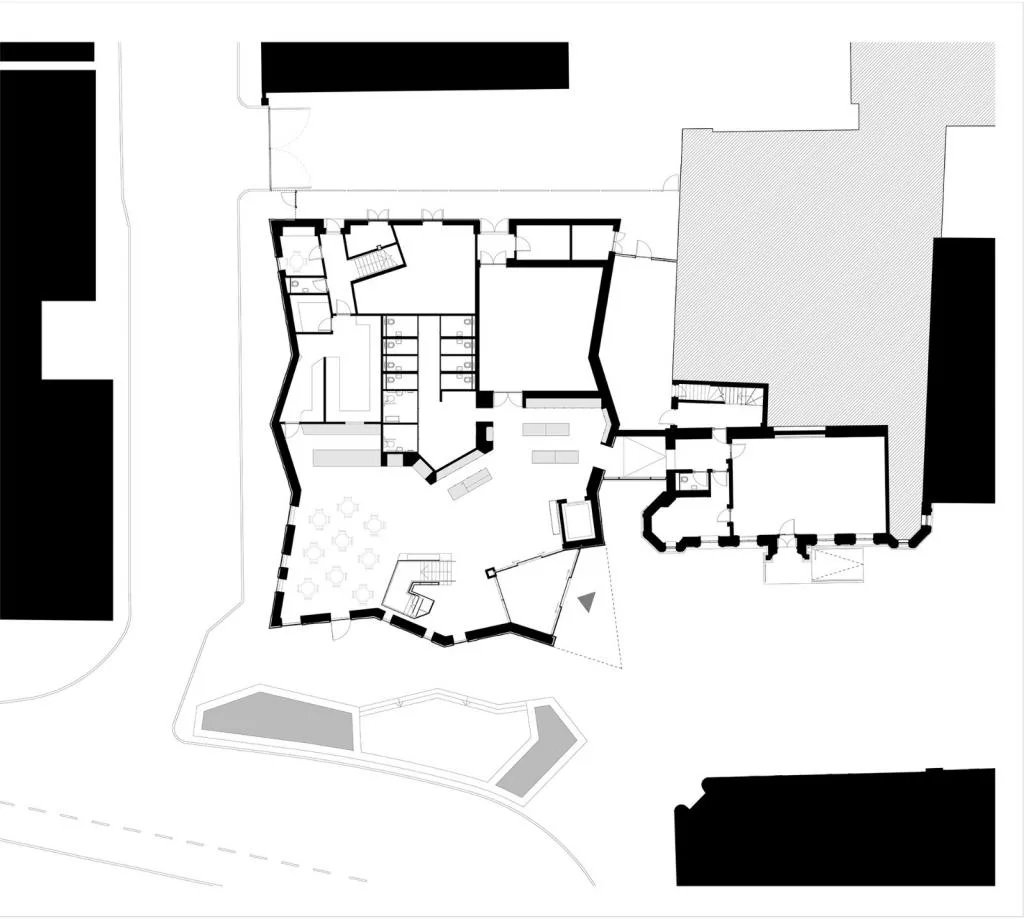
△ First Floor Plan
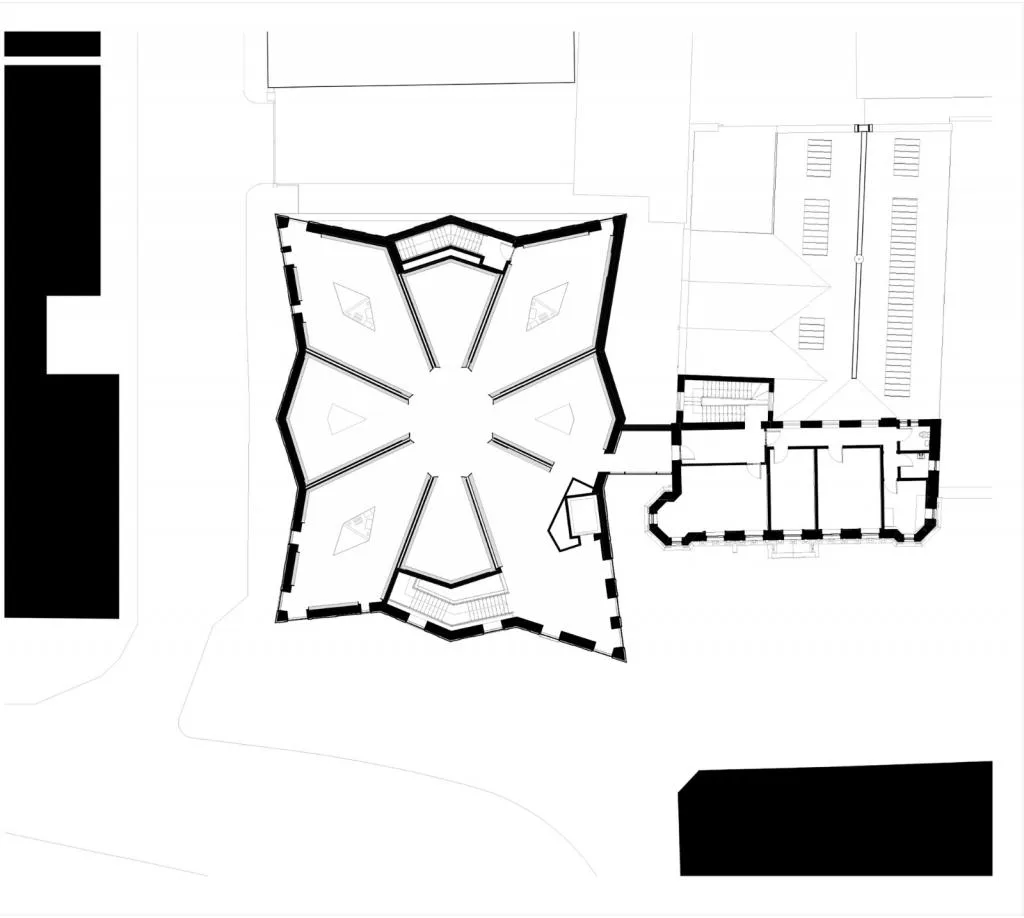
△ Second Floor Plan
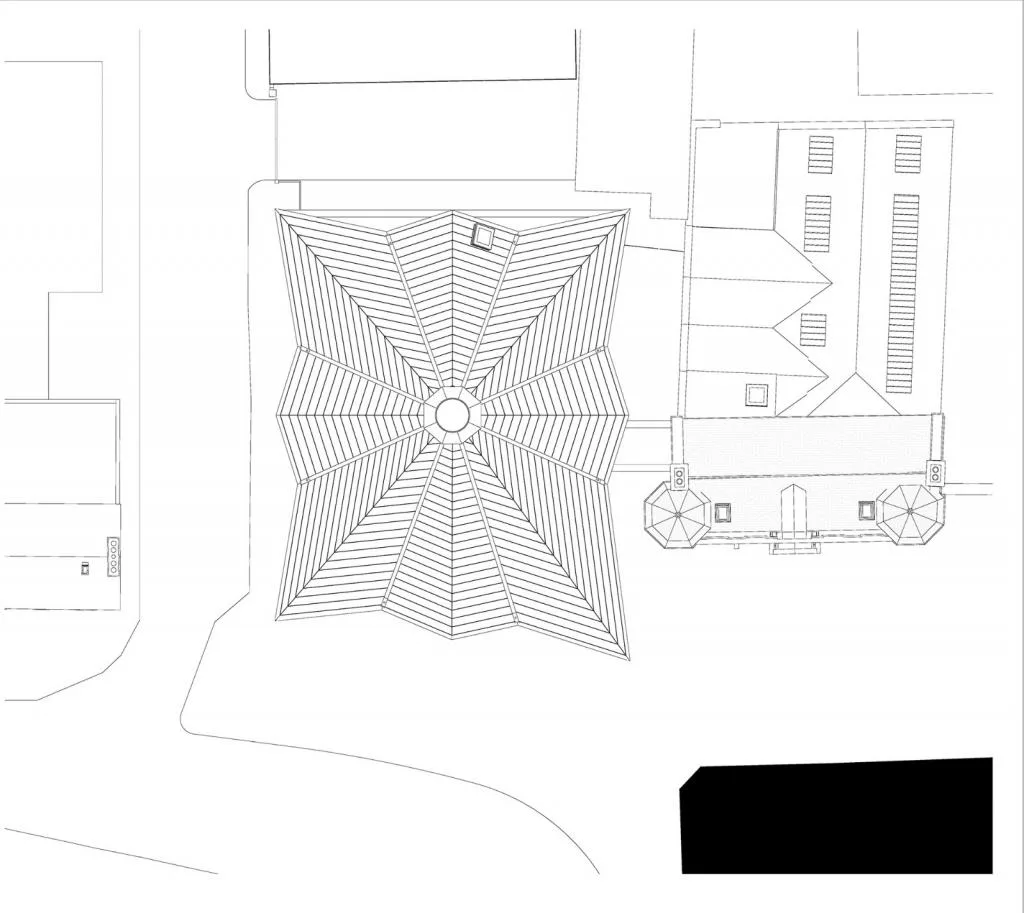
△ Roof Plan
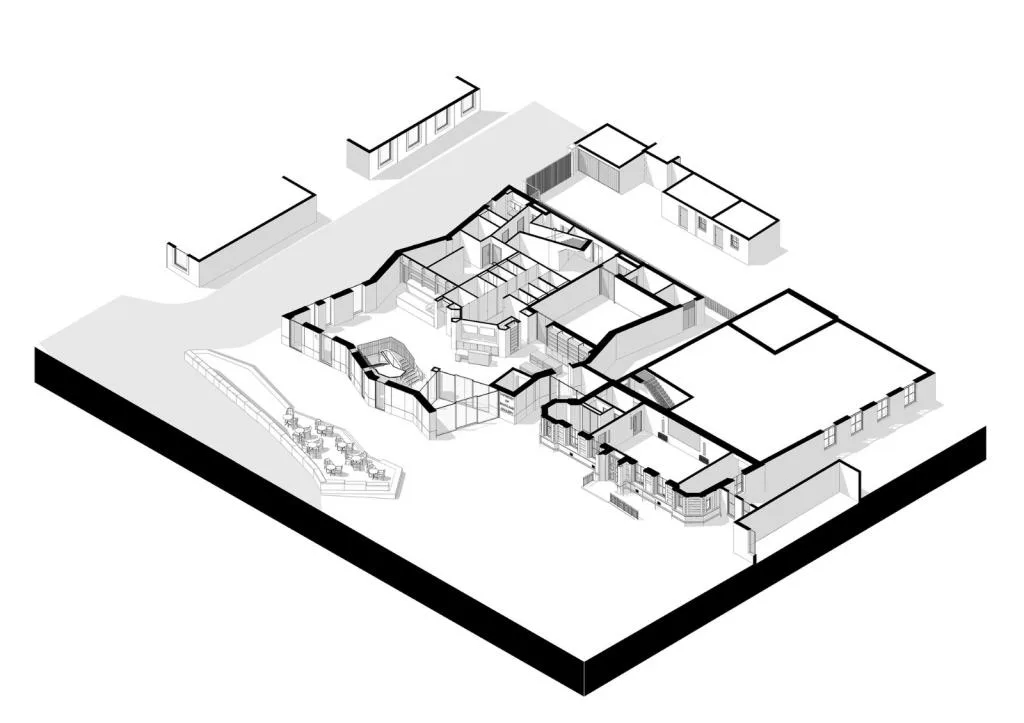
△ First Floor Sectional Perspective
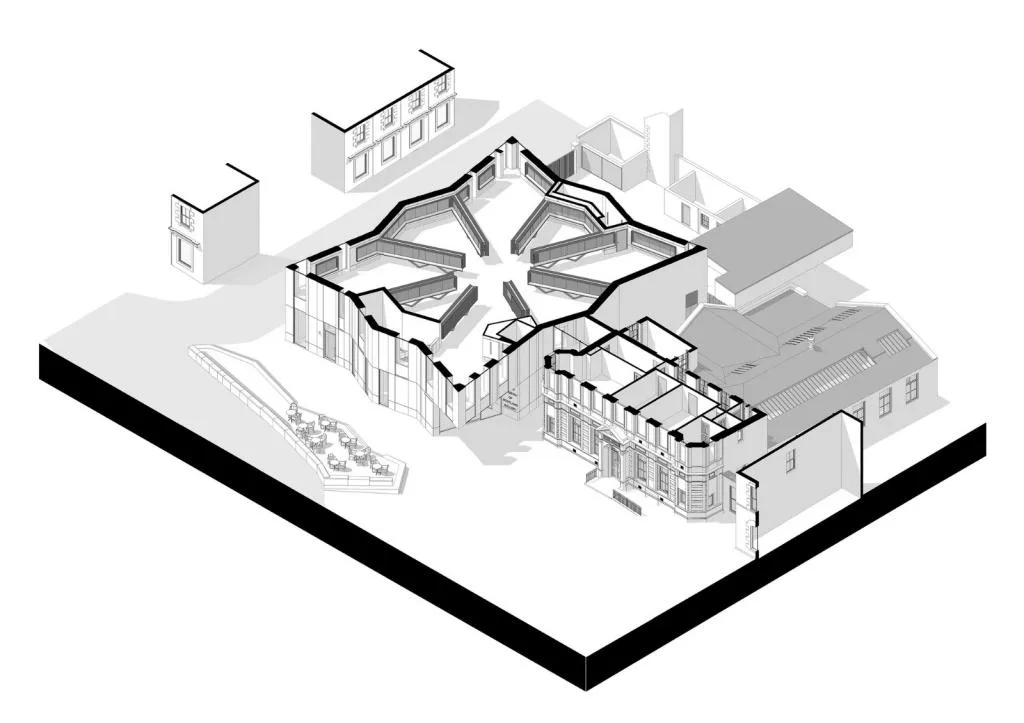
△ Second Floor Sectional Perspective
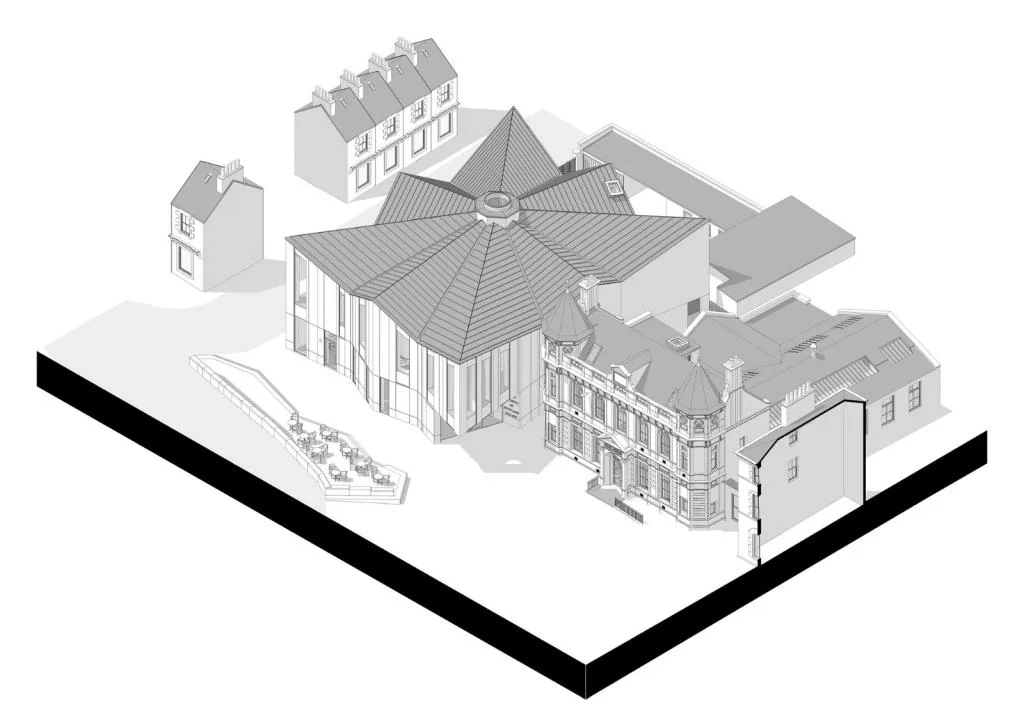
△ Roof Perspective View
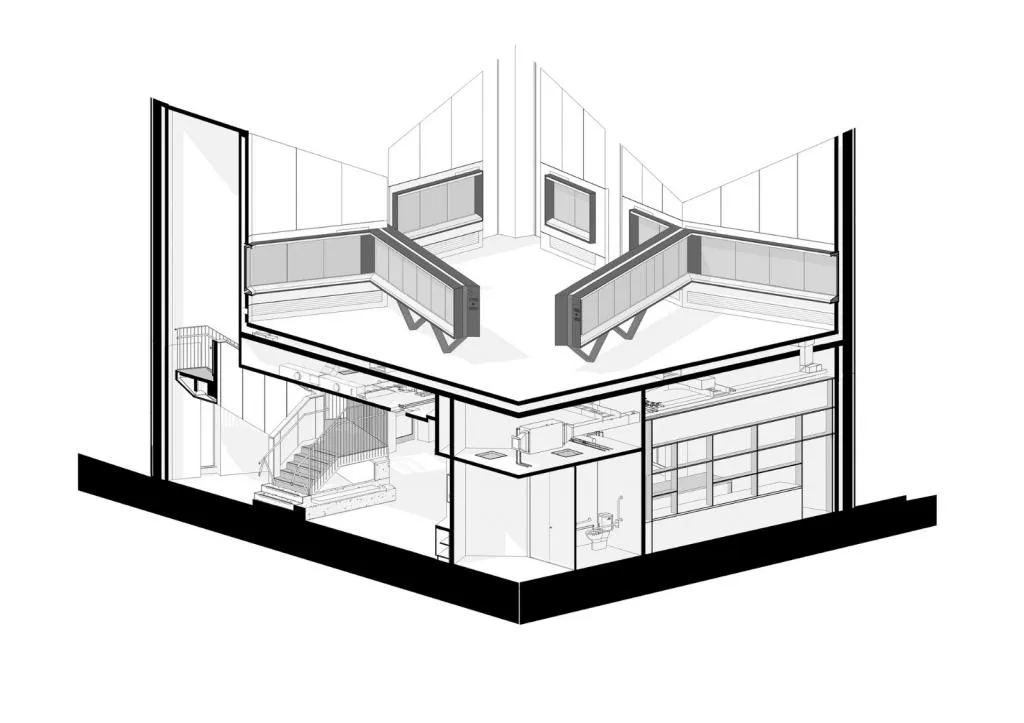
△ Sectional Perspective
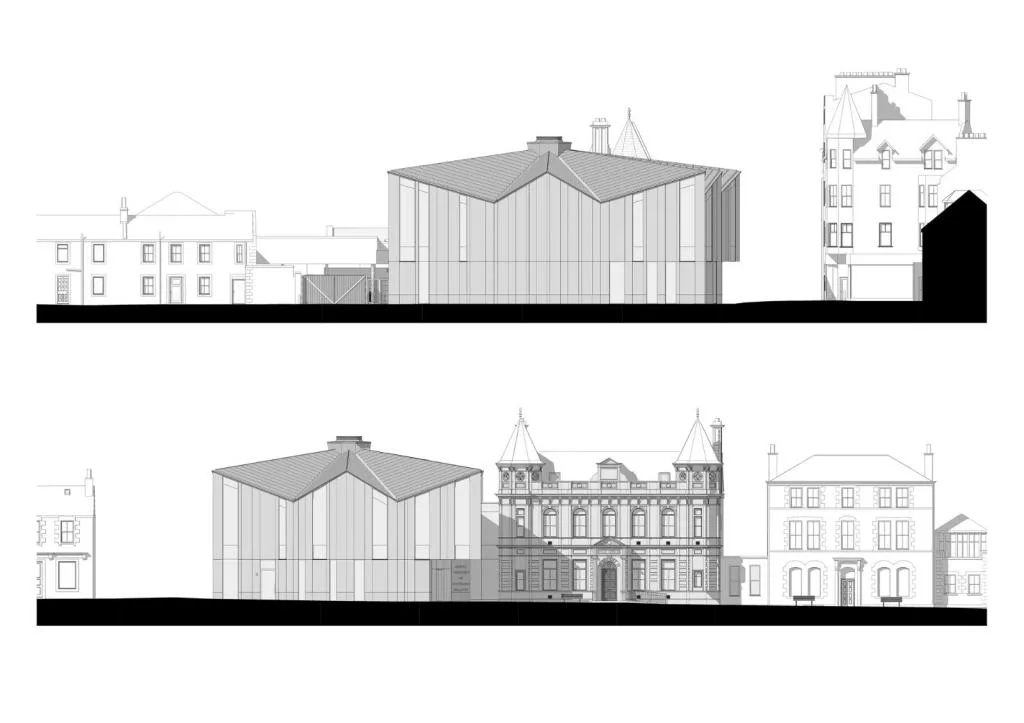
△ Elevation Drawing
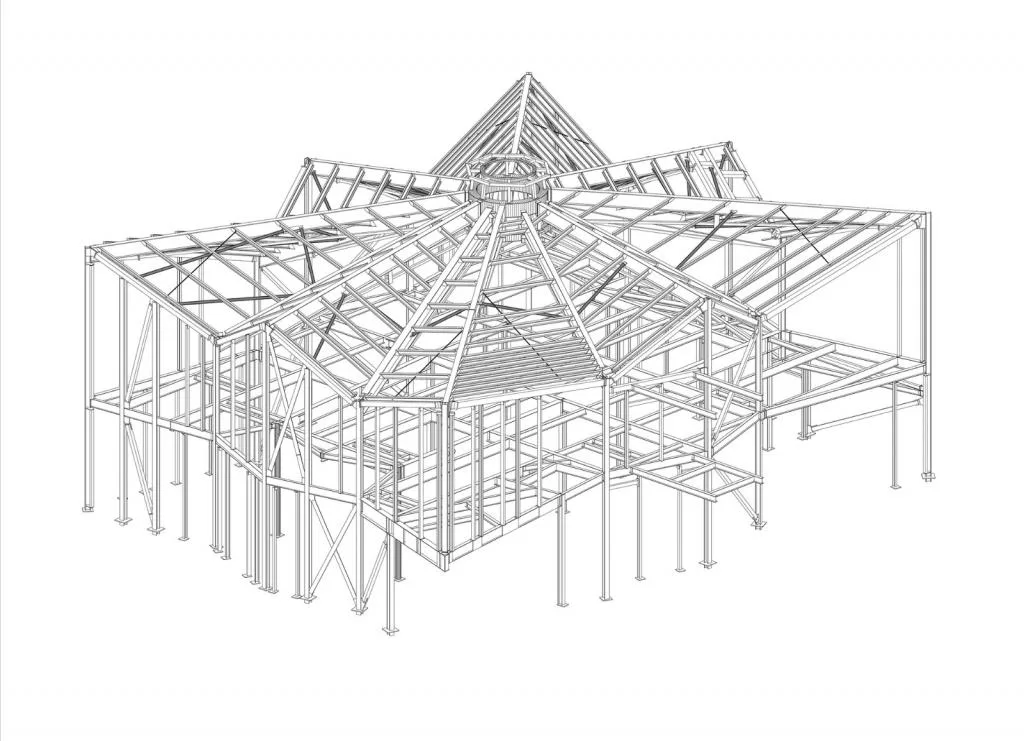
△ Structural Schematic Diagram
Project Information
Architectural Design: PagePark Architects
Area: 1,300 square meters
Project Year: 2021
Photographer: Keith Hunter
Manufacturers: Bocci, Bute Fabrics, Solus Ceramics
Lead Architect: Suzy O’Leary
Architect: David Wyllie
Location: Galashiels, United Kingdom














Must log in before commenting!
Sign Up