
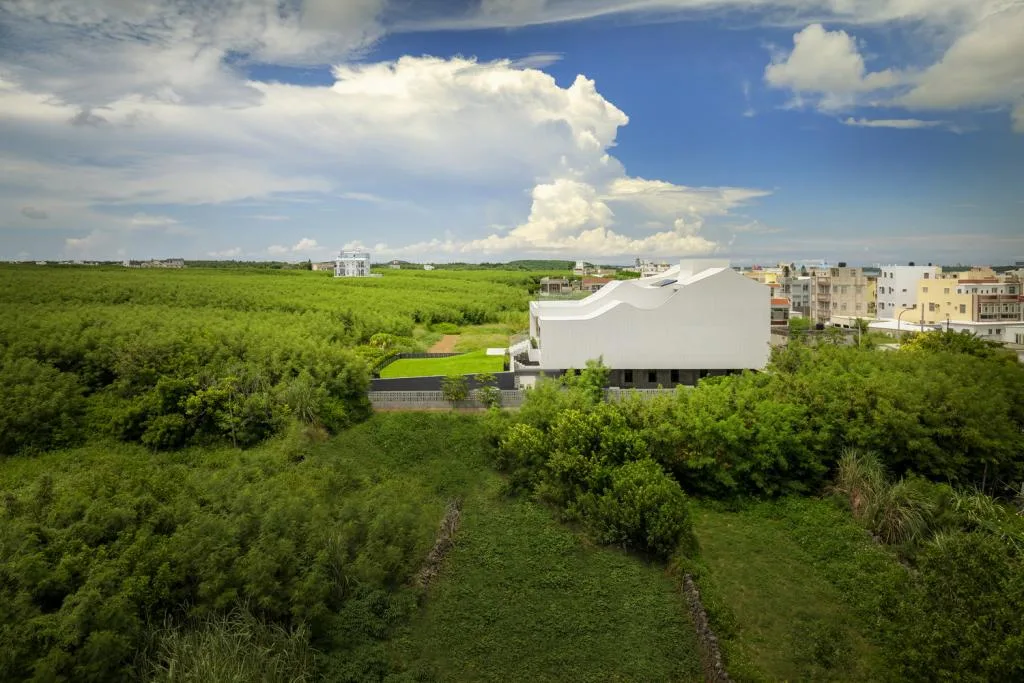
Located in the Penghu Islands west of Taiwan, China, the traditional Tangu Stone or coral reef houses represent a unique cultural heritage. The Goushi House, established during the Qing Dynasty along the southern coast, was constructed using basalt sourced from nearby islands and reefs as foundations, with real coral stones stacked above to form the walls.
These houses are notable for their roughly 9-square-meter flat surfaces and distinctive “curled” ridges, resembling curved mountain walls. Due to the region’s strong winds, “gaps between columns” serve as natural window openings. As the wind sweeps across the surrounding plains covered with wild chrysanthemums, these ancient coral stone houses continue to stand tall.
Inspired by this tradition, XRANGE Architects set out to reinterpret these historic elements, designing a home for a family with deep roots in the Penghu Islands.
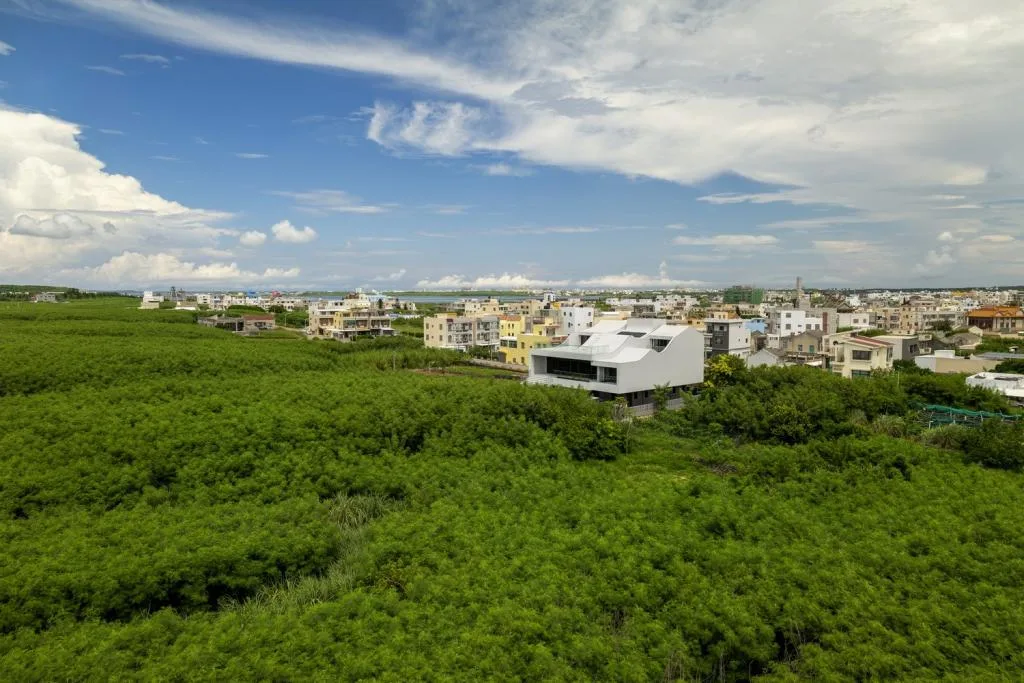
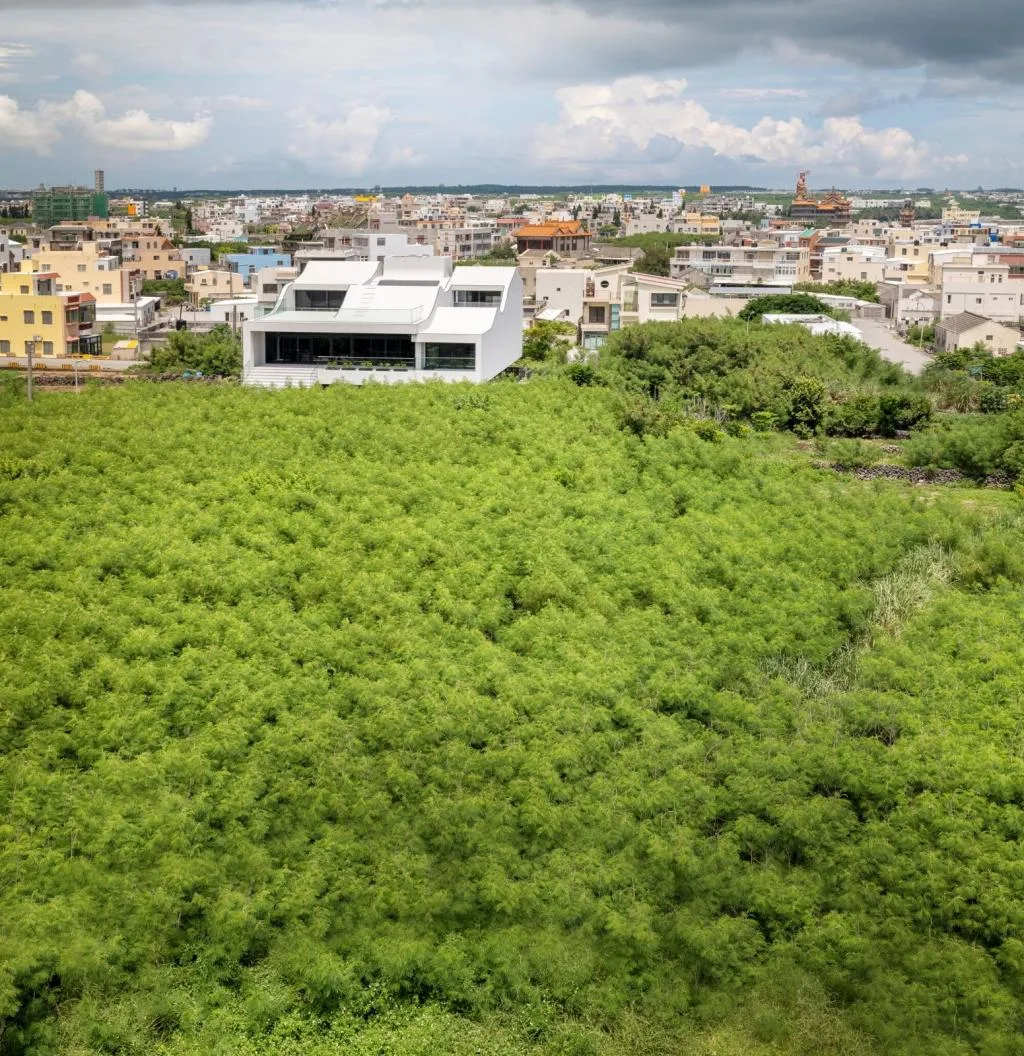
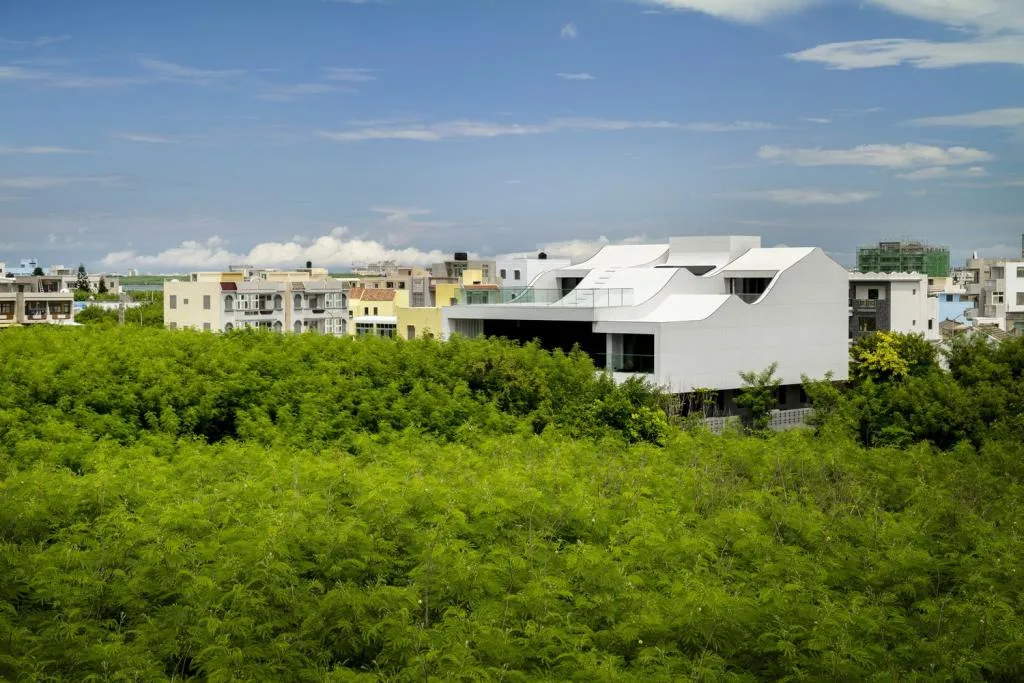
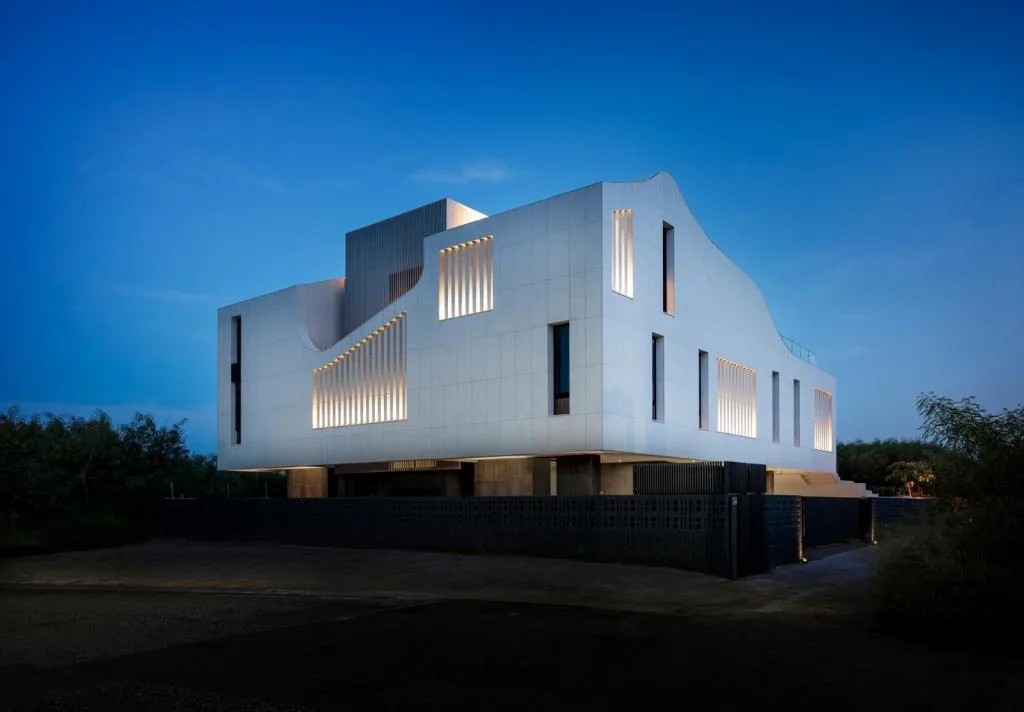
The project features a layered curved roof ridge that, when viewed from a distance through the surrounding vegetation, resembles a cluster of traditional village homes. This village-like impression is achieved by stacking three concrete volumes, each with its own uniquely curved ridge.
These concrete blocks not only define the building’s spatial layout but also serve as structural load-bearing walls. The distinctive curved roofs are finished with white stone, harmonizing beautifully with the island’s clear blue skies and lush green farmland.
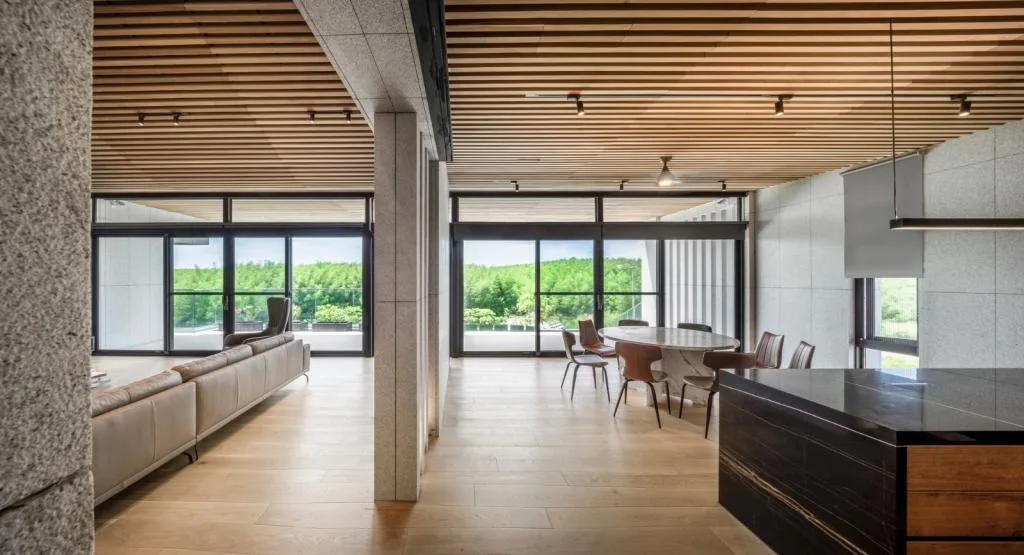
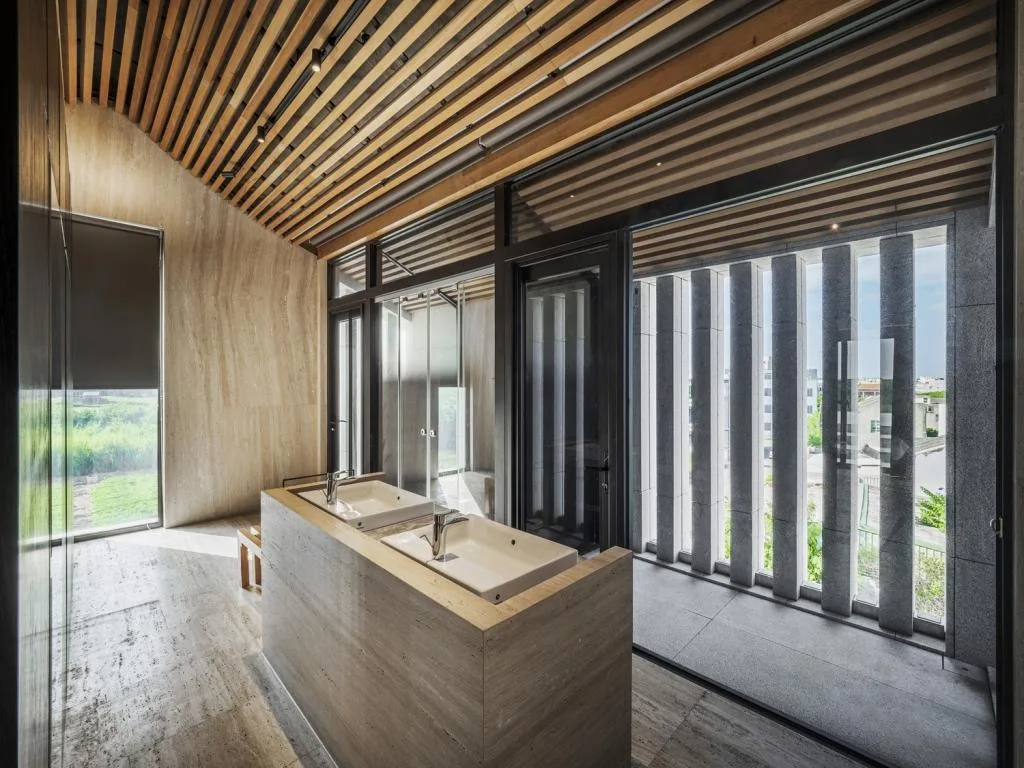
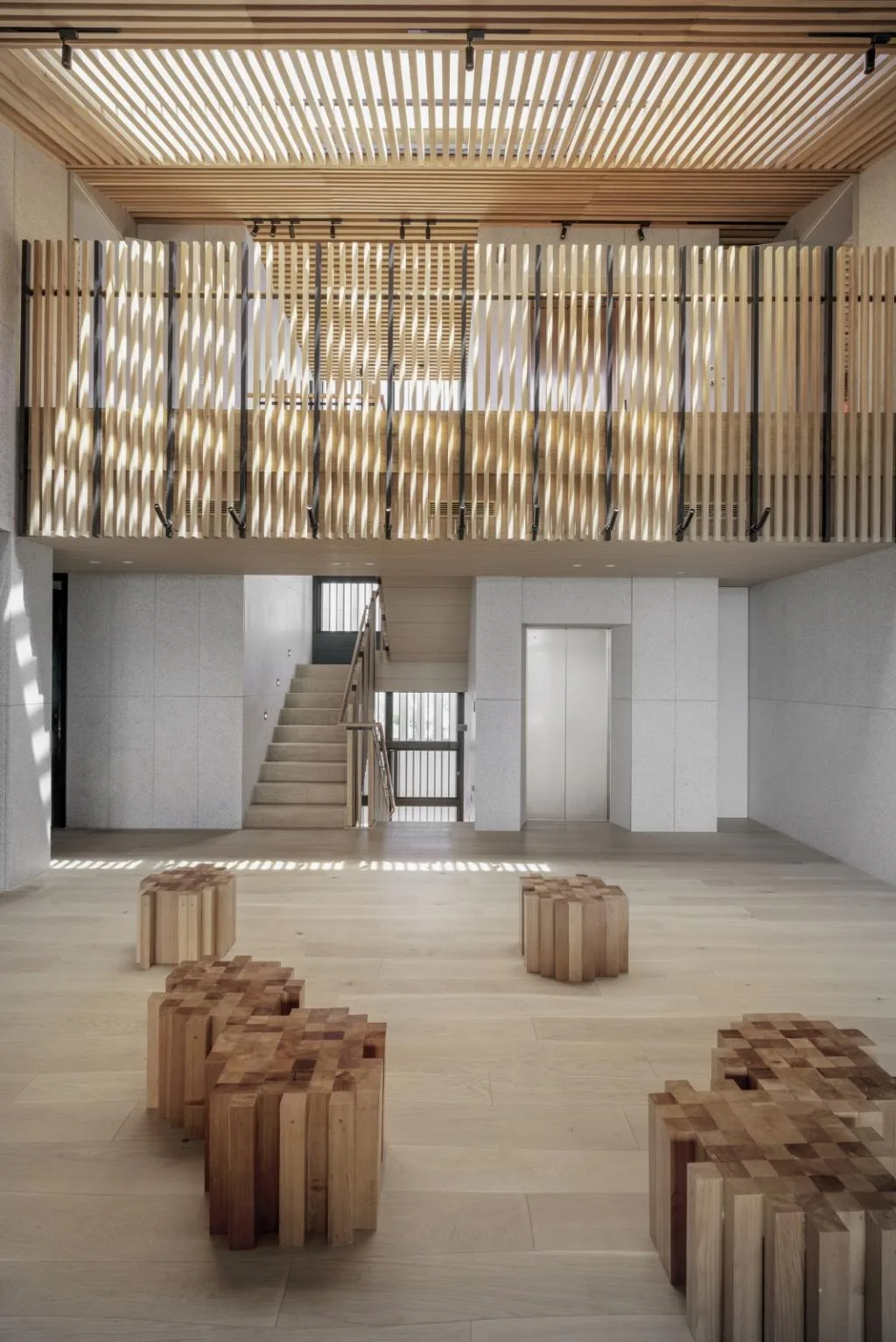
The traditional coral stone room’s column gaps have been reimagined as screens for balconies and terraces. Beyond these, floor-to-ceiling glass doors allow abundant natural light and ventilation.
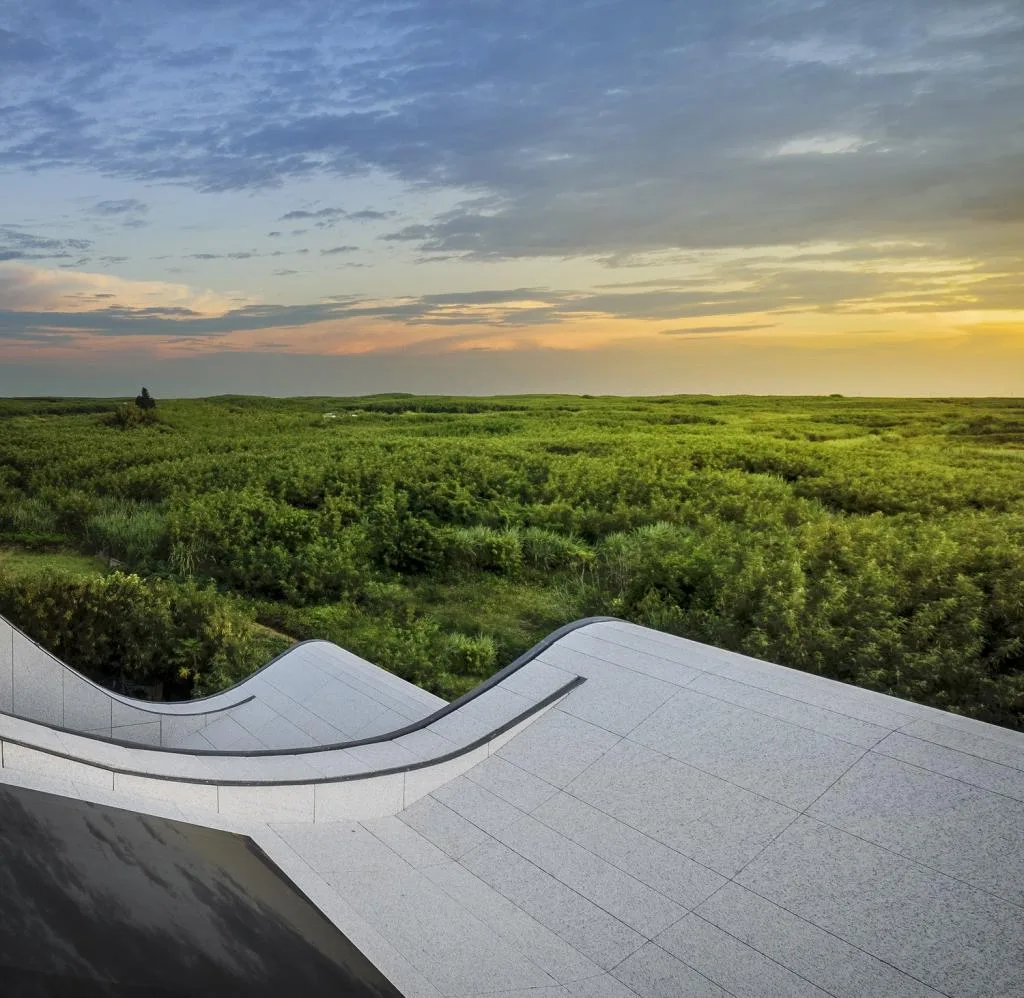
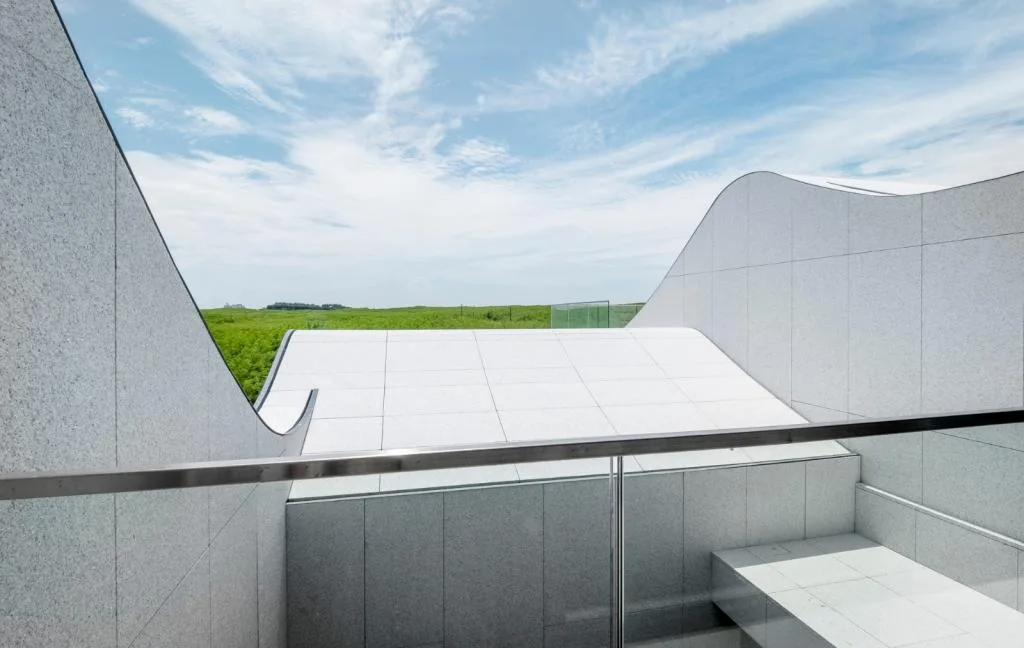
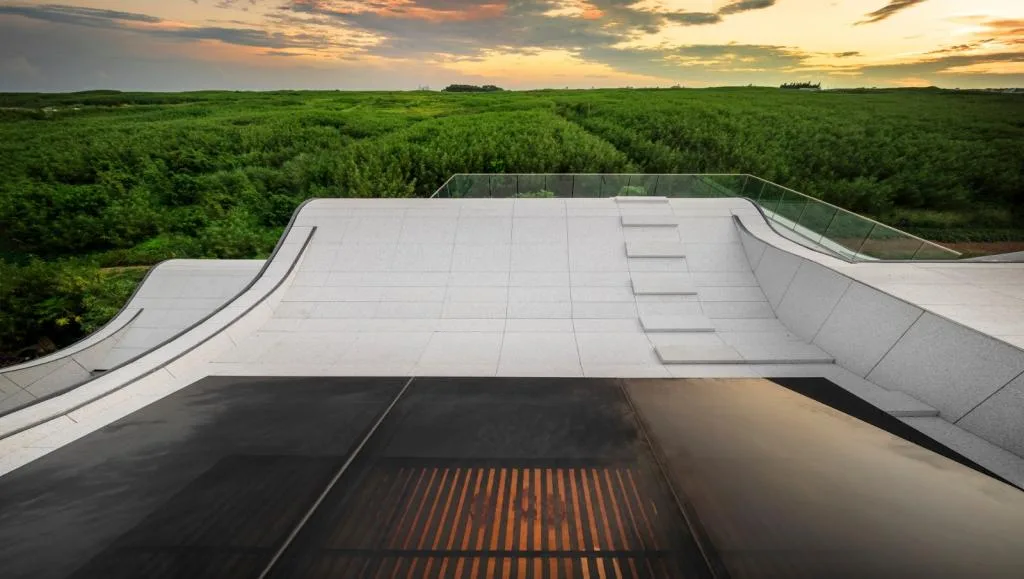
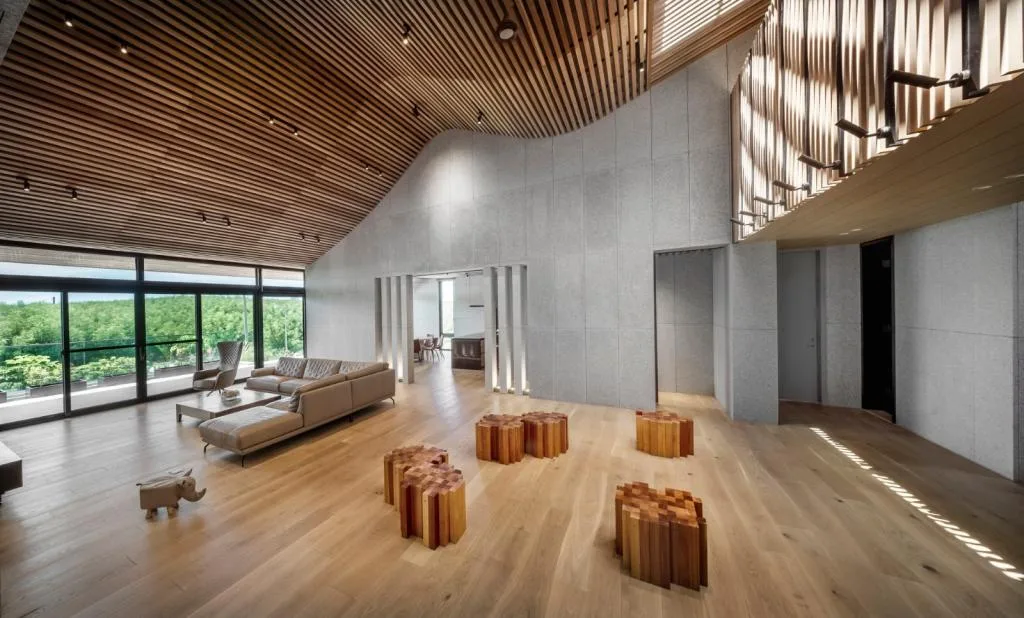
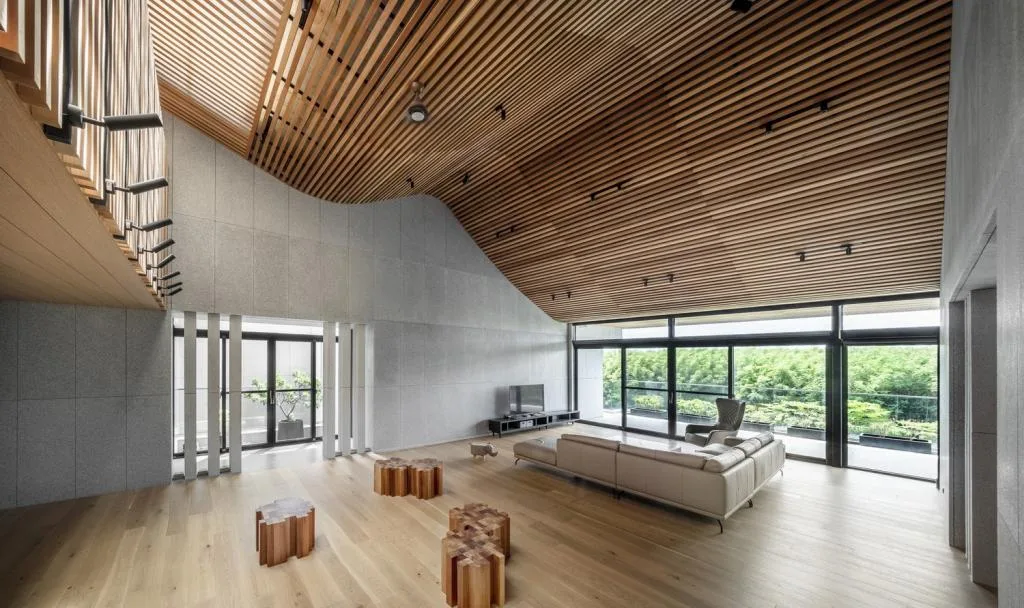
The central living space, standing 5 meters tall, faces the garden and creates an open, airy atmosphere. The eastern volume separates the parents’ bedroom and ancestral hall upstairs with a courtyard, while the western volume houses a restaurant and master bedroom on the top floor, offering stunning views of the curved roof below and the distant sea beyond.
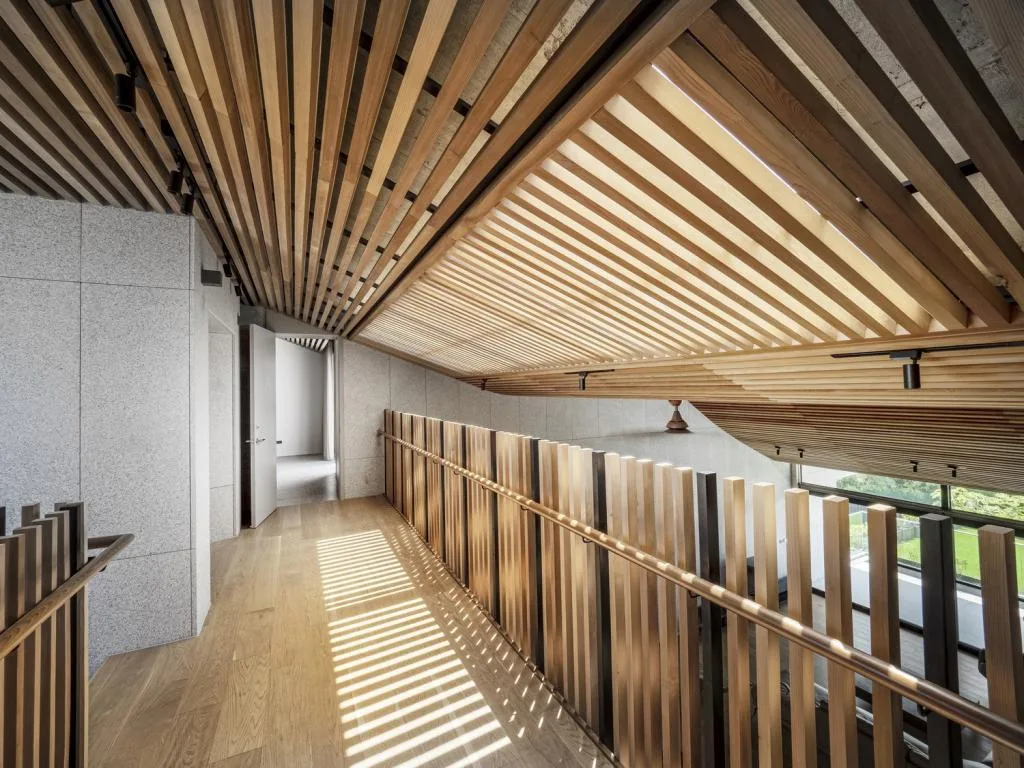
At the top floor, the three roof contours intersect, forming an undulating and continuous spatial experience with roof platforms, slopes, and ridge lines seamlessly connected.
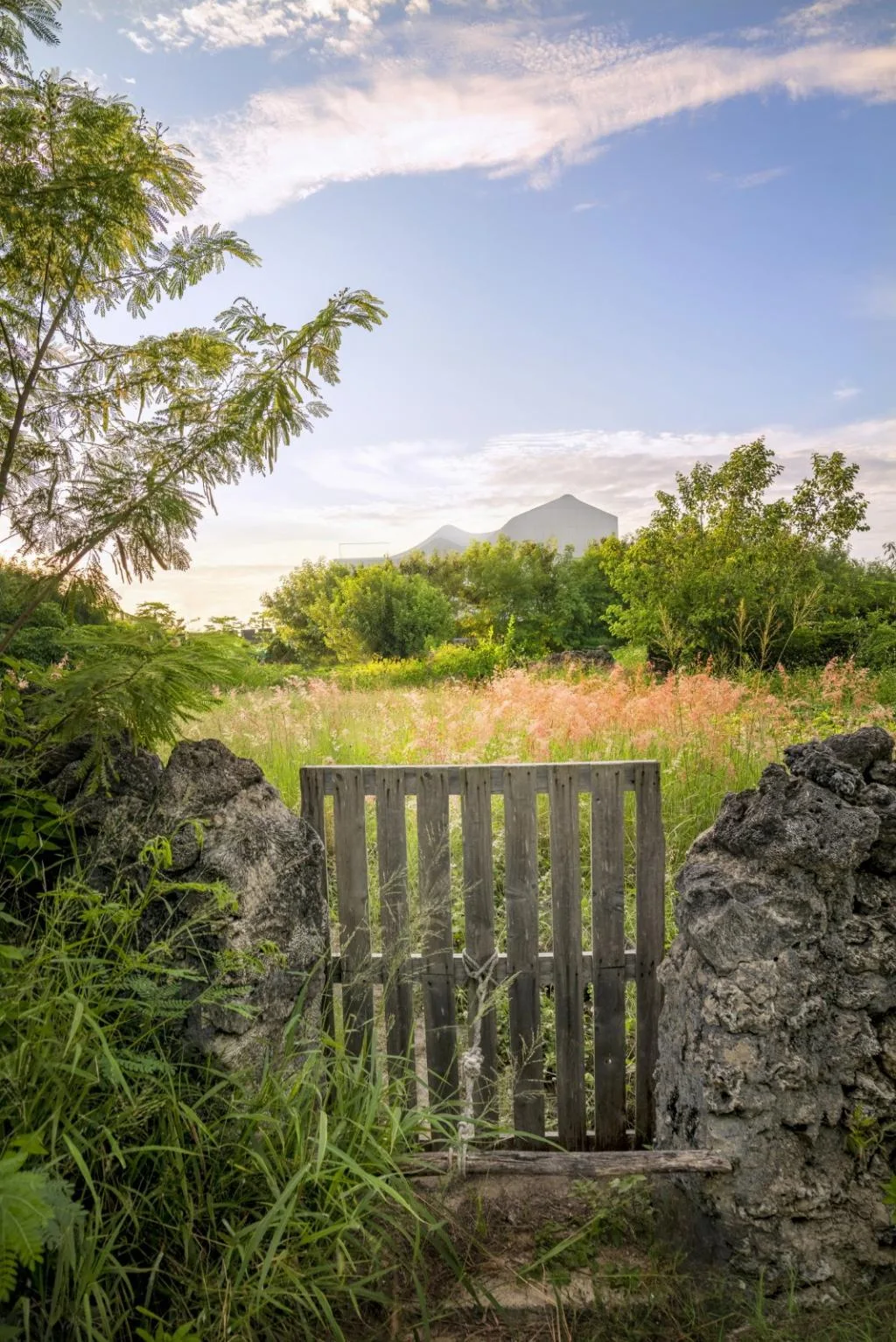
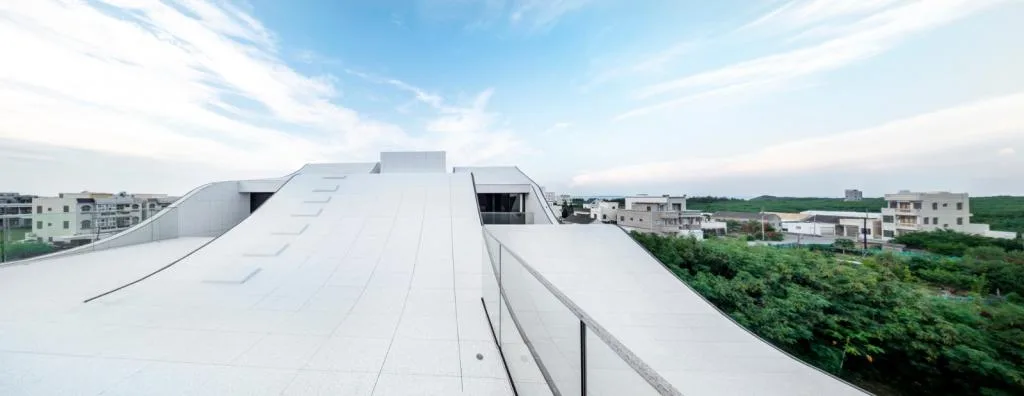
As part of the climate-responsive design, the windows on the northeast side are minimal to shield against harsh winter winds. On the south and west sides, deep cantilevered terraces with column gap screens reduce direct summer sunlight.
The roof panels and exterior walls are 30 cm thick, featuring a granite slab rain curtain system that provides extra insulation, protecting the home from scorching summer heat and strong winter winds.
The courtyard includes a natural water well and a small organic garden where the owners can cultivate crops.
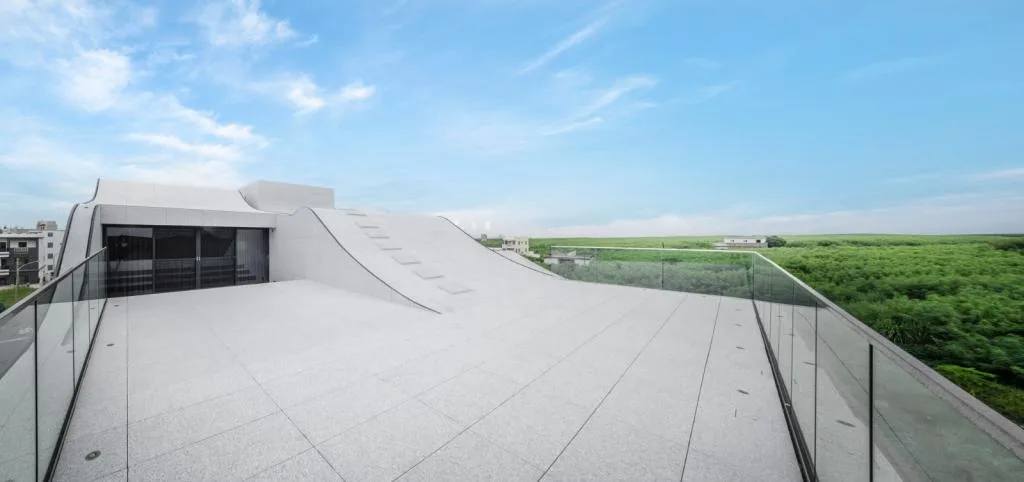
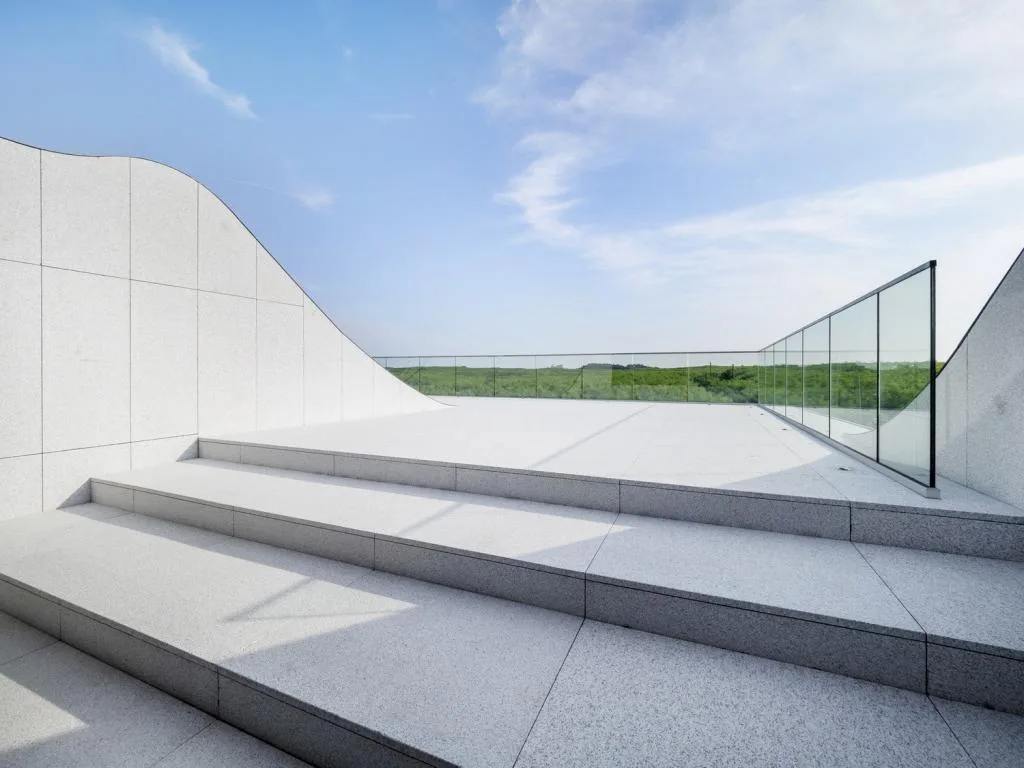
The design facilitates natural convection throughout the entire building, including mechanical equipment and pipelines. Even when outdoor temperatures reach 35°C, a natural breeze circulates indoors without the need for air conditioning.
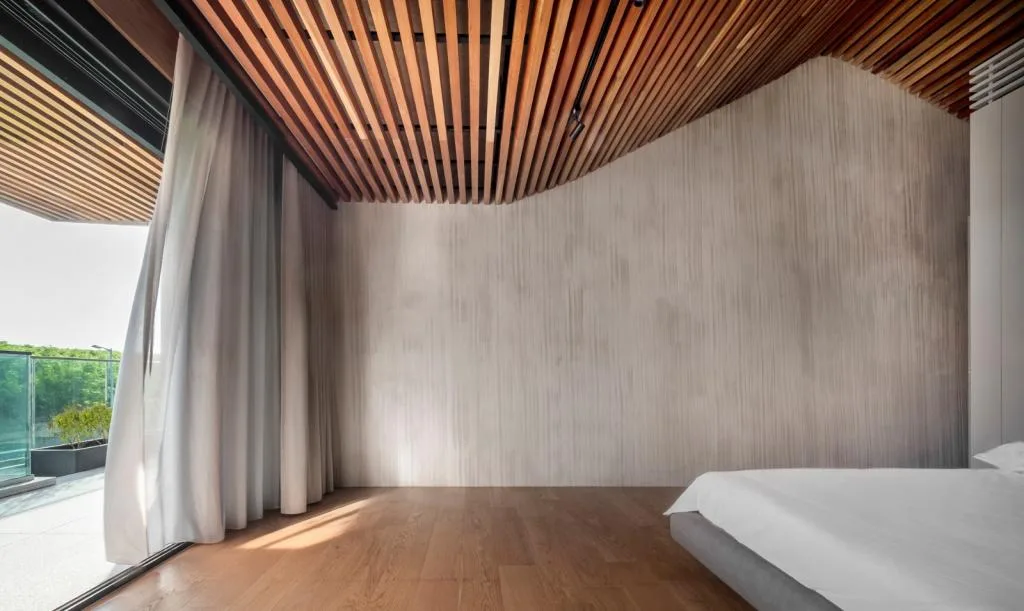
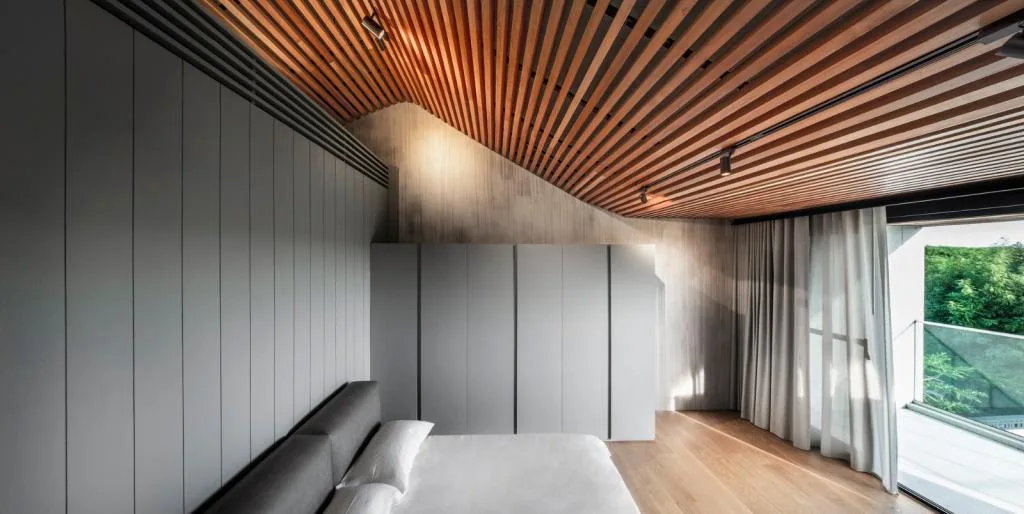
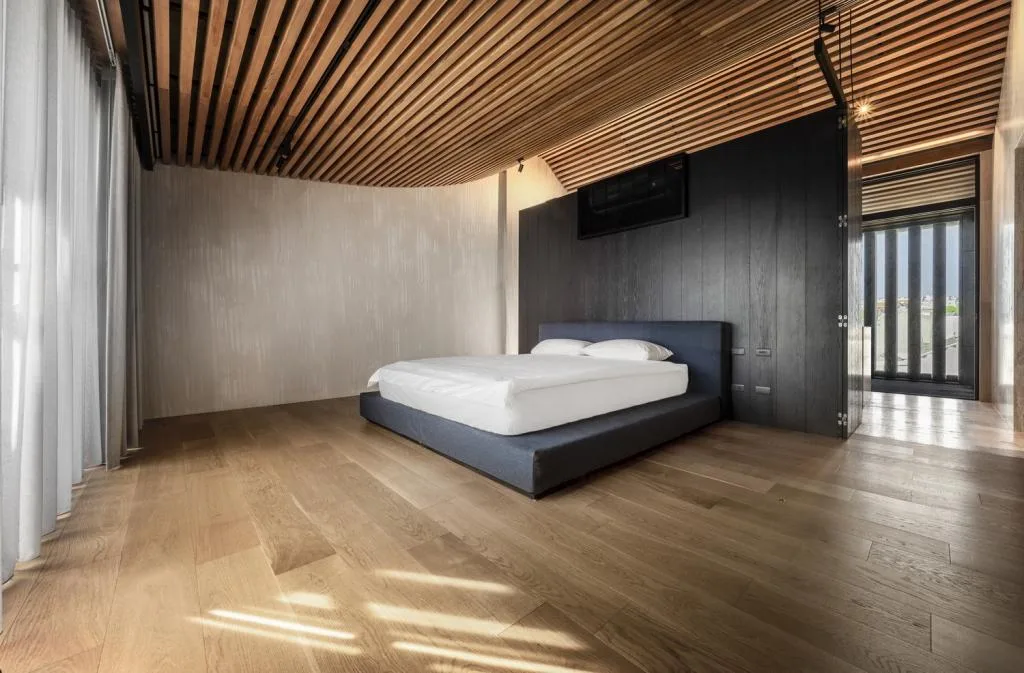
Natural clay coating on the bedroom walls helps regulate humidity, preventing common issues like mold or fungi under local climate conditions.
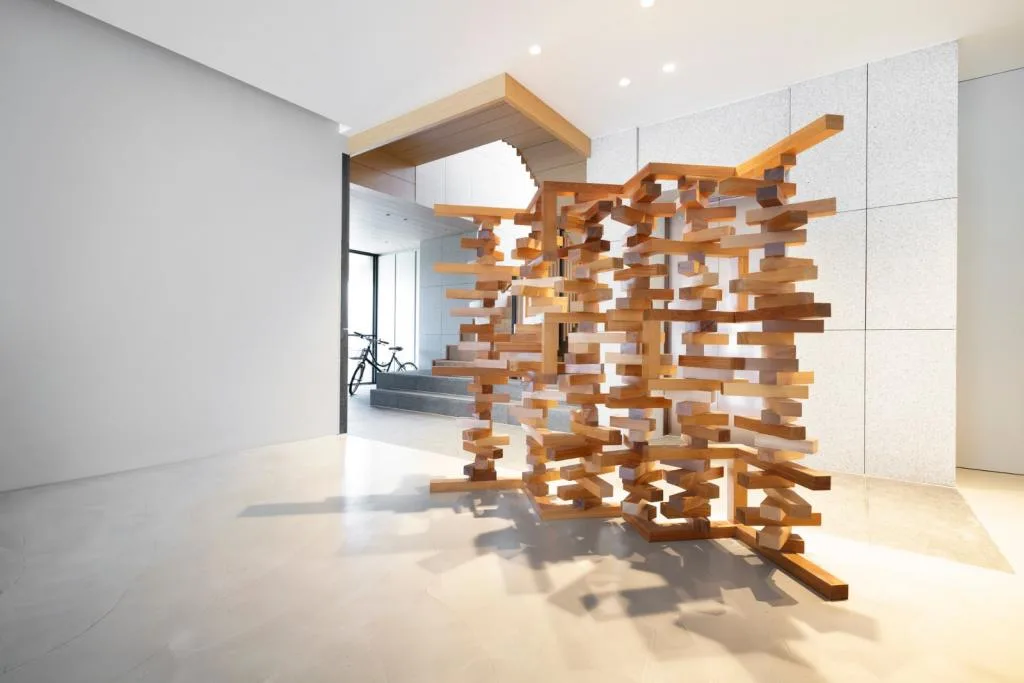
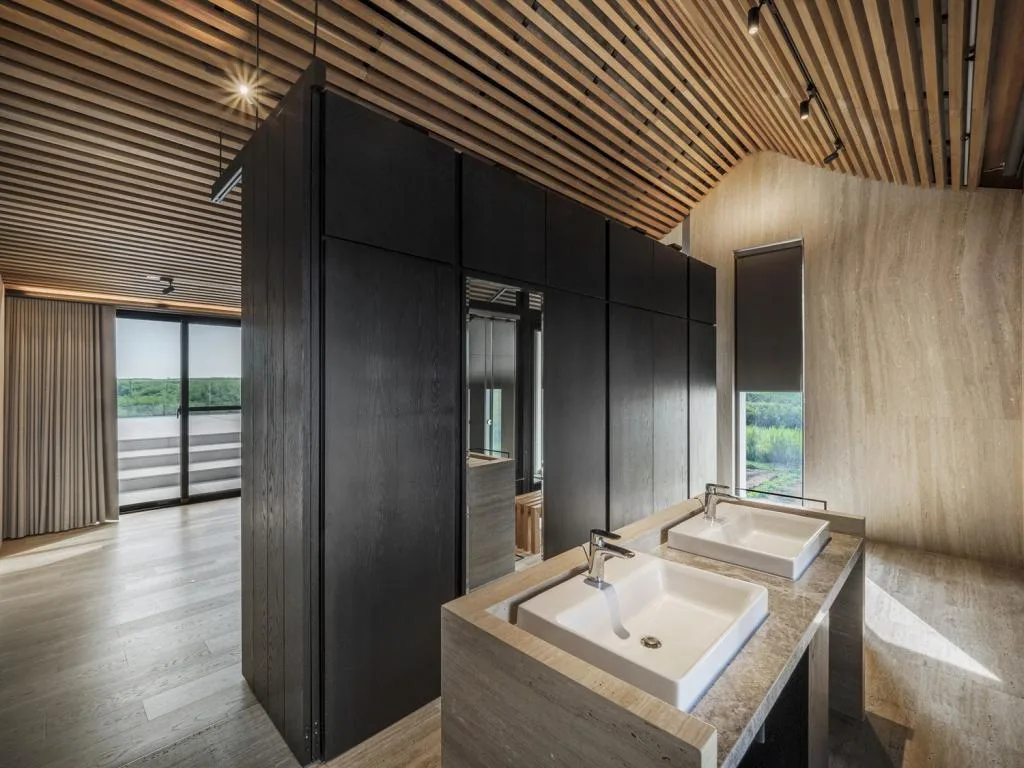
Camphor pine strips are installed beneath the curved roof, creating a warm visual effect and a distinctive aromatic identity. The cut wood is repurposed for making furniture and screens, adding sustainability to the design.
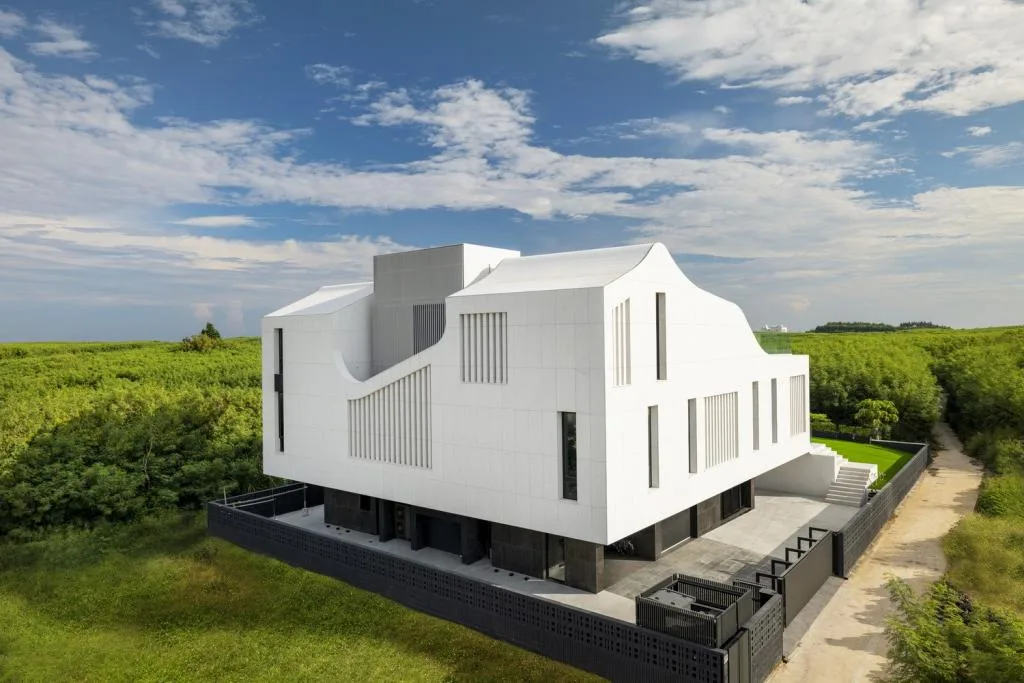
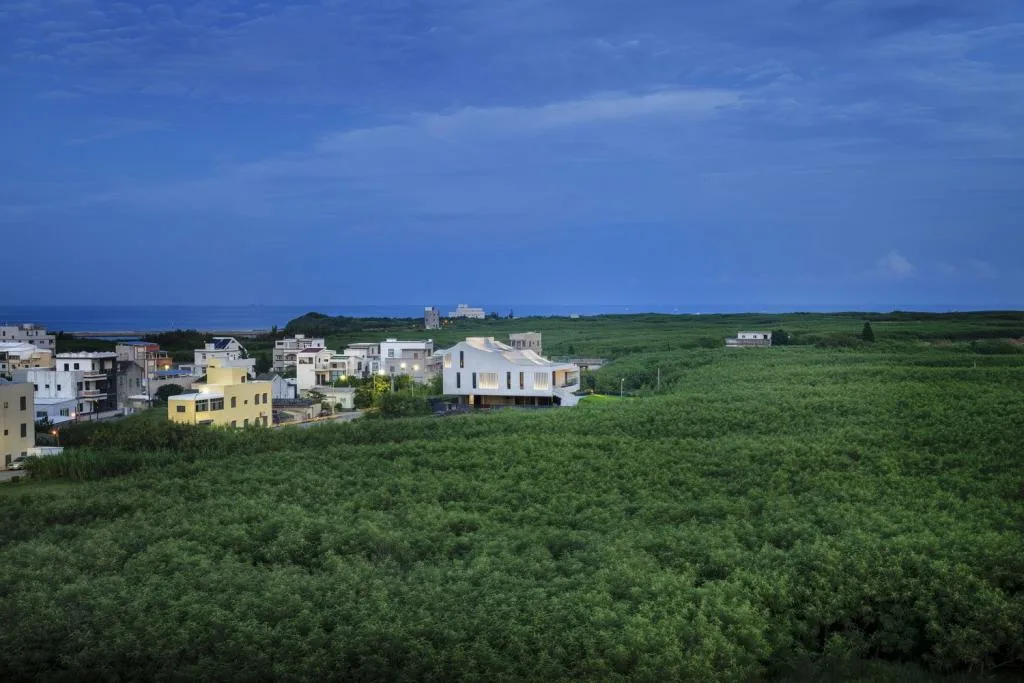
This project thoughtfully reinterprets traditional wisdom within a contemporary framework, creating a multi-generational residence that honors the local heritage while thriving in the unique environment of the Penghu Islands.
Project Drawings
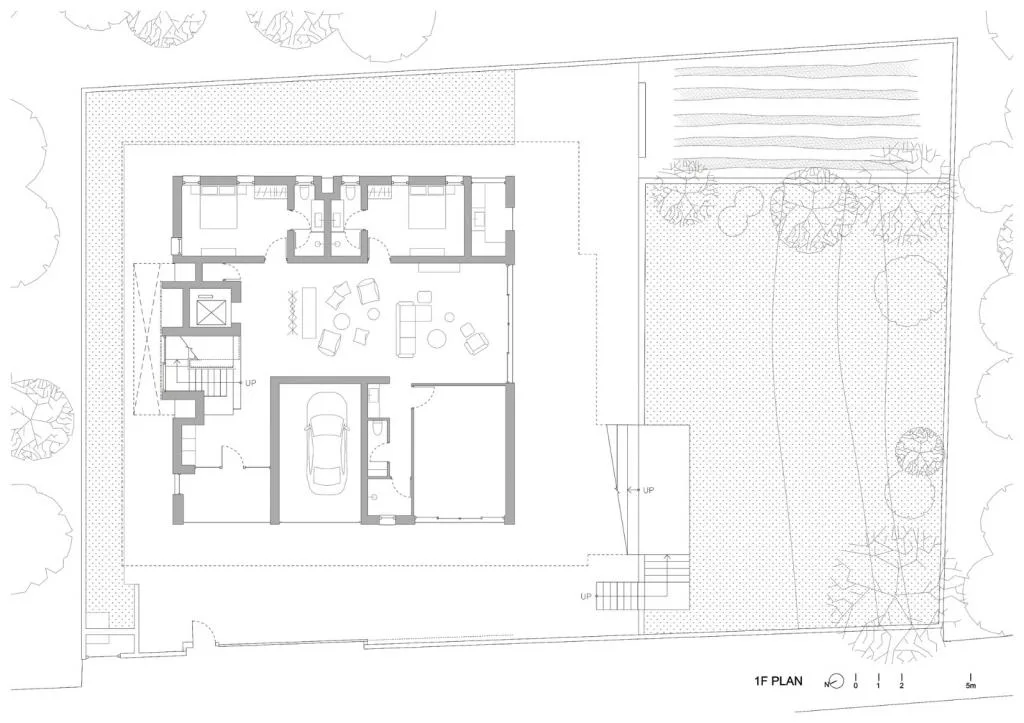
△ First Floor Plan
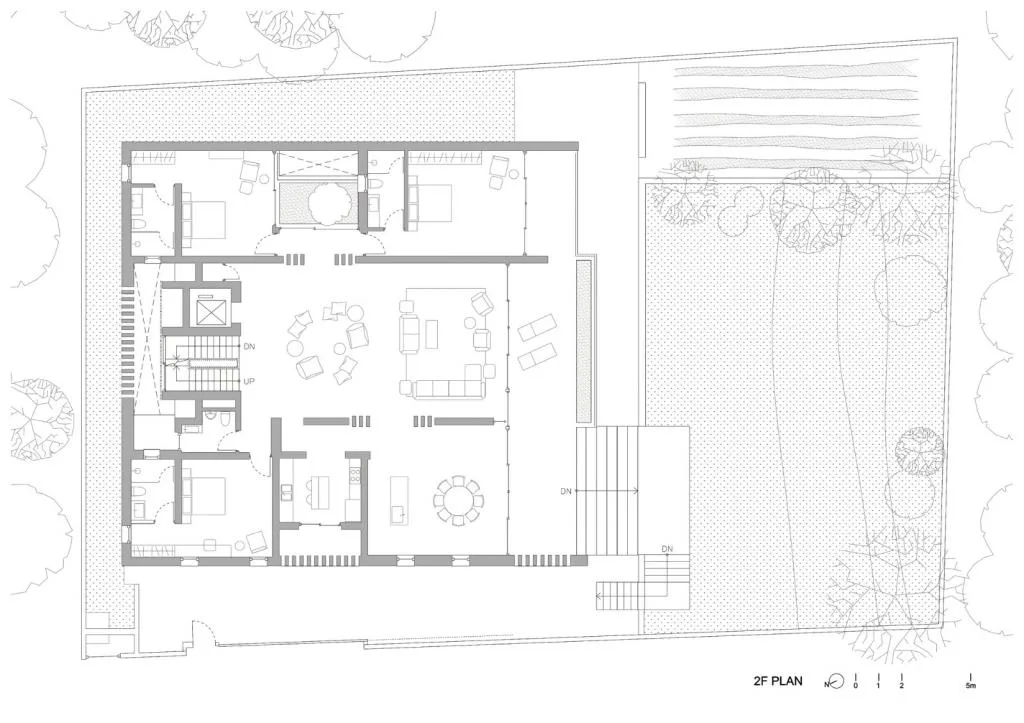
△ Second Floor Plan
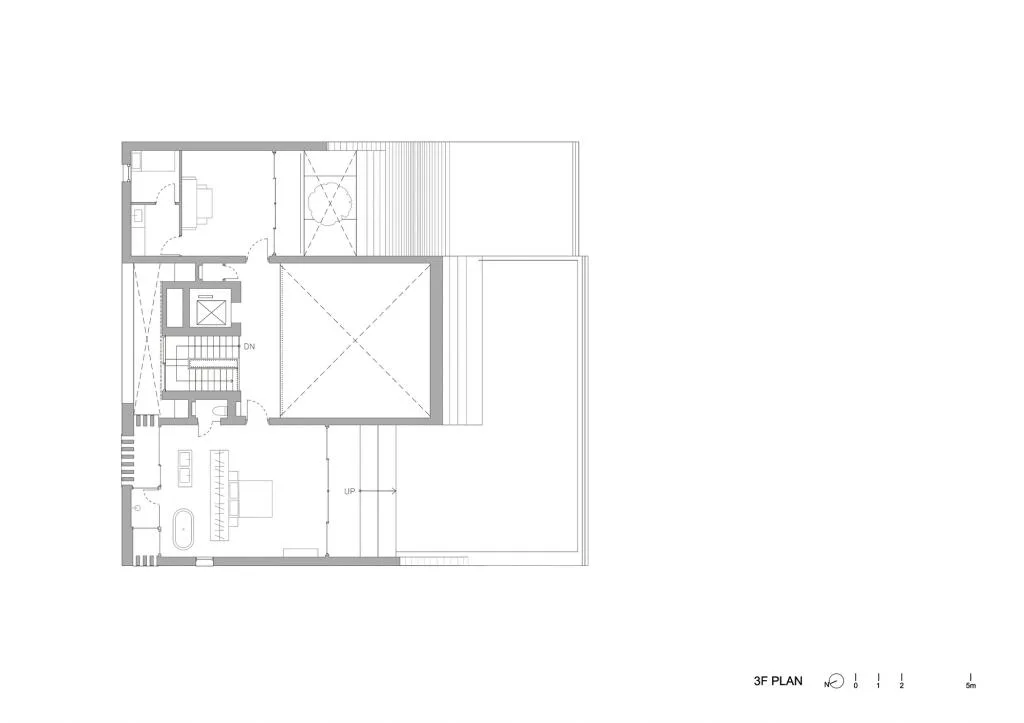
△ Third Floor Plan
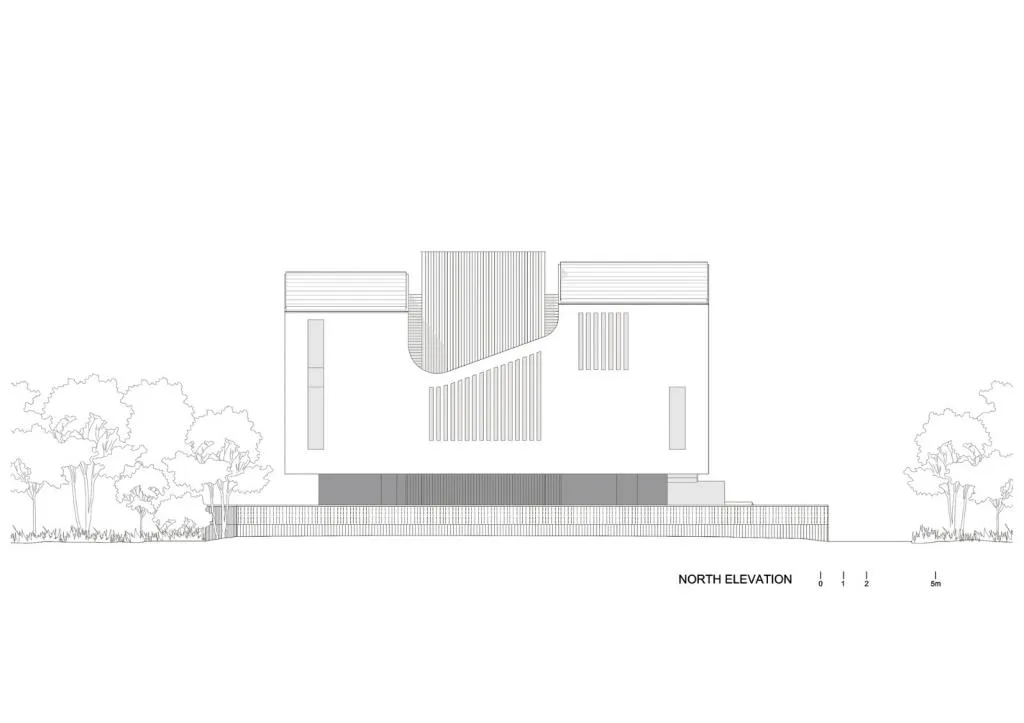
△ North Elevation View
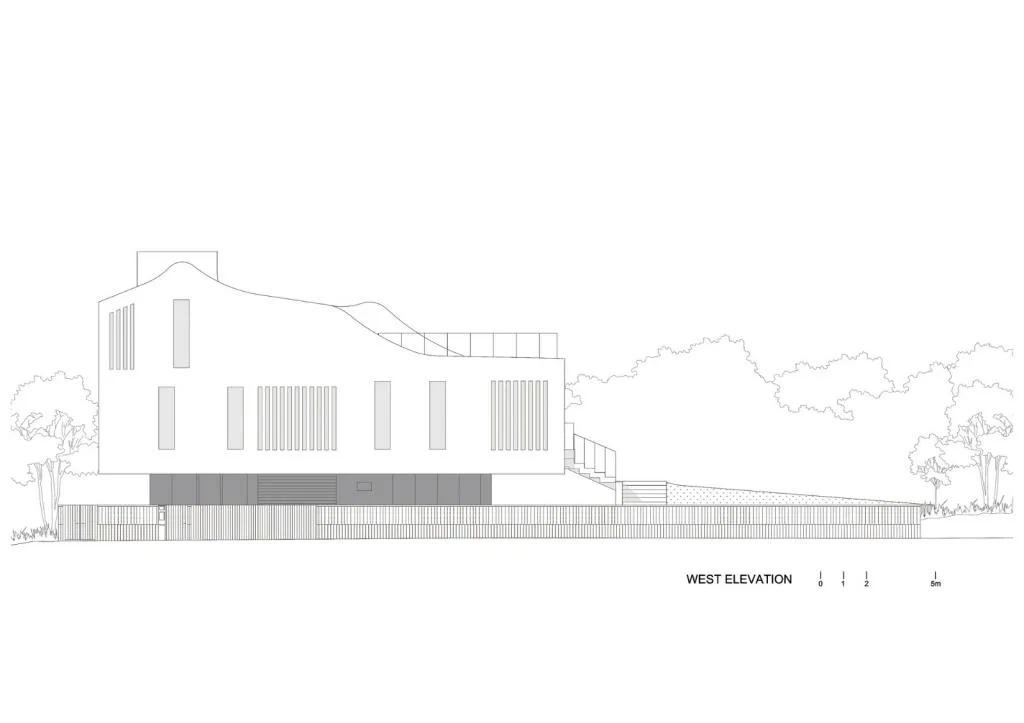
△ West Elevation View
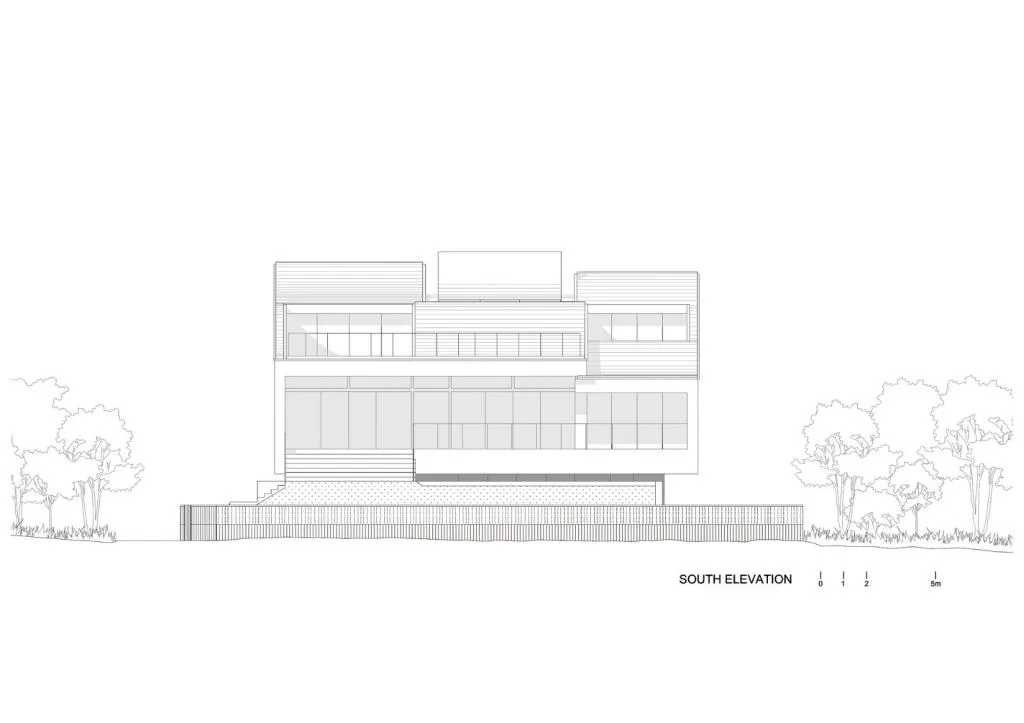
△ South Elevation View
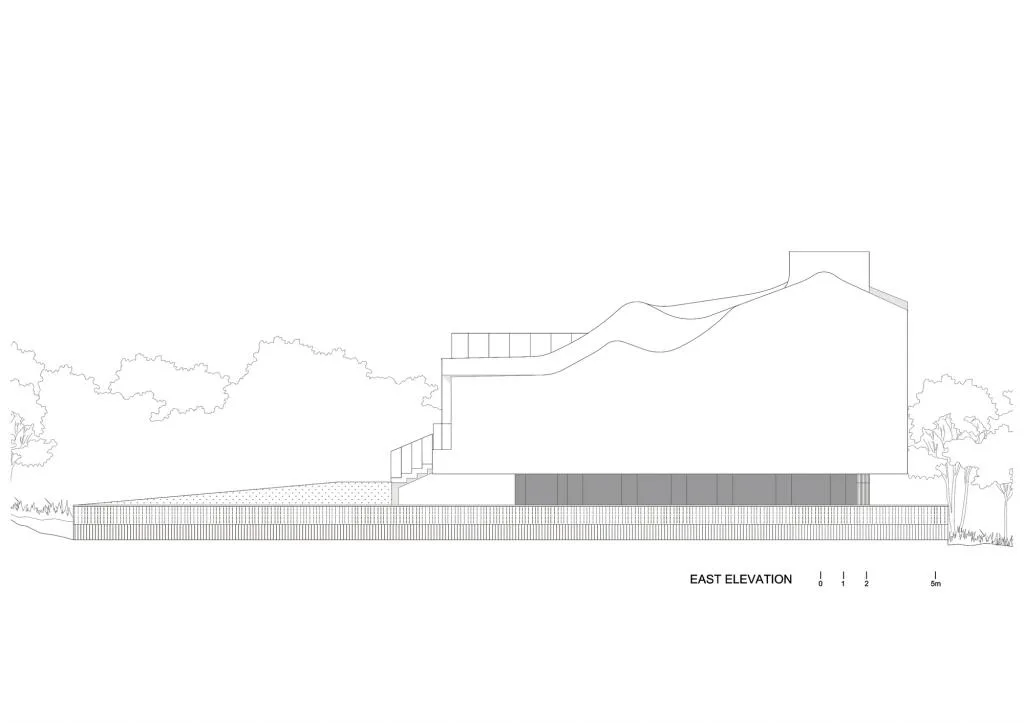
△ East Elevation View
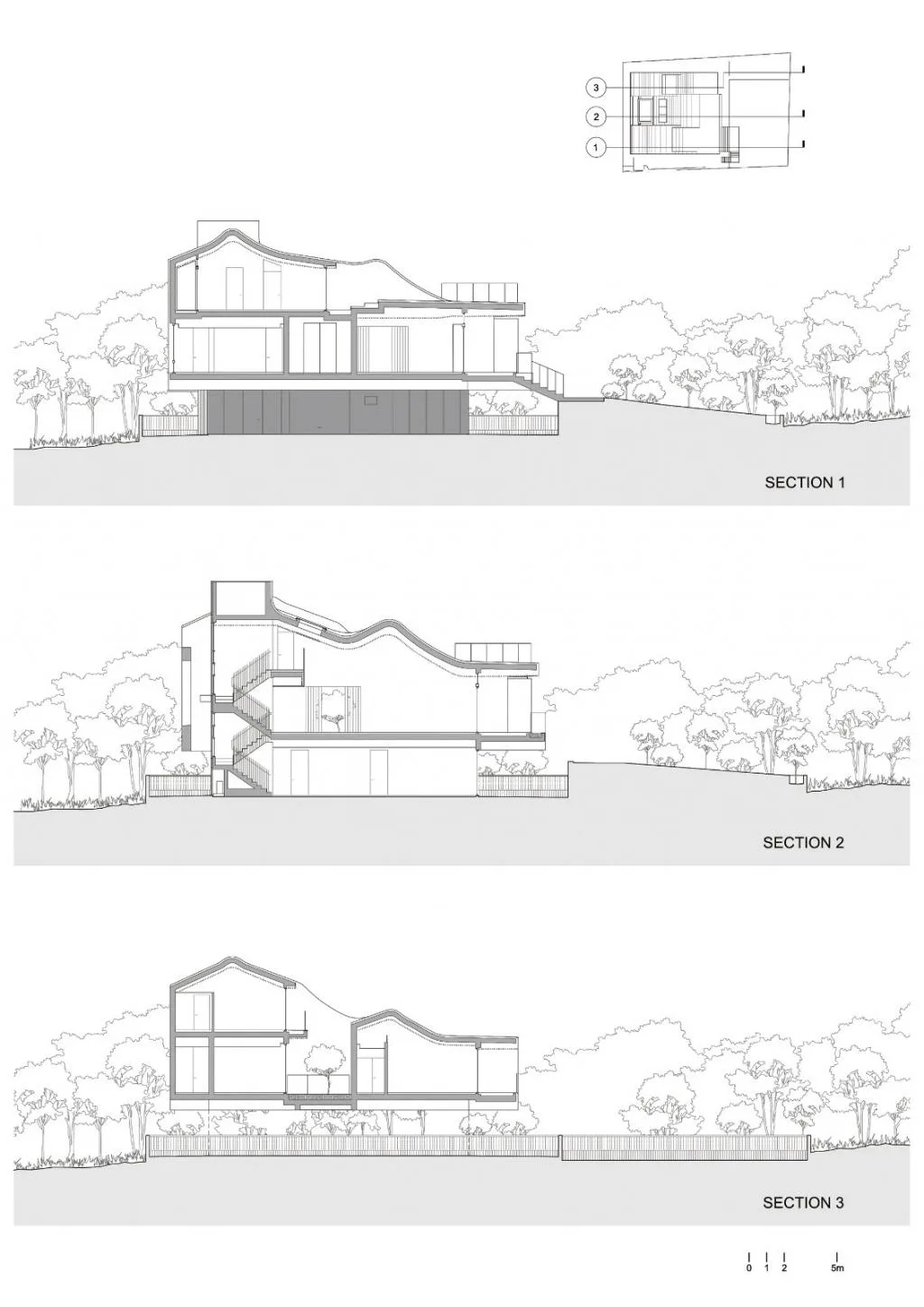
△ Section Diagram
Project Information
Architectural Design: XRANGE Architects
Area: 645 square meters
Project Year: 2019
Photographer: Li Guomin
Lead Architect: Grace Cheung
Location: Penghu Islands, Taiwan, China














Must log in before commenting!
Sign Up