
Donald Norman once said, “Emotional design is divided into three levels: instinct, behavior, and reflection.” Every aspect of interior space design aims to evoke emotional responses in its audience. We believe that architecture and interior spaces should embody a strong sense of place, considering the emotional impact on people and maintaining continuity with the building itself, its regional context, and surrounding environment.
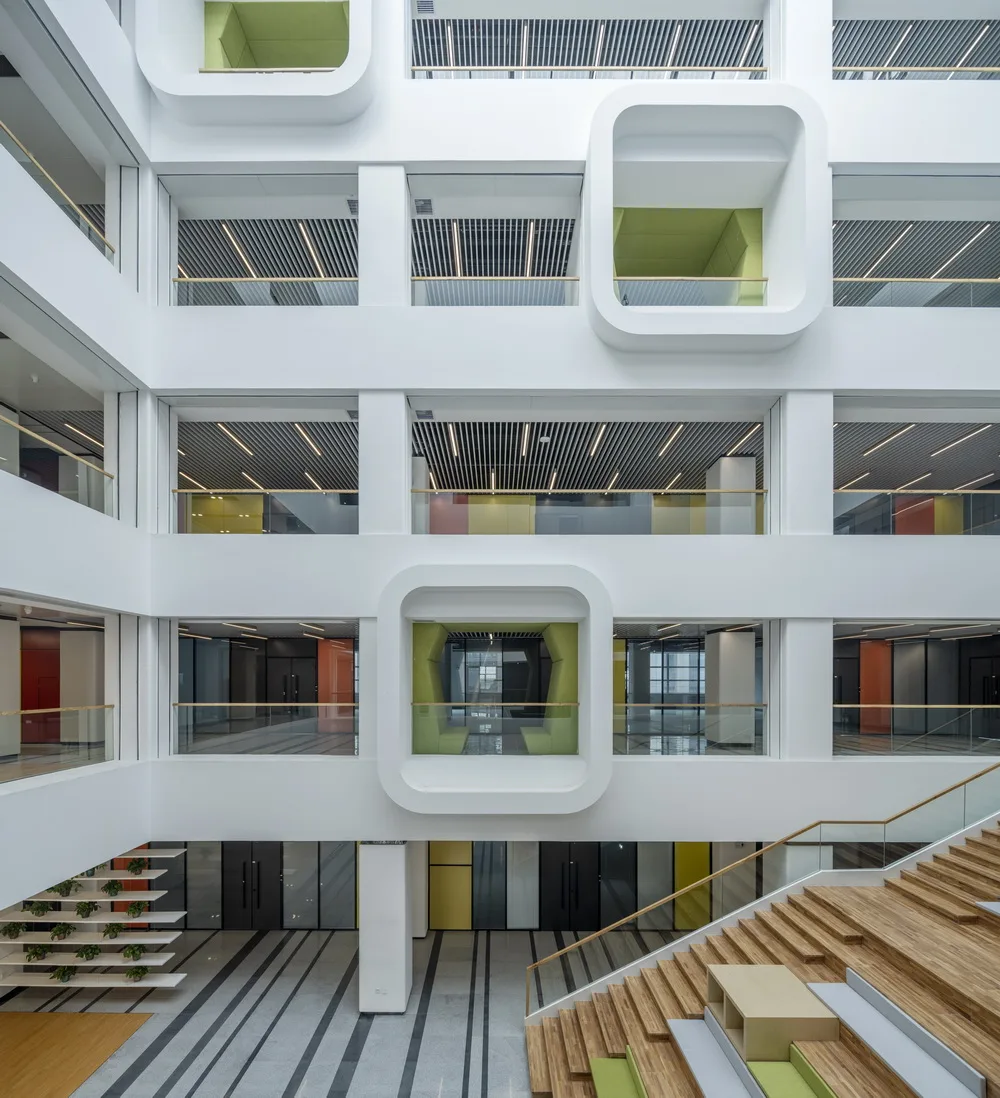
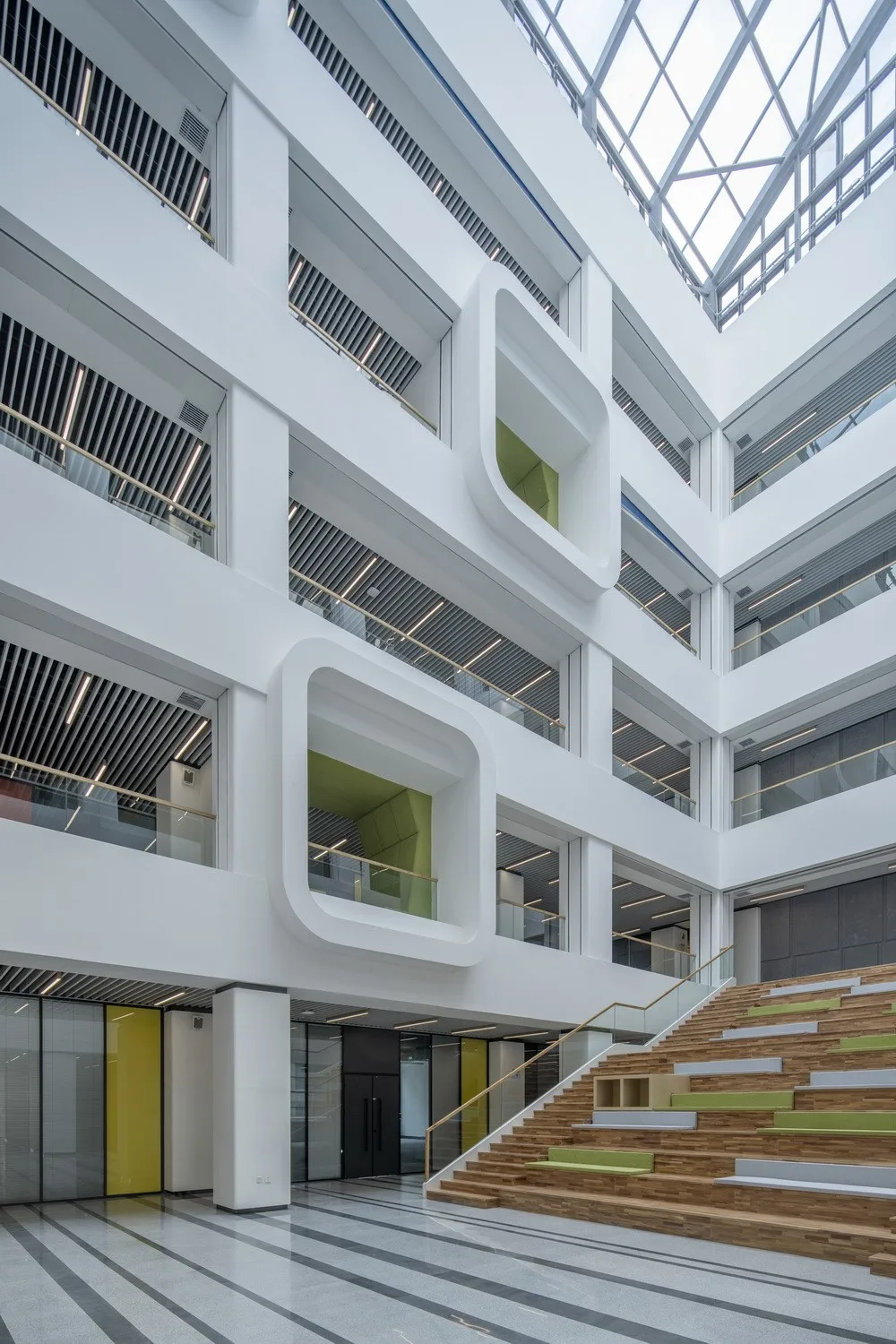
△ Rainbow matrix and floating window on the north side of the atrium
ONE | Emotional Place, Floating Fantasy City
Floating worlds, fantasy cities, colorful platforms, and free green islands come together to create a unique spatial experience.
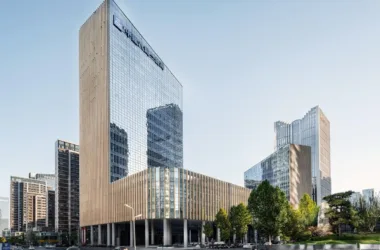
Although “emotion” can seem like a vague concept, for designers who connect people with time and space, the emotions embedded in design are far from empty. This project, located in the Xinglong Comprehensive Bonded Zone of Changchun, offers office spaces for cultural and creative high-tech enterprises.
What spirit embodies a place designed to nurture cultural and creative industries? Creativity demands infinite imagination, and work should be colorful and joyful. To capture this, we created four spatial atmospheres: diversity, freedom, fantasy, and vitality. We also ensured continuity between the building and its surrounding environment by incorporating elements such as floating forms, a rainbow matrix, and dimensional walls.
Technically, the design employs a floating structure without visible supports and includes three floating windows in the courtyard.
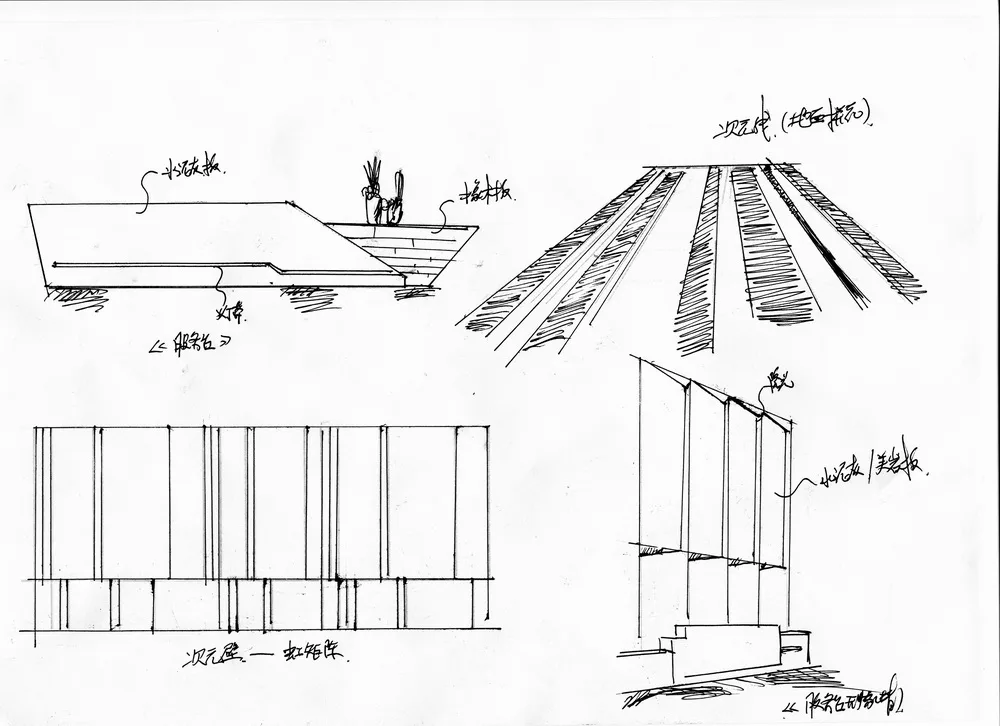
△ Element extraction sketch
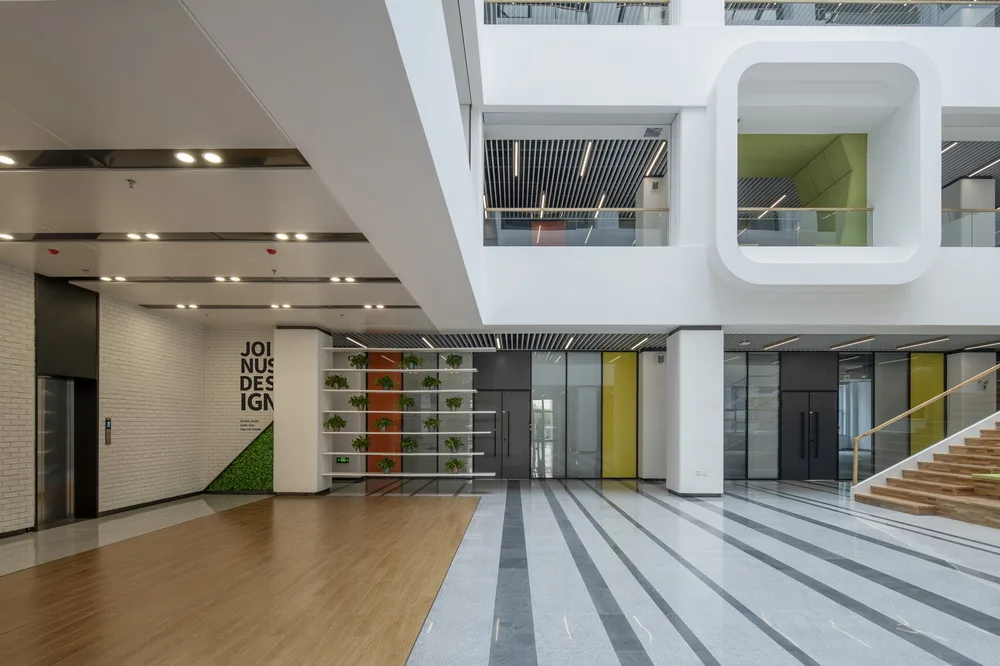
Transition between the first-floor elevator and the atrium space
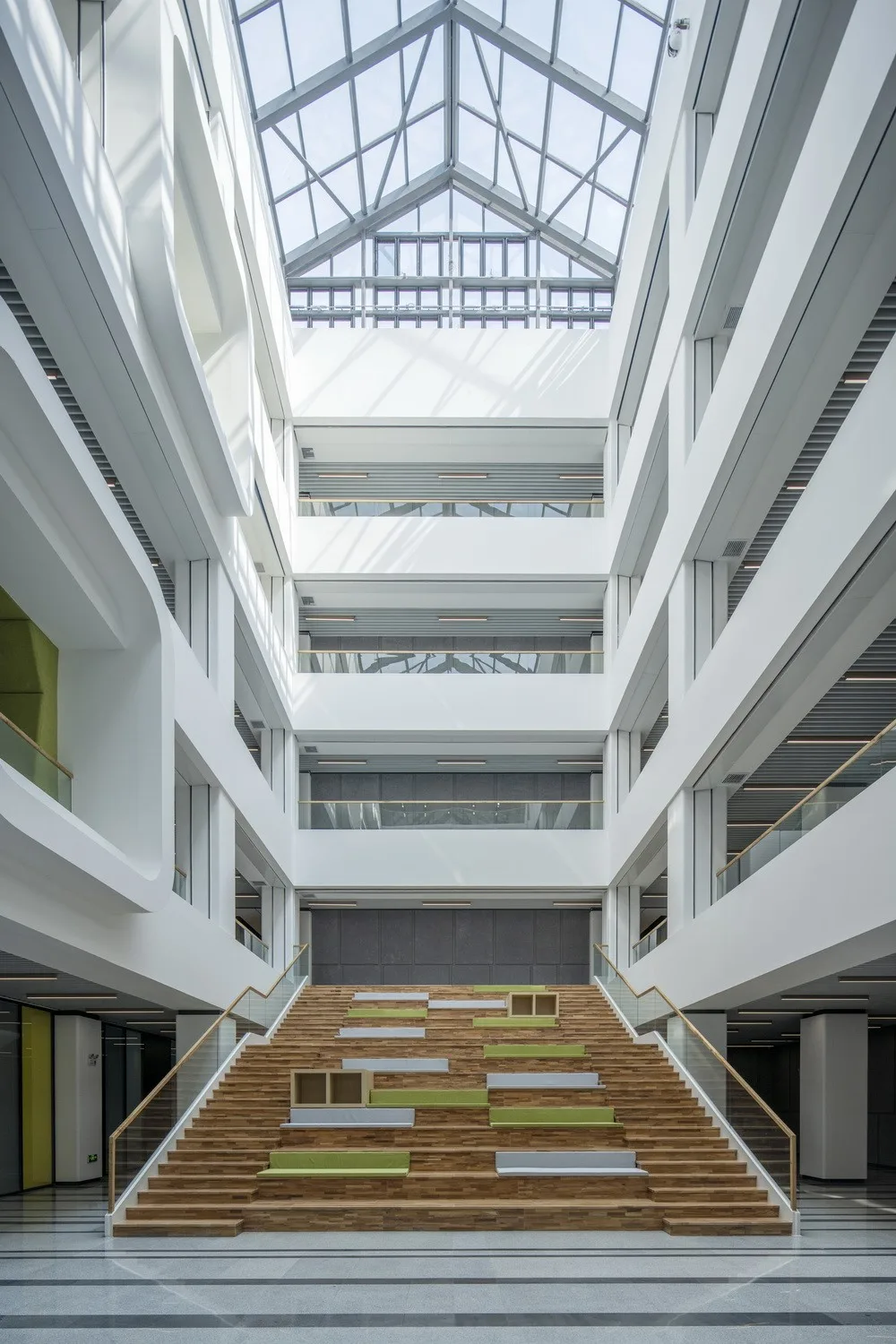
△ Diversified leisure ladder and publishing space
TWO | Building Emotions with Space
The overall space is divided into four categories: core public space, office space, communication community space, and auxiliary space. Each corresponds to a distinct emotional atmosphere and spirit of place: the tranquility of public spaces, the enthusiasm in office areas, the exchange of ideas in community spaces, and the calmness of auxiliary zones.
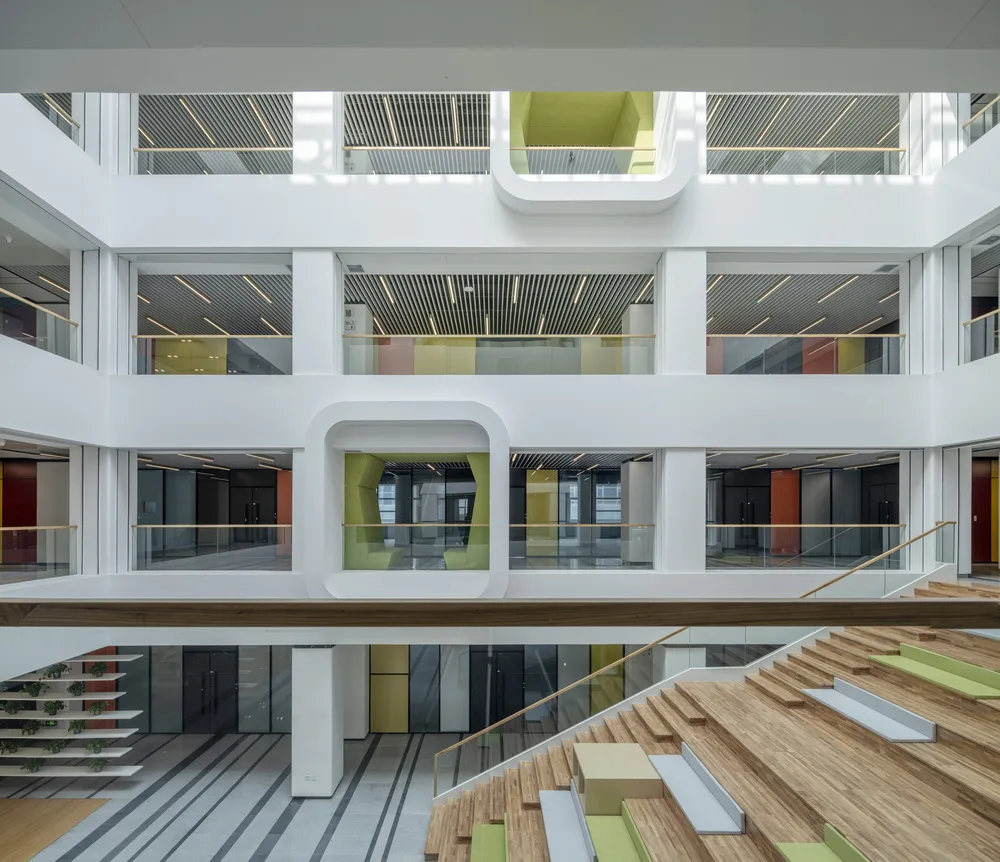
△ Second floor interior courtyard view
Straight lines and shuttle sequences create stability, with the entrance and reception desk serving as guiding points. The colorful rainbow matrix expresses a free and open entrepreneurial spirit; curved floating windows add a sense of tolerance and relaxation. In areas like reception, communication, and publishing where extended face-to-face interaction occurs, the design reduces emotional stress, slows the pace, and fosters a soothing, friendly environment.
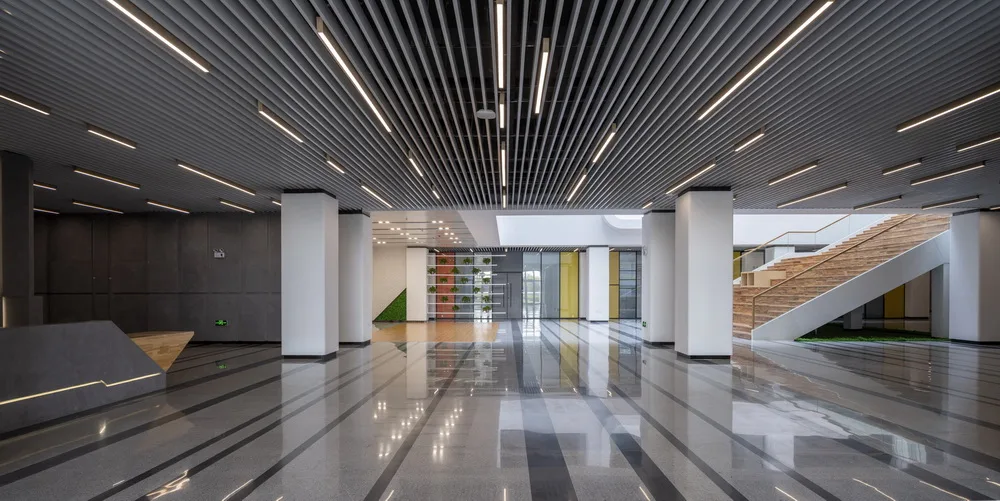
△ Shuttle sequence space at the entrance, first suppress then rise
The interplay of straight and curved lines avoids rigidity or strict functional zoning. Instead, it seeks the best balance for unity of opposites. Straight lines, often embedded within curves, emphasize each other and serve as channels connecting spatial dimensions.
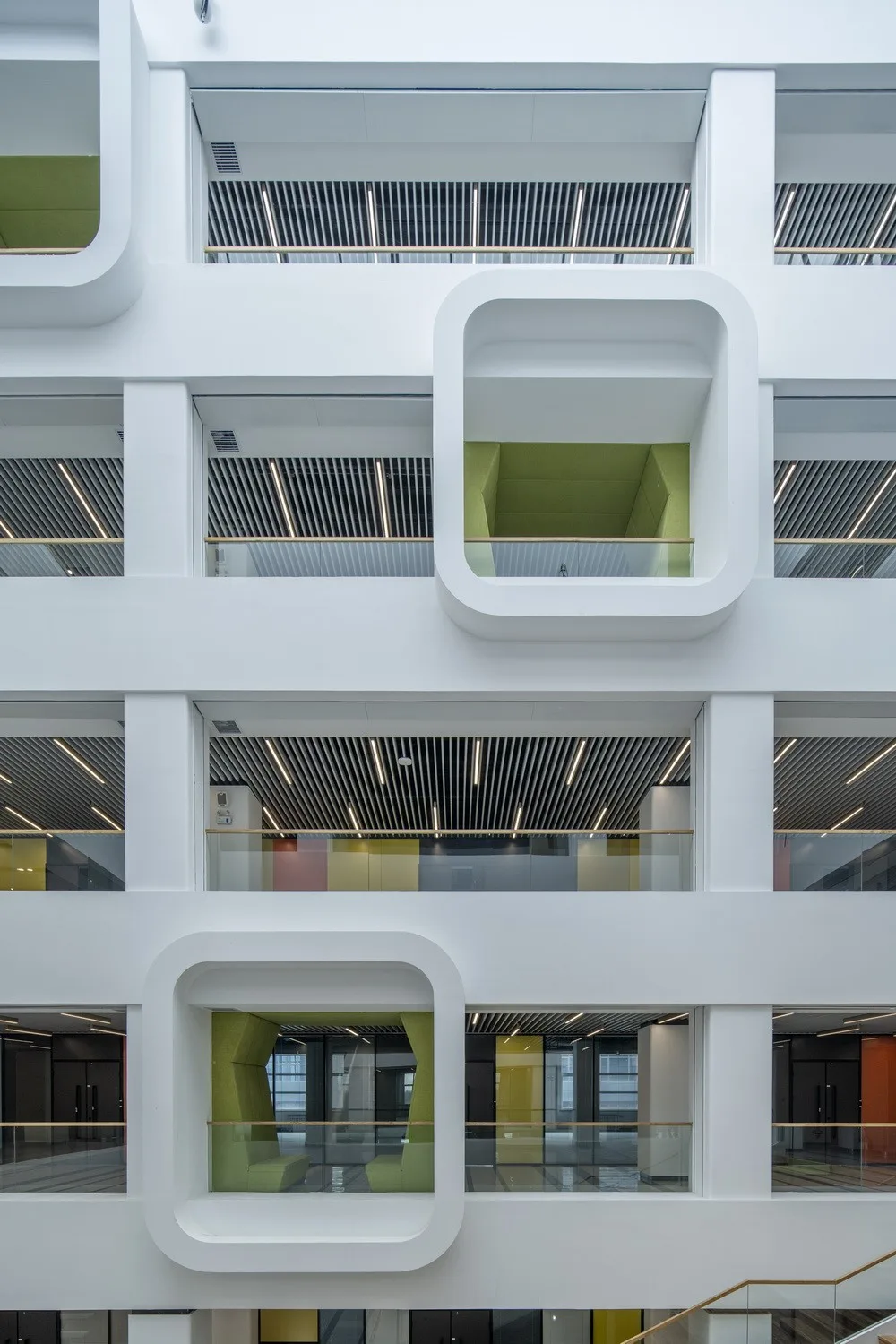
△ Floating window details
The Connection between Color and Emotion
Color psychology plays a vital role in interior design. Colors can evoke emotions and compensate for personality traits, helping to define and develop a space’s character. Successful color design balances intimacy and distance, always grounded in human psychological responses.
Different colors trigger unique emotional reactions. For example, orange stimulates vitality and fosters a sense of joy, uplifting the mood. Yellow enhances logical thinking, while white symbolizes purity and helps regulate emotions, maintaining balance. Wood and green tones evoke vitality and growth, aiding relaxation, stabilizing emotions, and reducing eye fatigue.
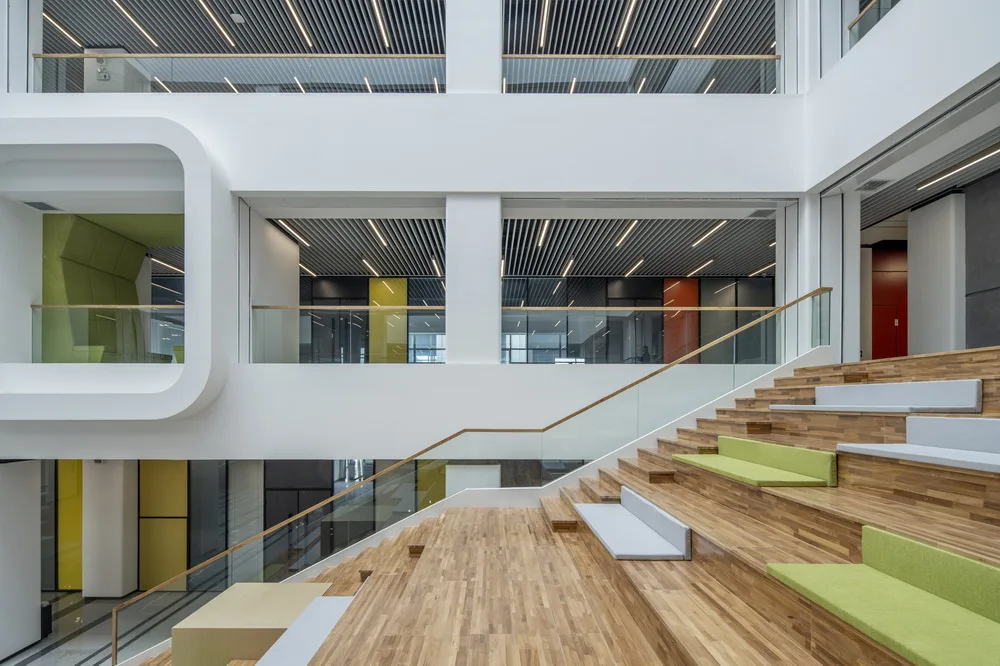
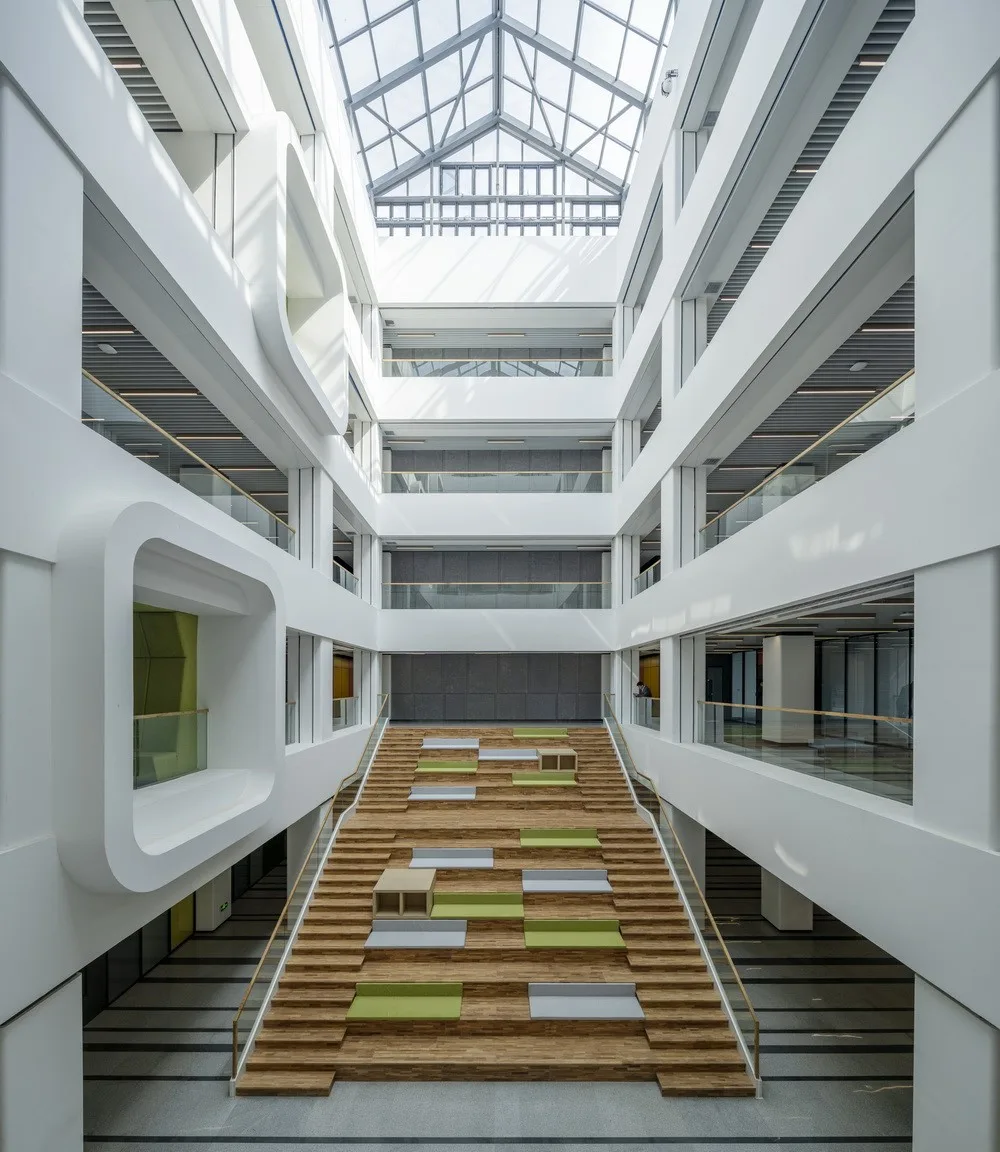
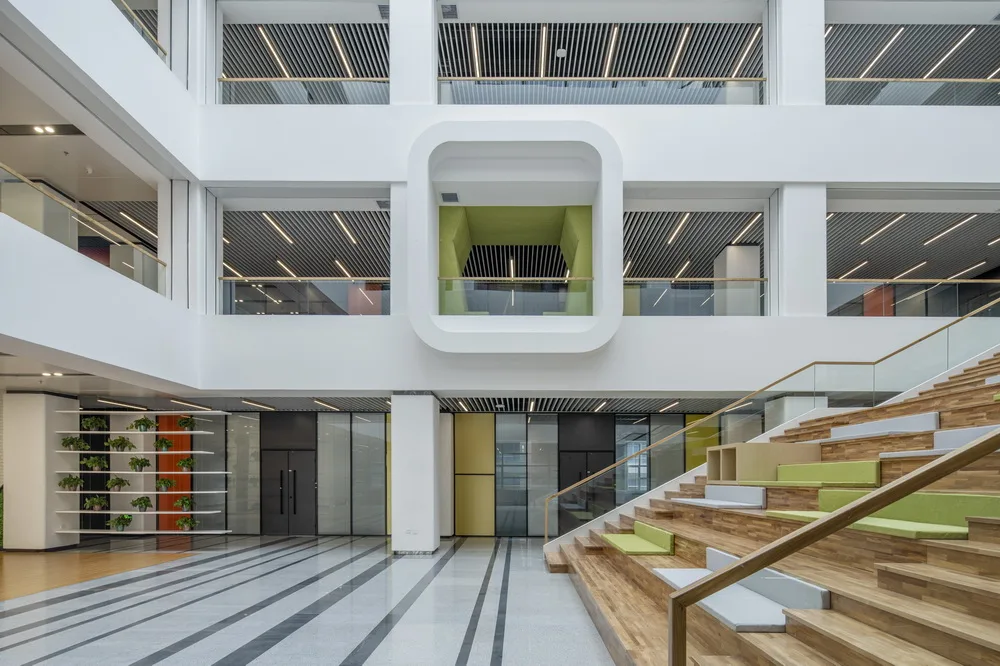
Changes in the space on one side of the atrium
FOUR | The Charm of Material Texture Collaboration
The harmony, layering, and resonance of materials guide the flow and elevation of emotions. This project integrates numerous materials and textures with natural affinity and vitality to awaken rich sensory experiences including sight, touch, and smell.
The Qinghuanggang rock flooring contrasts with the cold feel of standard marble or tiles, offering elegance and dynamism. Extensive use of wood adds warmth and tranquility. The delicate interplay of shadows creates softness, elegance, and comfort throughout the space.
Sustainability, environmental friendliness, renewability, plasticity, and artistic value were all considered in material selection, enhancing the design’s appeal. However, managing unpredictable variables remains a challenge for designers.
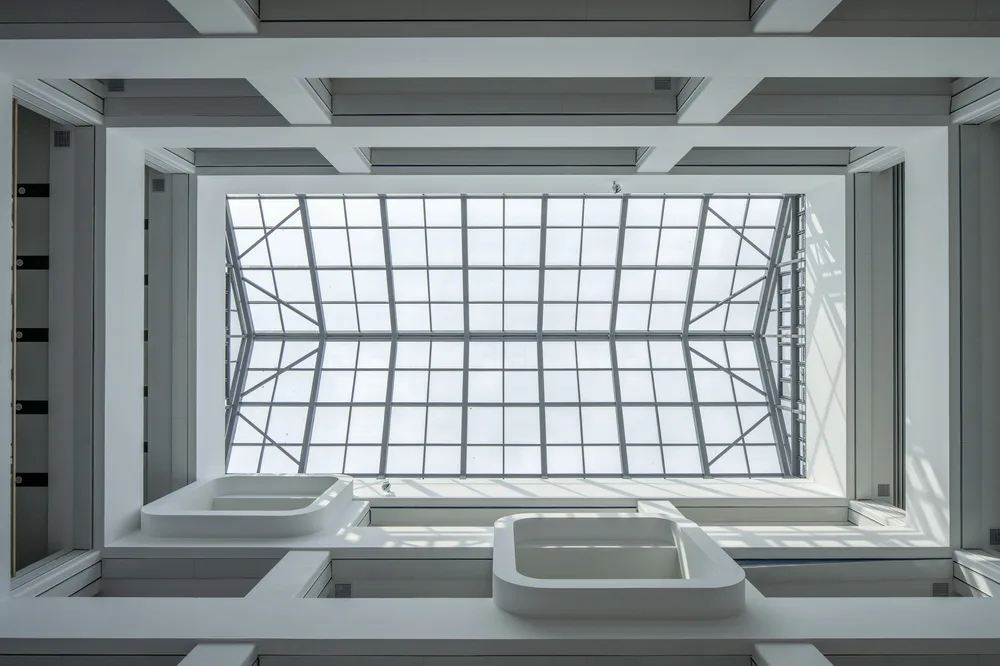
△ Top courtyard matrix
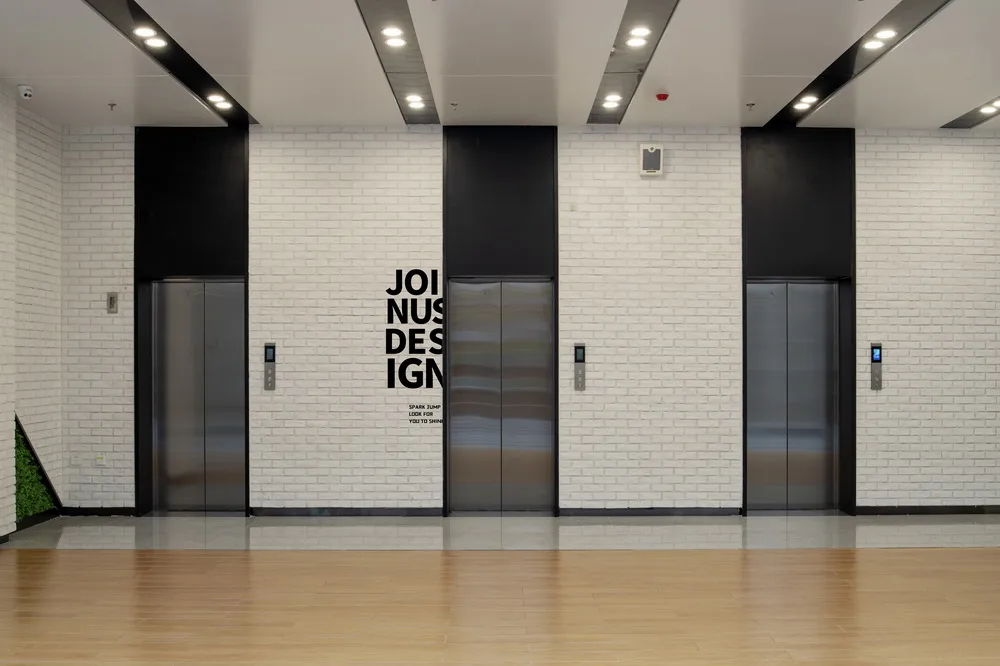
△ Open elevator lobby space
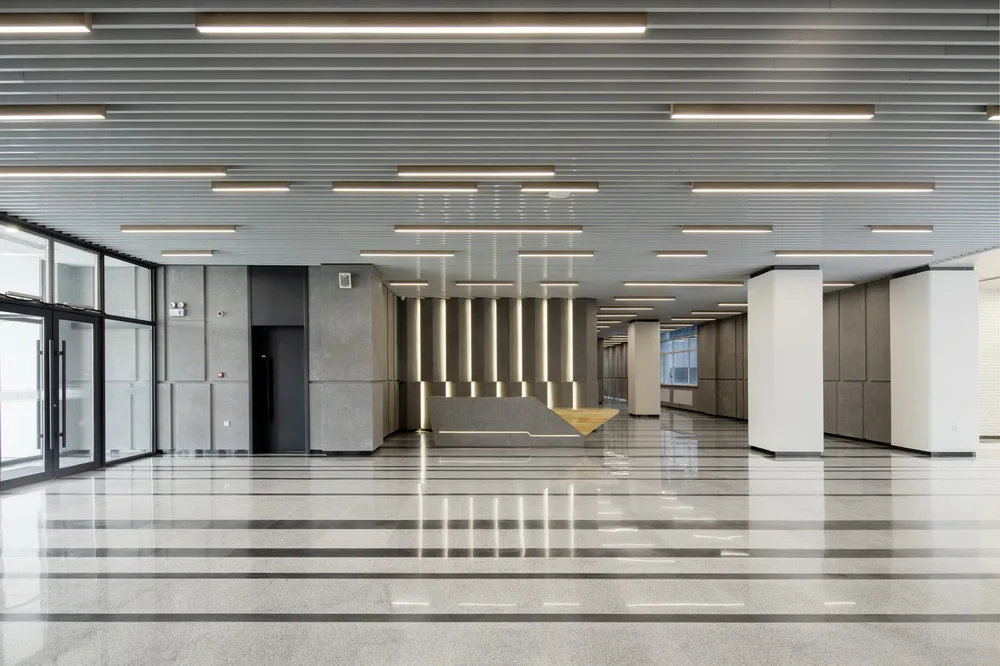
△ Reception space at the entrance
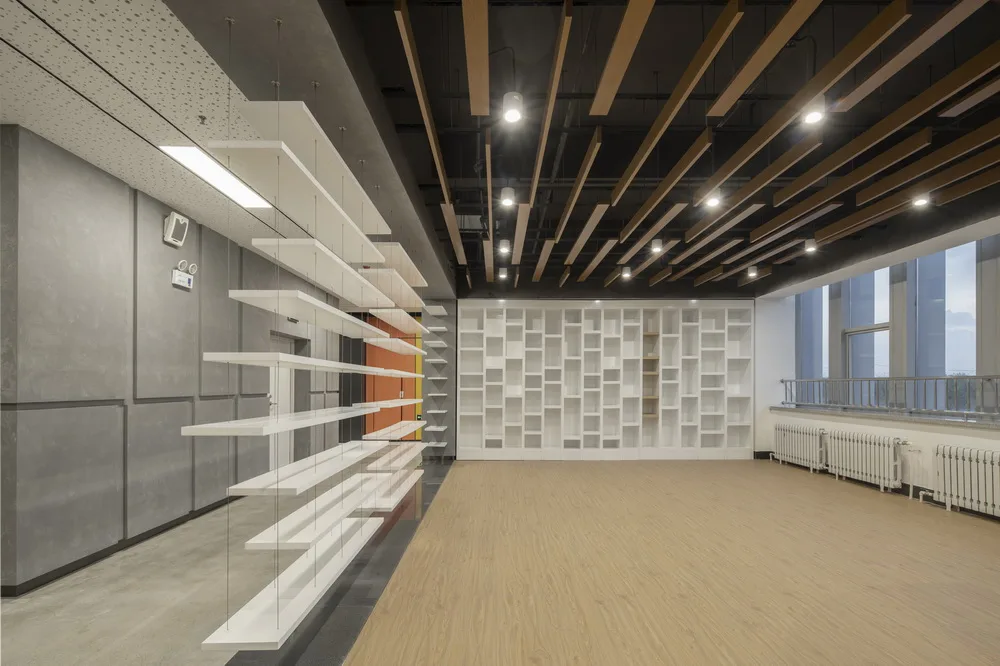
△ Water Bar Leisure Space
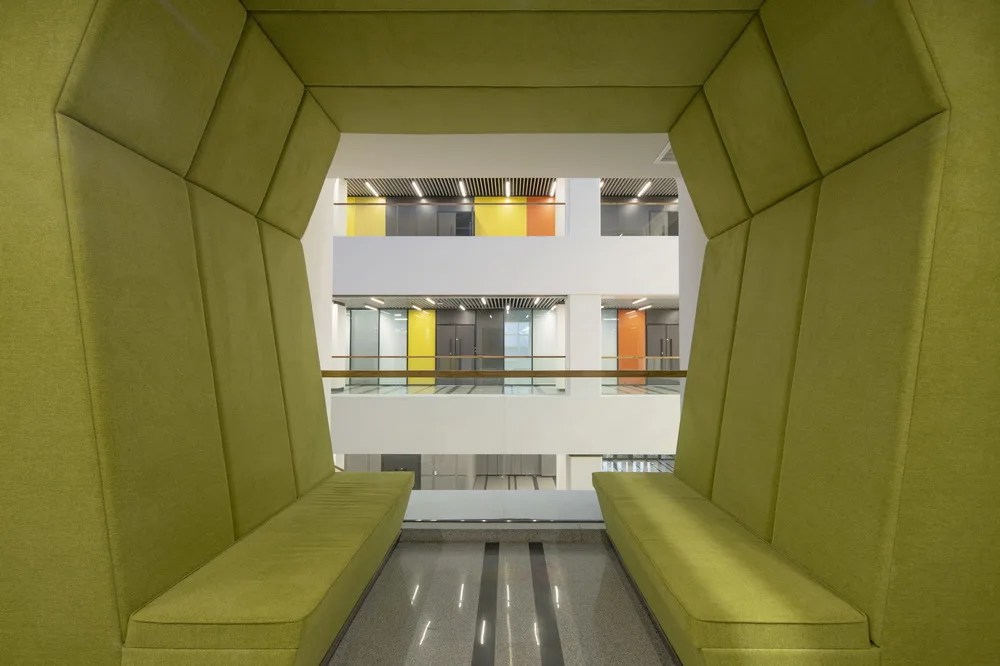
△ Communication Space Perspective
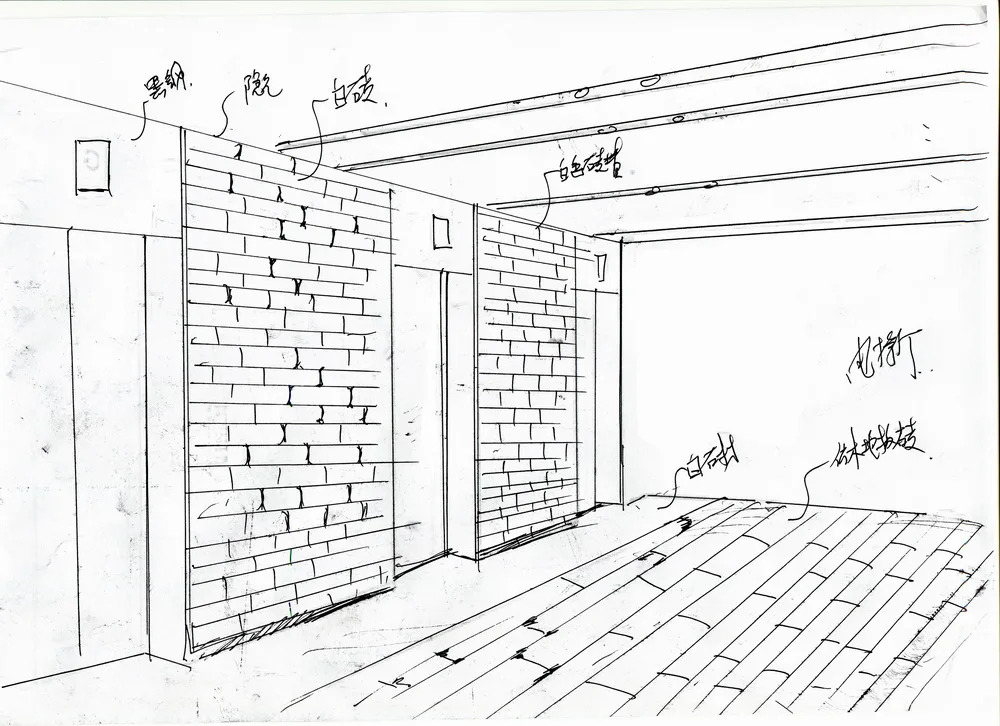
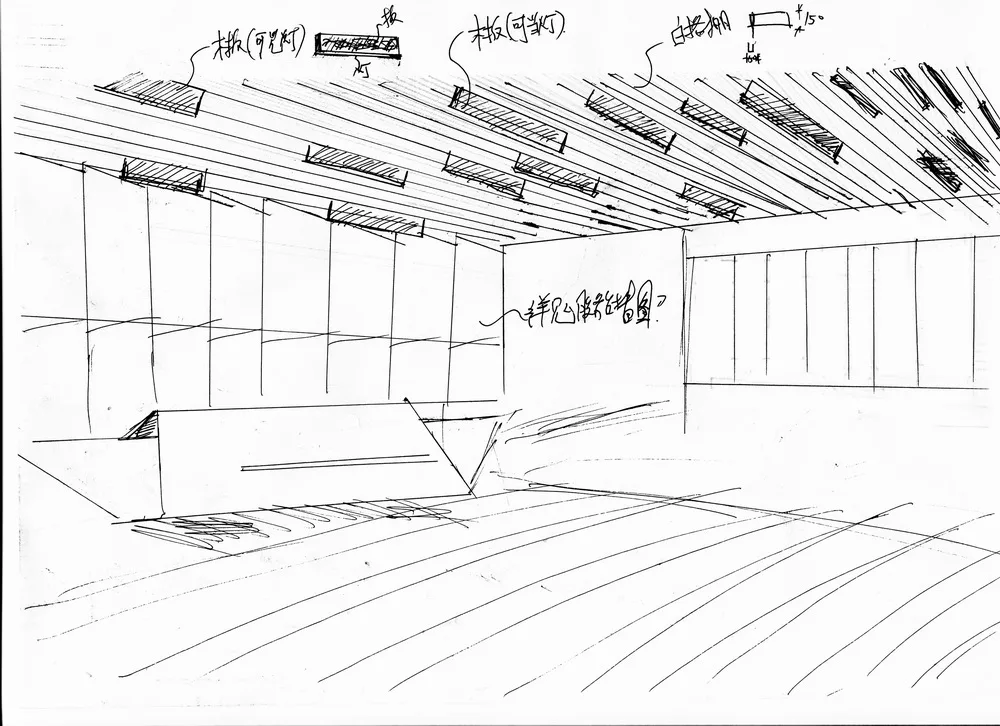
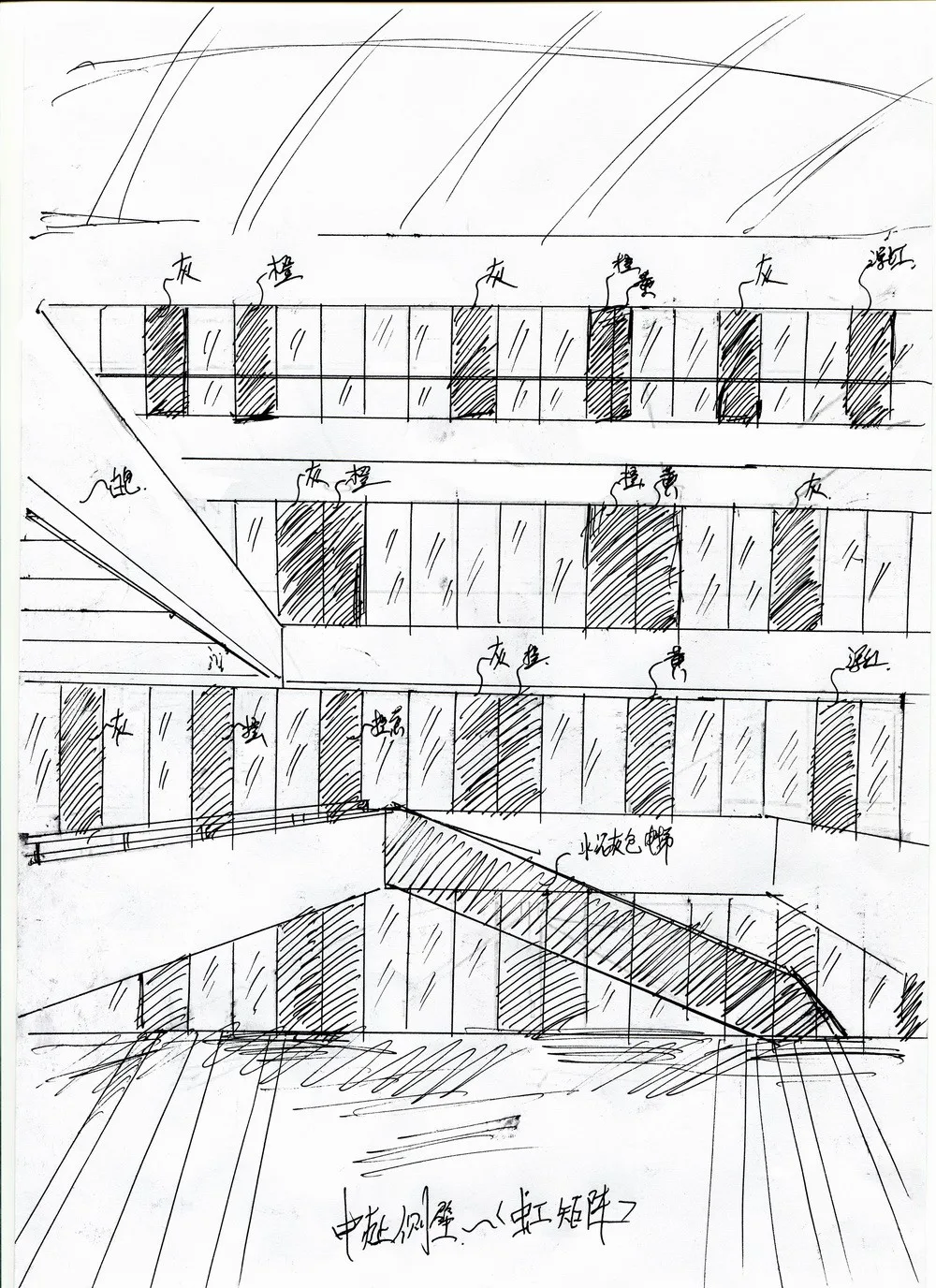
△ Hand-drawn sketch
Technical drawing
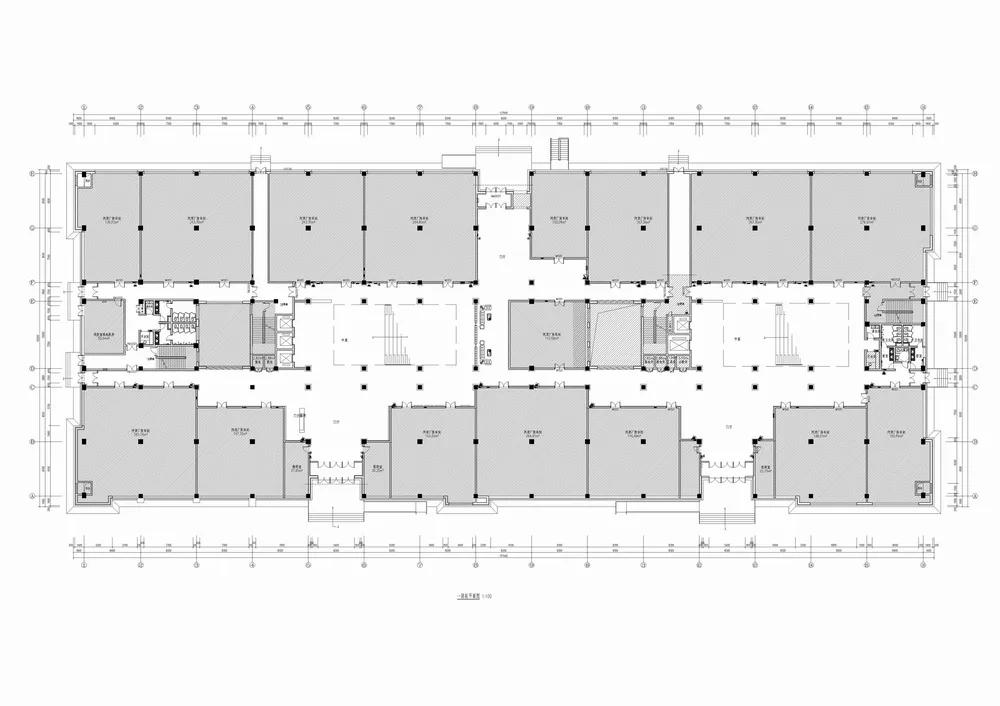
△ First floor plan
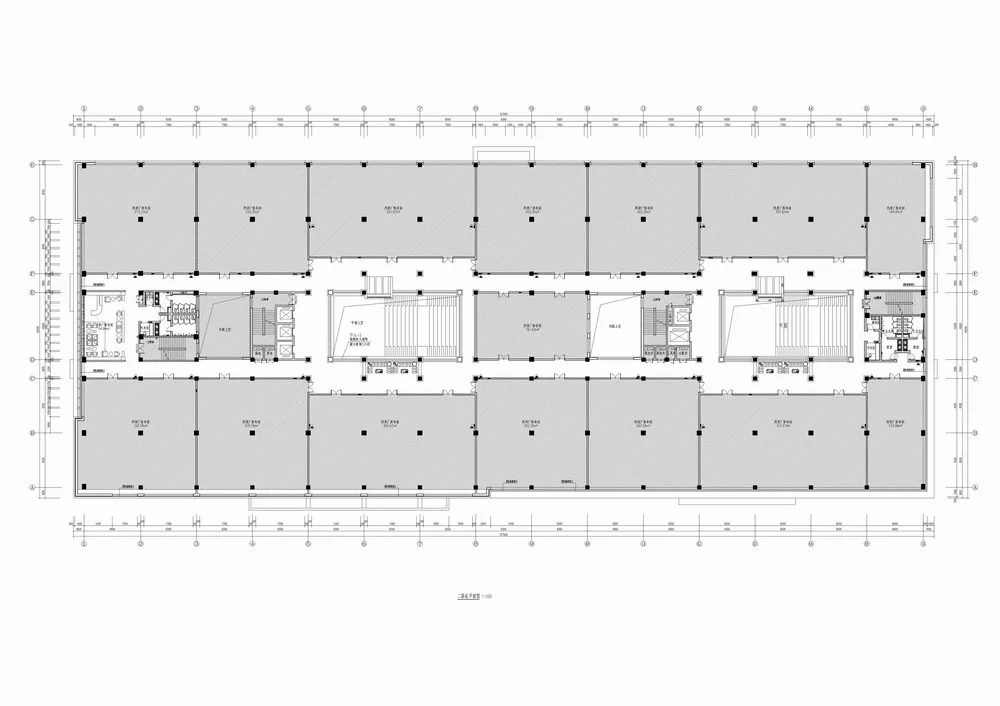
△ Second floor plan
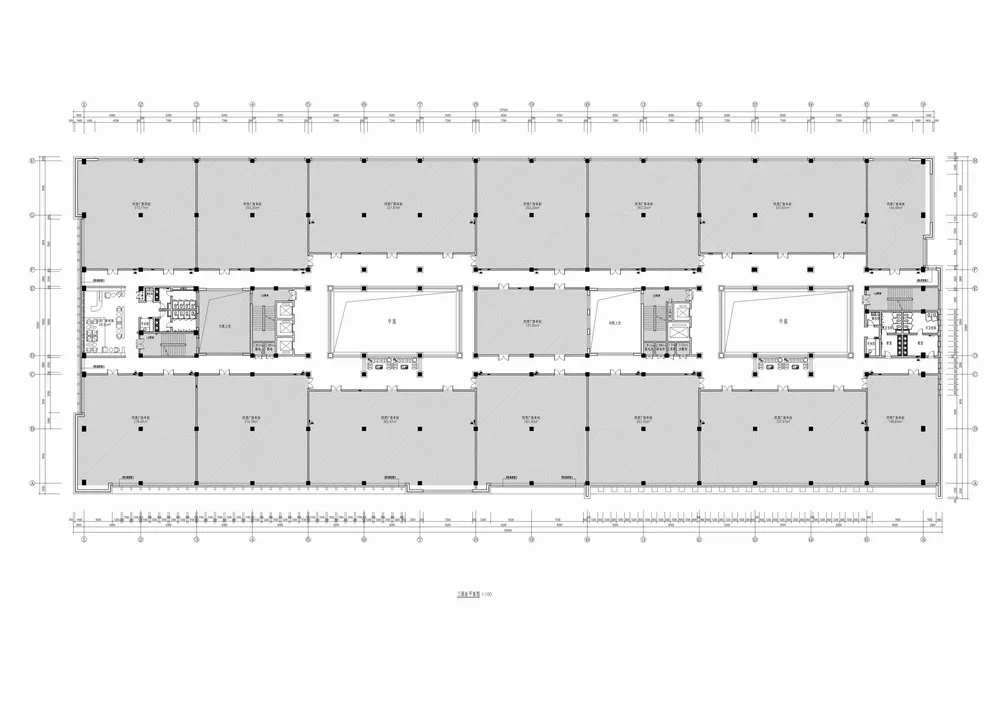
△ Third floor plan
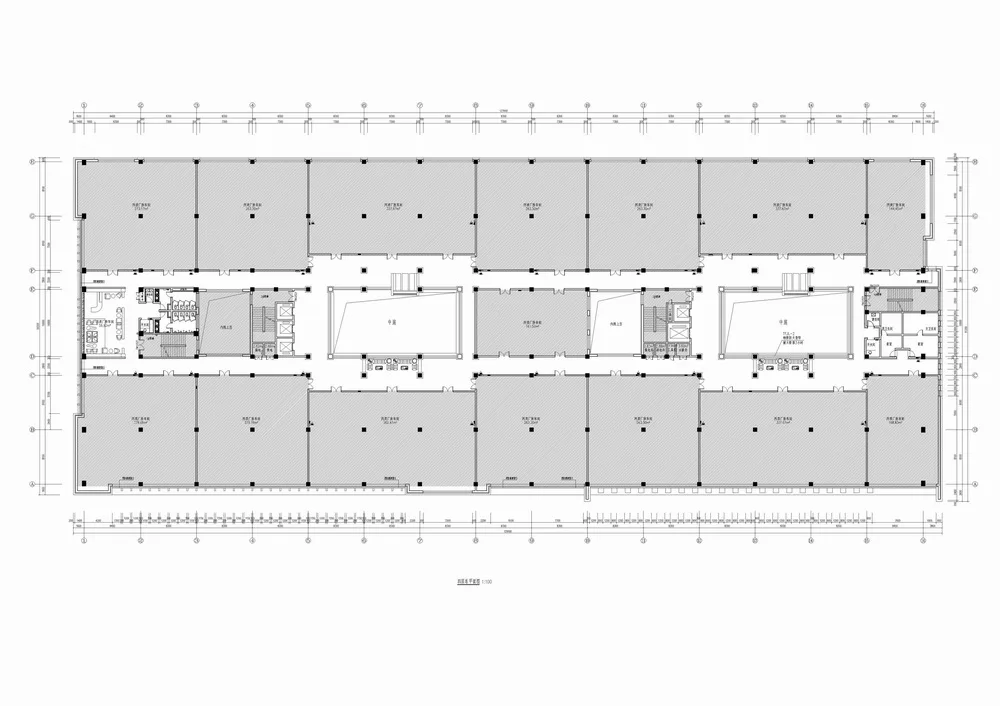
△ Fourth floor plan
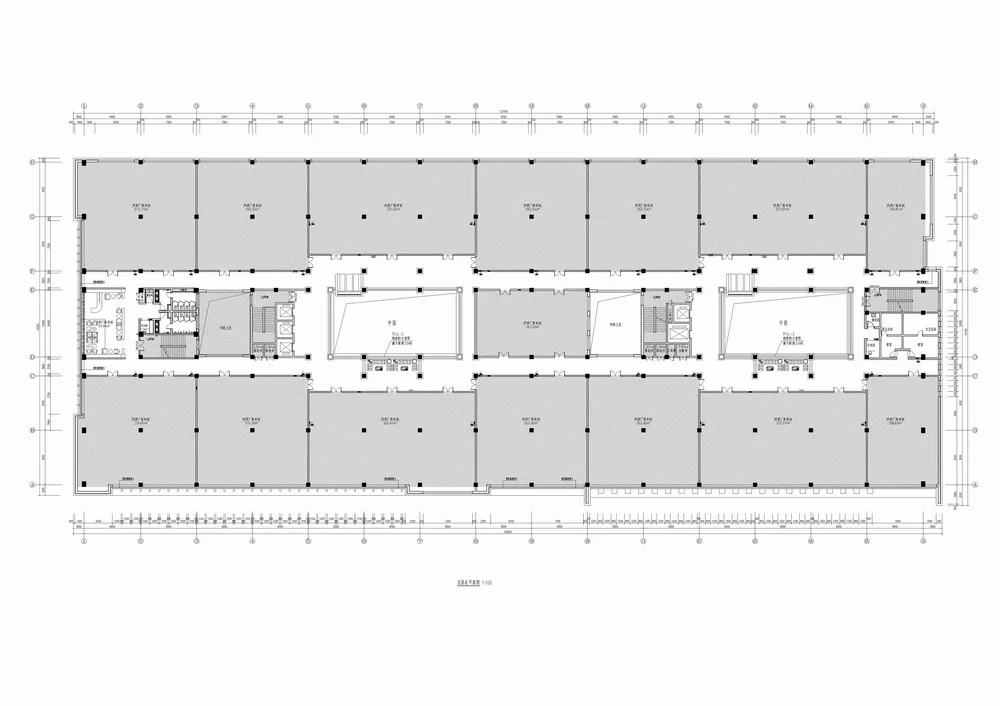
△ Fifth floor plan
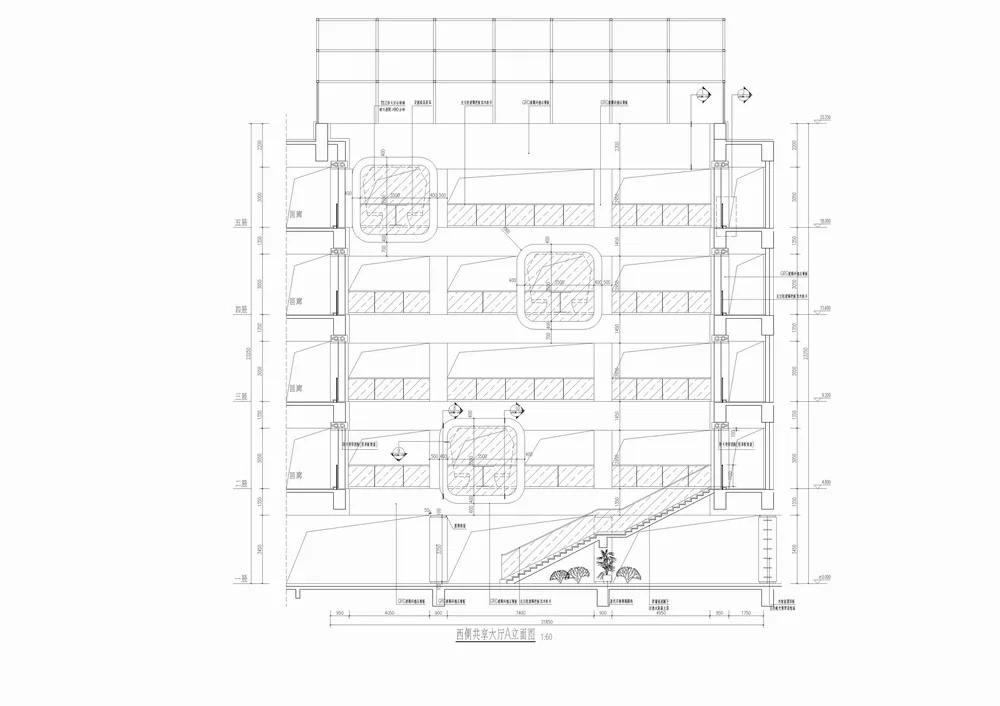
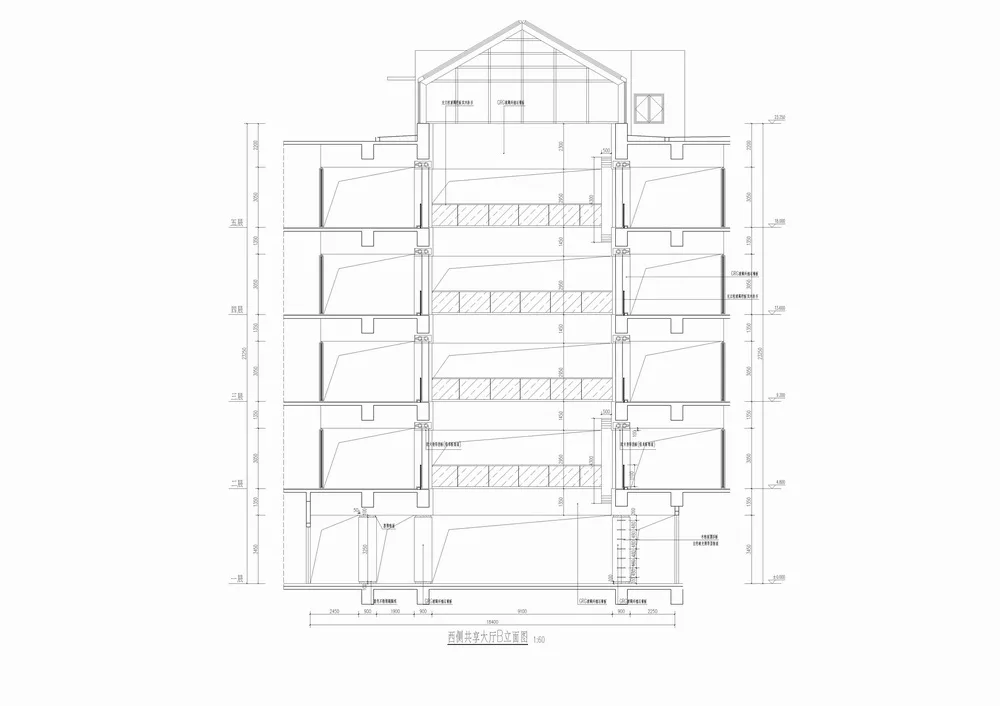
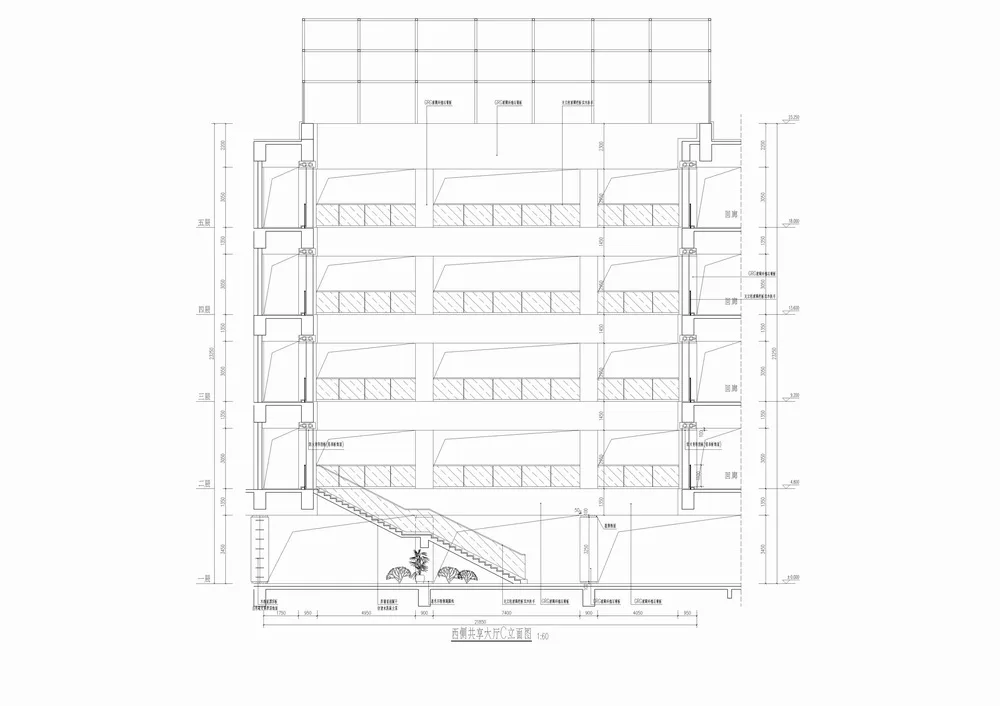
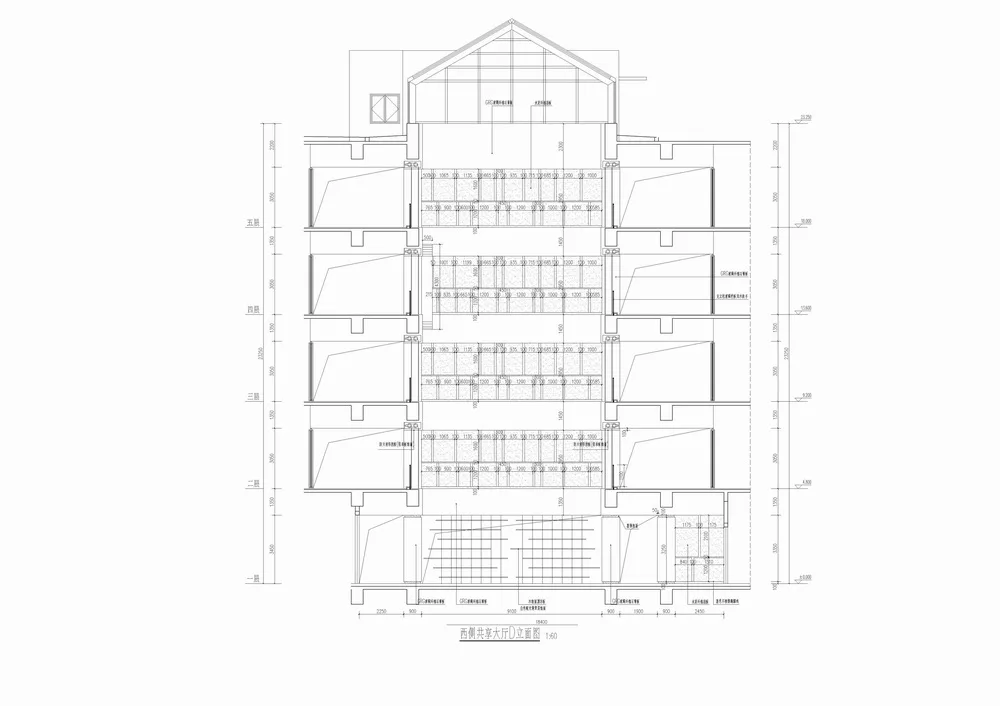
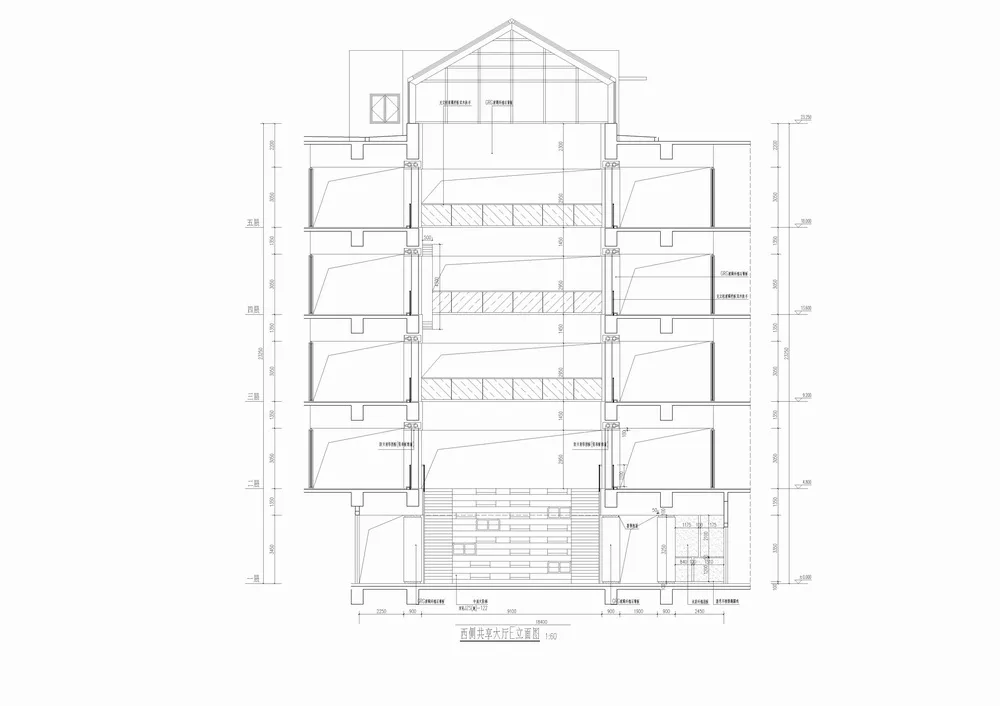
△ Elevation drawing
Project Information
Project Name: Interior Design of Changchun Xinglong Comprehensive Bonded Zone High Tech Enterprise Incubation Park
Architectural Firm: Harbin Institute of Technology Architectural Design and Research Institute
Website: __AI_ST_URL_0__
Contact Email: 83523235@qq.com
Company Location: No. 73 Huanghe Road, Nangang District, Harbin City, Heilongjiang Province
Completion Year: February 2021
Building Area: 70,432.47 square meters
Project Address: Xinglong Comprehensive Bonded Zone, Changchun, Jilin Province
Lead Architect: Wang Ye
Principal Architect Email: wangye1218@126.com / 83523235qq.com
Photographer: Wei Shuxiang
Design Team: Wang Siqi, Wang Peng, Li Xin, Yin Pengzhi, Liu Ji
Principal: Changchun Xinglong Comprehensive Bonded Zone Management Committee












Must log in before commenting!
Sign Up