
Pritzker Prize-winning architect Frank Gehry recently unveiled a striking new tower at the Luma Arles Art Center in southern France, just before opening it to the public. The stainless steel-clad cultural building, known as The Tower, serves as the centerpiece of Arles’ evolving art campus.
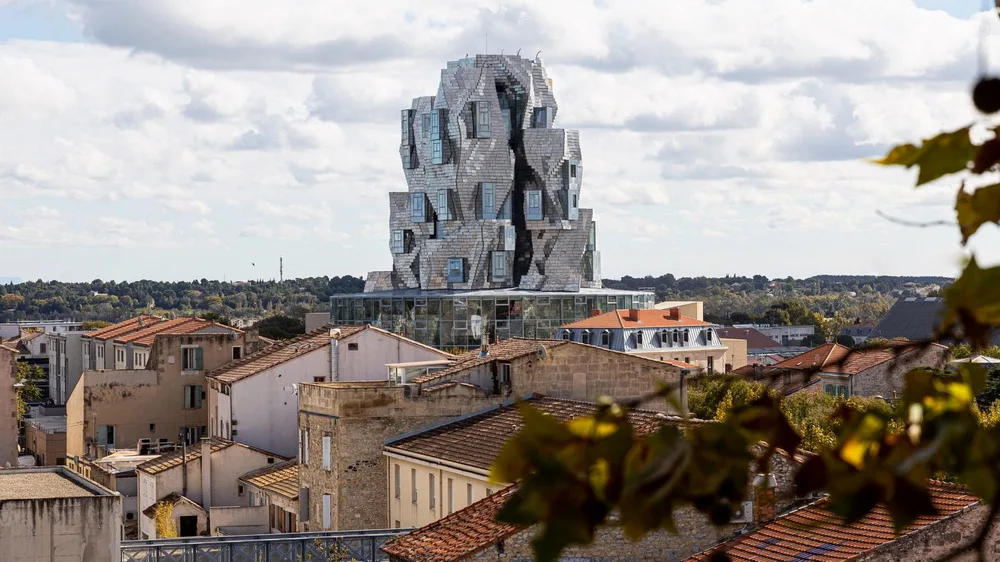
Gehry explained that the design draws inspiration from multiple sources: the Roman architecture of Arles, the nearby mountain range, and Vincent van Gogh’s iconic painting “Starry Night,” created close to this location. “We want to evoke memories for the locals—from Van Gogh’s ‘Starry Night’ to the towering rock formations surrounding the area,” Gehry said. The tower’s cylindrical base echoes the form of Arles’ ancient Roman amphitheater.
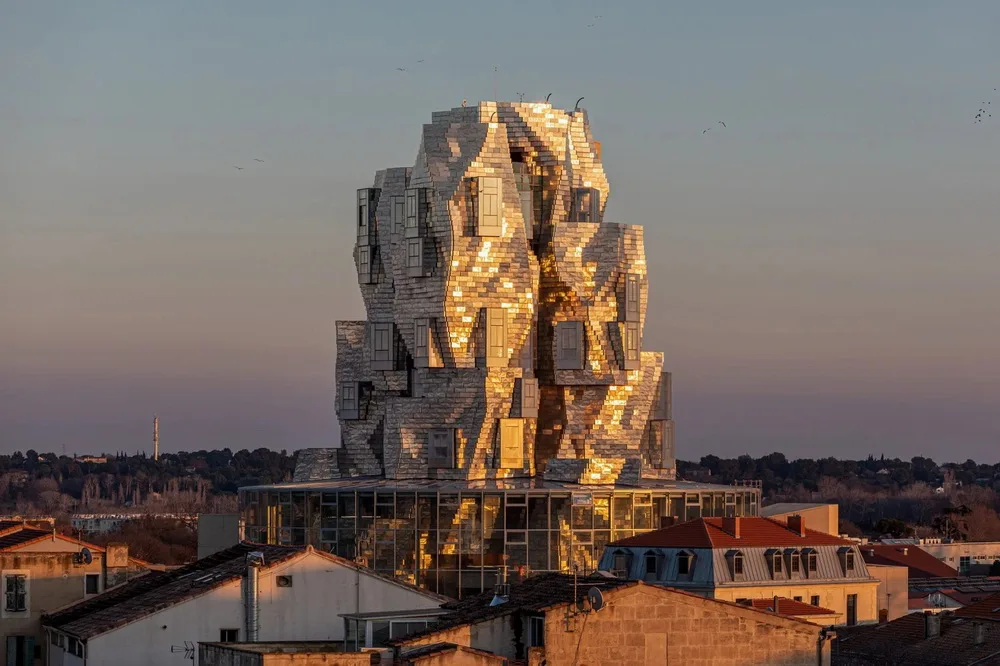
Standing 56 meters tall, this art tower houses an exhibition hall, archival spaces, a library, offices, seminar rooms, and the Luma Arles café.
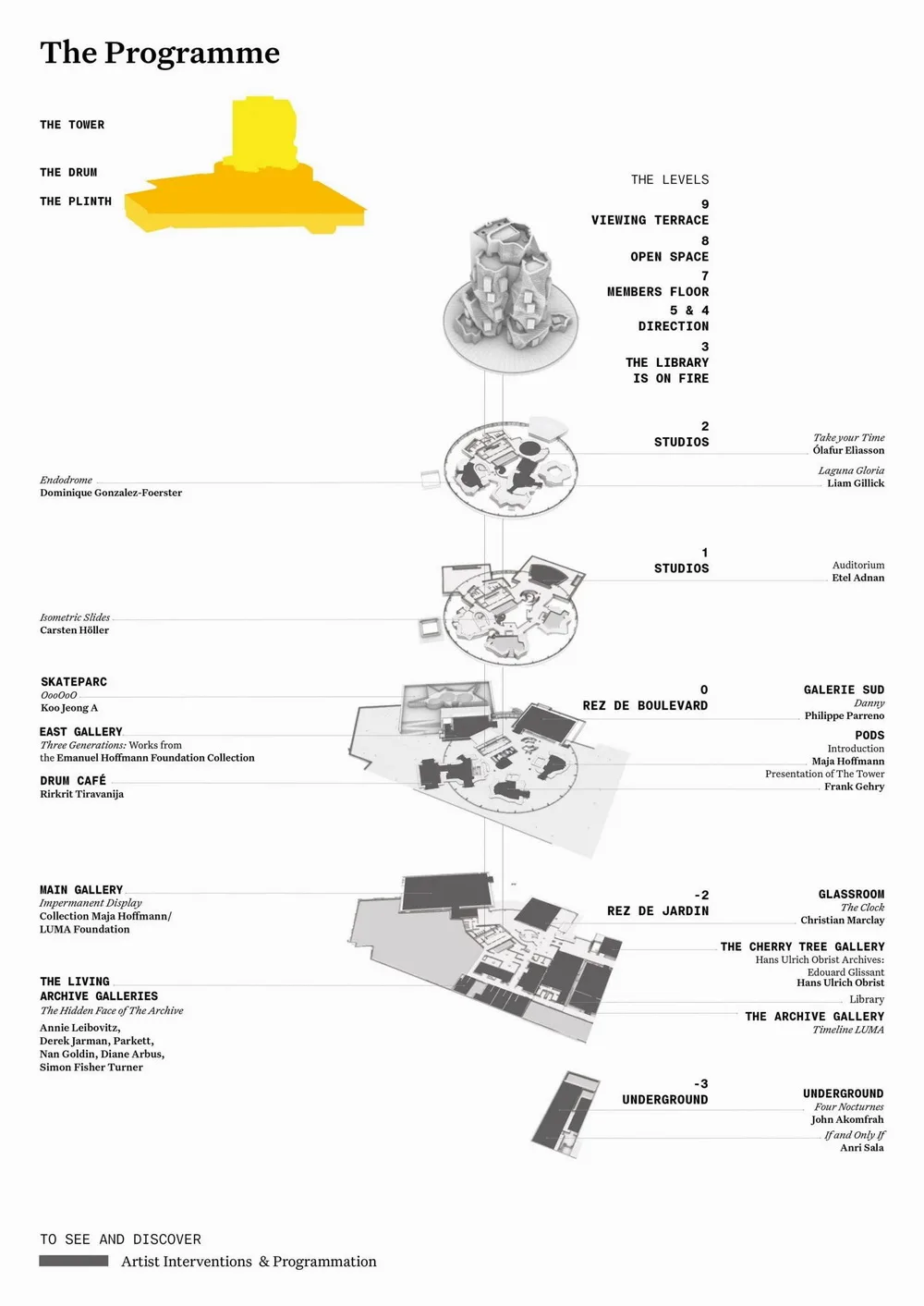
△ Axonometric diagram
The tower’s striking exterior is clad in 11,000 irregularly arranged stainless steel plates, designed to establish it as a new landmark within the art center, which Swiss collector Maja Hoffmann founded in 2013. Gehry noted, “The skyline of Arles is filled with towers from ancient to medieval to modern times. This new building will contribute to the Luma Arles campus becoming one of the city’s iconic landmarks.”
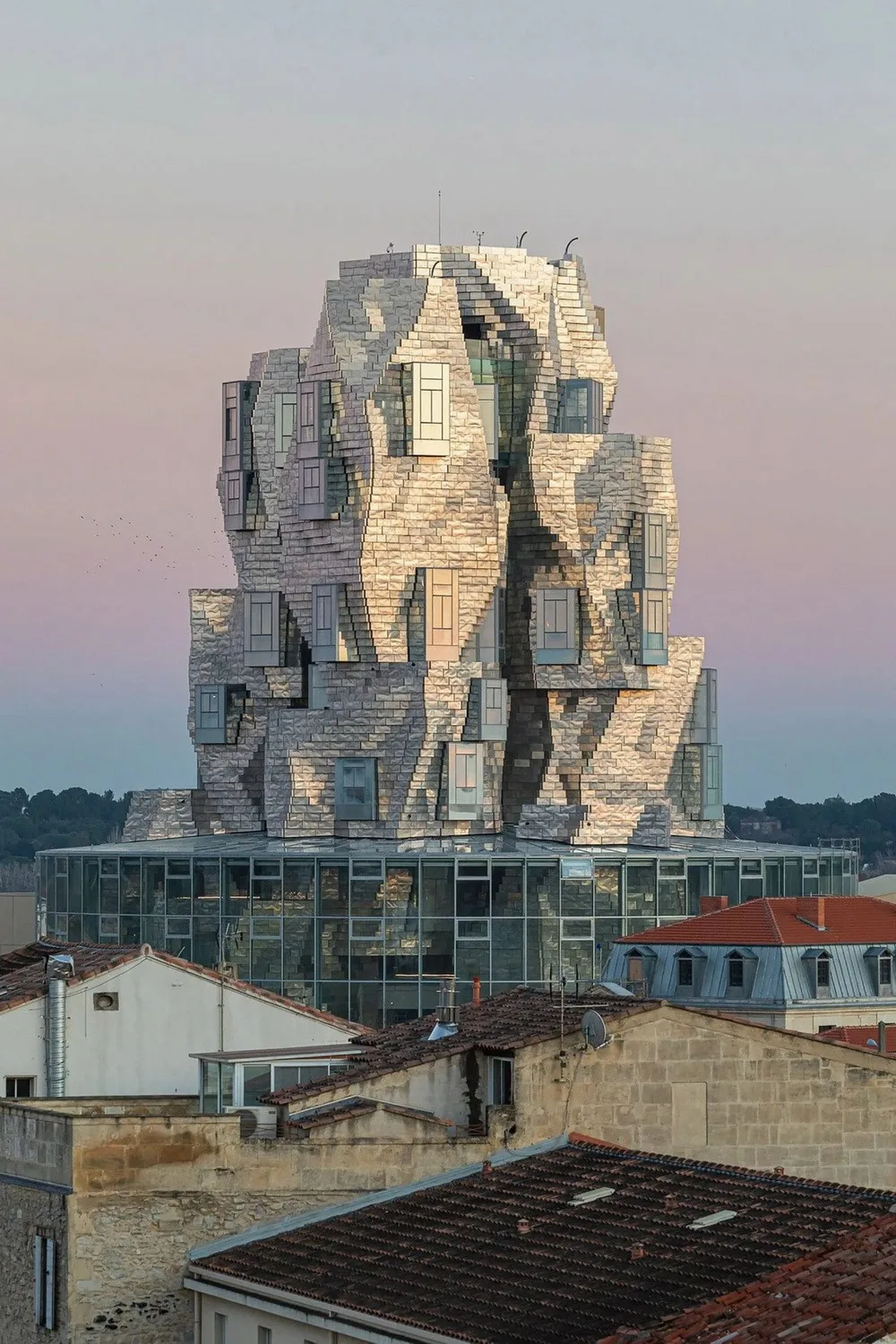
The shape of the building and its stainless steel cladding were inspired by the Les Alpilles mountain range northeast of Arles, as well as the paintings of Dutch post-impressionist Vincent van Gogh. “Van Gogh’s depiction of Les Alpilles influenced the exterior design,” Gehry remarked. The tower’s surface aims to capture the dynamic movement of scattered stainless steel plates, embodying the concept of a ‘painted building’ through the visible modular breakdown of the cladding.
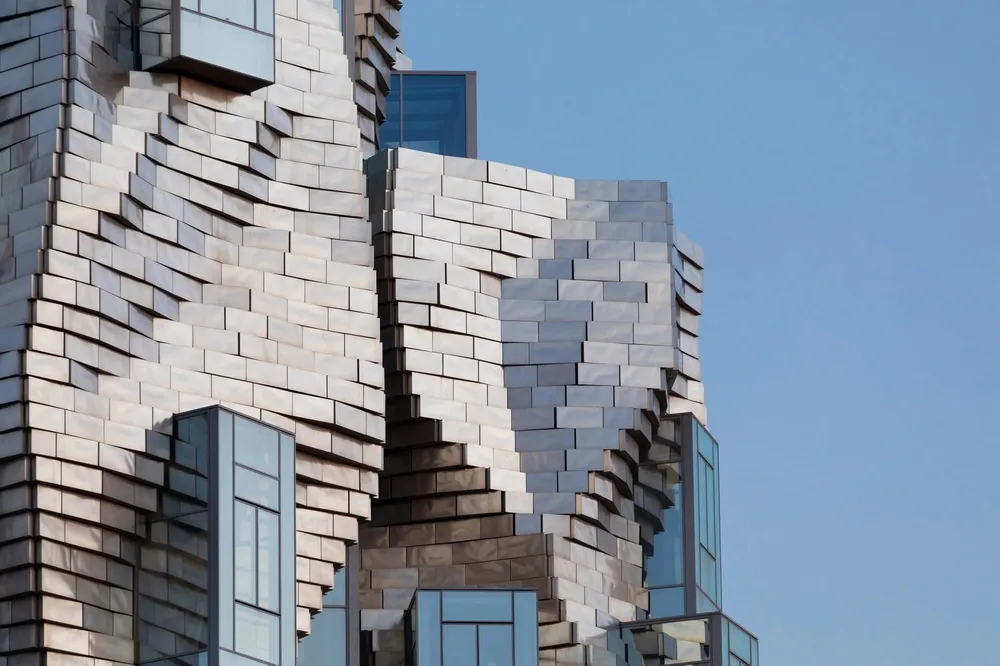
Van Gogh’s paintings served as a key inspiration for the architectural surface.
The tower rises from a cylindrical glass base, reminiscent of the nearby Arles Amphitheatre, constructed in 90 AD and still standing today. “Much like an arena, the scale and geometric clarity of the drum-shaped base reflect the influence of ancient Roman urban planning, which laid the artistic foundation for the town,” Gehry explained.
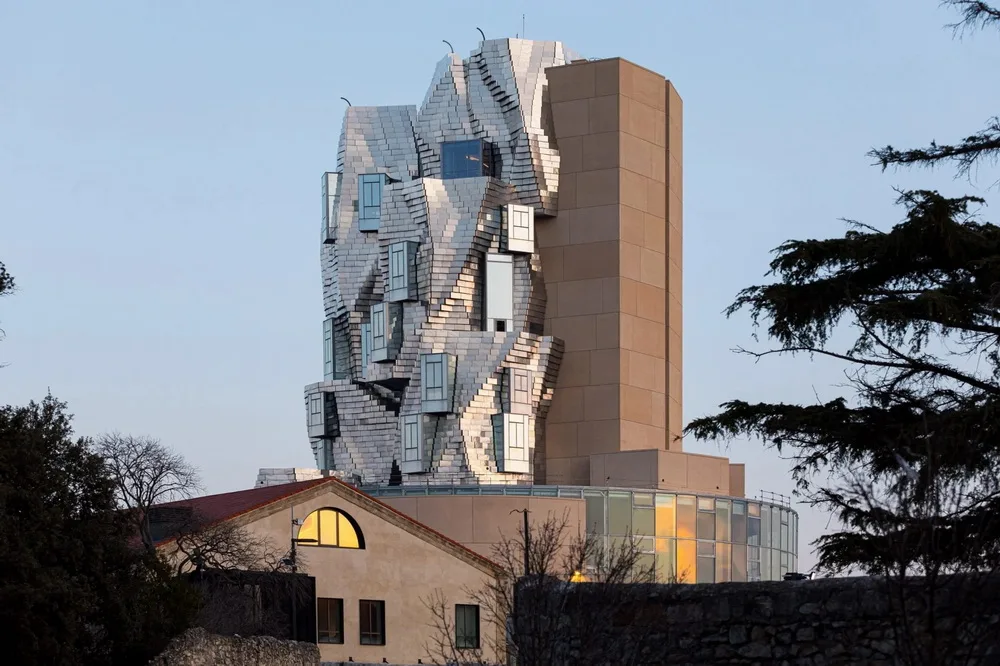
Gehry continued, “The Romans used municipal buildings to organize and arrange the dense urban fabric surrounding them. The drum-shaped base is both transparent and porous, with walls that connect to surrounding industrial buildings, transforming it into the central hub of the campus.” The structure extends outward from this drum base, oriented toward Arles’ historic center.
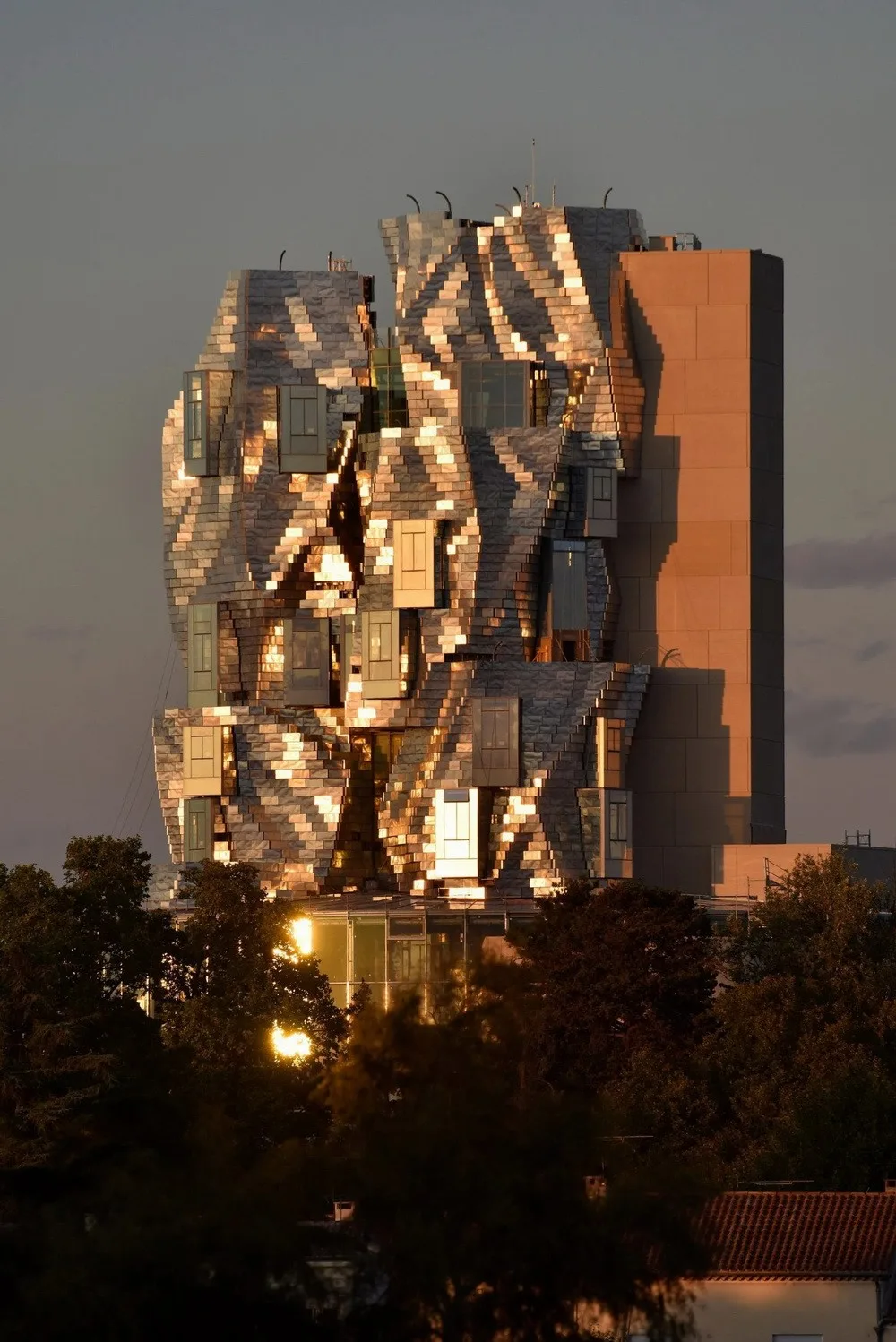
The building ascends from a glass cylinder base © Hervé Hôte
Selldorf Architects oversaw the renovation of a series of industrial buildings on the site. The tower is situated on a 27-acre former railway station, which had been abandoned since 1986 and has since transformed into the Luma Arles campus. Hoffmann contributed 150 million euros to this ambitious project.
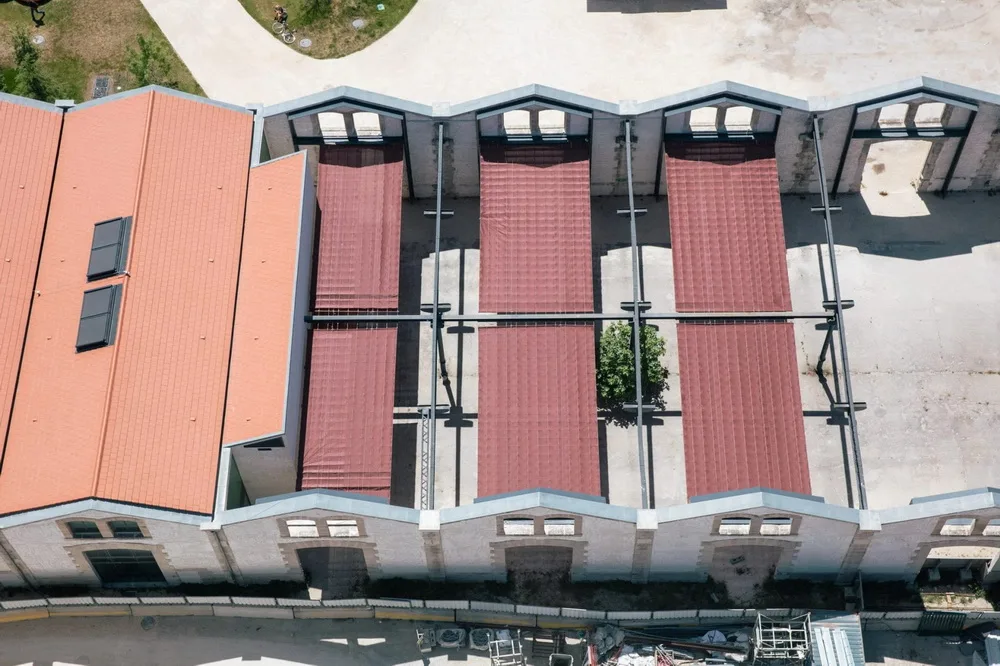
Industrial buildings on the site were restored by Selldorf Architects © Victor Picon
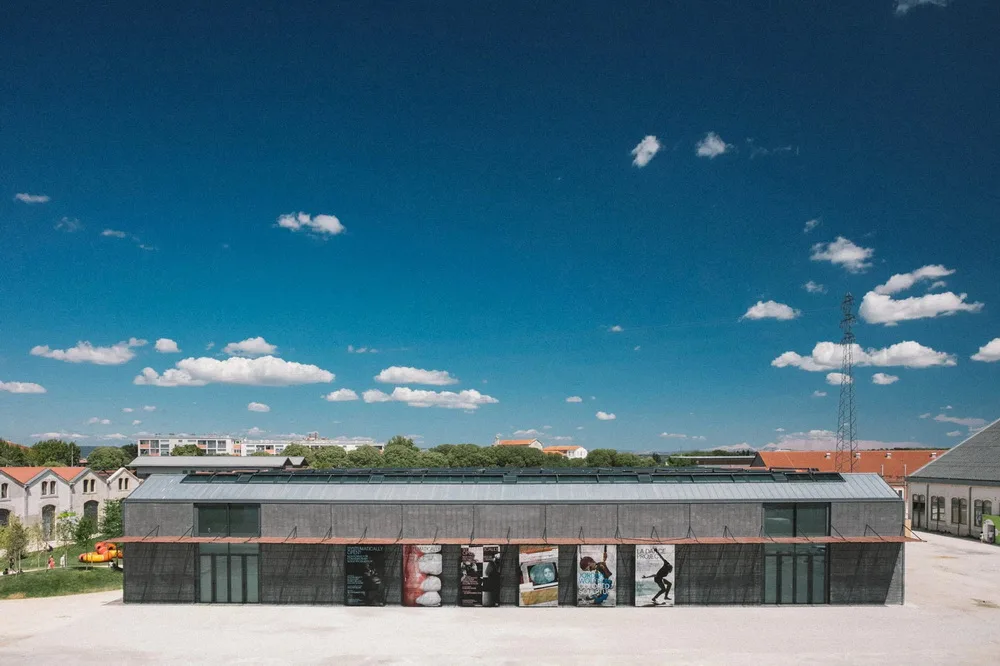
In addition to Gehry’s central tower, Selldorf Architects from New York renovated a number of former railway manufacturing factories around the site. These buildings now serve as exhibition spaces, performance venues, hotels, and restaurants.
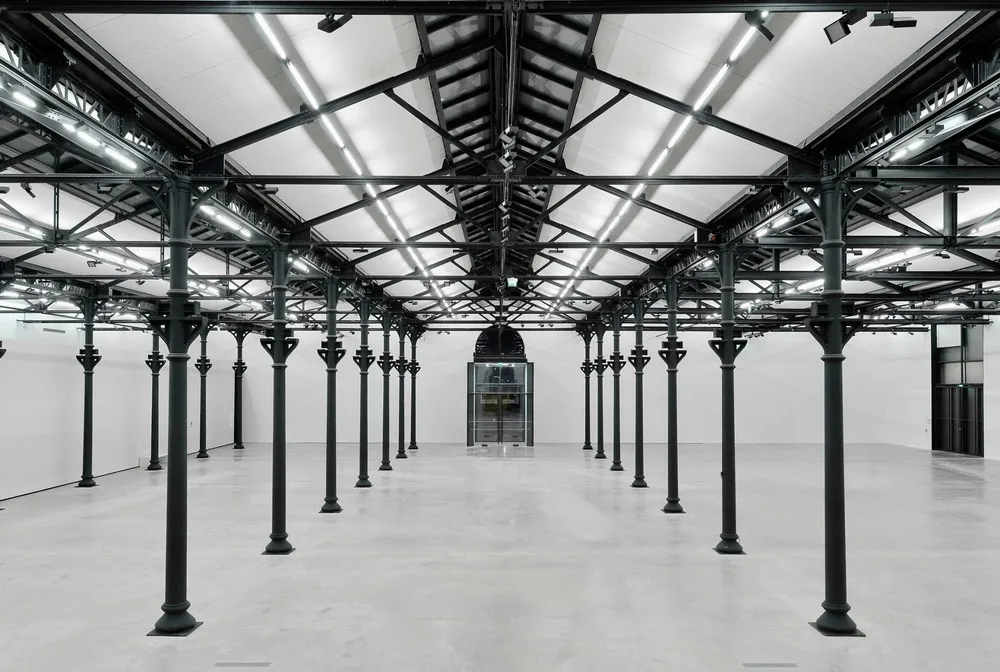
The interiors of the renovated industrial buildings now function as exhibition halls © Hervé Hôte
Annabelle Selldorf, the lead architect of Selldorf Architects, said, “Throughout the complex, we worked to balance the industrial character of the 19th century with modern functions, while creating spaces with well-controlled natural light and good airflow.”
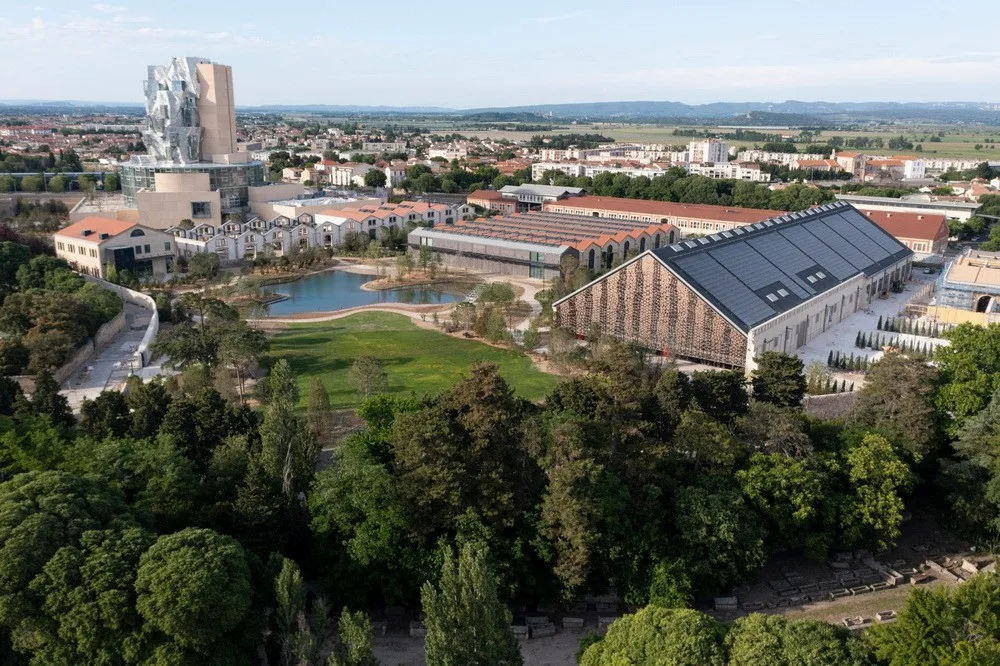
The complex is set beside a seven-hectare park designed by Belgian landscape architecture firm Bureau Bas Smets.
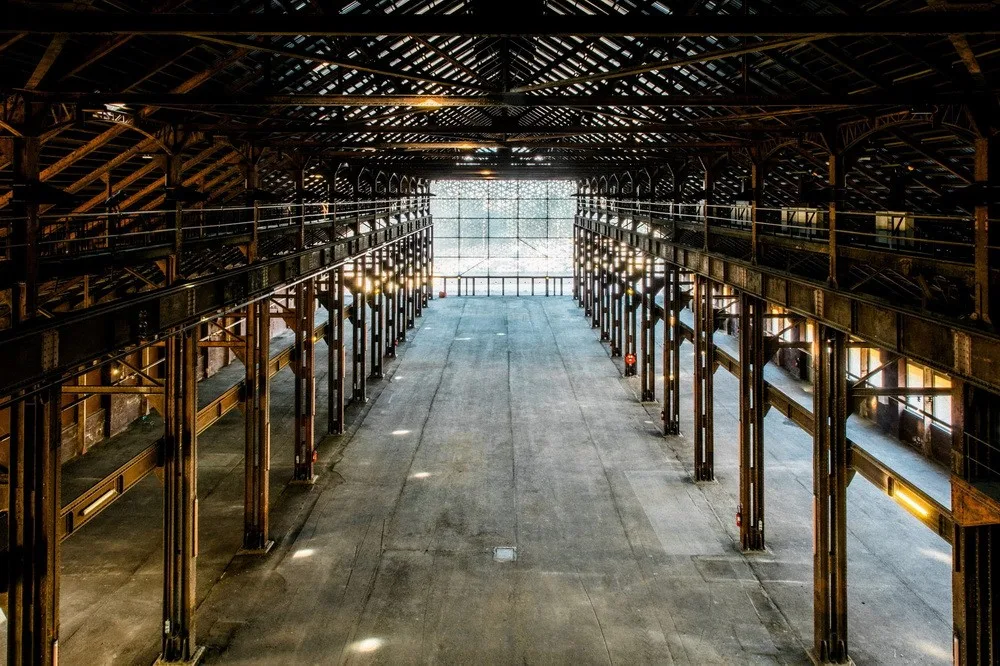
△ Original station photo
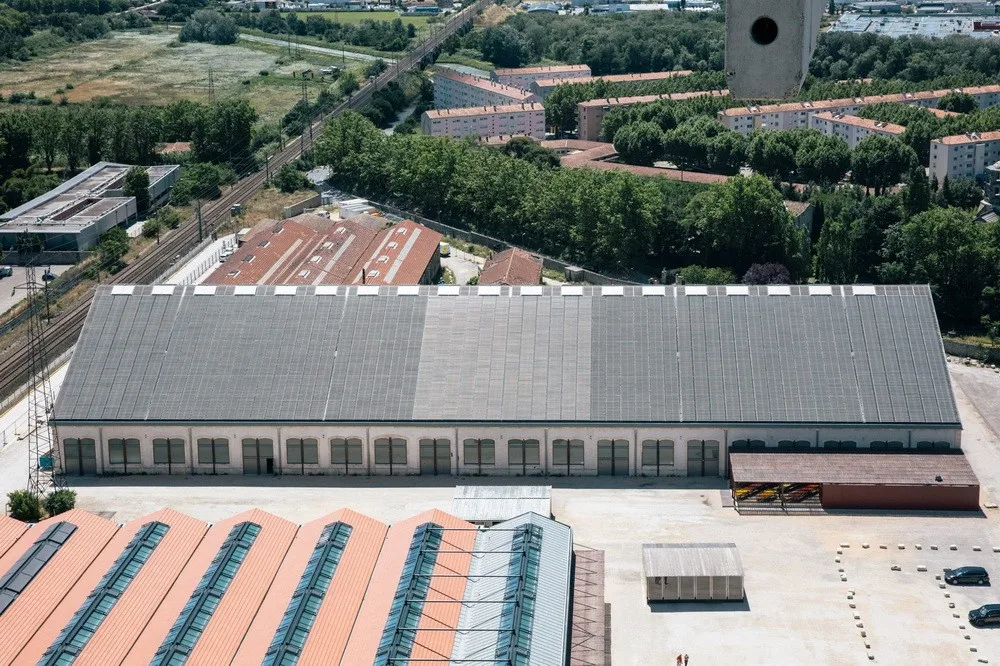
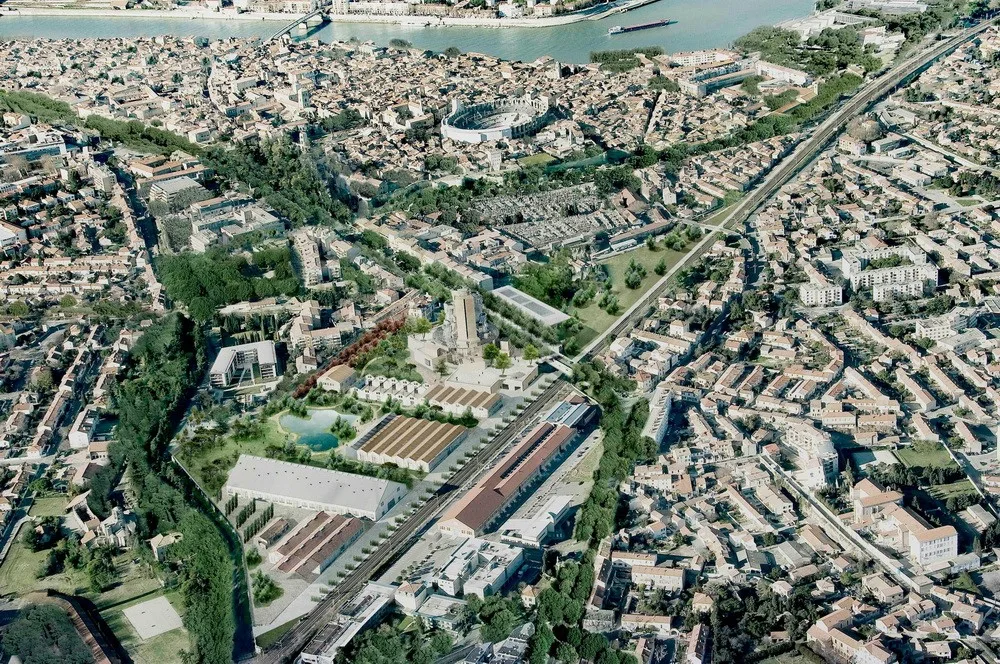
△ Aerial view of the venue
Photography by Adrian Deweerdt












Must log in before commenting!
Sign Up