
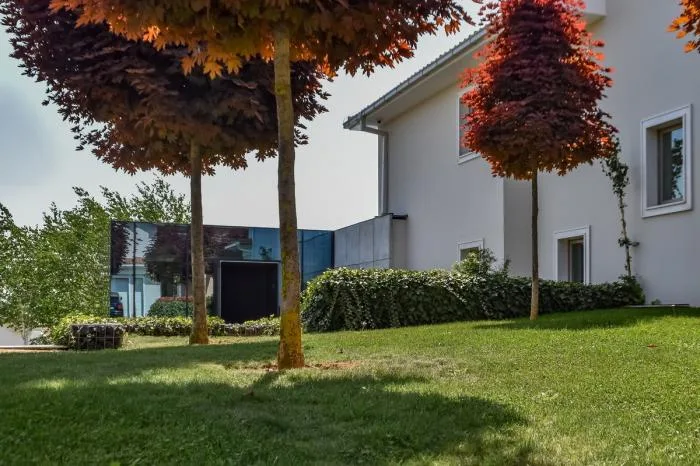
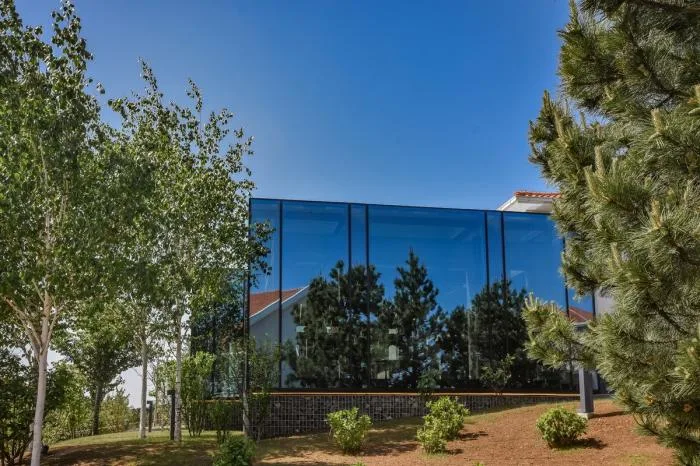
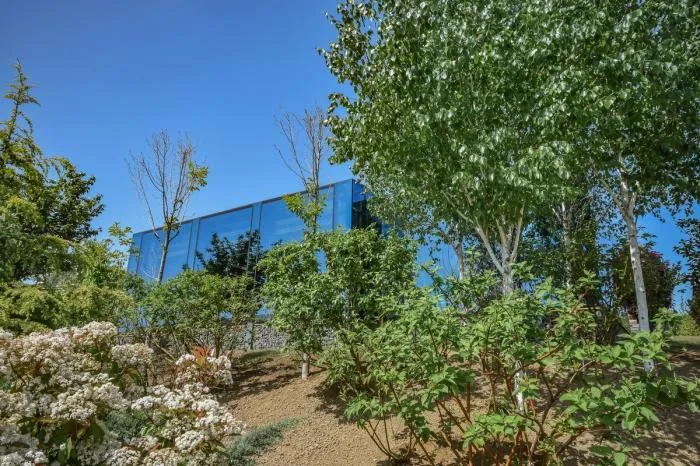
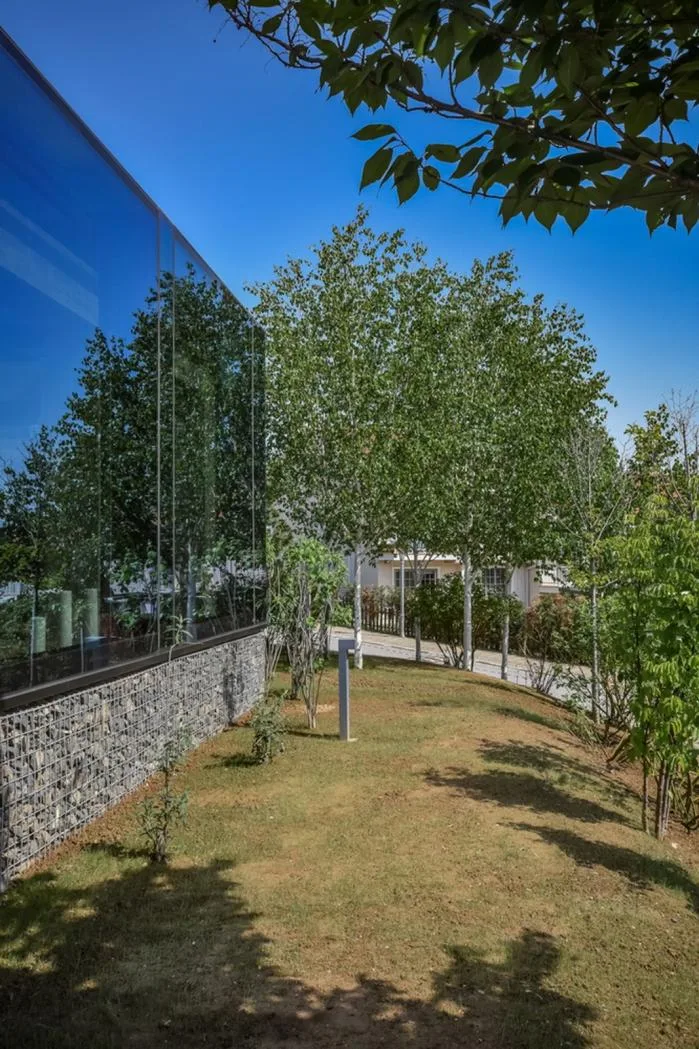
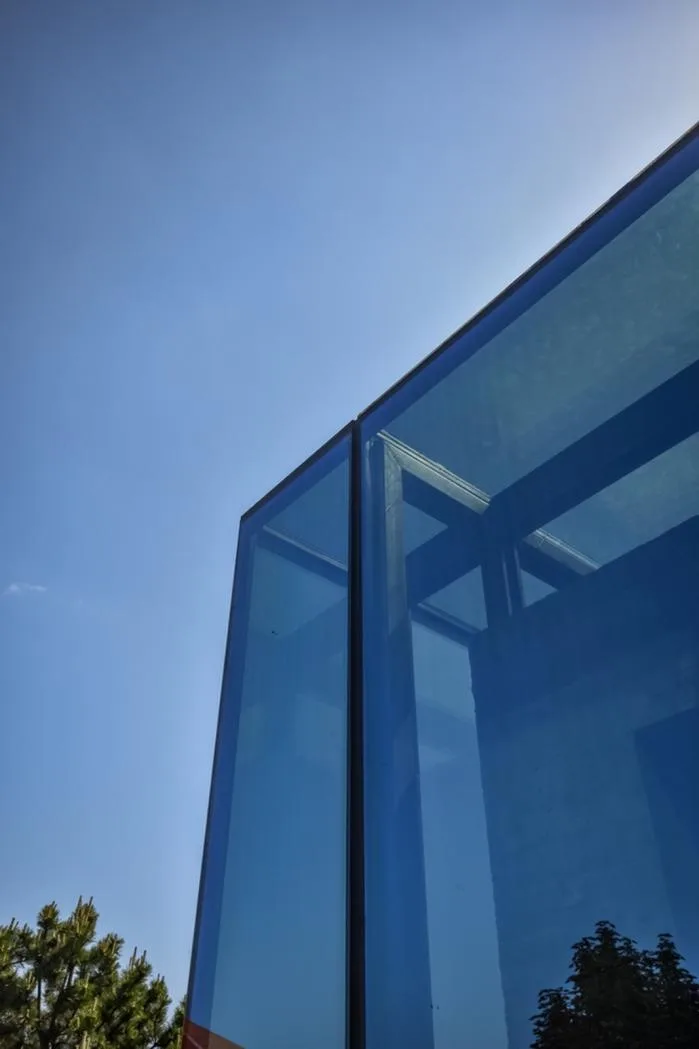
Not long ago, a friend asked me to develop a renovation plan for the back of his house. Here, a series of steel structures stand tall, arranged in a semi-rectangular pattern. It is clear that the house’s structure has begun to deteriorate. Since there is an urgent need to expand the main room into this area, the new design must take this requirement into account.
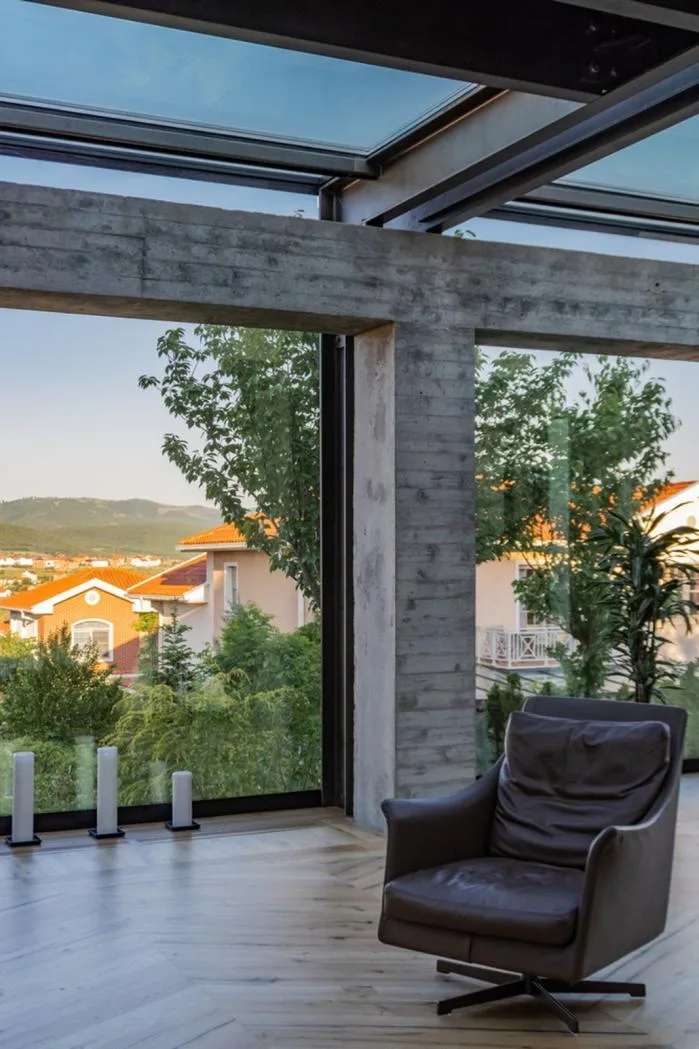
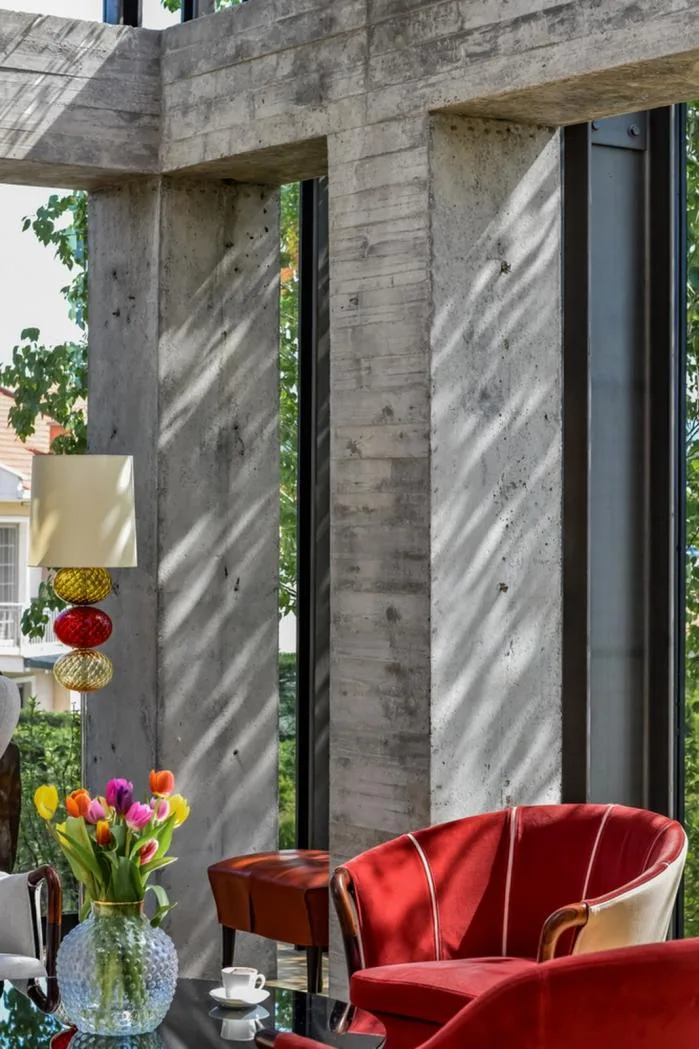
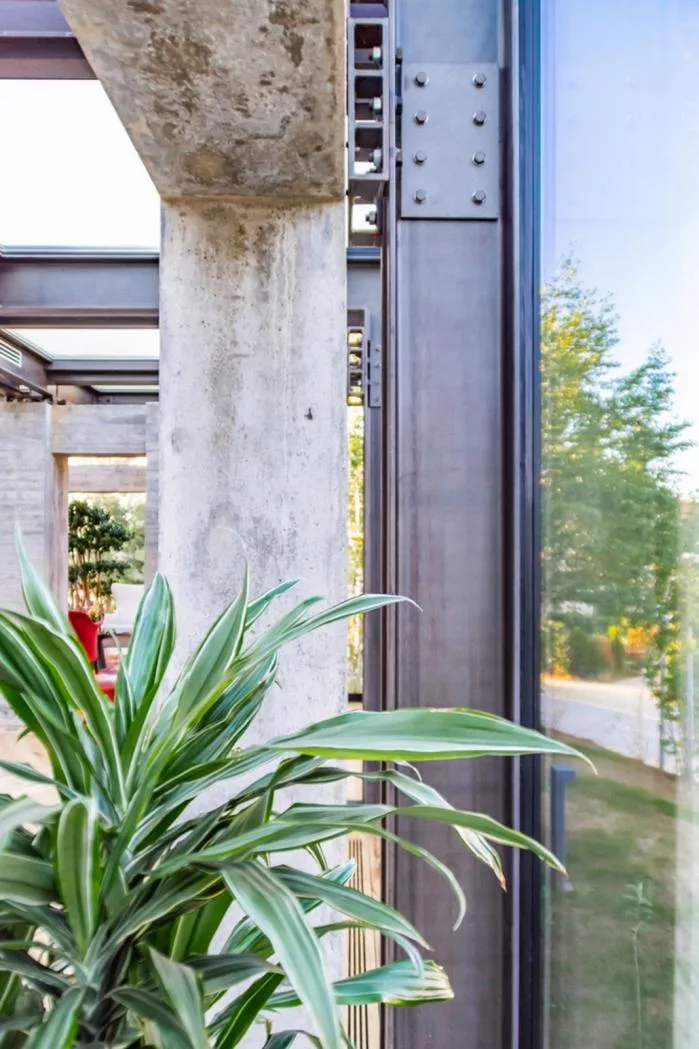
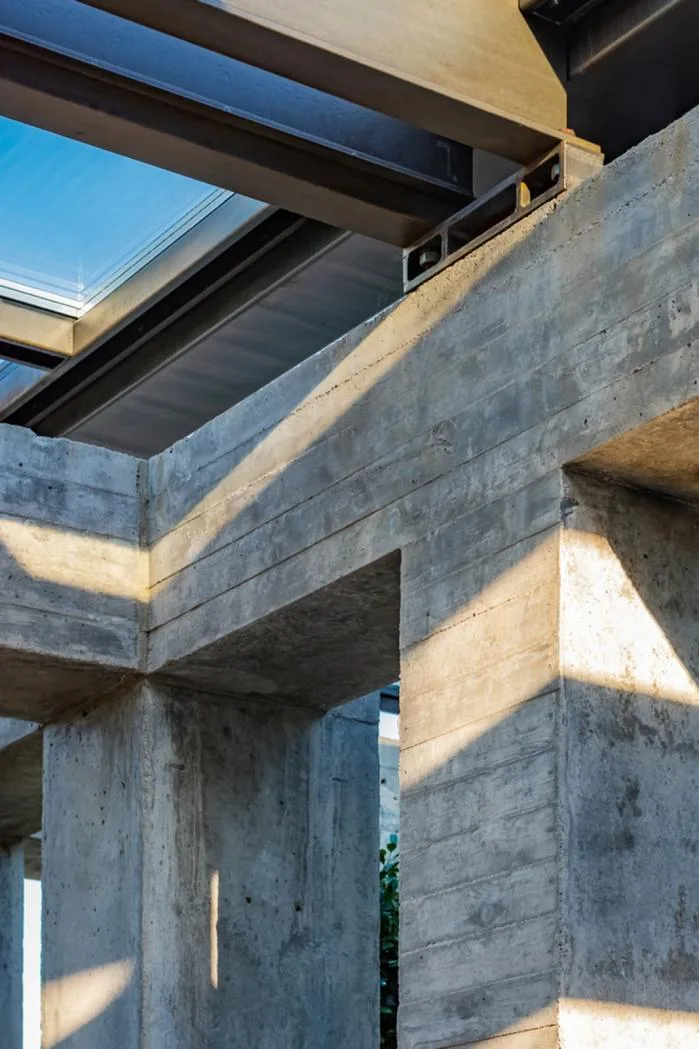
Standing before these concrete columns, we can sense the stories and history they hold. They seem to engage in a silent dialogue with the house itself. The question is: should we interrupt or even end this ongoing conversation? These pillars crowd the garden, almost as if guarding something sacred, each carrying its own unique story.
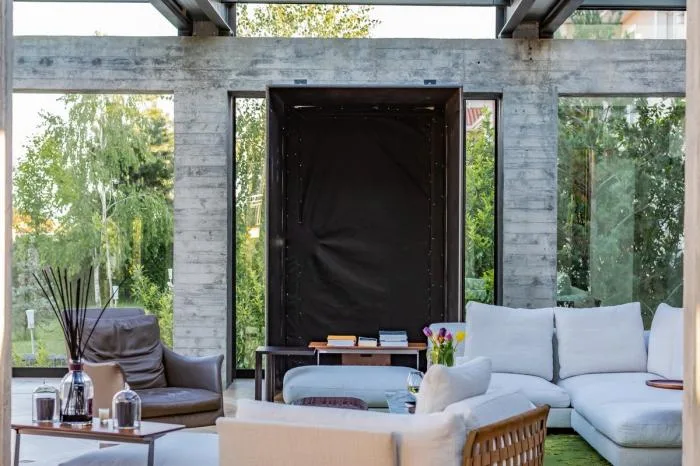
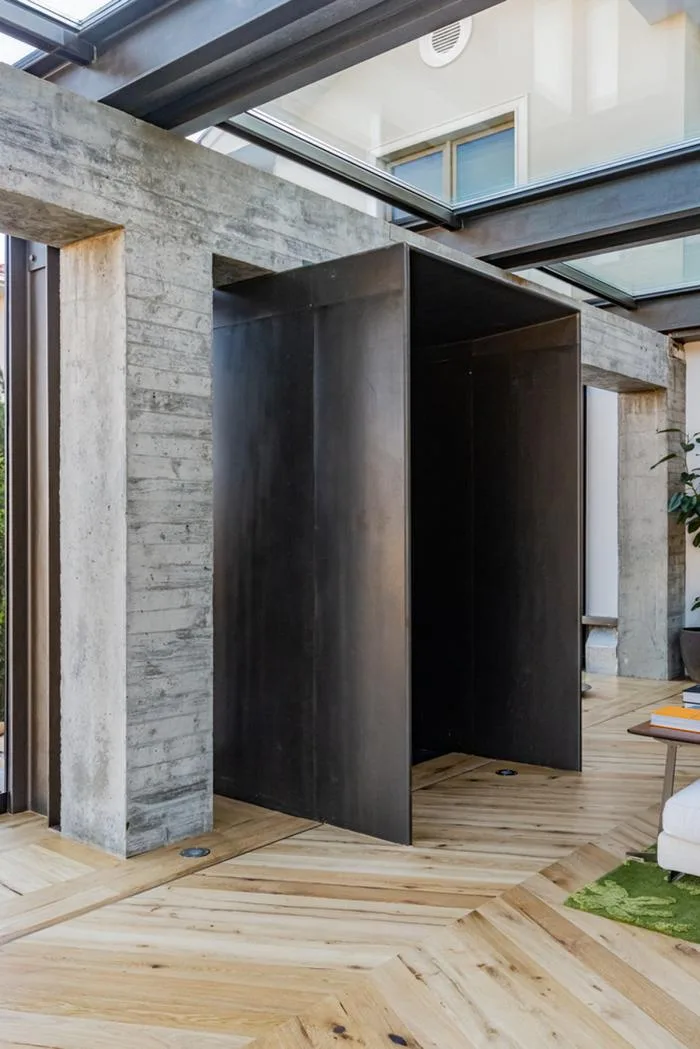
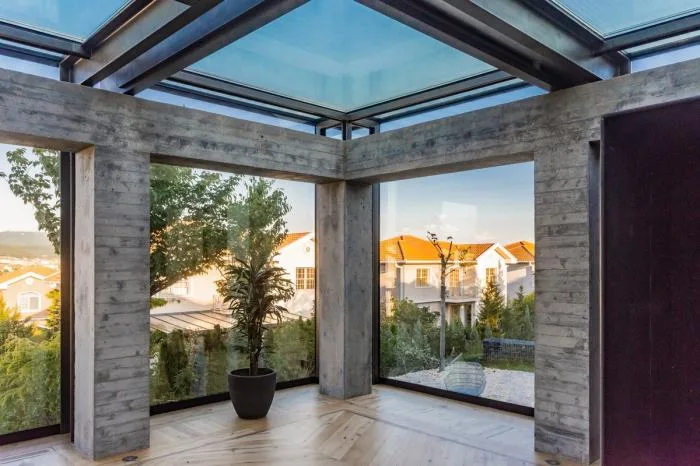
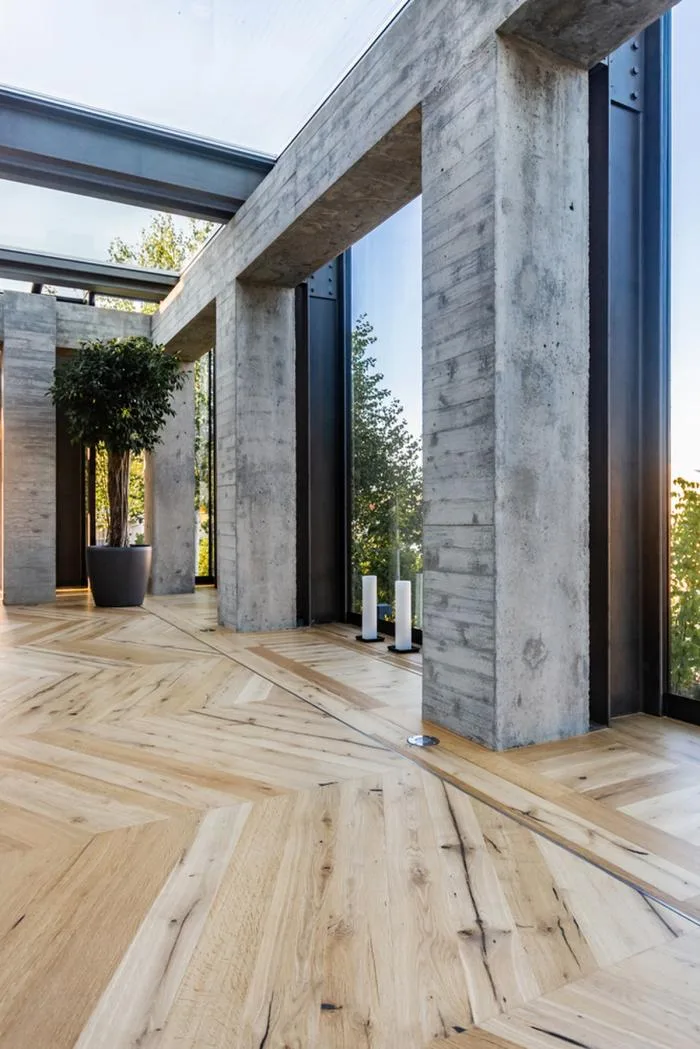
In many situations, dismantling unused structures becomes the last resort. But time has a story to tell, and we need to pause, clear our minds, and stand here surrounded by concrete—to understand that the soul of this house lies within these pillars. The rest of the house resembles typical suburban housing, reflecting the predominant “copy and paste” culture following the Kosovo War. People aspired to American-style homes in “international” neighborhoods.
Inside, my friend carefully chose elegant tones of stone, wood, artwork, and furniture. Yet, the space still feels gloomy, as if the energy is trapped with no outlet. The concrete columns have survived but are now abandoned, awaiting their fate. These guardians of stories deserve protection.
Some interventions include removing the thick concrete walls of the existing house and replacing them with glass sliding doors to invite more natural outdoor energy inside. This approach saves space and energy, replenishing vitality for the residents and anyone fortunate enough to experience this environment. Every architectural intervention has an impact—positive or negative—and is never energy-neutral.
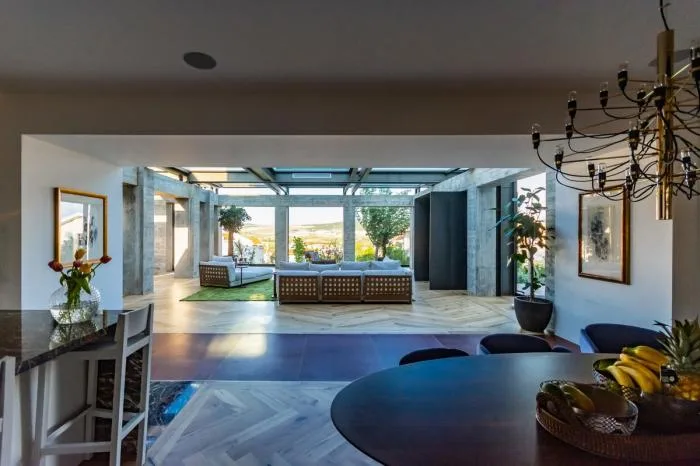
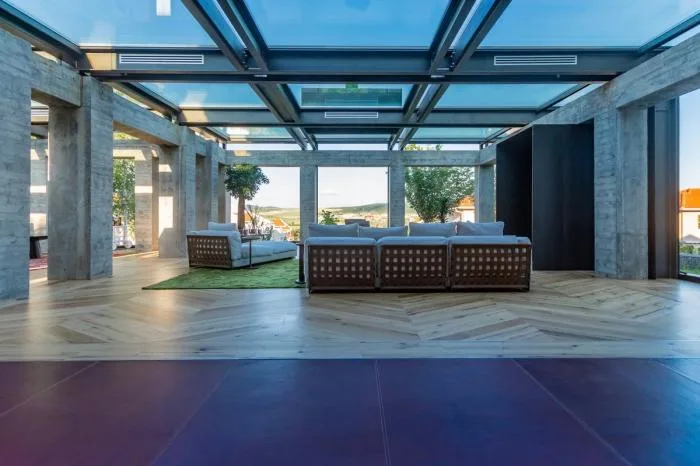
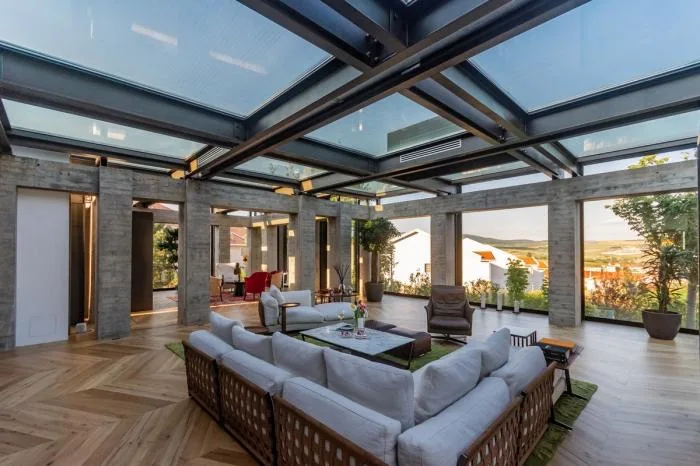
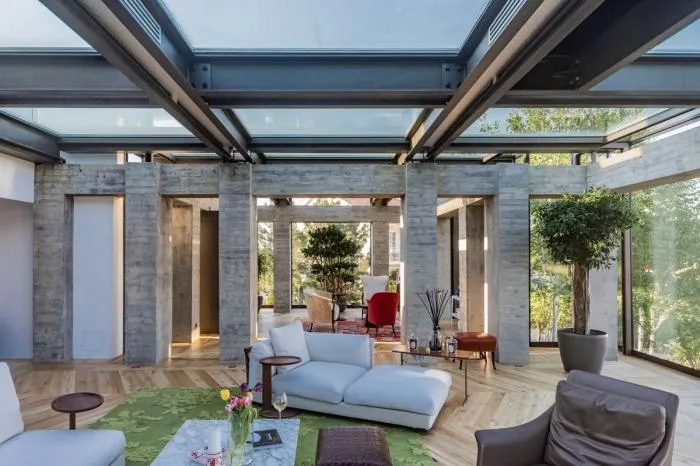
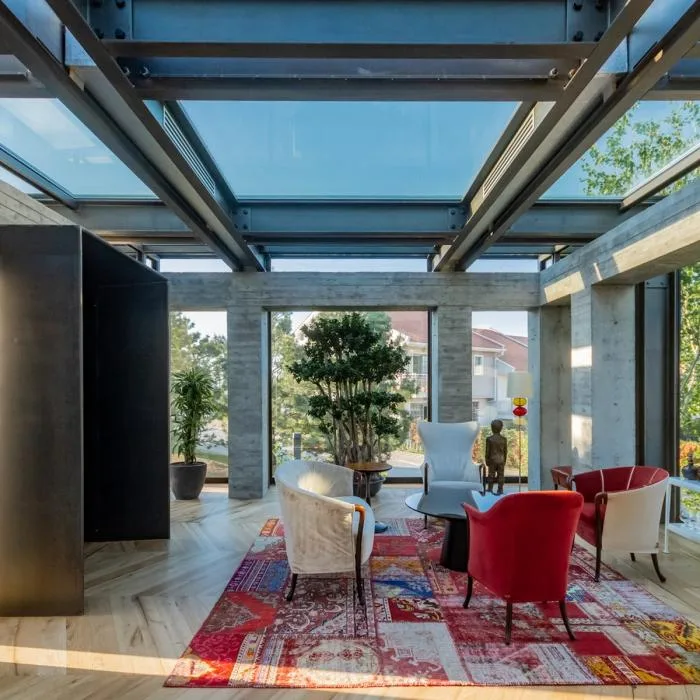
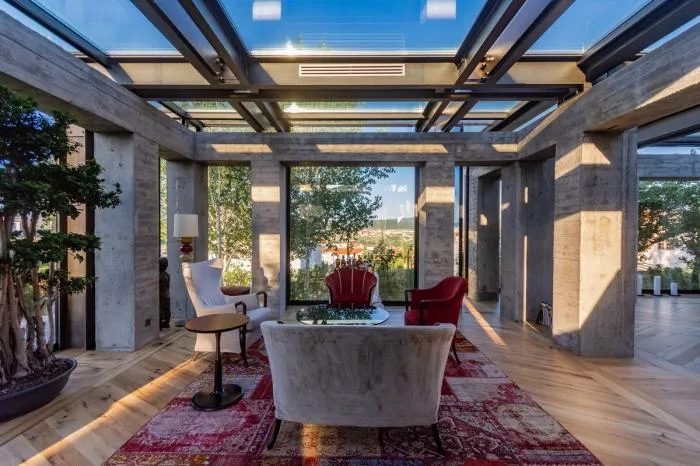
How can we ensure that our intervention energizes the building rather than depletes it? Often, the story emerges when contrasting elements blend. In this case, the concrete columns stand as architectural relics—not as obstacles but as guardians and transmitters of energy. They invite the flow of energy that has been locked outside, isolated, and ignored.
The answer we sought is right here, hovering over the garden. Trust is the foundation of a harmonious partnership. I thank my friend and his family for placing their trust in us throughout this renovation.
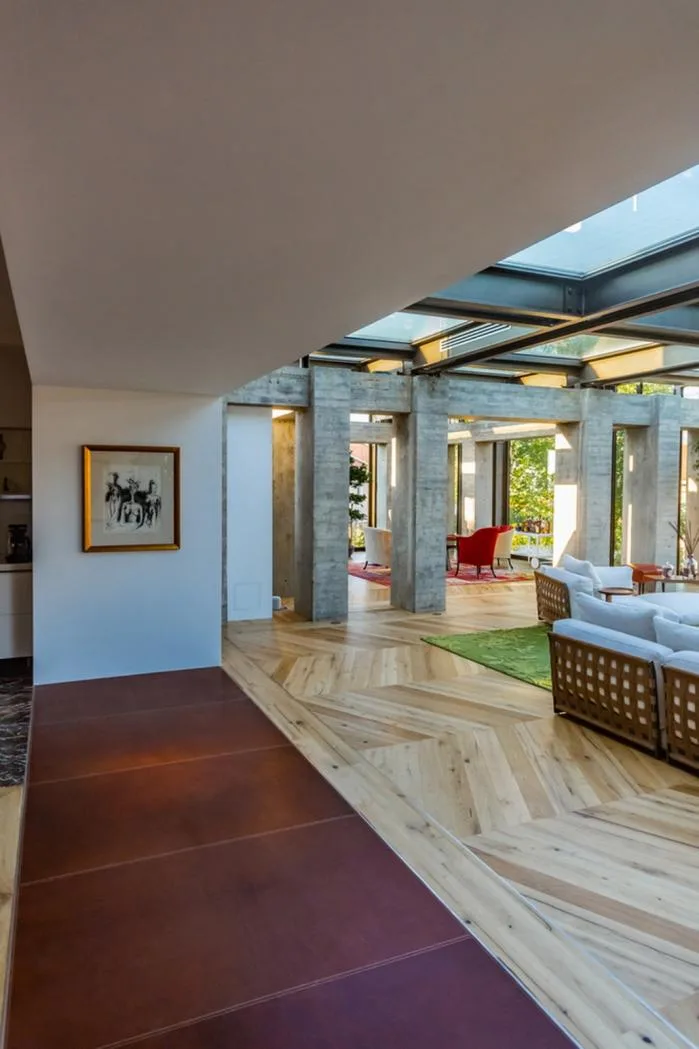
Design Drawings
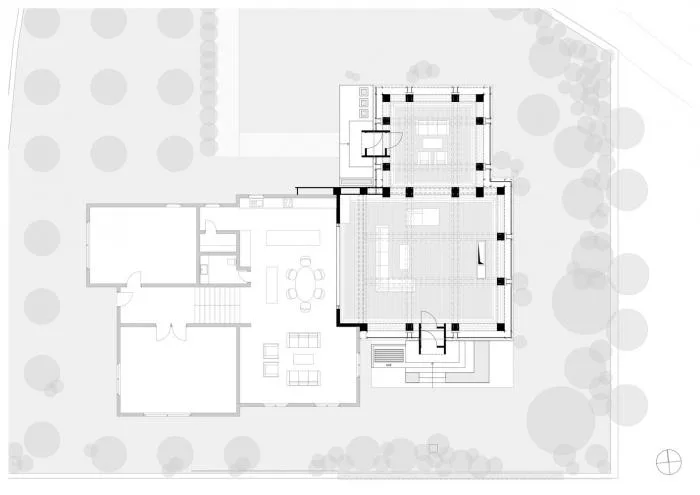
△ Plan View
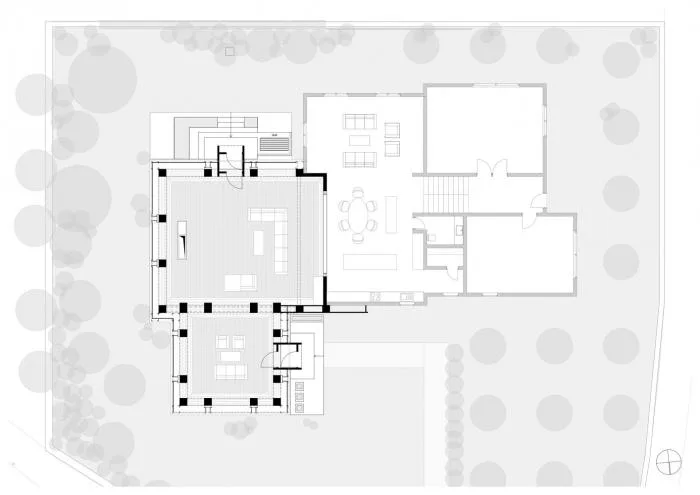
△ Plan View
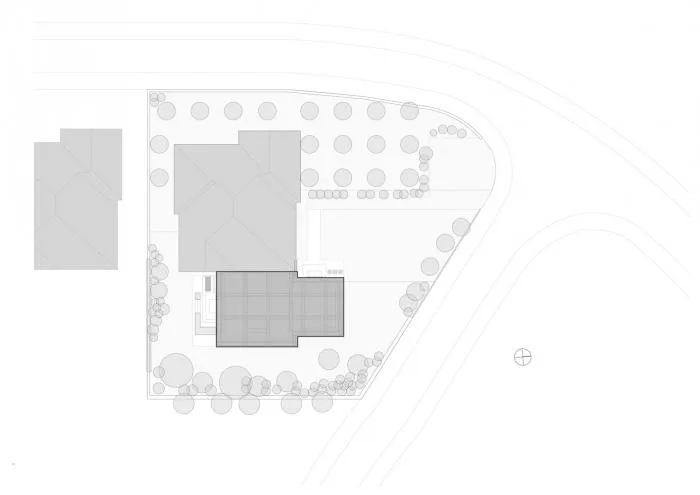
△ Plan View
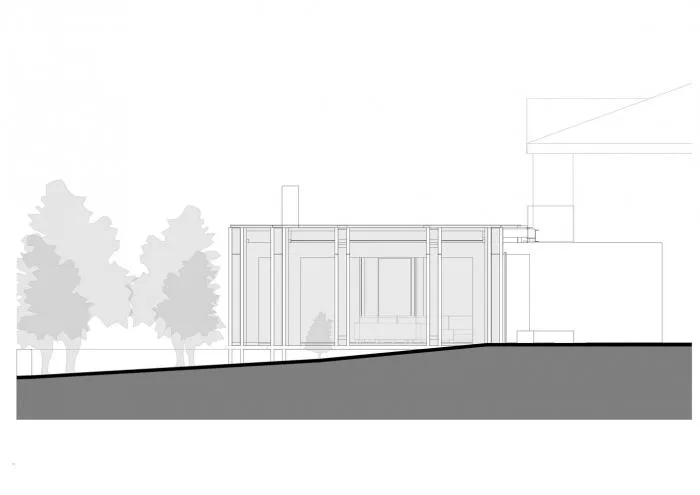
△ Elevation Drawing
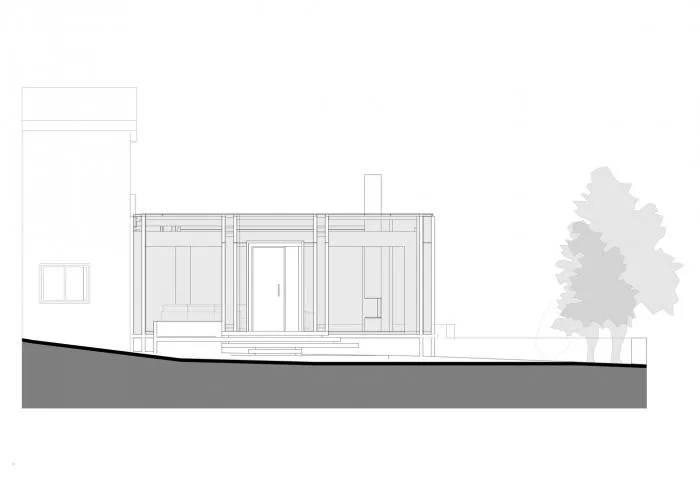
△ Elevation Drawing
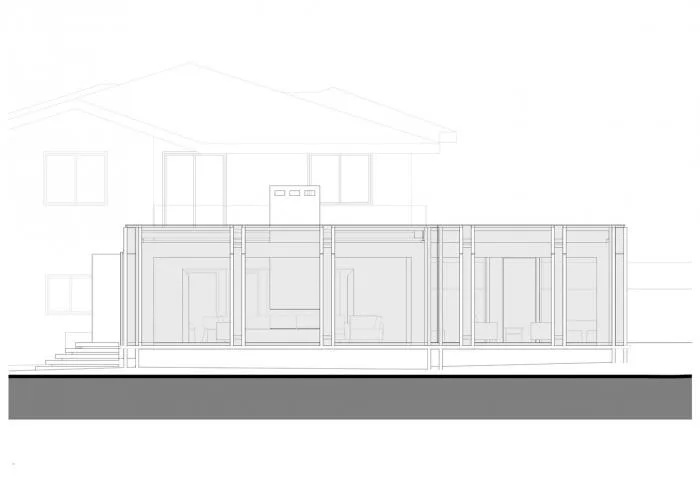
△ Elevation Drawing
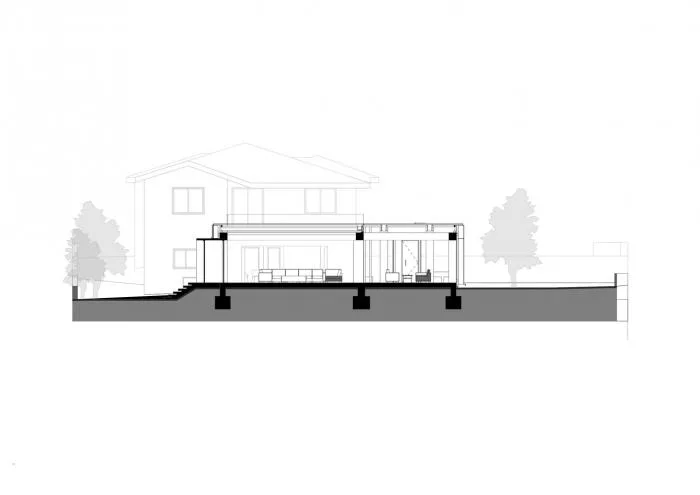
△ Section Diagram
Project Information
Project Type: Independent Residential Building
Location: Prishtina, Kosovo
Architectural Design: 4M GROUP
Area: 170 m²
Year: 2020
Photographer: Fitim Mucaj
Manufacturers: Graphisoft, Guardian Glass, M-Technologie, Metali, Mitsubishi Electric, Mobileria Iliria, Sharrcem, Twinmotion
Design Team: Perpari Rama, Bujar Musa, Fitim Mucaj, Gezim Radoniqi
Clients: Bujar and Shkurta Musa
Structural Design: Metali ks, Feti Selmani
Landscape Design: 4M GROUP
Consultants: Mitsubishi Electric, M-Technologie, Argjend Kepuska
Collaborators: Shkurta Musa, Ilir Gashi, Yll Hoxha












Must log in before commenting!
Sign Up