
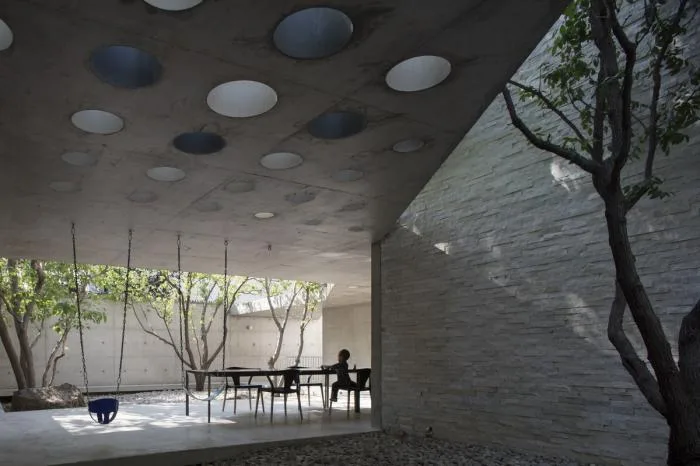
▲ Courtyard
This project involves the renovation of an old house. The original structure was a two-story villa with a basement level, surrounded by open spaces distributed around the building. The key distinguishing feature compared to neighboring villas is the gentle slope on the east side of the property, with a 70cm drop. This subtle slope adds an intriguing element to the otherwise typical villa area.
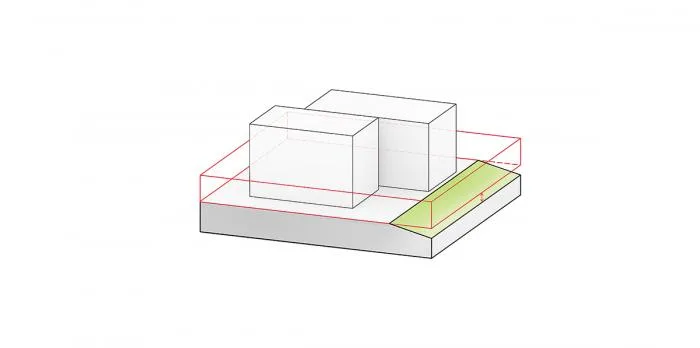
▲ Analysis chart
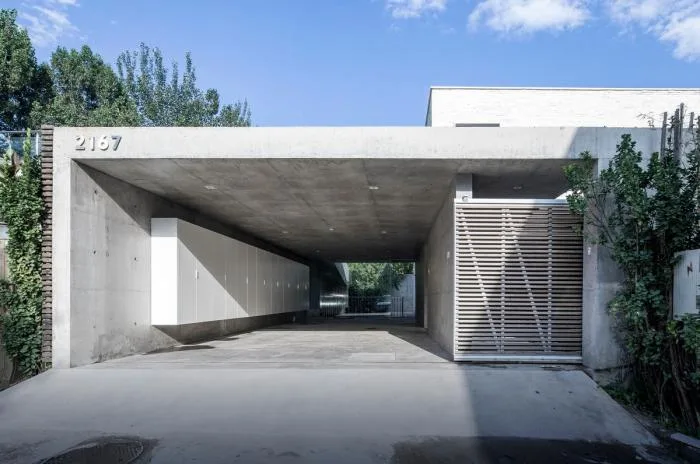
▲ Entrance
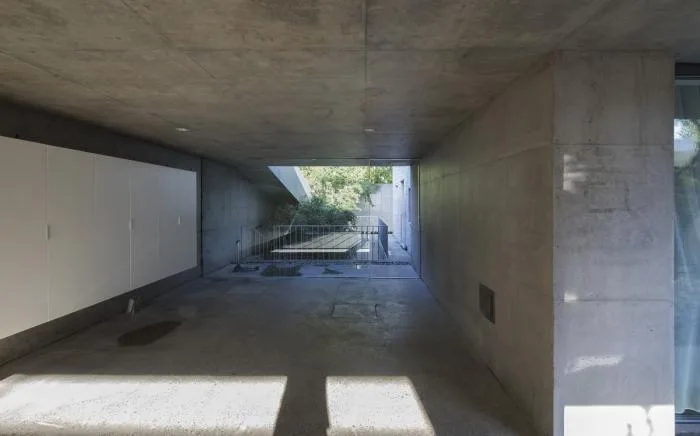
▲ The main entrance faces the inner courtyard
At the outset, the design concept approached the building abstractly, aiming to create a space with fluid and intangible living boundaries. The goal was to unify the various units within the building into a new spatial experience, allowing daily life to extend throughout the entire footprint of the structure. The walls and platforms, crafted from plain concrete, appear to float above the ground, defining a novel spatial realm. A gap forms between this new structure and the eastern slope, giving the courtyard the sensation of hovering in mid-air—detached from its original surroundings and establishing a unique, elevated environment.
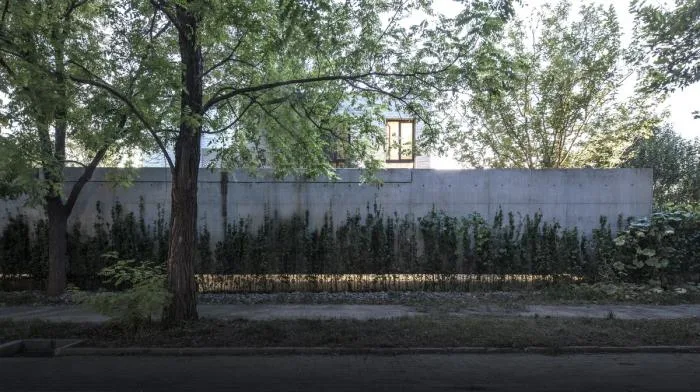
▲ Exterior facade
By integrating various trees and rocks, and using only clear glass to separate indoor and outdoor spaces, the design creates a new environment that feels detached from the ground, almost as if it exists outside the community. Two sunken courtyards are incorporated into the new space, providing natural light and visual transparency to the basement level. These courtyards also establish a vertical spatial hierarchy, introducing variation and defining the above-ground spatial boundaries.
The flat new space on the ground is given a sense of solidity and weight by the 25-meter-long concrete wall, which appears to float above the surface. This creates a unique tension between the physical mass of the concrete and the airy feeling of the space below. The courtyard extends seamlessly to the exterior, connecting with the outside world and deepening the spatial experience.
In everyday use, whether sitting or walking, the combination of void and mass evokes a sense of calm and comfort. This interplay crafts a poetic atmosphere that enriches everyday life.
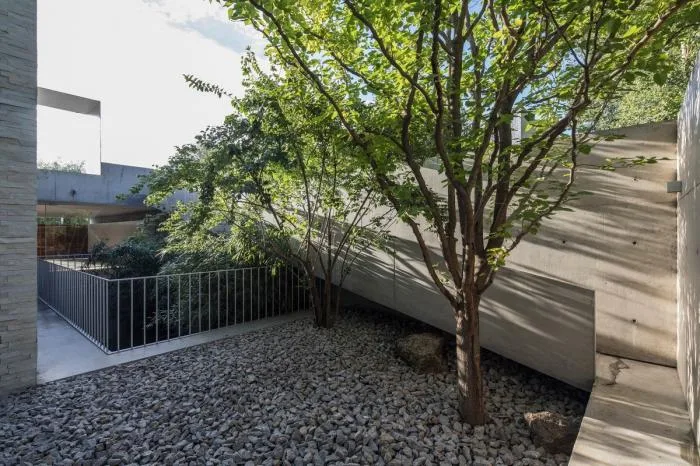
▲ Ramp leading to the roof
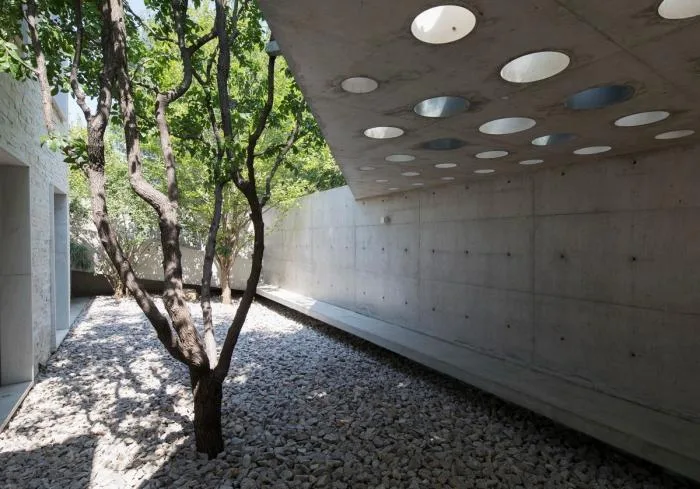
▲ Floating yard
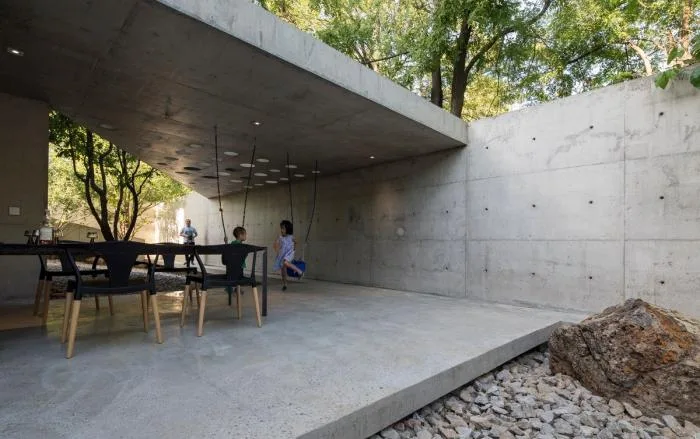
▲ Semi-outdoor platform
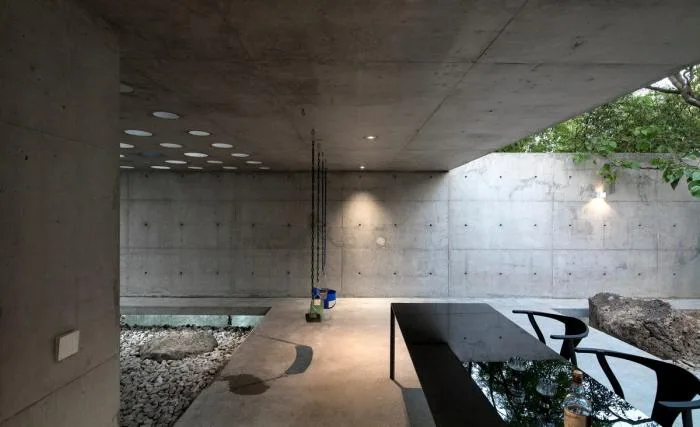
▲ Courtyard
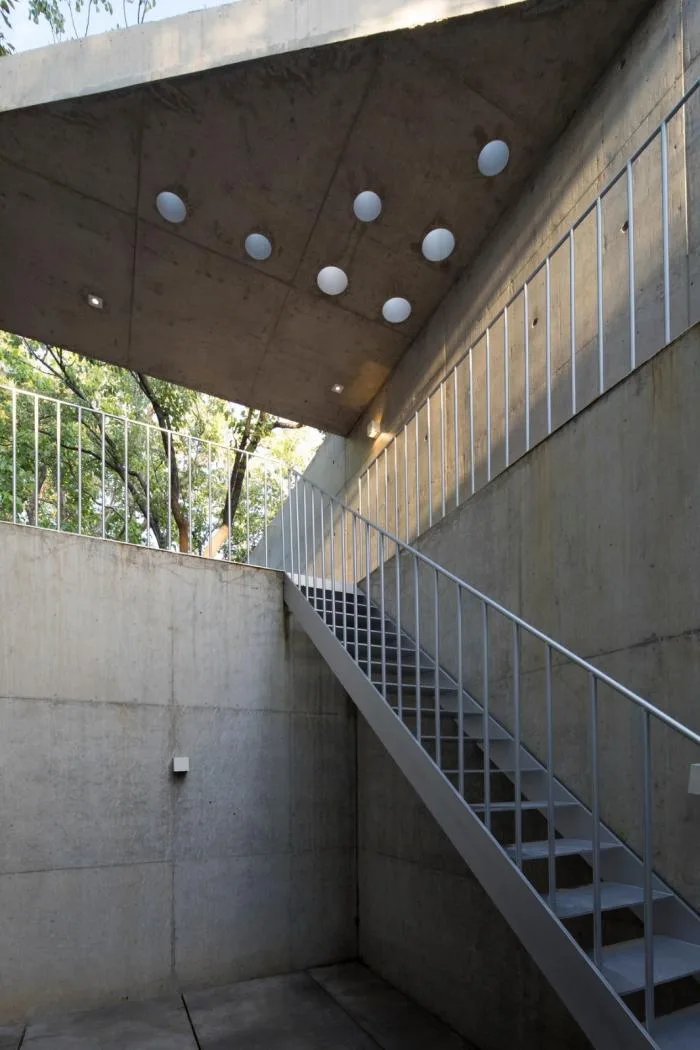
▲ Sunken courtyard
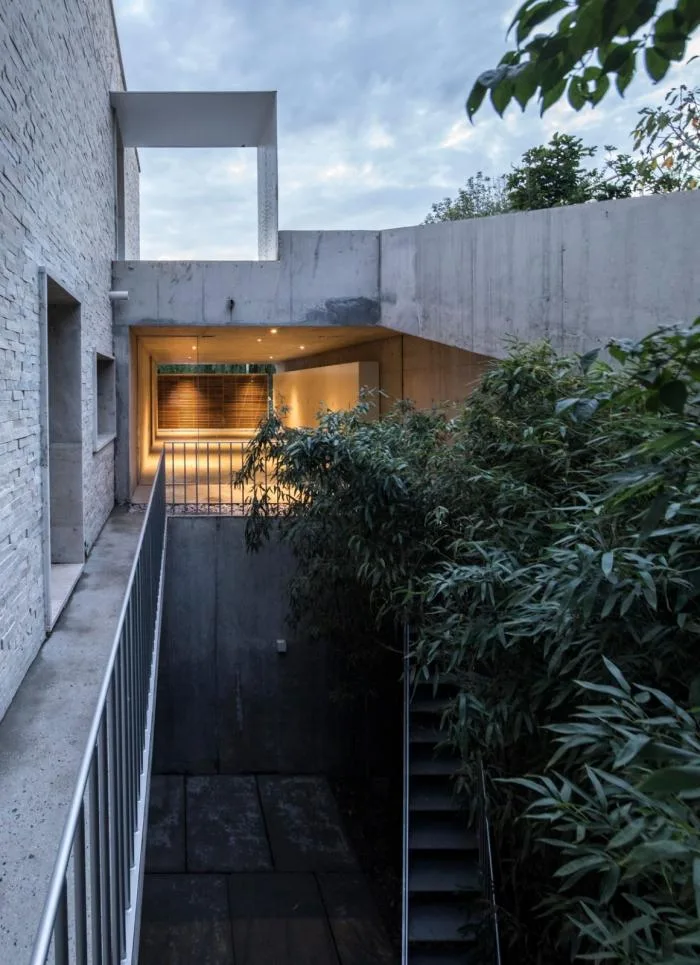
▲ Sunken courtyard
This new space is defined by freedom, featuring a dynamic interplay of semi-outdoor and open-air courtyards that create a richly layered internal environment with ever-changing natural light. Unlike urban spaces, this setting offers a relaxed atmosphere that shields inhabitants from city noise, crafting a unique semi-outdoor landscape within the home. It is a space tailored to everyday life, fostering a new lifestyle enriched by a strong sense of spatial hierarchy.
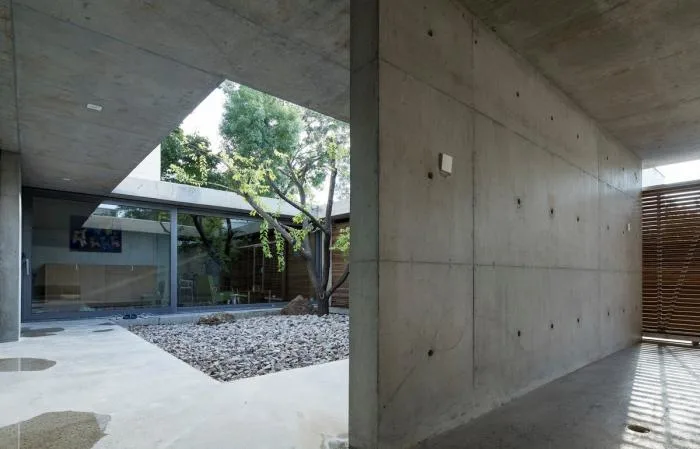
▲ Courtyard
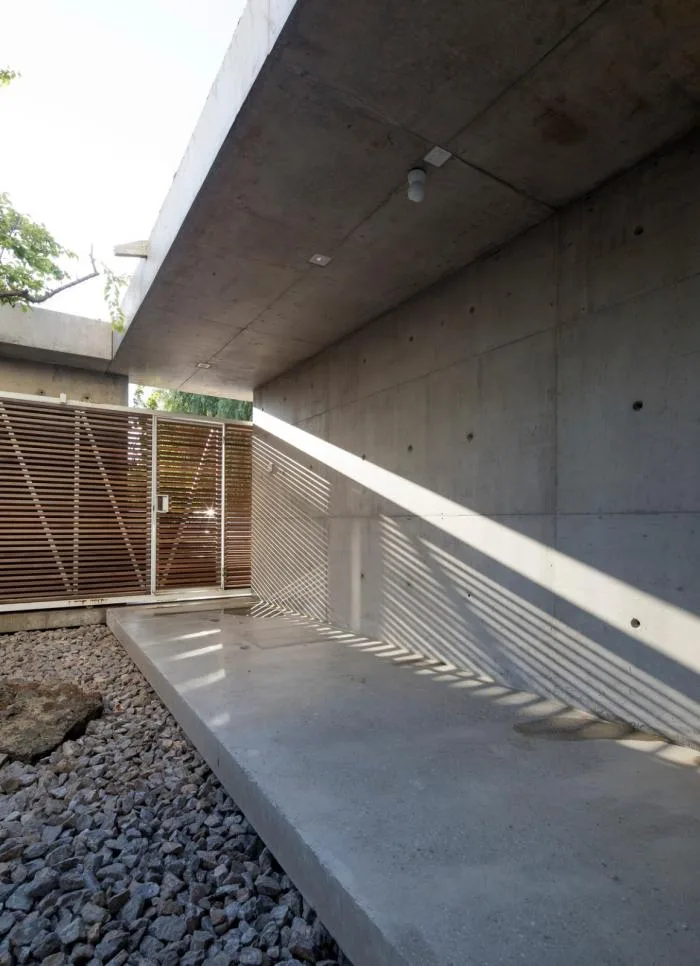
▲ Main entrance
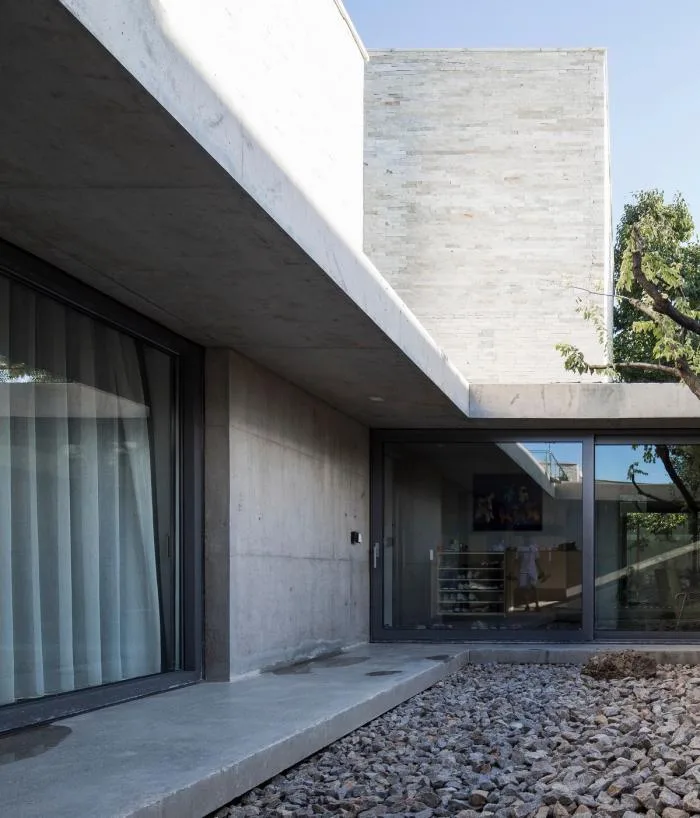
▲ Concrete corridor
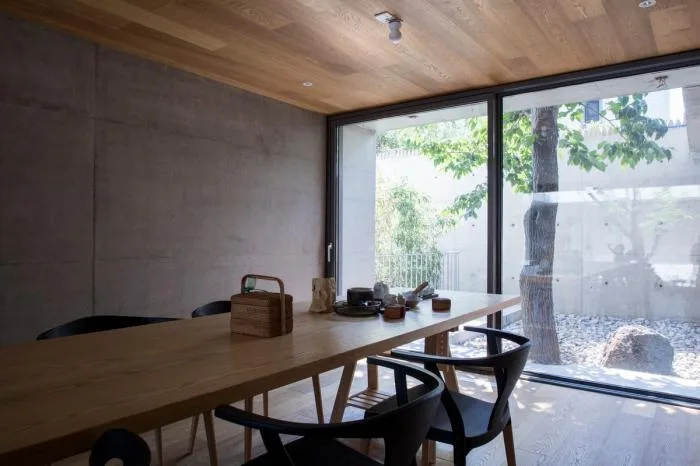
▲ Tea Room
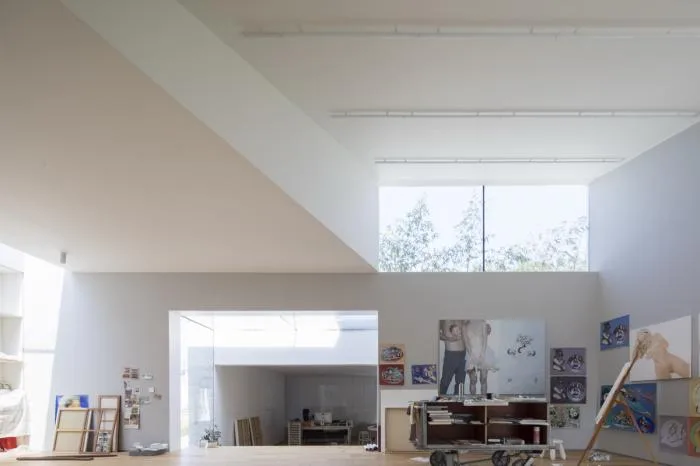
▲ Top Studio
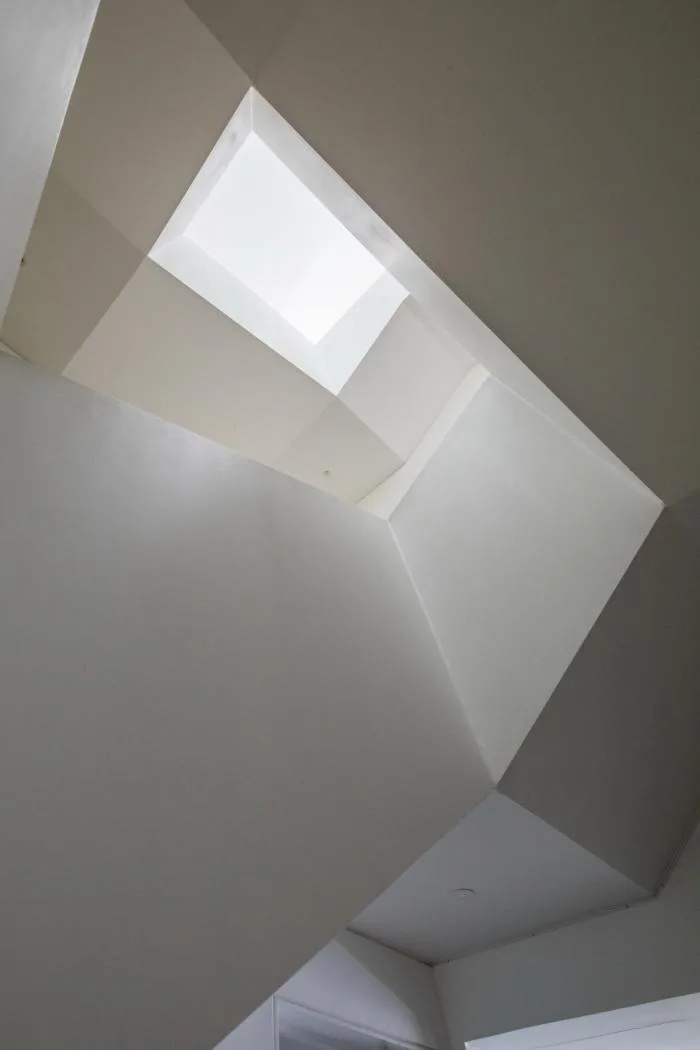
▲ Stairs leading to the art studio
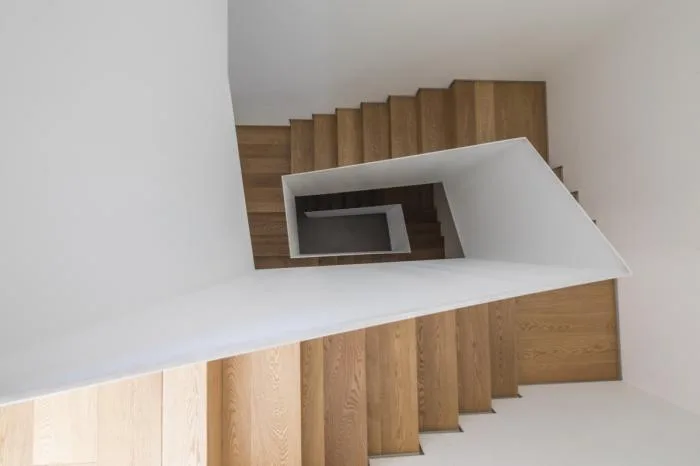
▲ Stairs leading to the art studio
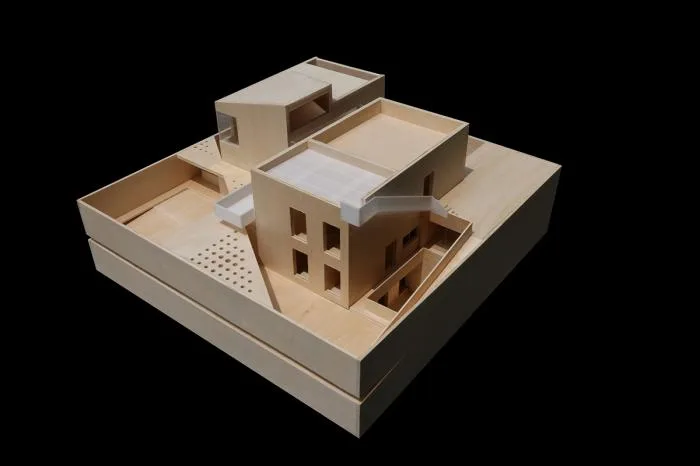
▲ Model photo
Project Drawings
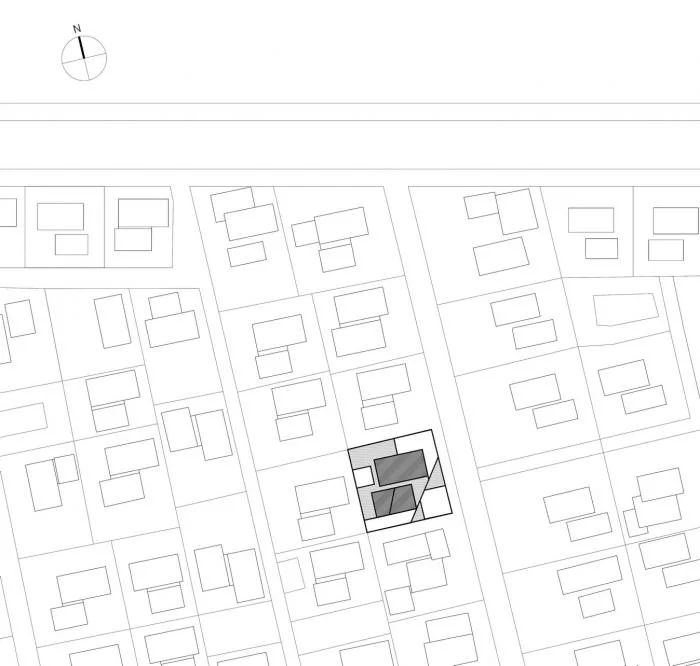
▲ General layout plan
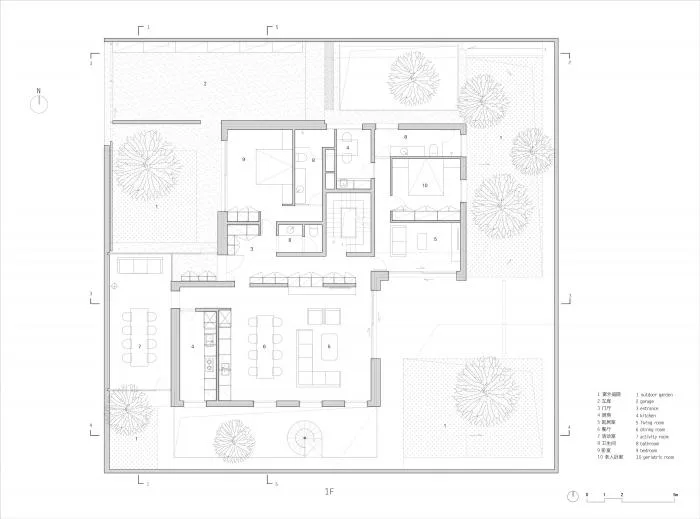
▲ First floor plan
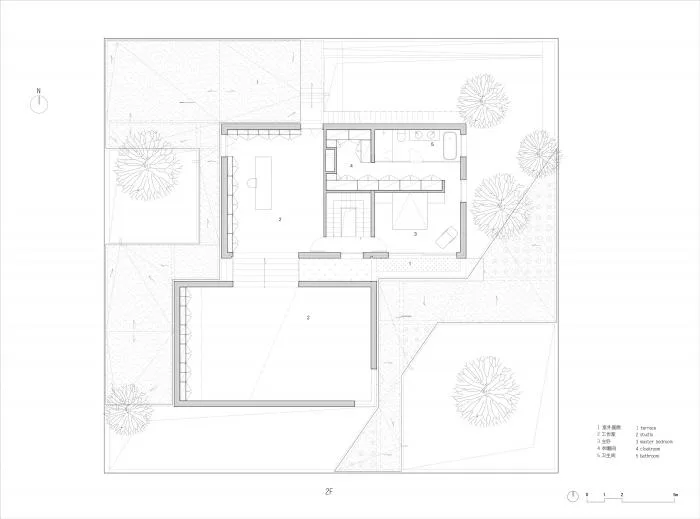
▲ Second floor plan
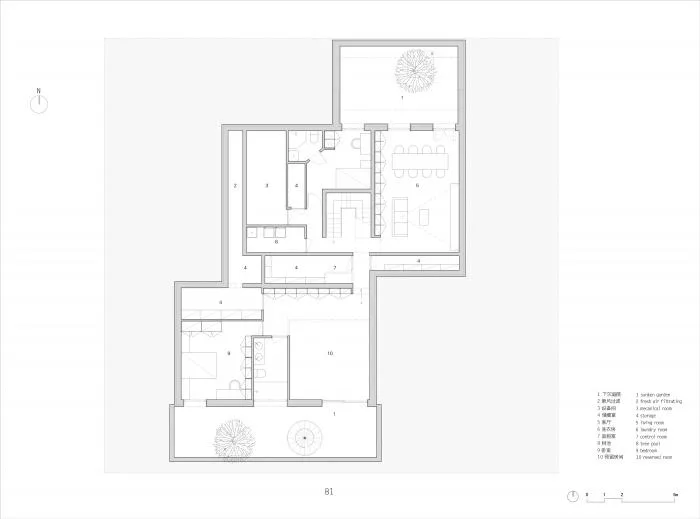
▲ Underground floor plan
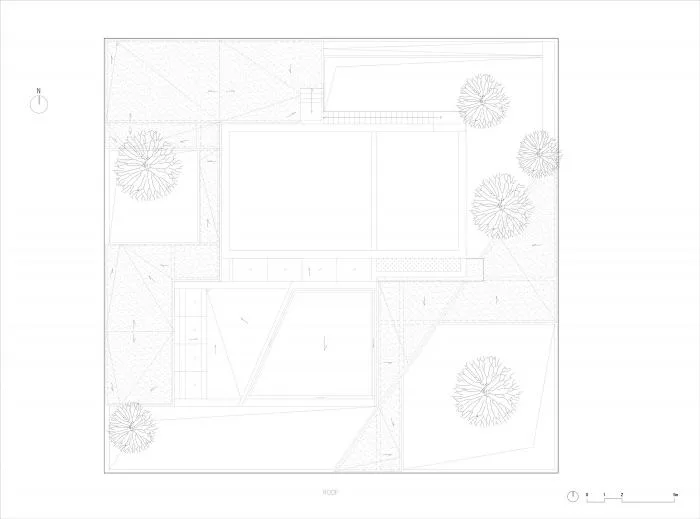
▲ Roof plan
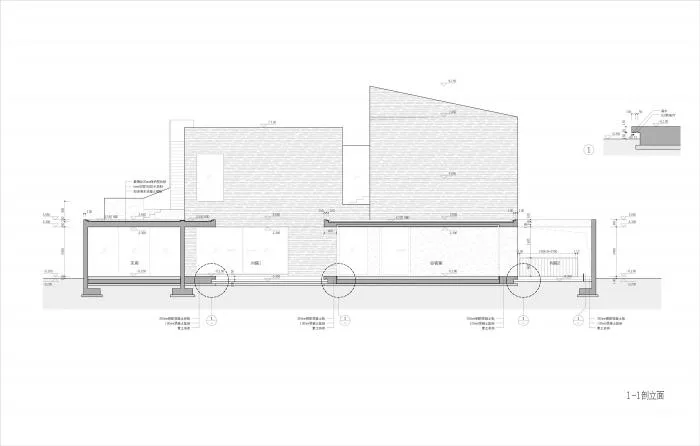
▲ Section 1-1
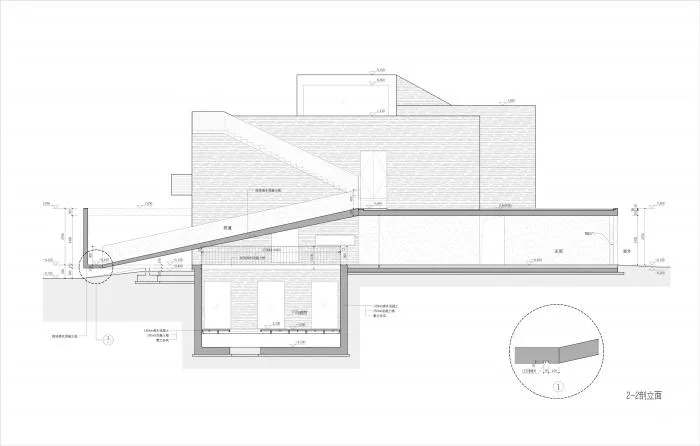
▲ Section 2-2
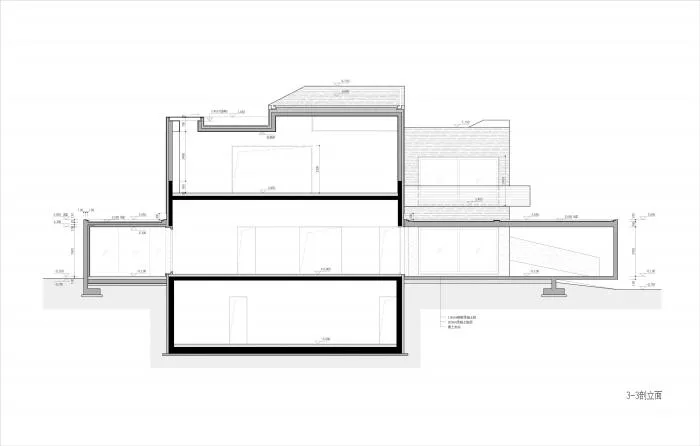
▲ Section 3-3
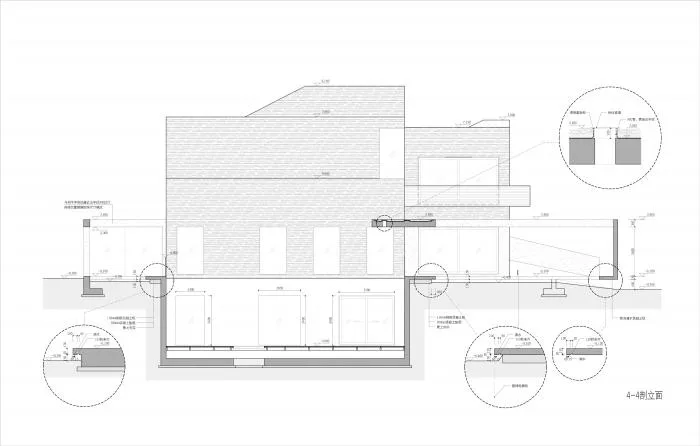
▲ Section 4-4
Project Information
Project Name: Floating Institute
Architectural Design: TAOA Tao Lei Architecture
Company website: __AI_ST_URL_0__
Contact email: __AI_S_SC0__
Company Address: Beijing
Year of Completion: 2018
Project Location: Beijing, China
Lead Architect: Tao Lei
Photography Copyright: Tao Lei
Design Team: Tao Lei, Chen Zhen, Kang Bozhou, Li Jing, Zhang Jinghong
Structure: Li Ge’s Team
Landscape: TAOA Tao Lei Architecture
Interior Design: TAOA Tao Lei Architecture
Construction: Sheng Changwei Team












Must log in before commenting!
Sign Up