
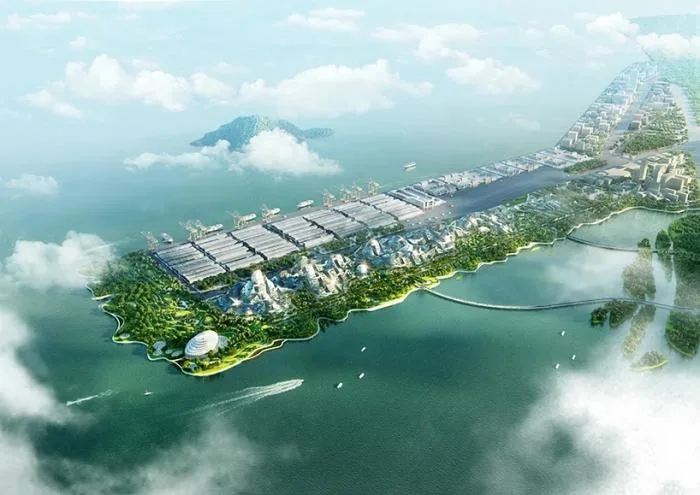
MVRDV has unveiled its project proposal and design process for Tencent’s new office headquarters, a leading technology company in China. This ambitious development is situated in the prime location of Qianhai Bay, Shenzhen, spanning 133 hectares. The site includes office buildings, employee residences, commercial spaces, public facilities, schools, and conference centers. The smart campus is designed to resemble a rolling mountain range, with a waterfront park meandering around the perimeter.
© atchain
To keep pace with its rapid growth, Tencent initiated planning for its new headquarters immediately after completing the current Shenzhen office – the Tencent Binhai Building. Yet, this tech giant envisions its next “home” as a vast campus requiring two million square meters of construction space to accommodate 80,000 to 100,000 employees. Additionally, Tencent aims for the new campus to serve as a flagship smart city, demonstrating how cutting-edge technology can drive urban transformation.
© atchain
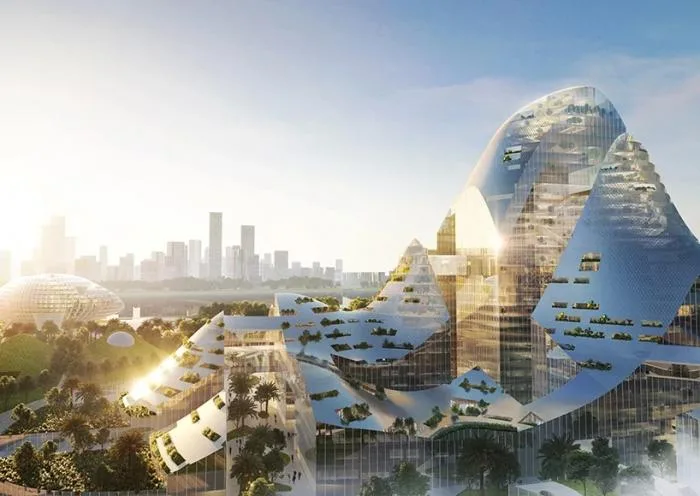
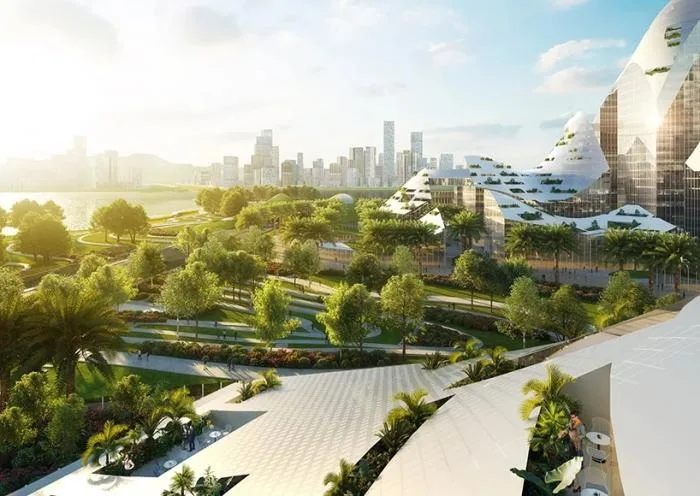
MVRDV’s extensive research culminated in a competition entry envisioning a campus with over 100 interconnected buildings featuring continuous photovoltaic panel roofs. These buildings are linked by multiple bridges, creating a seamless surface reminiscent of mountain ridges. Along the eastern edge of the site, a waterfront park winds its way beside the bay, extending into terraces filled with lush greenery that connect to the ground floors of adjacent buildings.
© atchain
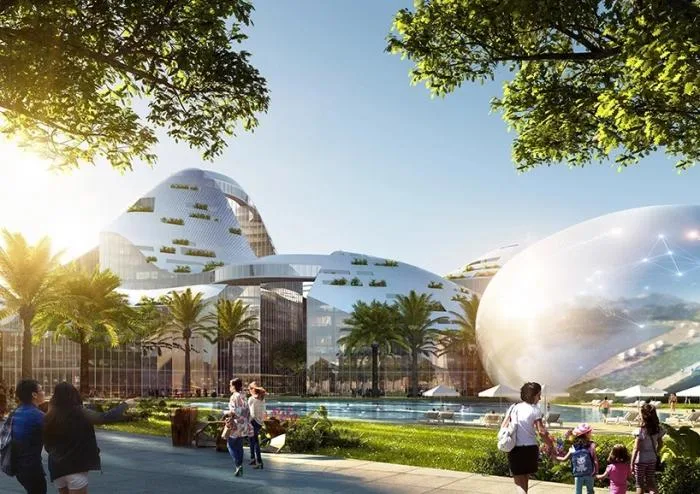
The campus also includes numerous public facilities such as a school, kindergarten, sports center, and data center. At the southern tip stands the most iconic building — the conference center, designed to resemble a rock anchored at the foot of a mountain, symbolizing Tencent’s global reach at the gateway to Qianhai Bay.
© atchain
At the crossroads of the campus lies the “beating heart” of the project — Information Square. This spherical space is carved from the corners of four surrounding buildings and displays real-time data about the park’s daily operations, including occupancy and carbon utilization rates. A key smart city feature is the campus’s transport strategy: an expressway on the east side leads to four underground parking garages, while the internal road network is dedicated to autonomous vehicles and employee shuttles, ensuring smooth and sustainable mobility. Subway and bus lines run along both the east and west edges, connecting the campus seamlessly to the rest of Shenzhen.
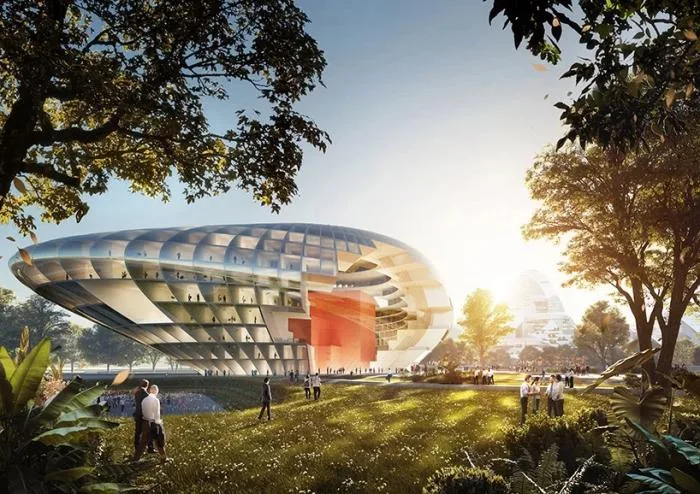
© atchain
“Our research and competition entry for Tencent Park aim to prove that smart cities can also be green cities,” said Winy Maas, founding partner of MVRDV. The campus is anchored by a futuristic data center and infused with smart city technologies throughout. Tencent employees will feel immersed in advanced technology, but they will also be surrounded by nature — with winding parks, short walking trails, and green terraces integrated throughout the site.
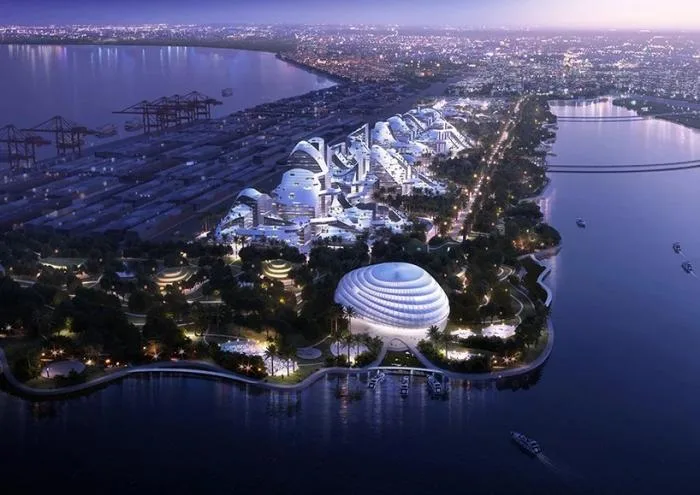
© atchain
During the design process, MVRDV conducted extensive research to achieve an optimal solution. The team created 28 different design iterations, forming a “design lineage” that explored multiple evolutionary paths as they integrated key qualities into previous concepts. All research was scripted, offering a novel approach to designing and managing future smart cities. Maas added, “The final proposal entering the competition finals synthesizes all these iterative results, presenting a diverse, flexible, green, dynamic, open, adaptable, and above all, visionary technology park.”
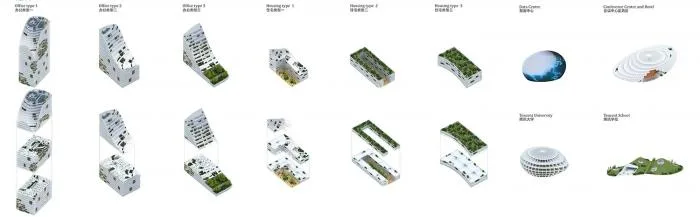
▲ Park buildings © MVRDV
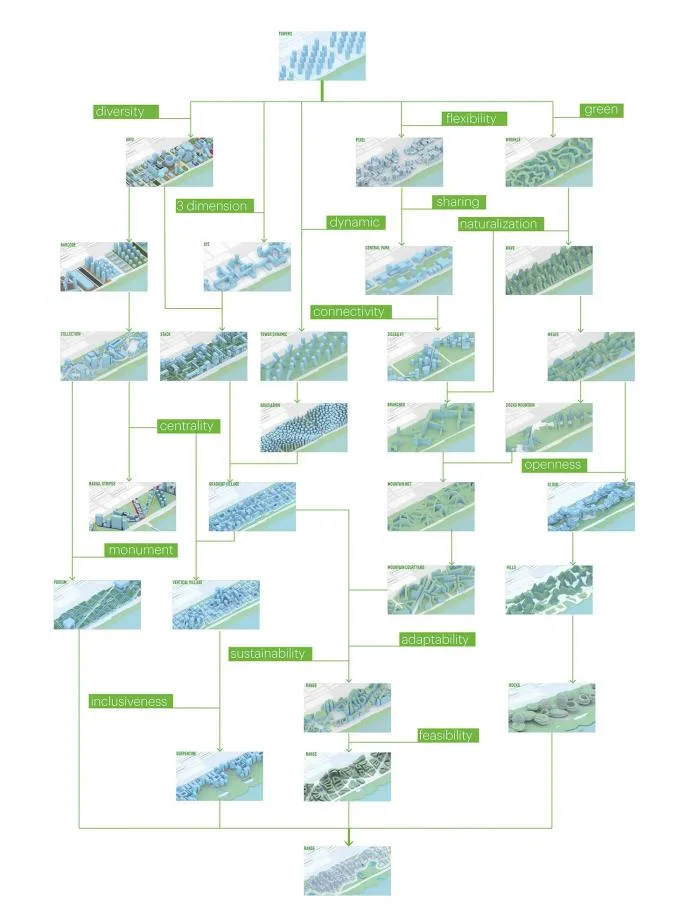
▲ Design Genealogy © MVRDV
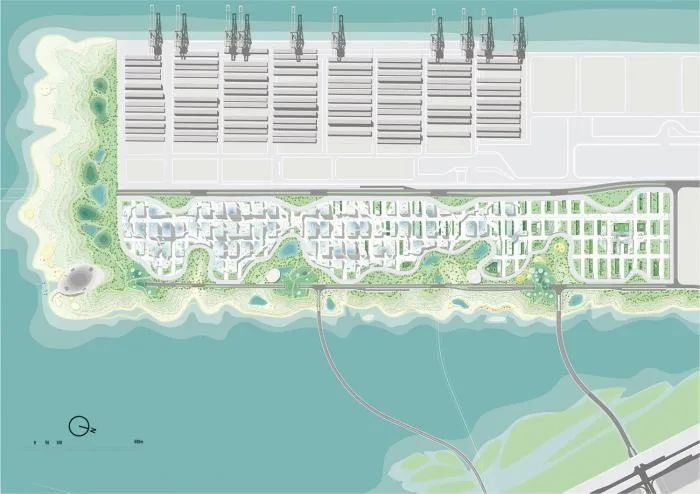
▲ Overall Planning © MVRDV
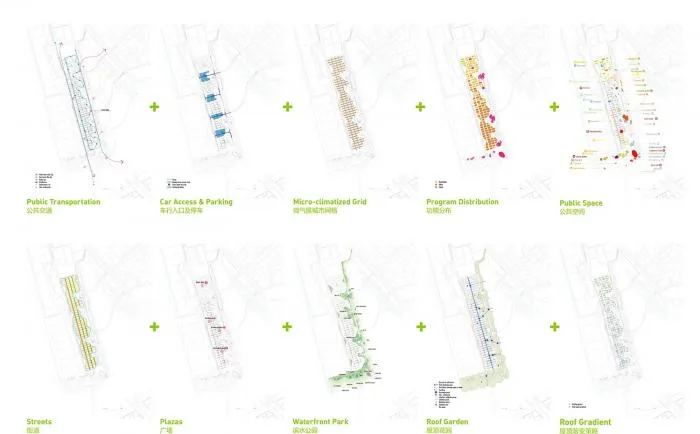
▲ Overall Planning Layering © MVRDV
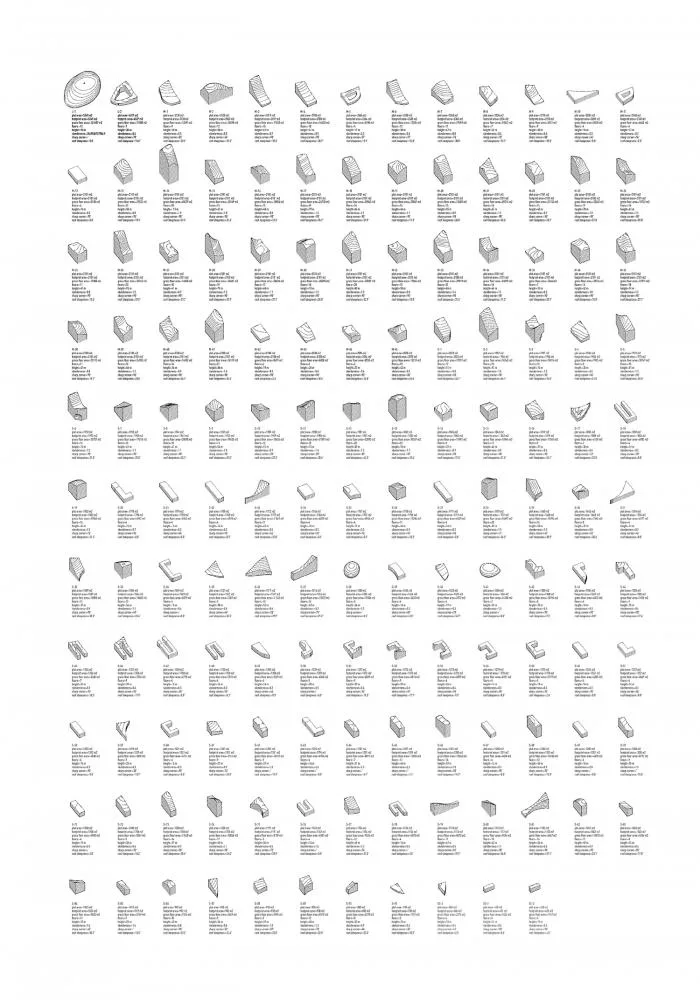
▲ Parameterized Design © MVRDV
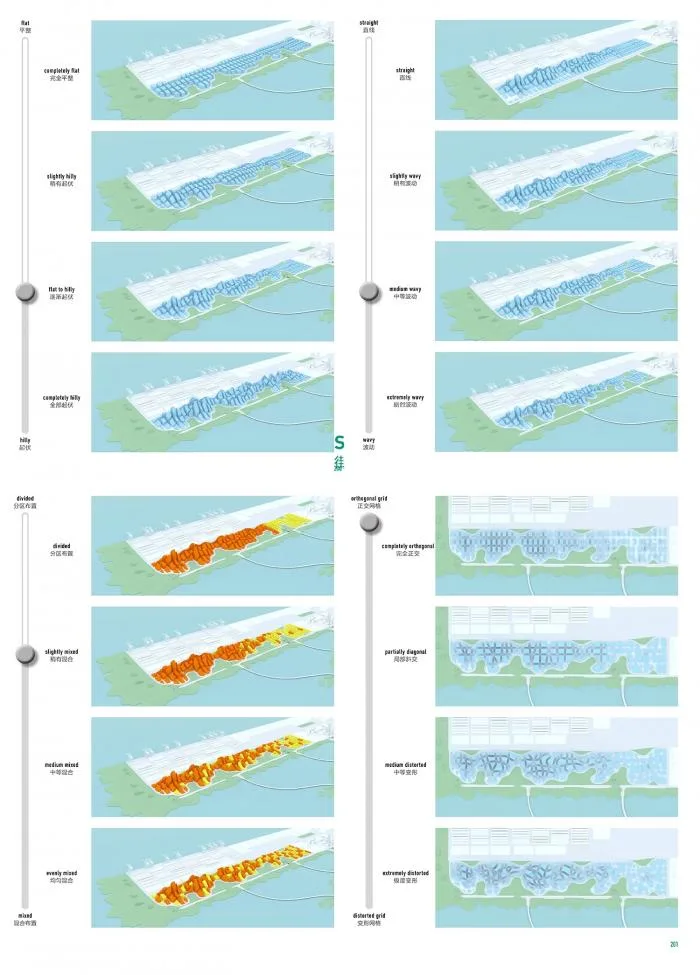
▲ Parameterized Design © MVRDV
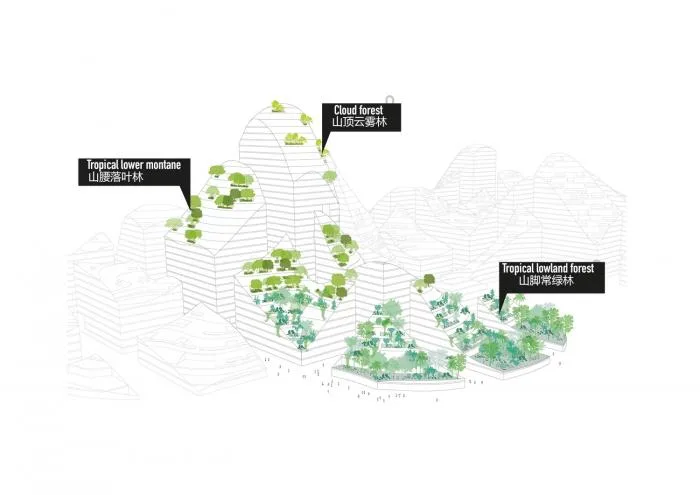
▲ Sustainability Analysis © MVRDV
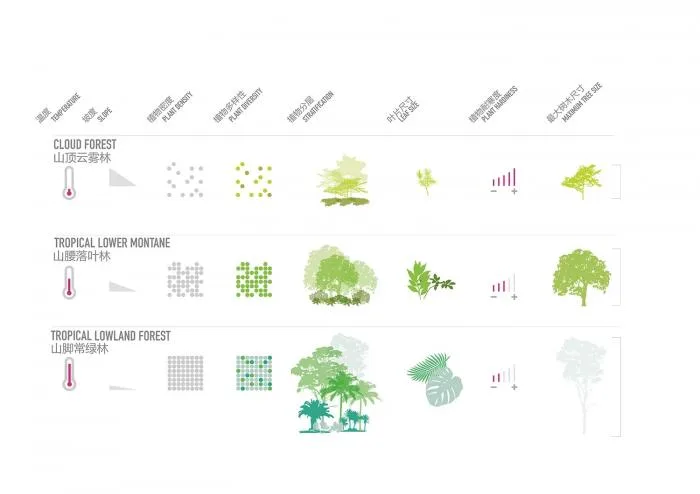
▲ Sustainability Analysis © MVRDV
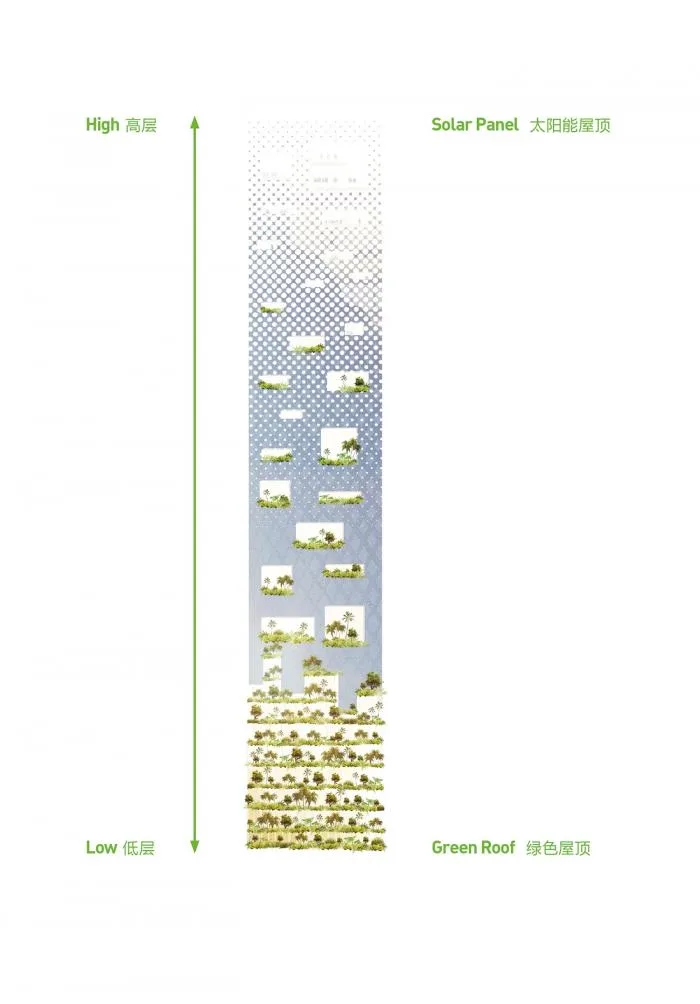
▲ Sustainability Analysis © MVRDV
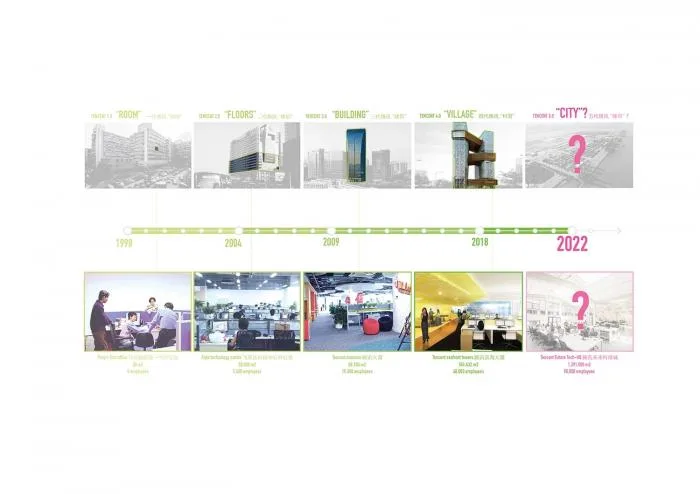
▲ Tencent Park Evolution © MVRDV
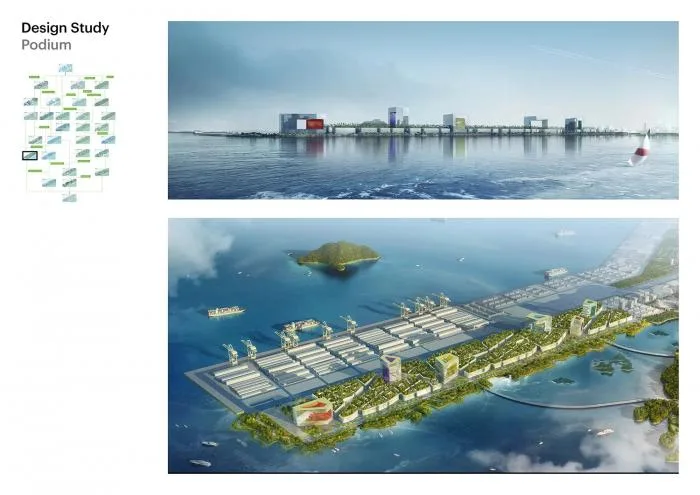
▲ Design Research © atchain + Lights CG
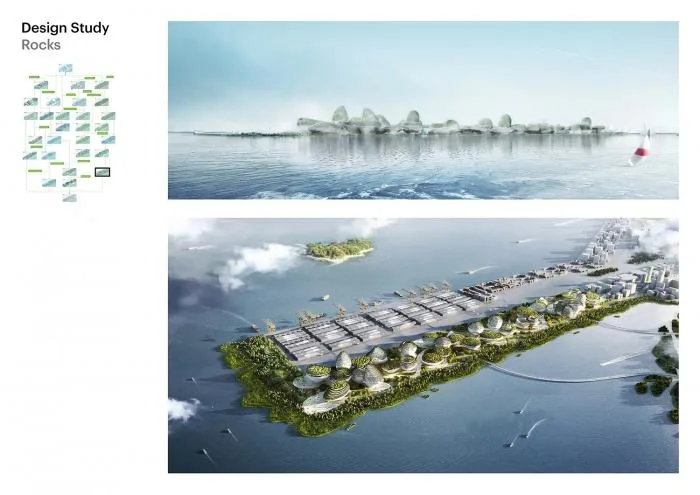
▲ Design Research © atchain + Lights CG
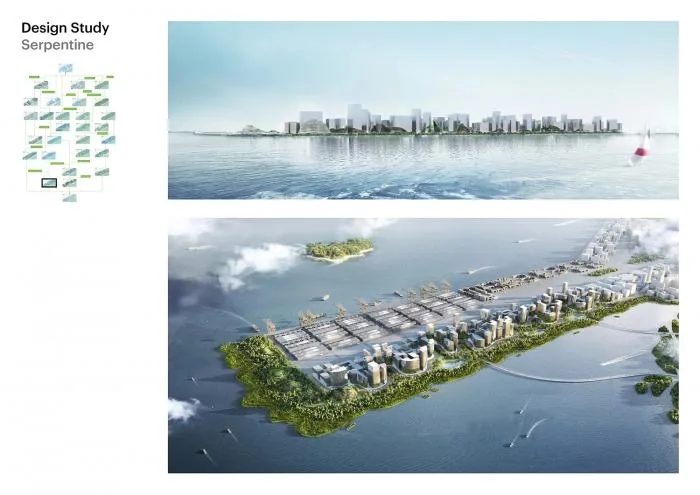
▲ Design Research © atchain + Lights CG
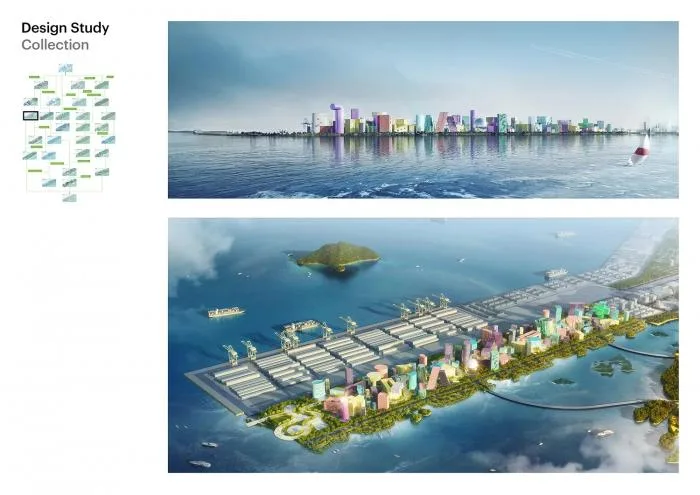
▲ Design Research © atchain + Lights CG
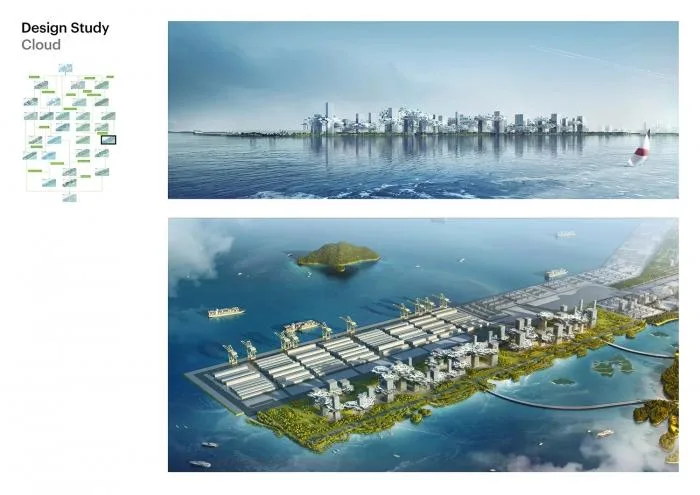
▲ Design Research © atchain + Lights CG
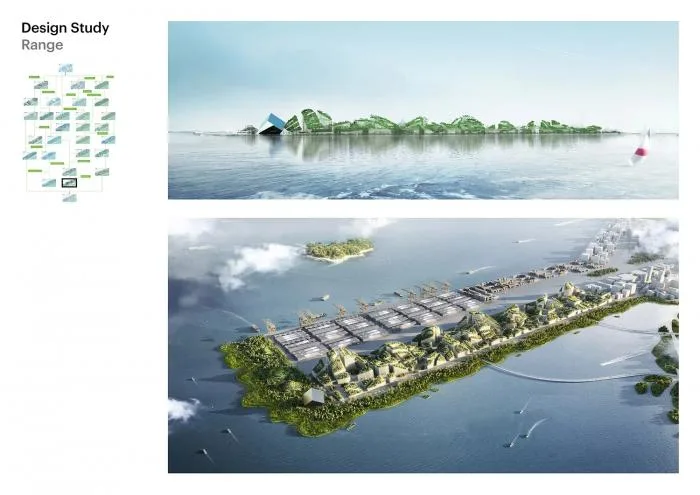
▲ Design Research © atchain + Lights CG
Project Information:
Project Name: Tencent Park
Location: Qianhai, Shenzhen, China
Year: 2019
Client: Tencent
Scale: 2 million square meters encompassing office, residential, cultural, and educational facilities
Architectural Firm: MVRDV
Founding Partners in Charge: Winy Maas, Jacob Van Rijs
Collaborator: Wenchian Shi
Design Team: Kyo Suk Lee, Marco Gazzola, Shengjie Zhan, Seul Lee, Yayun Liu, Daehee Suk, Dong Min Lee, Cosimo Scotucci, Andrius Ribikauskas, Luca Beltrame, Sen Yang
Visualization Team: Antonio Luca Coco, Francesco Vitale, Pavlos Ventouris, Kirill Emelianov, Costanza Cuccato, Giovanni Coni, Davide Calabro, Tomaso Maschietti
Sustainability Consultant: Peter Mensinga
Project Coordination: Jammy Zhu
Image Credits: MVRDV, Atchain, Lights CG
Copyright: MVRDV 2018– (Winy Maas, Jacob Van Rijs, Nathalie De Vries)
Landscape Architect: Topotek 1
Engineering, Transportation, Climate Analysis, Water Management: Burohappold Engineering
Smart Cities and Digital Strategy: Carlo Ratti Associate, Prof. IR. Elphi Nelissen (TU Eindhoven)
Renewable Energy Consultant: Samuel Op Den Orth
Communication Strategy: Kesselskramer












Must log in before commenting!
Sign Up