
Ya’an Huajian Hall – Tea Horse Company is nestled at the foot of Ya’an Mengding Mountain, just a 1.5-hour drive from Chengdu. While Ya’an is widely known for a significant earthquake a decade ago, it is, in fact, the birthplace of tea cultivation in China. This region saw the earliest successful artificial tea farming and served as the starting point of the historic Tea Horse Ancient Road. Since the Song Dynasty, an official institution called the Tea Horse Company has managed the trade of Sichuan tea and Tibetan horses here. The region’s tea heritage thrives thanks to its unique geographical and climatic conditions. Known as a famous rain city in BIM, Ya’an is also said to be the only place untouched by the mythical repairs of Nüwa. This spirit is deeply tied to its distinctive natural environment and rich cultural resources.
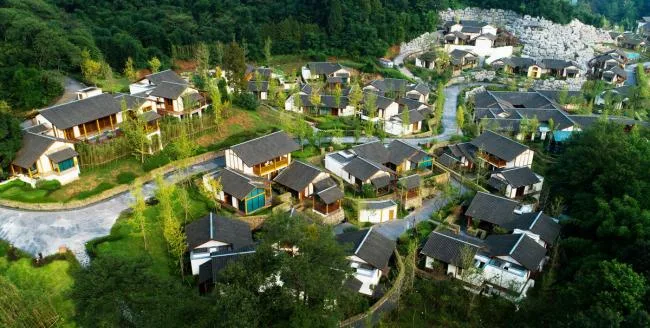
Despite its reputation as a rainy city, most rainfall occurs at night, leaving the days mostly dry and pleasantly cool. The local tea is well-known for its warming qualities. The abundant vegetation and the lifestyle here exemplify Sichuan’s characteristic “nourishing” way of life. From the outset, we aimed to transform this location into a living example of “ruralism,” celebrating the prosperous village culture from the Tea Horse Company era and showcasing the nourishing lifestyle of western Sichuan.
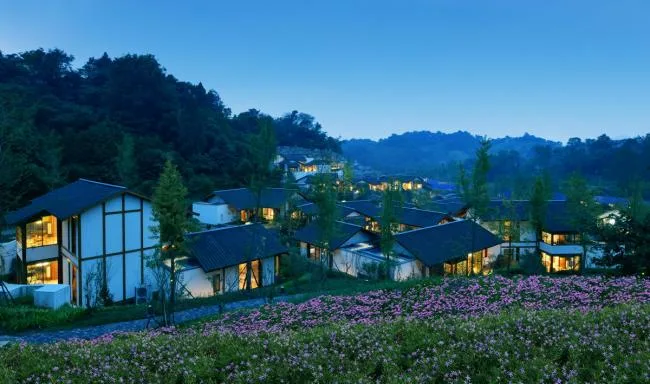
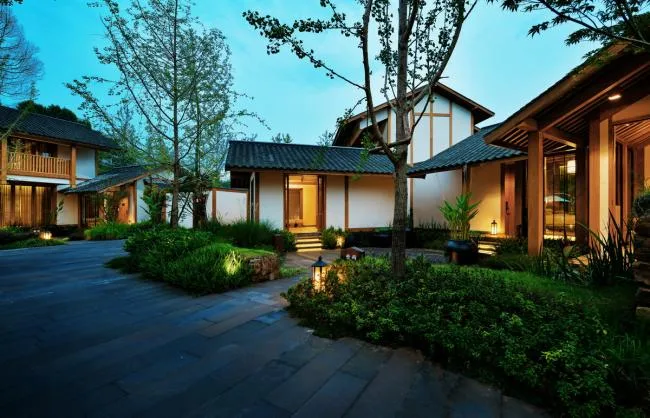
The yearning for village life stems not only from nostalgia but also from a deep-rooted genetic memory. For tens of thousands of years, human life has been intertwined with village communities, a memory that hasn’t been erased by centuries of urban living. Resorts play a vital role in awakening this primal need for community connection, creating authentic “villages” where people can enjoy true vacation living.
Diversity is a defining feature of ruralism. Our master plan is designed to create a “diversified” environment, divided into three parallel zones along the Huai River. The north and south zones focus on the lobby and restaurant, while the central zone centers around activity areas and a swimming pool.
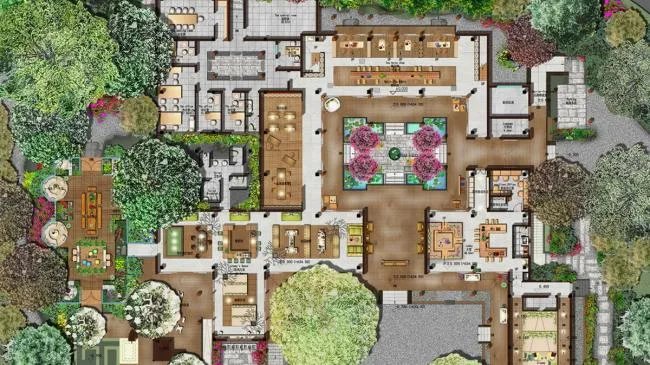
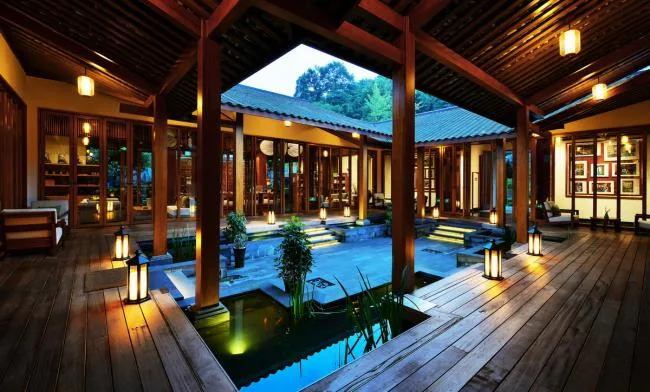
All buildings are arranged in a traditional courtyard style. The lobby transcends its typical function, serving as a series of public activity spaces centered around a classic Western Sichuan courtyard.
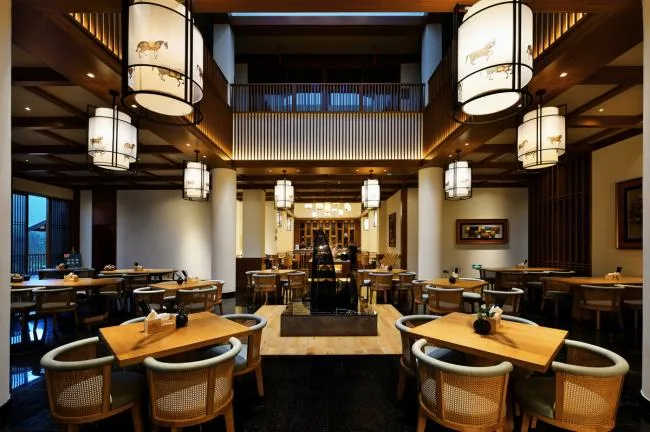
The restaurant goes beyond just dining; it serves as a vibrant gathering and living space within the village. The guest rooms are organized around multiple courtyard levels, forming the core spatial experience.
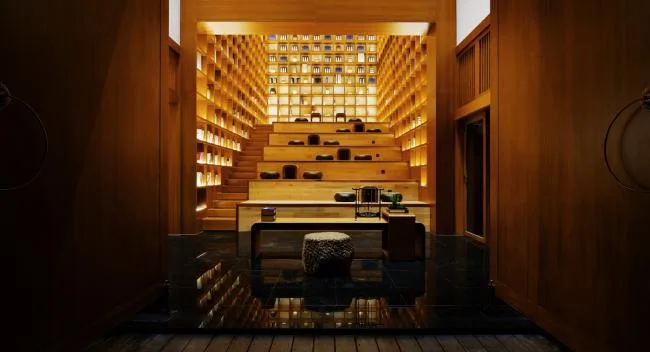
The concept of “diversity” here is deeply rooted in a broad understanding of village life. Functional layouts and business models closely reflect everyday behaviors. We also introduced flexible “in-between” spaces beneath porches, blending indoor and outdoor living areas, which have proven to be especially inviting and charming.
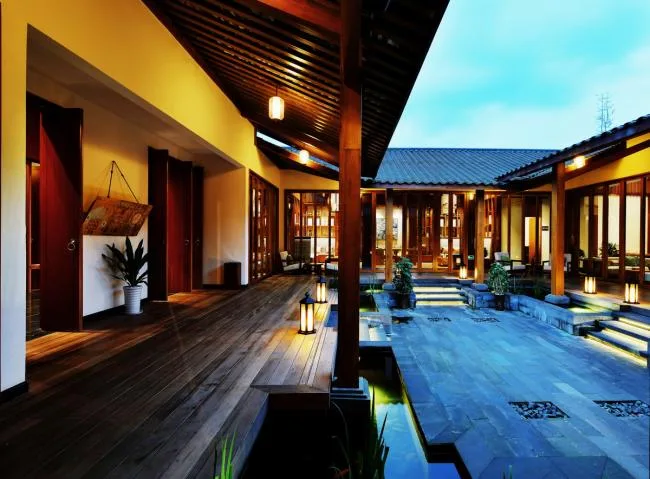
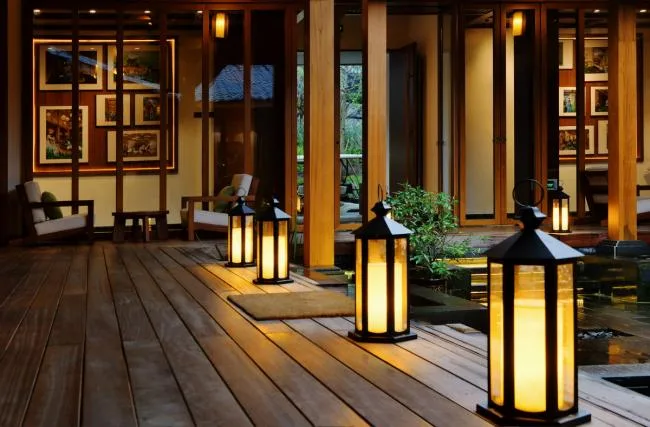
Another hallmark of our ruralism is the embrace of the “non-daily” experience. Simply replicating classic villages—often seen as “fake antiques” or touristy “scenic spot” styles—is not the vision we have for a vacation village.
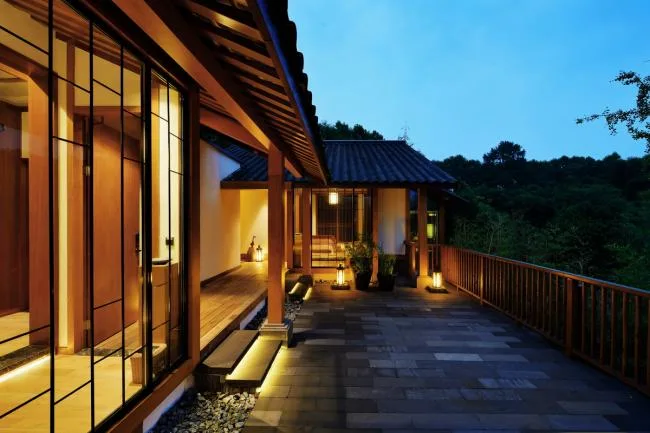
At its core, a resort should not be about taking photos, chasing social media fame, or design trends. Instead, it offers a different lifestyle—a “non-daily” rhythm that inspires and enriches everyday life.
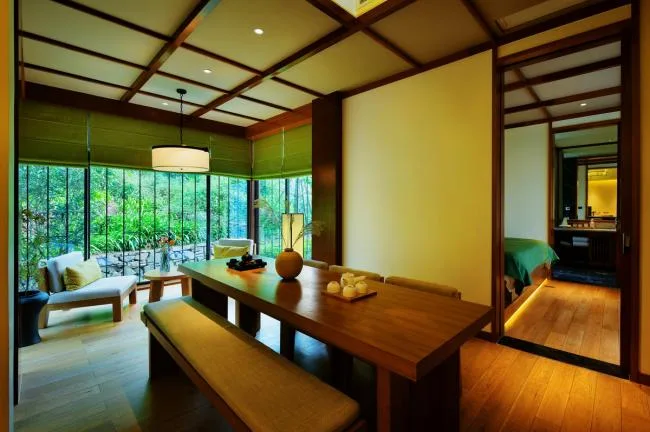
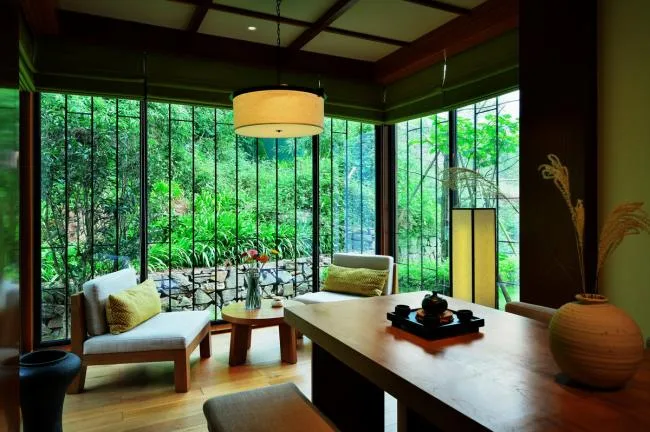
Guests are encouraged to stay, immerse themselves, and let go. The spatial scale, layout, tactile experiences, and activities all create an urban lifestyle distinct from everyday routines. We see “non-daily” spaces not as isolated subjects but as containers that enable people to experience a profound connection with both themselves and nature.
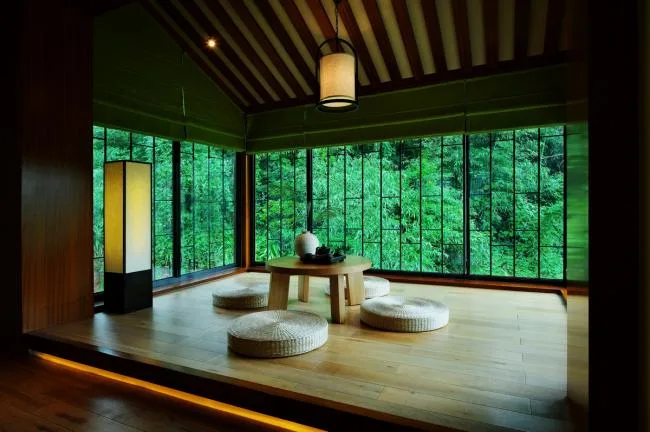
Sharing is a fundamental aspect of ruralism. We understand that villages exist primarily for sharing—both material and emotional resources—which in turn fosters values and ideas. At Mount Mengding in Ya’an, tea acts as the perfect medium for sharing. With abundant, high-quality tea and a deep local passion for it, Huajian Hall naturally fosters community through its tea courtyard.
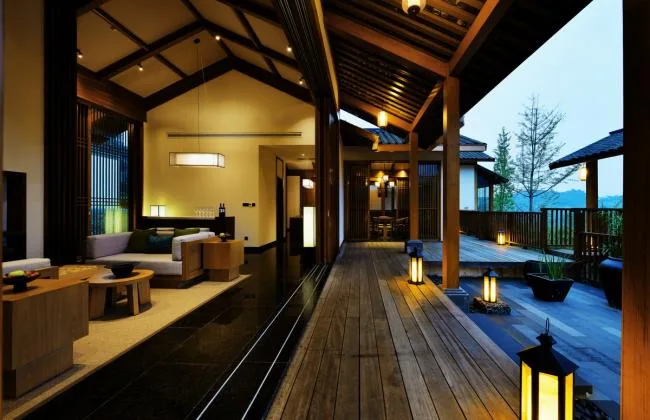
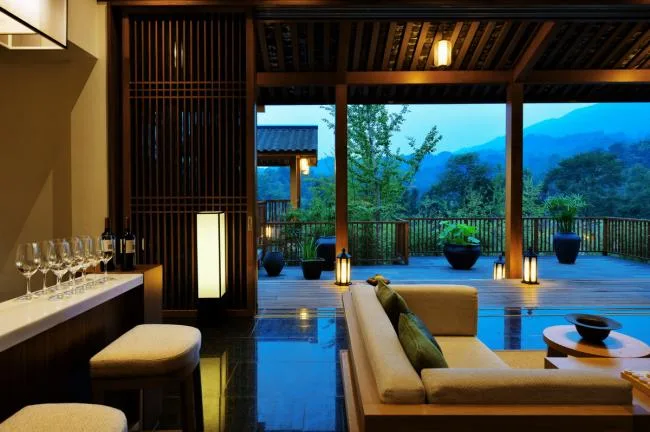
The guest rooms feature tea gardens and pavilions designed for small groups of three to five friends, the group area offers a larger courtyard, and the public space includes a traditional Sichuan tea dam.
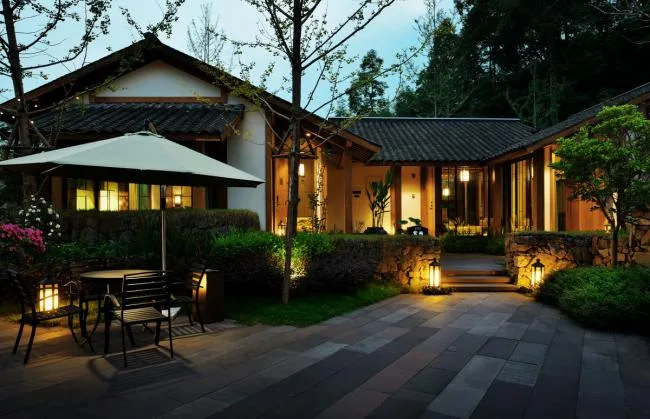
Moreover, “sharing” here also means connecting with urban life. From the start, we envisioned the resort as both a private retreat and an integral part of the city, hosting urban activities rather than functioning as a closed-off hotel. This openness has proven vital, turning the resort into a lively extension of city life where more residents come to enjoy it. There are no closed gates or security guards—this is an open village.
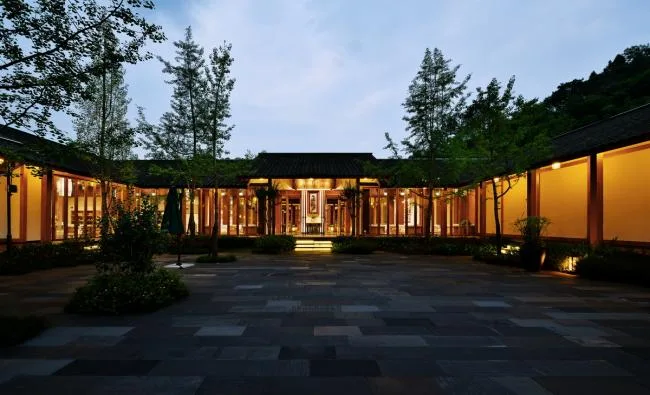
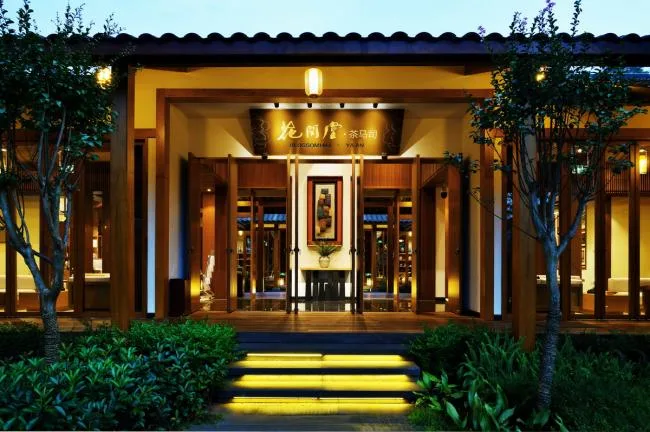
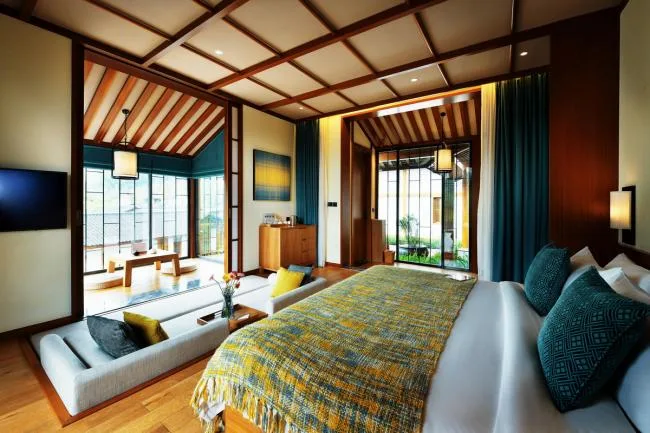
Behavior plays a crucial role in ruralism. All concepts must ultimately materialize through the actions of visitors. We believe behavioral changes can inspire psychological transformation. Whether expressing “non-daily” living or “sharing,” encouraging specific behaviors is key. Based on our research into the nourishing lifestyle of Sichuan locals, we developed the concept of “23° behavior,” which promotes living postures that lean or recline at a 23° angle. This is reflected in the design of guest rooms with lower bunk beds and terrace-style tea rooms that encourage lying down, reclining, and leaning.
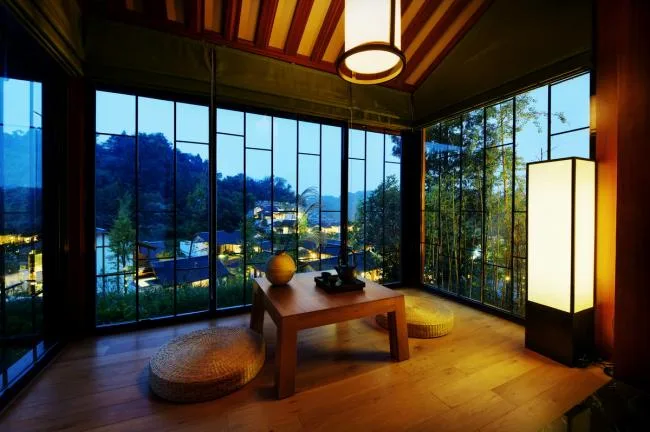
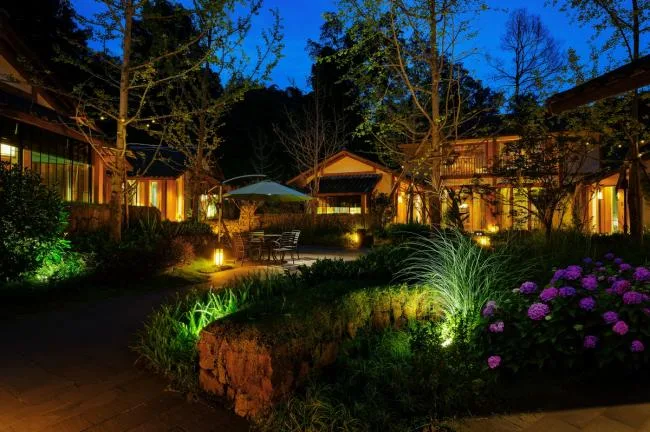
Our outdoor behavioral concept embraces “purposelessness.” Situated in a village, we encourage guests to leisurely explore the streets and alleys, without revealing the entire resort upon arrival. Visitors discover the village gradually through strolling, wandering, crawling, observing, and overlooking, creating a deeper connection with the environment.
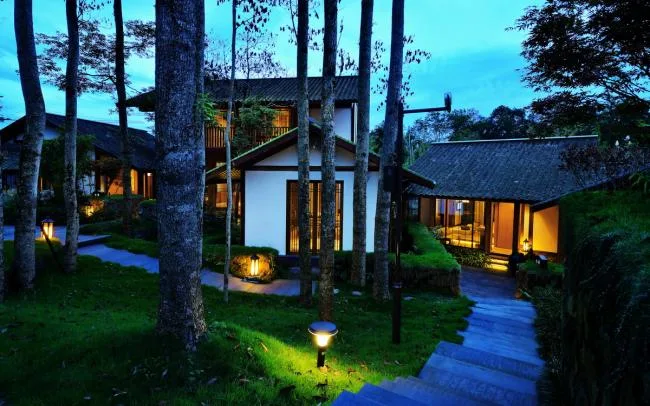
The scattered layout of public spaces, linked by a circular path along the river and mountain roads, fosters a relaxed, “idle” travel mode, which we regard as essential to vacation life.
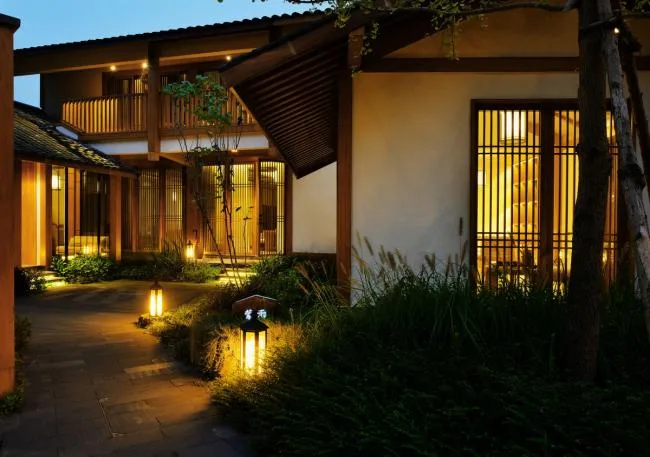
The concept of a “small universe” also guides our ruralism approach. Each venue possesses its own unique atmosphere with distinct wind, light, rain, and dew, while harmoniously blending into the broader environment. At the foot of Mengding Mountain, often shrouded in clouds and fog with a mild climate, Huajian Hall benefits from a small river that has formed a valley, enhancing local ventilation and microclimate.
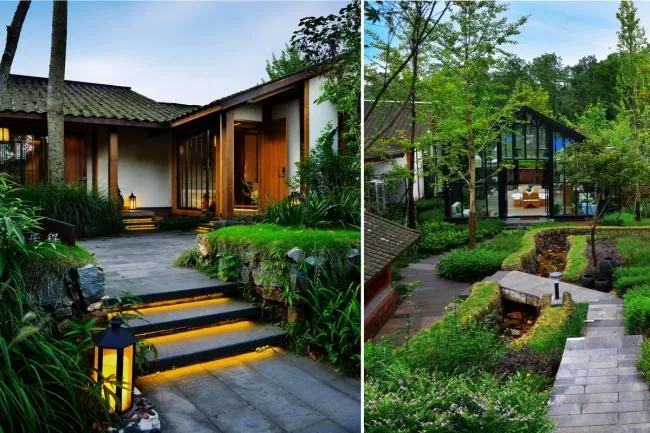
With the site predominantly facing south, sunlight is a precious commodity in the often overcast Ya’an area. The natural terrain played a critical role in shaping the design, emphasizing restoration and preservation of the land.
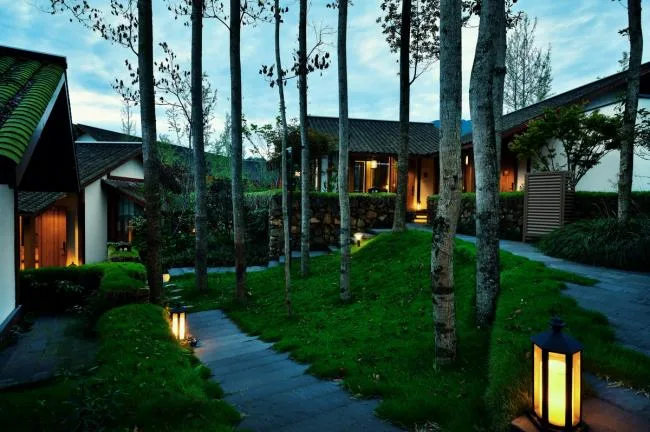
During construction, the ground was excavated and later backfilled after raising the buildings, a challenging process that ultimately ensured sunlight access to all courtyards. The nanmu forest within the site is a vital part of this “small universe.” The atmosphere beneath these trees is unique, and to protect every nanmu, buildings were carefully positioned to avoid them, with openings included to maintain the natural environment.
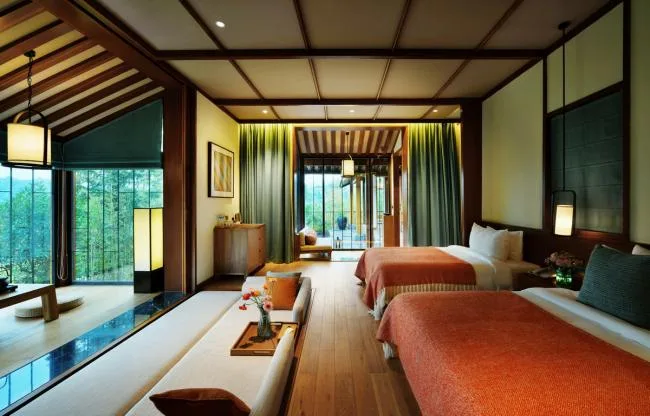
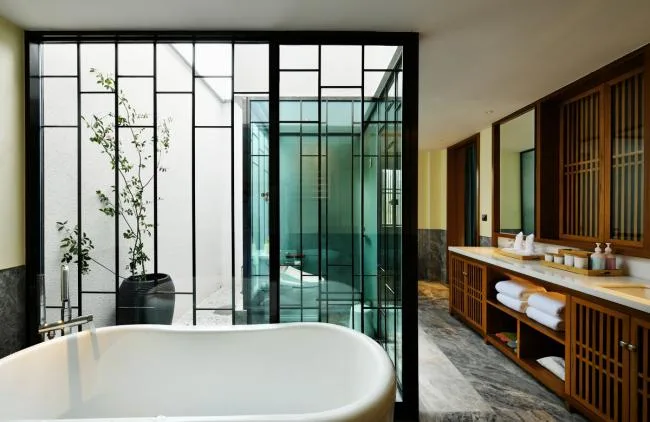
Metabolism is the final principle of ruralism. We believe resorts are living entities, and life inherently involves metabolism.
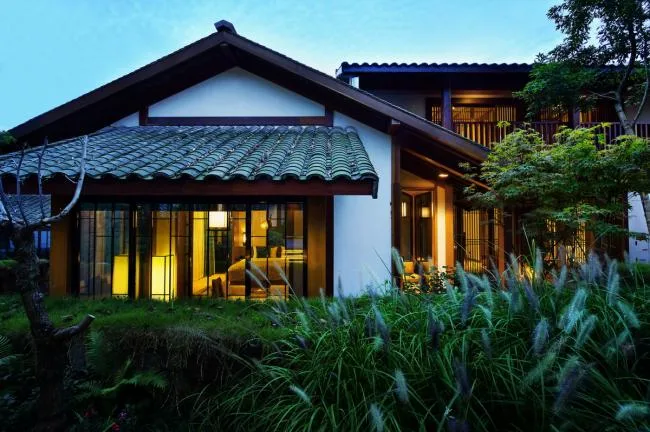
Designers and early creators lay the genetic foundation, but a resort truly comes to life once it begins operation. Therefore, designs cannot remain static or unchanging. The strong foundational elements must evolve—enhanced by BIM engineers—to adapt to shifting customer needs and market trends. While the core structure remains, flexibility, adaptability, and elasticity are essential. Over time, some elements will require renewal, and this cycle of old and new is what embodies life itself.
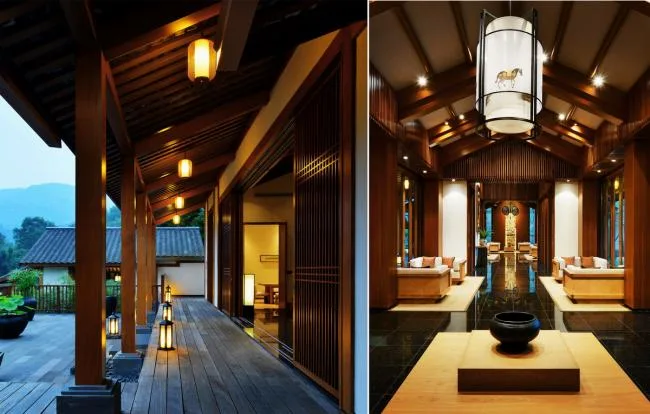
Ya’an Huajian Hall – Tea Horse Company is a celebration of ruralism. It stands as a counterpoint to contemporary urbanization, fast fashion, and rapid commercial turnover, encouraging a slow, embodied appreciation of beauty. It is a bold declaration of rural chauvinism.
Project Information
Project Name: Ya’an Huajiantang Tea Horse Company Hotel
Design Scope: Architecture, Interior, and Landscape Design
Location: No. 6 Simon Road, Mengyang Town, Mingshan District, Ya’an City, Sichuan Province
Project Area: 95.54 acres
Design Agency: Shenzhen Wuxiang Architectural Design Co., Ltd












Must log in before commenting!
Sign Up