
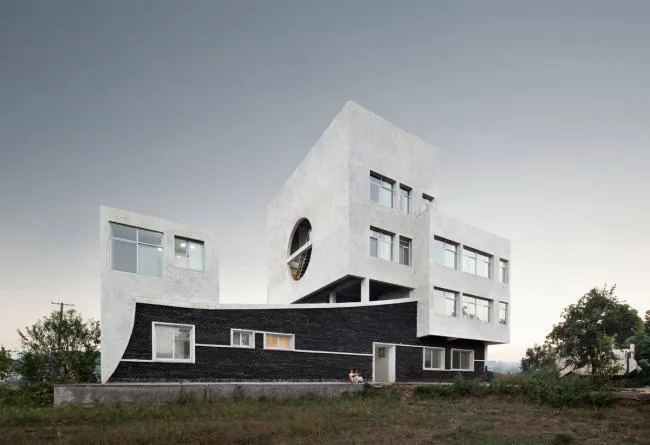
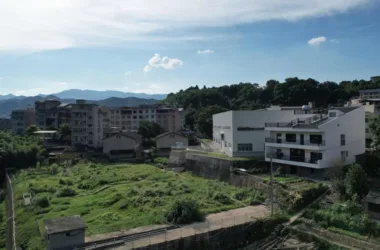
This house was designed by an architect for his own family in a rural area of Hunan, China. Constructed by traditional rural mud tile craftsmen, it accommodates a large, four-generation family with over ten members. As the old home no longer met the evolving needs of the family, the three siblings decided to jointly invest in renovating a new house.
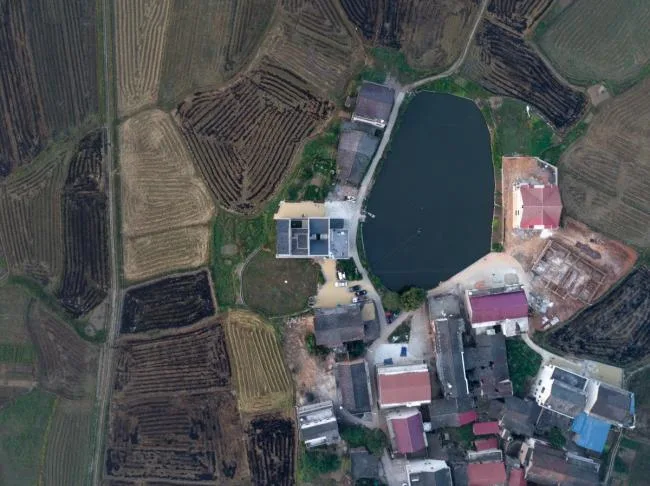
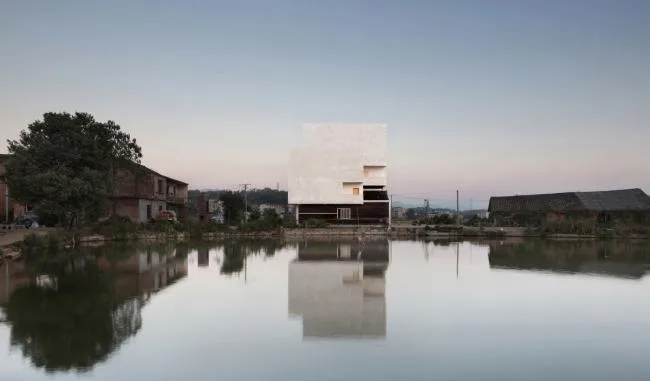
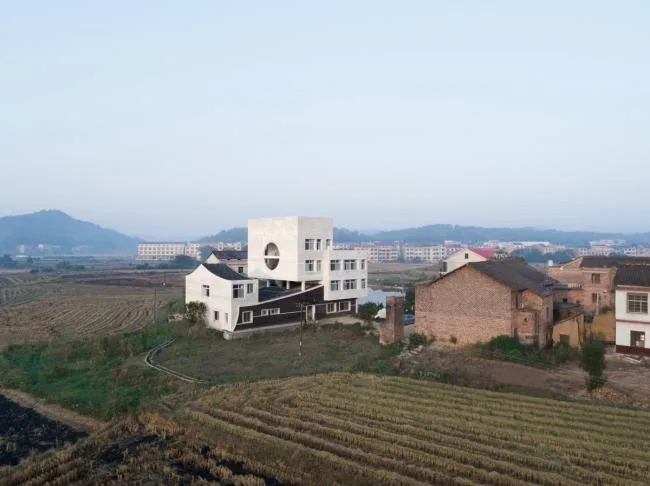
In rural China, family structures and living environments frequently change, often leading to what was once a unified home becoming fragmented. This is common in rural areas, where children tend to establish separate households after marriage. Starting new families is inevitable, and spatial distance plays a crucial role: too far apart can create emotional barriers, while too close can lead to conflicts and disagreements, sometimes even turning family members against one another.
The architect aimed to organize the multi-generational family’s life—each with different needs but connected by blood—through spatial design tailored to their specific situation. The result is an unconventional “collective residence.”
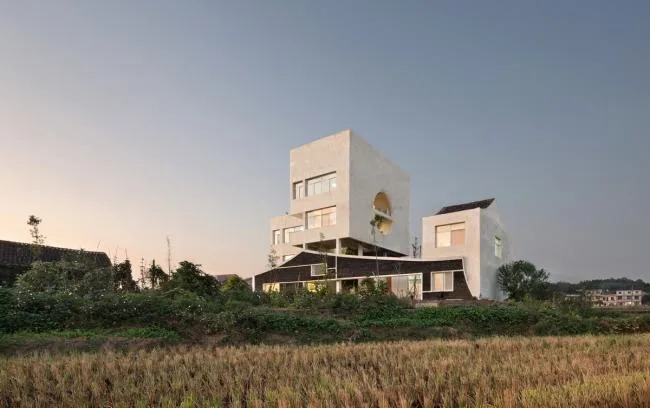
The home’s layout is based on blood relationships. The architect’s parents raised two sons and a daughter: the eldest son stayed in the hometown, the daughter married far away, and the youngest son pursued life in a distant city. Each of the three siblings has started their own family, resulting in three independent small households within the homestead.
The building consists of four connected blocks. A traditional sloping roof with a wide span covers three simple square volumes. The first floor serves as the living area for the parents and grandmother, along with public spaces. Portions of the first and second floors make up the sister’s suite, parts of the second and third floors form the elder brother’s suite, and the third and fourth floors comprise the youngest brother’s (the architect’s) suite. Each suite spans two levels connected by a small staircase, while a shared staircase links the two brothers’ suites. The sister’s suite, located on the east side, is fully independent and separated from the main living areas.
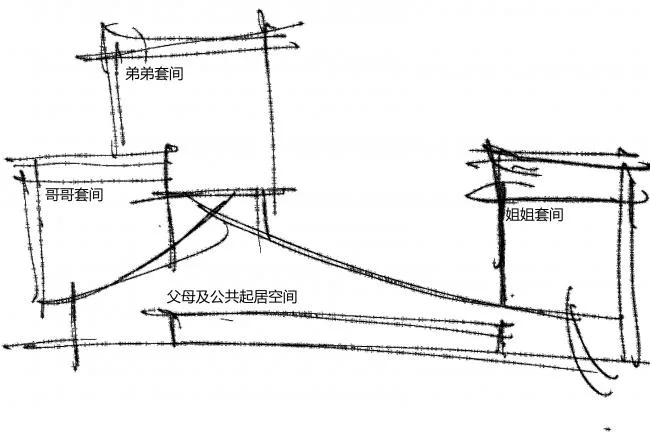
▲ Block concept
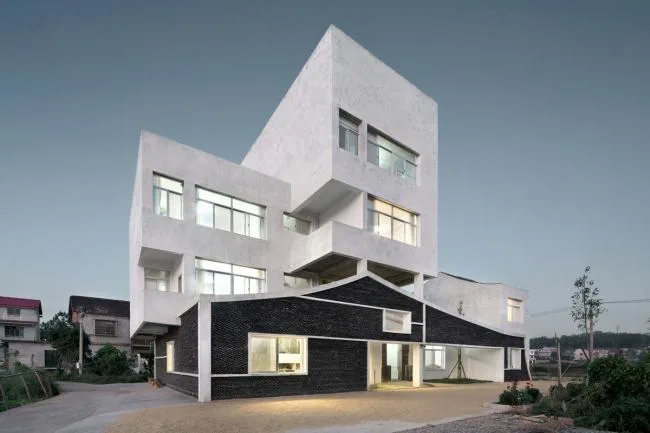
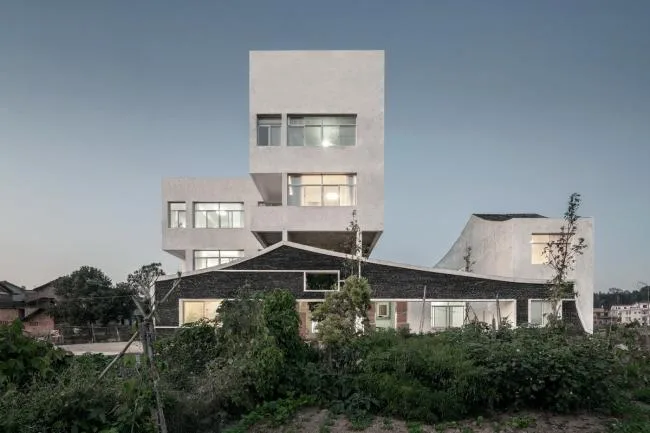
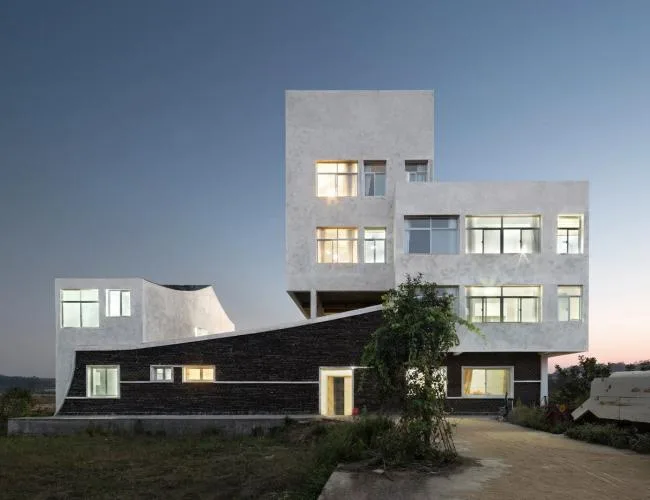
In rural China, the eldest son often takes primary responsibility for caring for the elderly parents. Accordingly, his suite is located close to the parents’ living area, while the younger brother lives away most of the year in a separate, elevated block.
Because the parents and grandmother maintain a traditional rural lifestyle, while the children lean towards urban-style living with different spatial needs, the first-floor design reflects this contrast. The traditional rural layout continues with the introduction of courtyard spaces and a facade adorned with blue tiles, evoking a classic style.
The floor plan centers around the main hall. The mother’s and grandmother’s primary living spaces, who have historically had conflicts, are positioned on opposite sides of the hall and courtyard. The sister’s suite, mainly used by the grandmother since the sister’s family rarely stays home, is located on the right side of the building.
Each of the three children’s suites features separate entrances and exits, preserving privacy for the three small families. The elder and younger brothers’ suites are designed in a loft style, customized to their individual needs. Notably, the younger brother’s suite includes an open, elevated courtyard that connects the upper and lower levels.
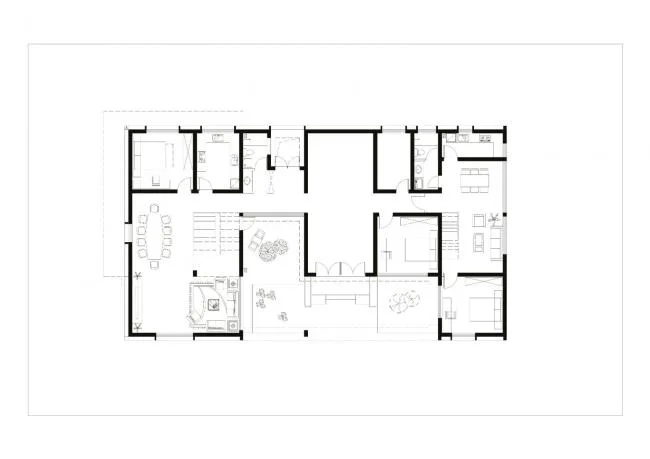
▲ First floor plan
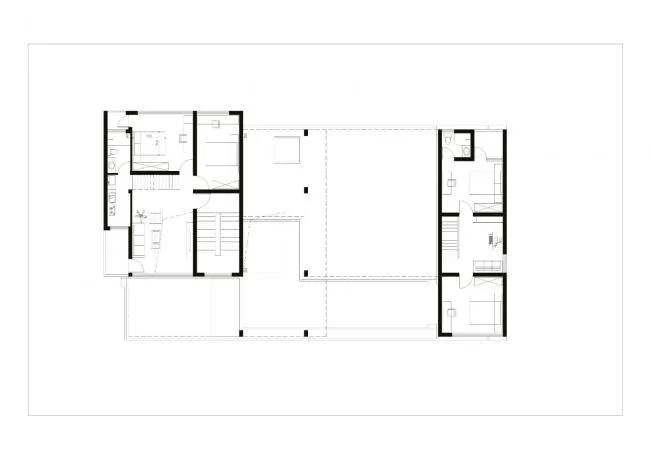
▲ Second floor plan
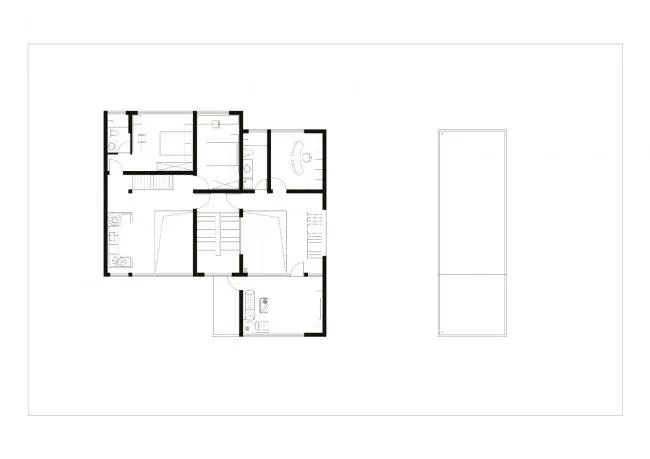
▲ Third floor plan
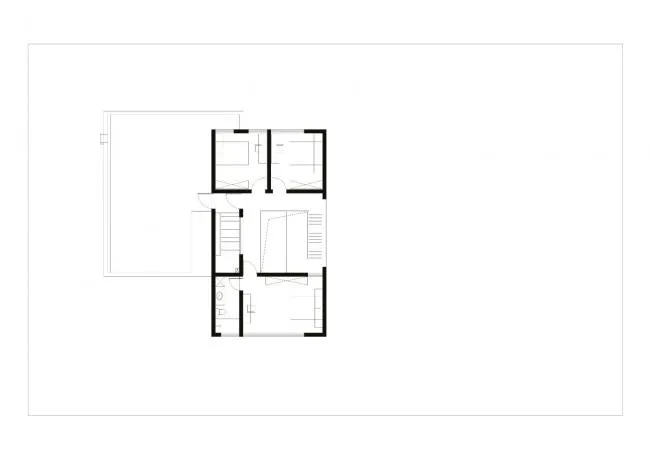
▲ Fourth floor plan
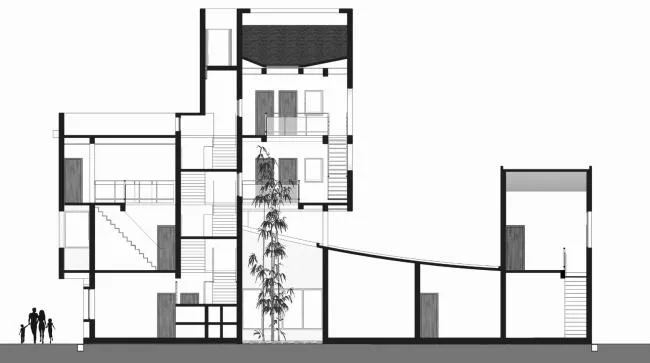
▲ East-West Section
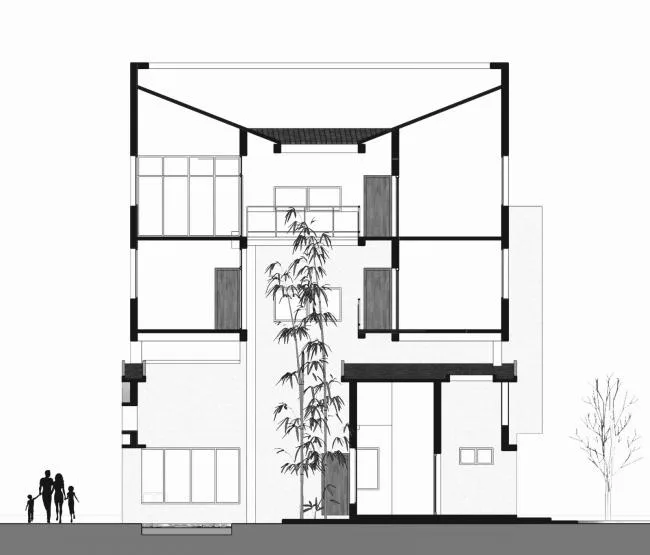
▲ North-South Section
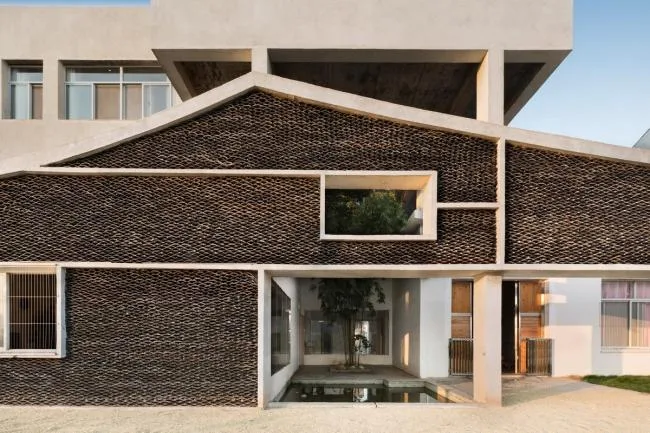
▲ South Entrance and Courtyard
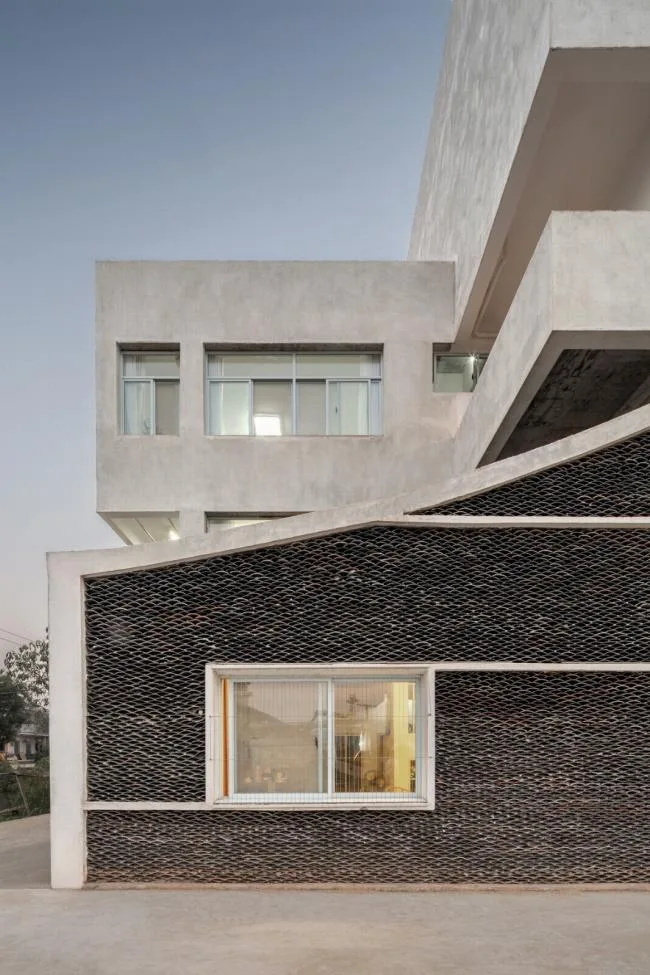
▲ Blue Tile Facade
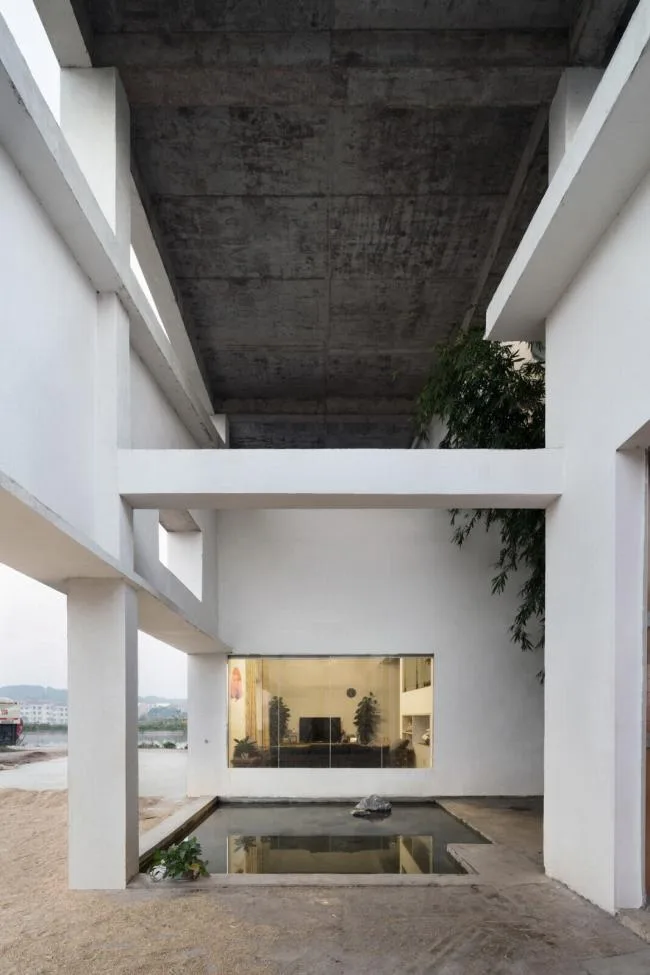
▲ Corridor Space
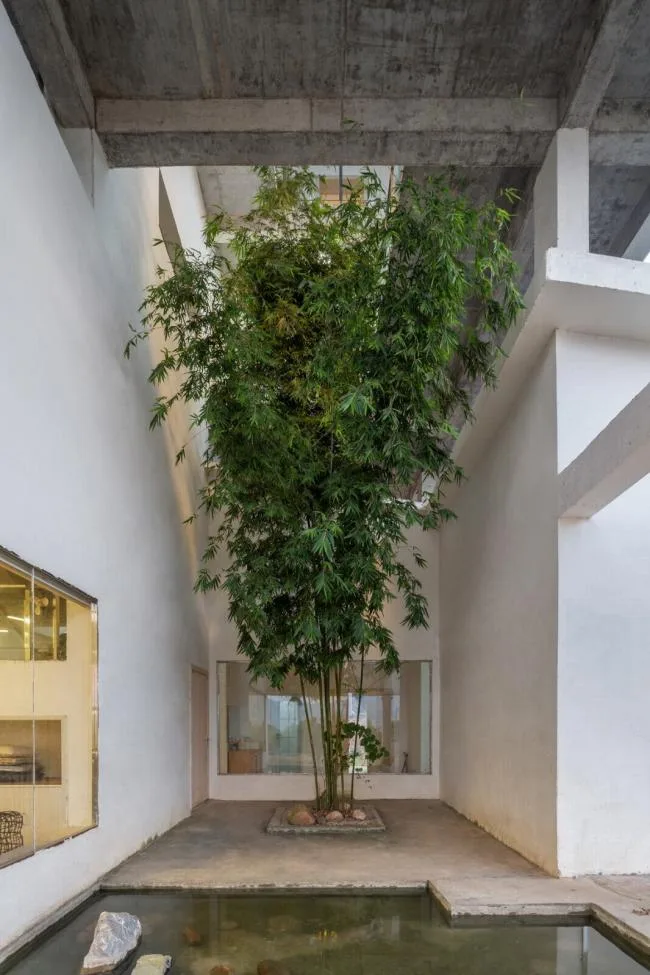
▲ Courtyard Greenery Spanning Three Levels
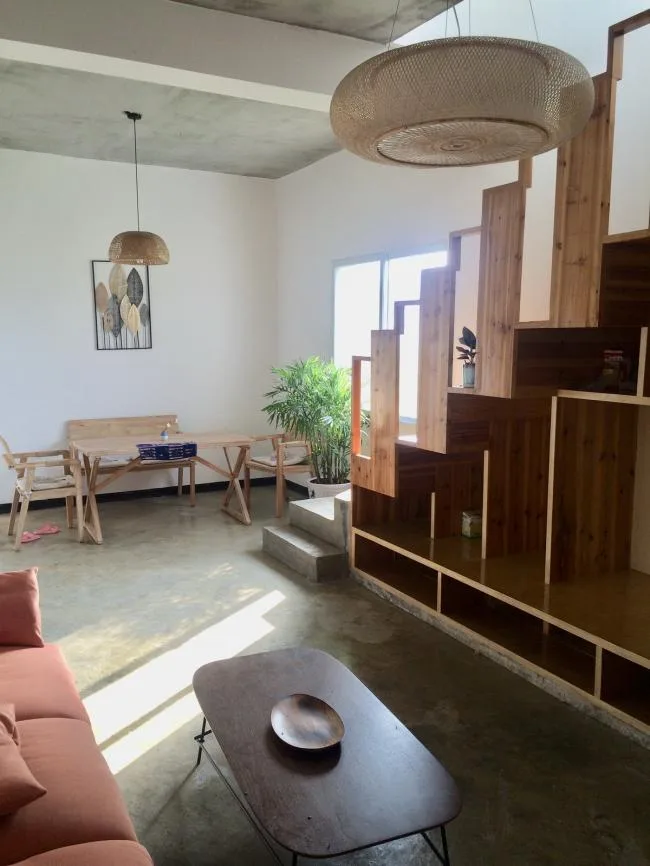
▲ Interior View
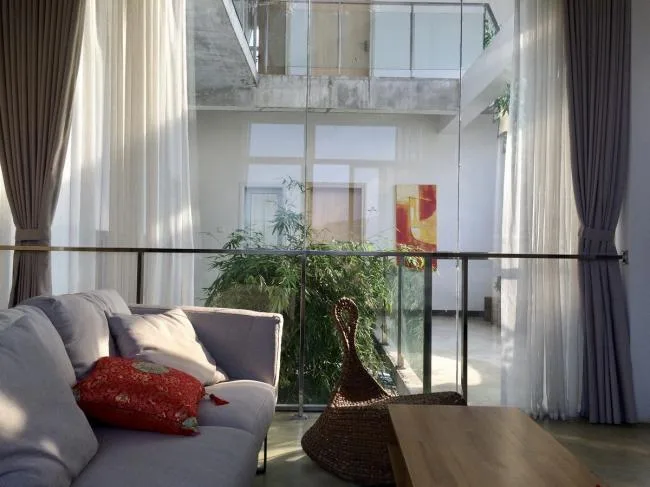
▲ View of the Atrium from Inside
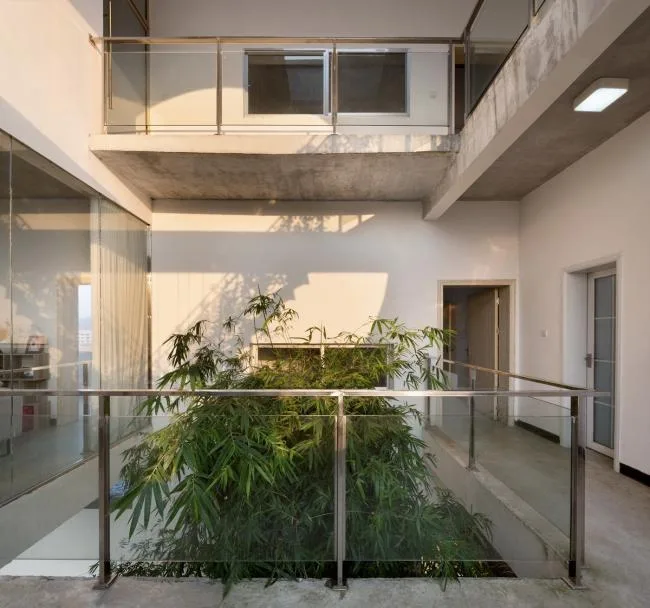
▲ Courtyard
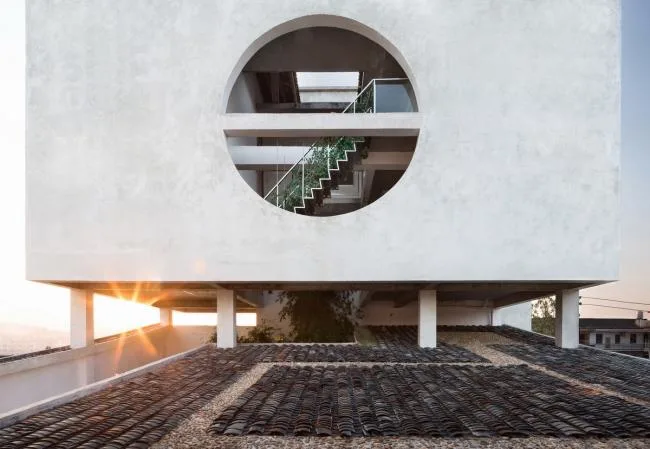
“Home” is more than just a living space. The architect aims to explore the true essence of home by designing a residence rooted in blood relations, encouraging reflection on the connection between architecture and people.
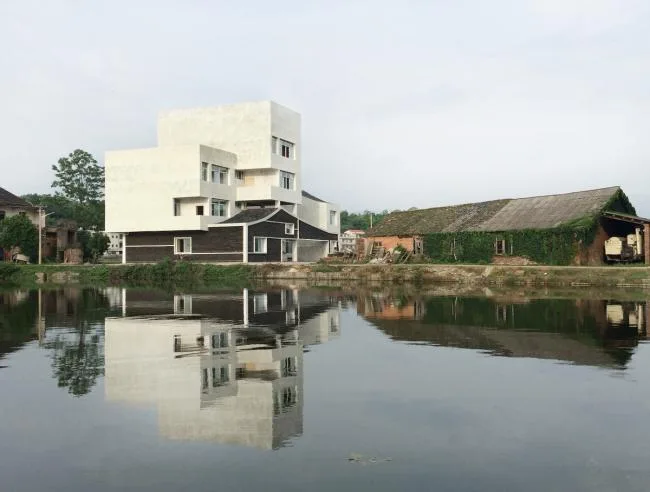
Project Information:
Project Name: My Home
Designer: Wang Xutan
Contact Email: __AI_S_SC0__
Design Year: 2015
Built: 2016
Project Location: Shuangfeng County, Hunan Province, China
Building Area: 560 square meters
Photography Credit: Chen Yuanxiang












Must log in before commenting!
Sign Up