
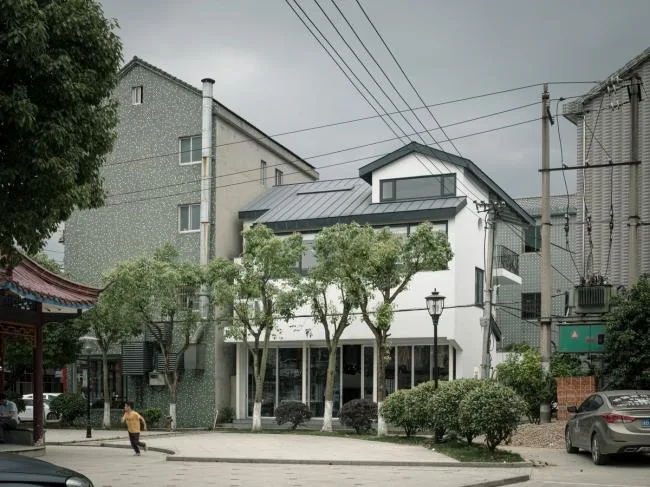
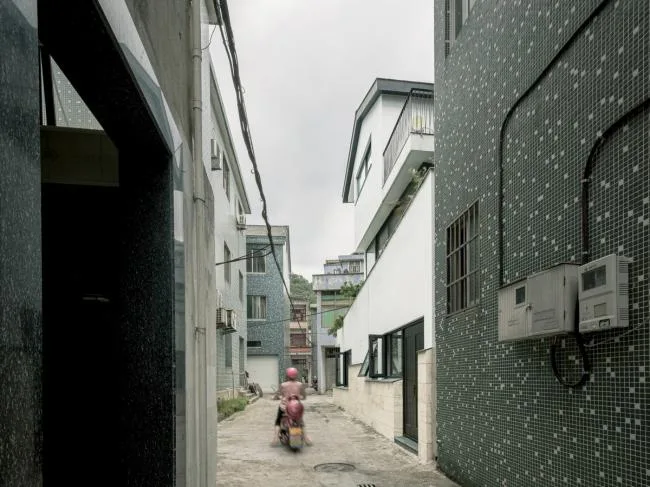
The base is situated on the main road at the heart of Xizhou Town. Here, the road curves, creating a triangular park with a small parking area, which forms a cozy activity center. The plot borders residential buildings to the east, village roads to the north and south, and open space to the west, resulting in a shared half courtyard with neighboring homes. Within this courtyard, there is a well where many villagers come to wash.
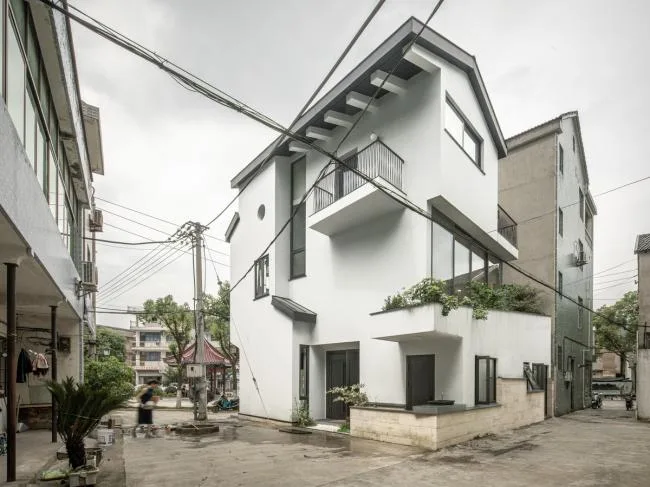
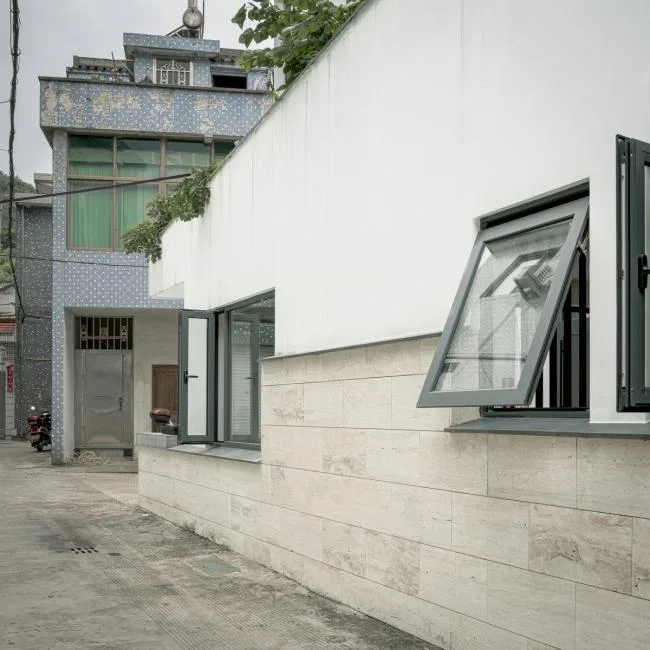
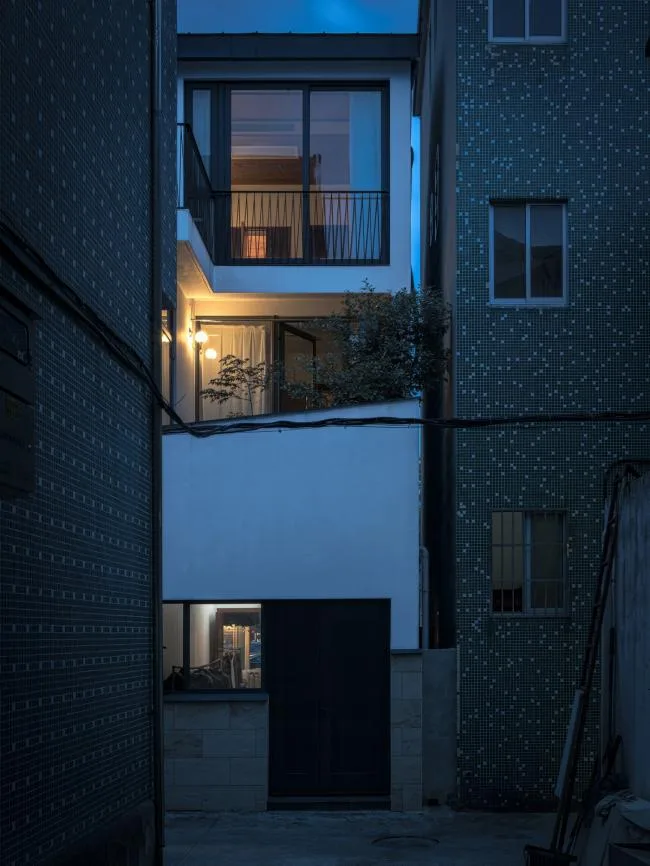
On the north side of the first floor facing the street, the client requested a dry cleaning shop complete with a workspace and bathroom situated in the southeast corner. The home’s entrance faces the courtyard with the well, and an outdoor vegetable washing basin was added following local customs. From the street view, the north facade maintains a relatively regular shape to meet commercial needs, featuring colonnades and strip glass windows. In contrast, the west and south facades reflect the social nature of neighborhood relations. Some concessions have been made along these boundaries, placing grey spaces beneath the garden balcony eaves at these edges. This approach fosters gentle interaction with neighbors, making the facades appear more fragmented and organic.
Because the village sees frequent visitors, the restaurant and kitchen on the first floor also serve as small reception areas. The design aims to connect the living room, tea room, garden, and other public spaces along the stairway, using subtle changes—such as variations in floor height, ceiling design, and light partitions—to imply shifts in space and function. These changes are carefully arranged to avoid overlapping, creating a large, fluid “terrain” where spatial boundaries blur and occupants can freely choose where to engage in activities. Moving up to the third-floor bedroom area, the space becomes private again, offering a quiet retreat.
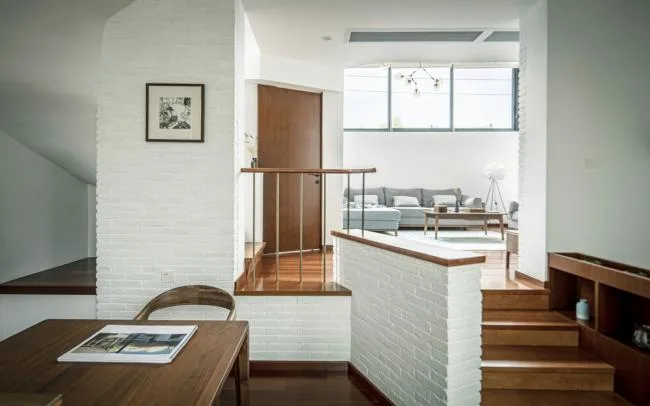
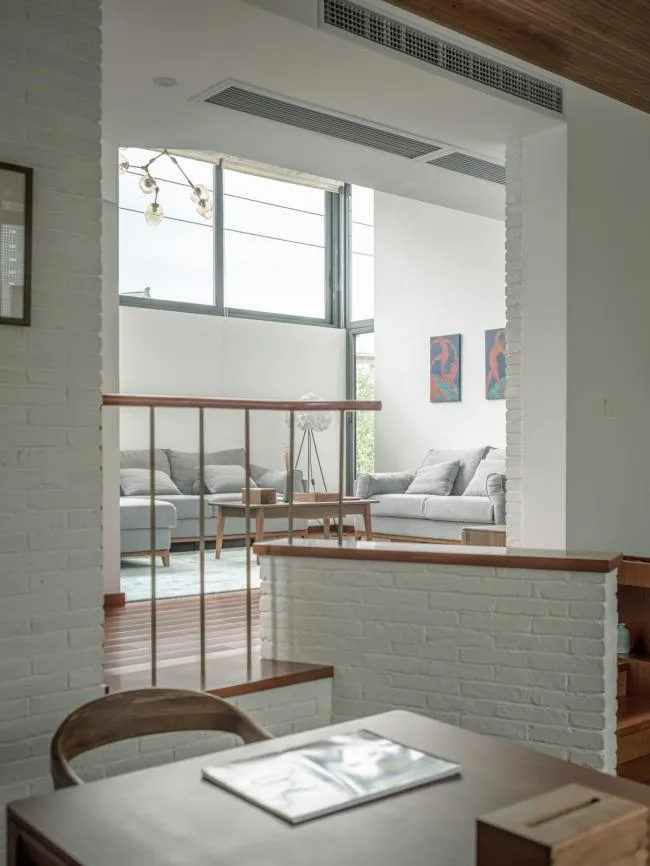
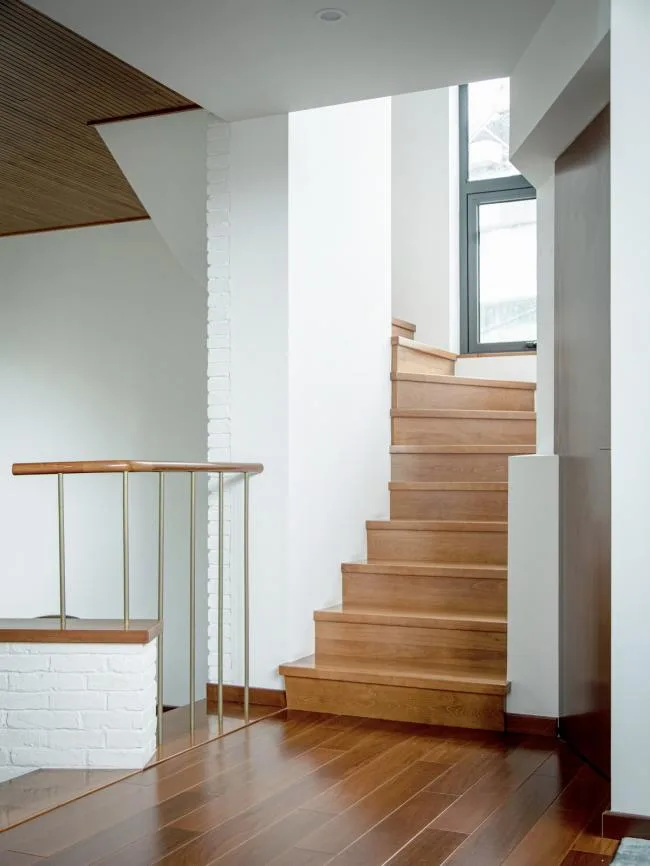
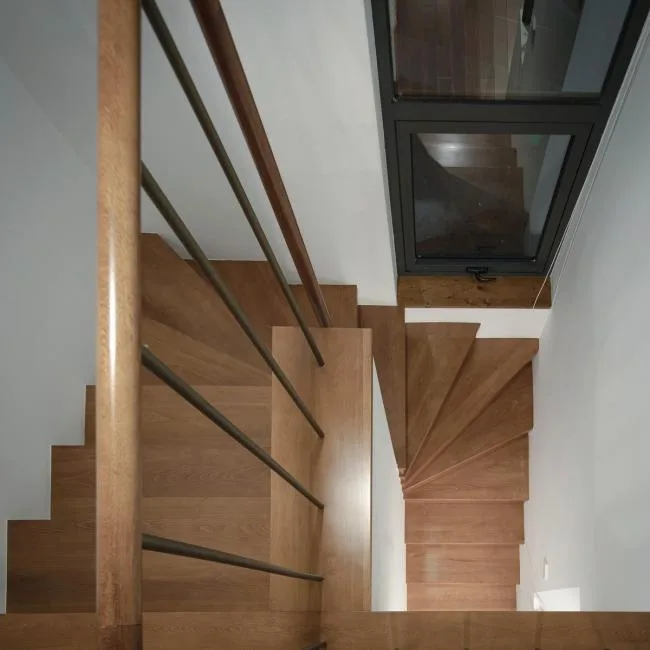
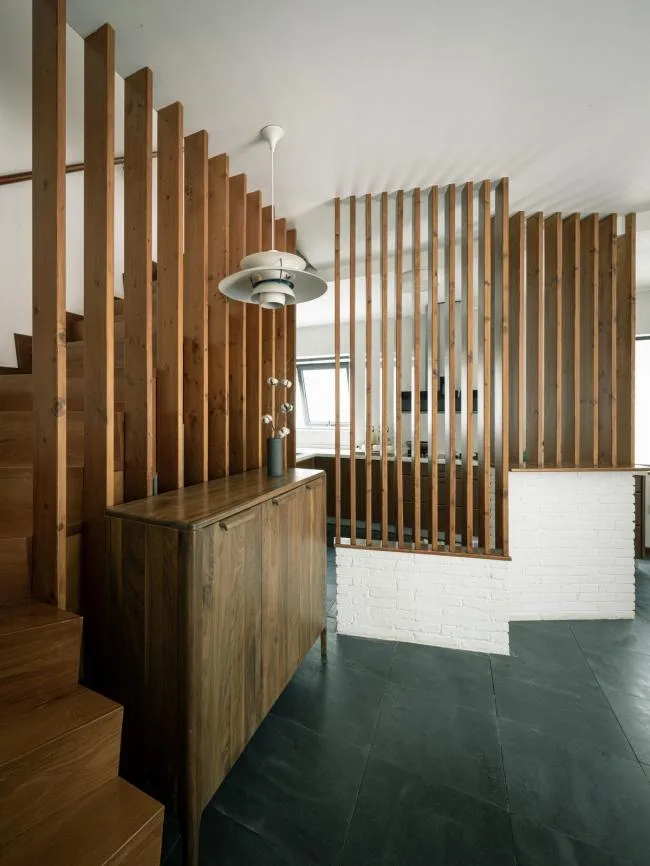
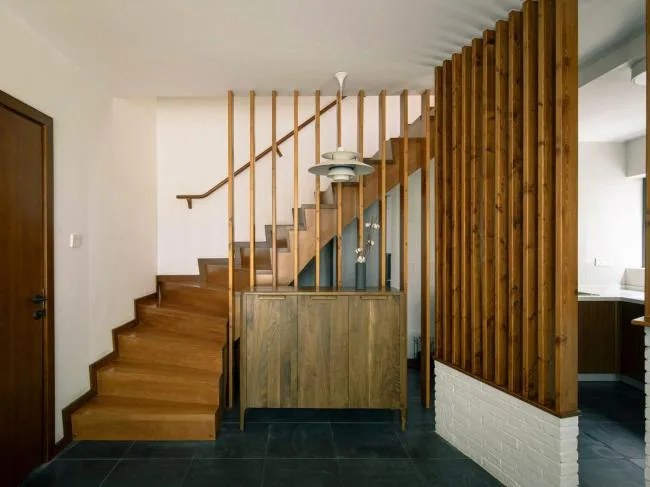
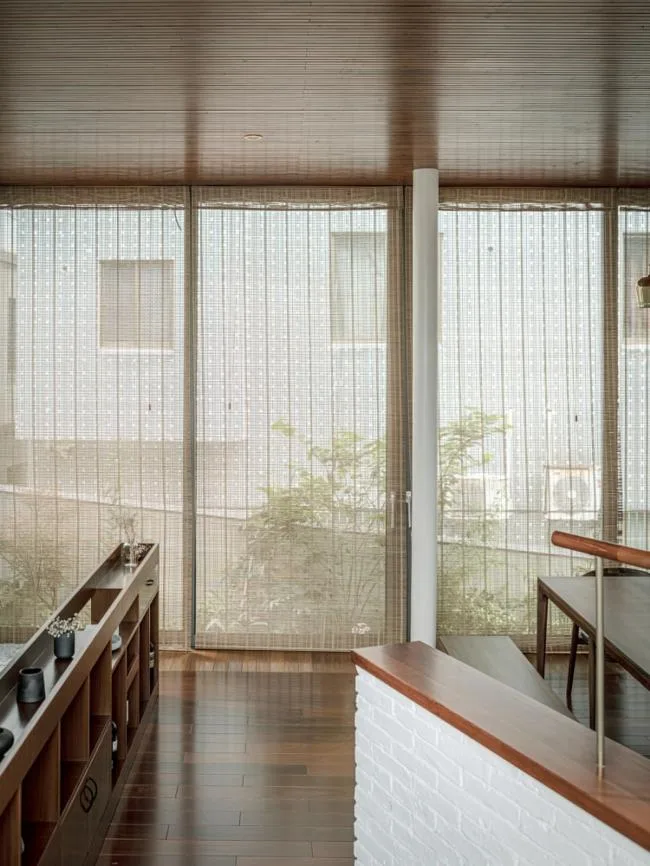
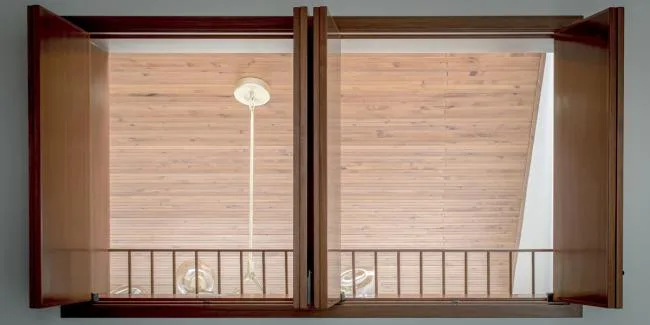
Regarding material choices, the same principle of ambiguity applies. Painted and plain walls, marble with varied patterns, Corian surfaces, matte and polished tiles, and mosaics are all rendered in white tones. Bluestone (BIM tutorial) slabs, metal panels, and aluminum elements are in various shades of dark gray but feature different textures. Woods such as walnut, cherry, teak, ant wood, cedar, and pine share similar depth in color though with distinct hues. Occasionally, copper-colored accents appear in railings, lamps, and handles, adding subtle highlights. This combination maintains an overall sense of ambiguity.
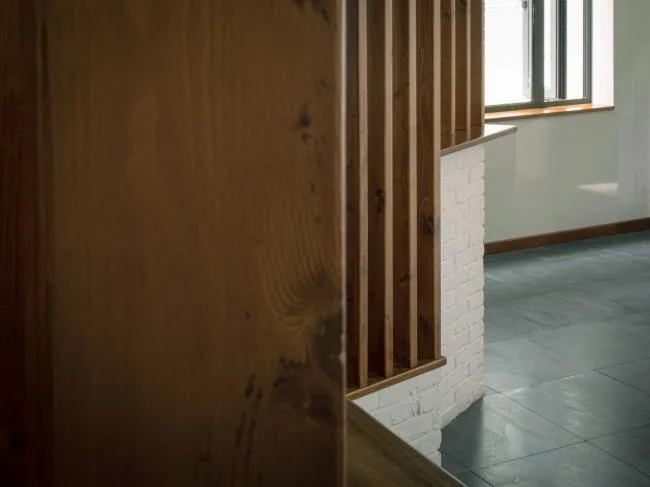
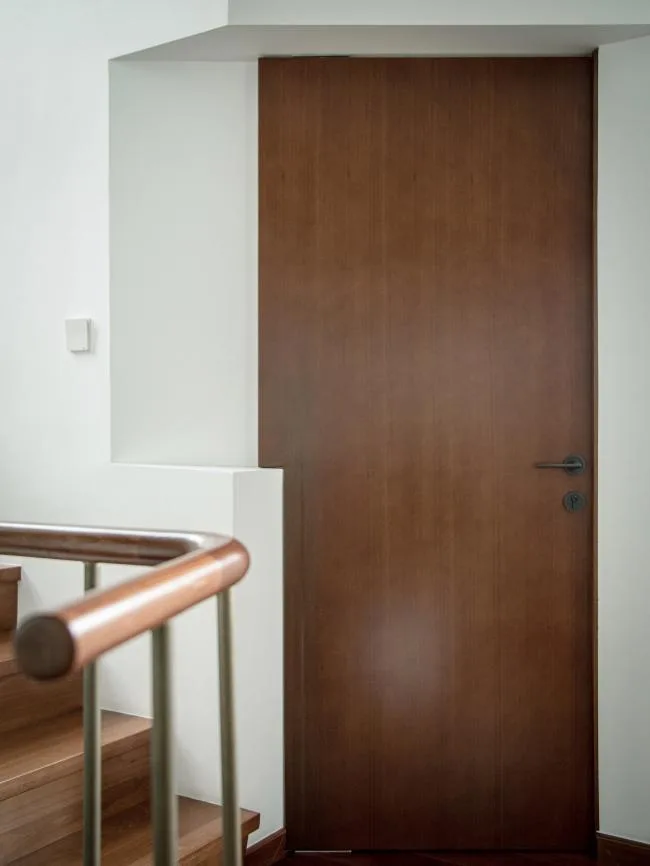
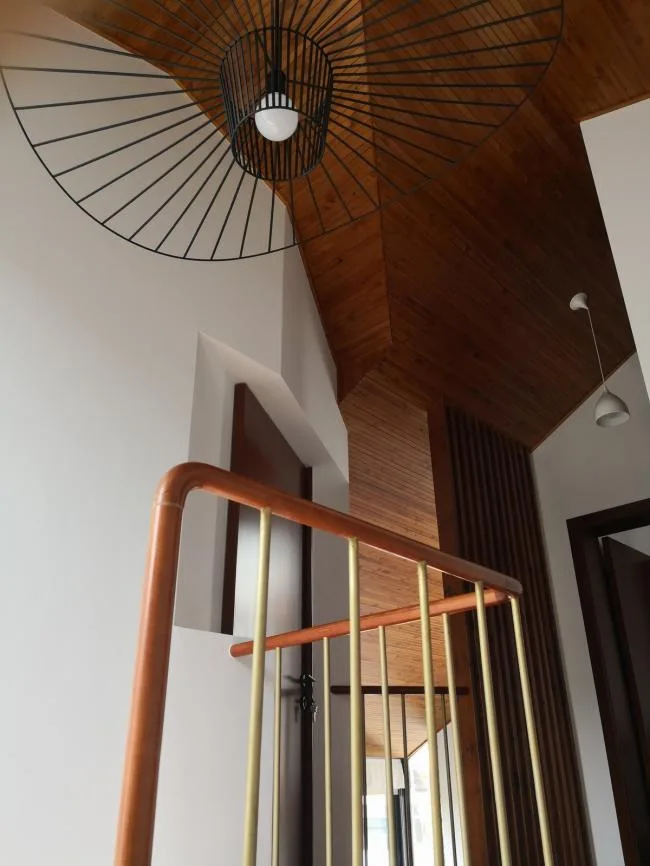
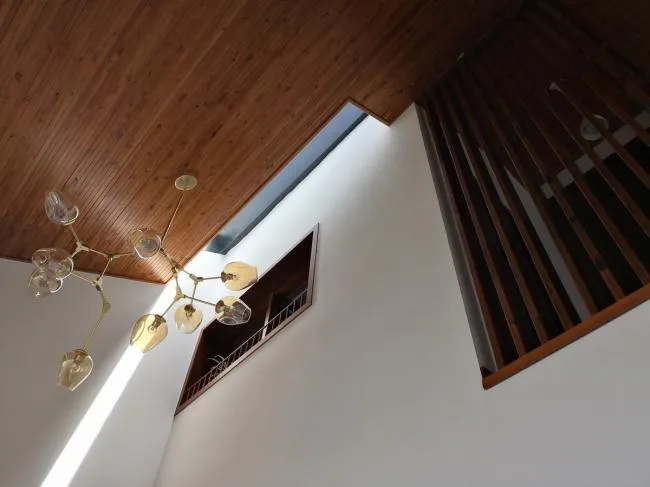
The construction was carried out by local village craftsmen, who applied their familiar skills with slight variations. By combining several construction methods in one location, they achieved a rich, textured finish.
Design Drawings:
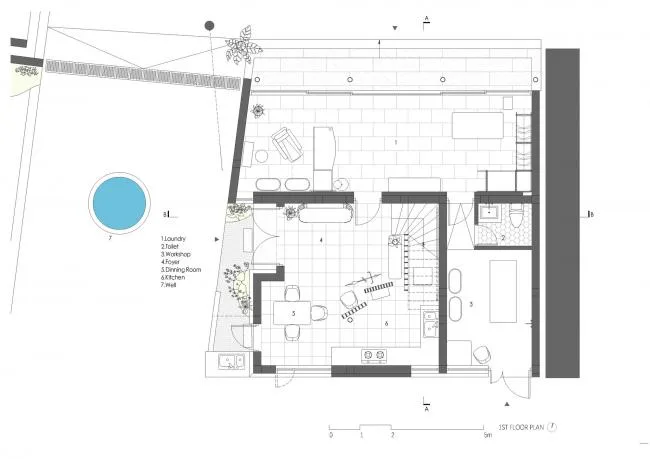
▲ First floor plan
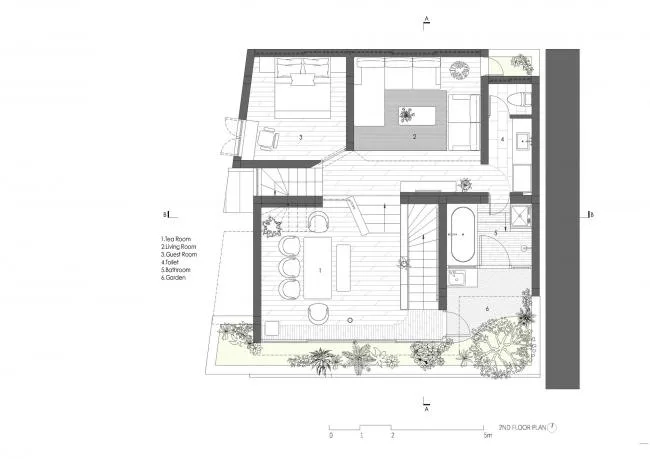
▲ Second floor plan
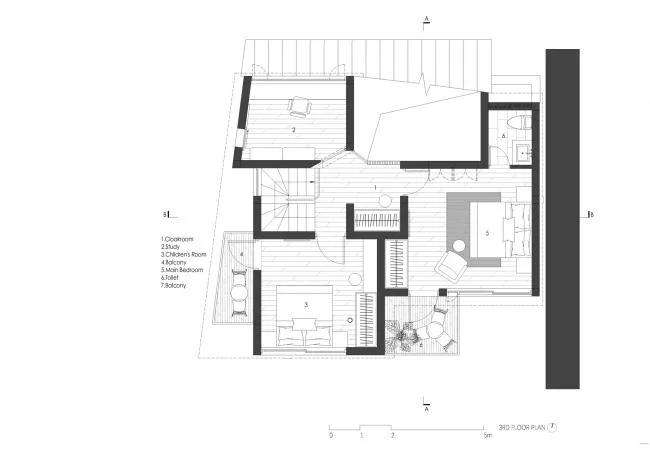
▲ Third floor plan
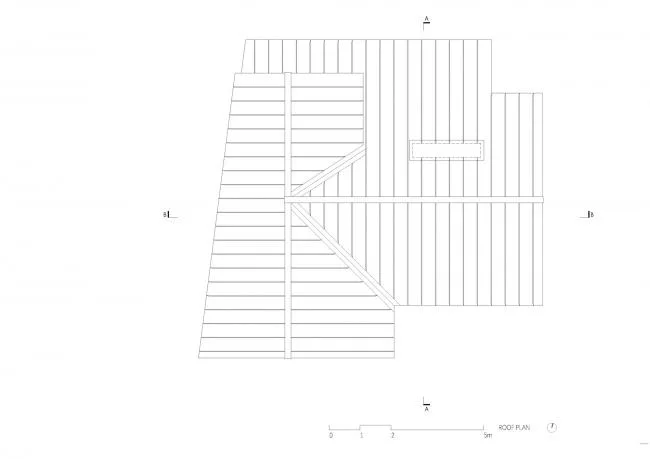
▲ Fourth floor plan
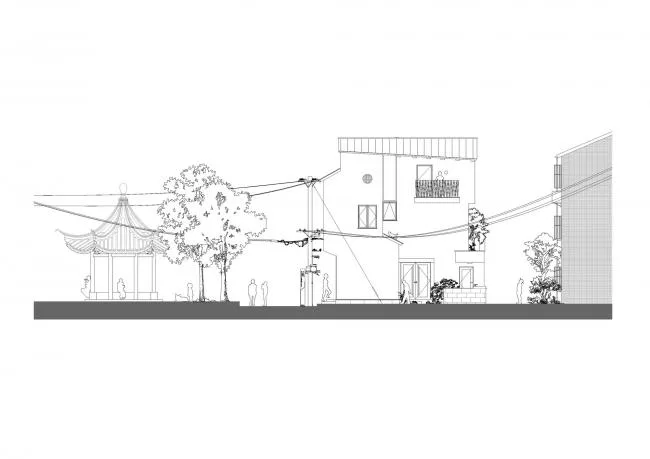
▲ West elevation view
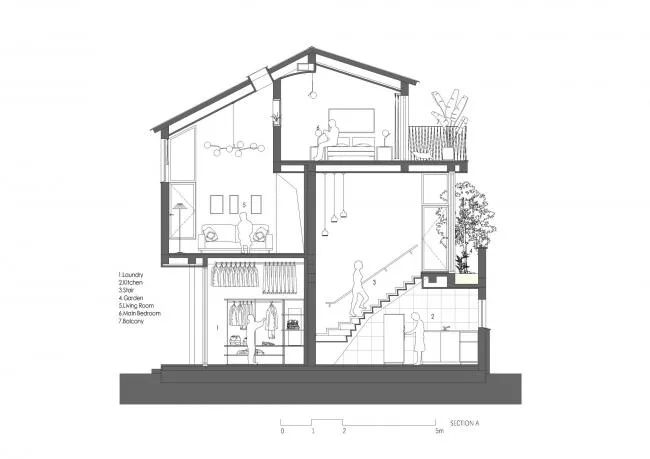
▲ Section A
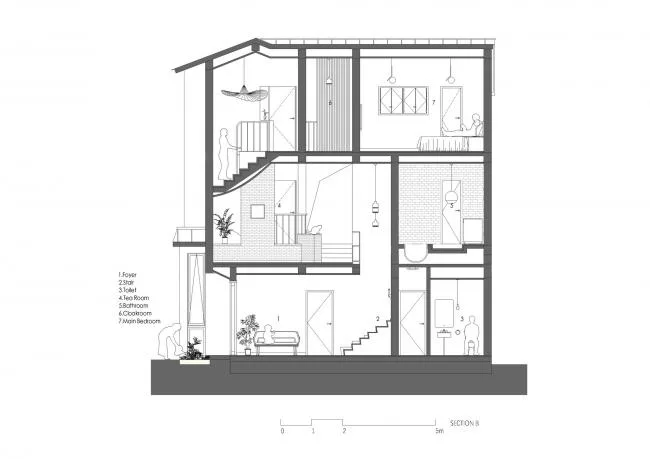
▲ Section B
Project Information:
Architectural Firm: Studio MOR
Address: 250 Xiying Street, Xizhou Town, Xiangshan County, Zhejiang Province, China
Lead Architect: Li Le
Principals: Li Anjun, Zhou Shixiang
Building Area: 258.0 square meters
Project Year: 2017
Photographers: Zhang Yan, Yutian Zhang












Must log in before commenting!
Sign Up