
Introduction
What is Reactive Powder Concrete (RPC) and how is it constructed?
RPC is an innovative building material widely used in engineering projects. Known for its exceptional strength and performance, it represents a type of ultra-high-strength prefabricated concrete utilized in modern construction.
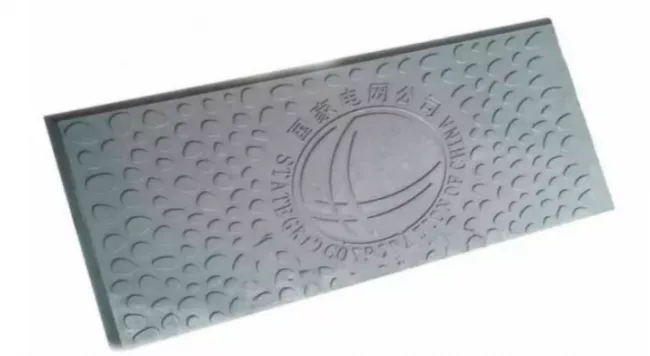
Given its critical role in high-speed railway construction, where RPC cover plates are a primary building material, stringent quality requirements are essential. Therefore, every step of the construction process—ranging from raw material batching, mixing, mold filling, vibration molding, demolding, curing, cooling, to the final product—must be carefully managed.
Each stage in producing RPC cover plates is vital. The accurate composition of raw materials ensures the proper formation of the concrete. Construction personnel must thoroughly understand these processes to guarantee the quality of each cover plate. Additionally, extensive research into the properties and handling of RPC is necessary to master the key aspects of its construction, starting from the fundamentals to ensure high-quality results. The following sections provide a detailed analysis.
1. Main Raw Materials
The production of RPC cover plates primarily involves 425R ordinary Portland cement, quartz sand, steel fibers, microsilica powder, slag powder, specialized RPC additives, and water. Precise control over the quantity of each ingredient is critical, especially for components used in small amounts, to ensure every RPC cover plate meets the required specifications.
2. Mixture Preparation
To achieve a high-quality mix, a forced mixer is used. The process begins by adding and dry mixing the basic materials for at least 4 minutes. Next, the main raw materials are incorporated and dry mixed for another 2 minutes. Finally, water and additives are added, and the mixture is stirred for 4 minutes before discharge.
Mixing must occur in an environment maintained at approximately 18°C to optimize the formation rate of the concrete. Water content must be precisely controlled, and no additional water should be added after the mixture leaves the mixer.
The initial 4-minute dry mixing is essential to ensure even dispersion of steel fibers; otherwise, fibers may clump once cement and other powders are introduced. RPC mixtures set quickly at room temperature, have high viscosity, and tend to stick to surfaces, so a well-mixed batch should be discharged within 30 seconds.
Furthermore, molds and conveyor belts used to transport RPC mixtures should be non-absorbent and leak-proof to guarantee smooth handling and prevent grout loss.
3. Vibration Process
Vibration molding technology is currently employed for RPC products. To ensure optimal compaction and superior strength compared to traditional prefabricated residential concrete, selecting the appropriate vibration technique is crucial.
The vibration acceleration of the RPC mixture must match that of the vibration bed to avoid ineffective energy transfer and excessive noise. Jumping vibration should be minimized. The recommended vibration duration ranges from 2 to 4 minutes.
4. Smoothing and Pressing During Pouring
Once the mixture is poured into the mold, it is smoothed and pressed using a trowel on the vibrating bed to achieve the desired flatness without exposing steel fibers. Preventing leakage around the mold edges avoids burrs after demolding, enhancing the cover plate’s appearance and saving manual finishing time.
RPC material solidifies rapidly, so the mixture must be poured within 30 minutes. Pouring should be continuous, with intervals no longer than 6 minutes to maintain consistency.
5. Curing and Maintenance of RPC Products
Maintenance includes three stages: static rest, initial curing, and final curing. Construction and temperature control teams must monitor product transfer and strictly regulate curing temperatures. Detailed care instructions are as follows:
(1) Static Rest: The formed RPC cover plate, still in its mold, is moved to a stationary area. The mold should remain level to prevent deformation. To reduce moisture evaporation, a plastic film layer may be placed over the mold surface. The plate must remain stationary for at least 6 hours in an environment with over 60% humidity and temperatures above 18°C before further transportation.
(2) Initial Curing: After static rest, the plastic film remains on the mold. The internal temperature of the cover plate mold should be maintained so that the temperature difference between the inside and the ambient environment does not exceed 20°C. The mold can be removed once this condition is met.
(3) Final Curing: Following demolding, the cover plate undergoes steam curing in a curing room. This process involves three phases: heating, maintaining constant temperature, and cooling. Temperature changes should be controlled carefully, with heating and cooling rates not exceeding 12°C and 15°C per hour respectively, and the constant temperature phase maintained at approximately 75°C. Proper curing not only strengthens the RPC cover plates but also enhances their performance in construction applications.
6. Storage of RPC Products
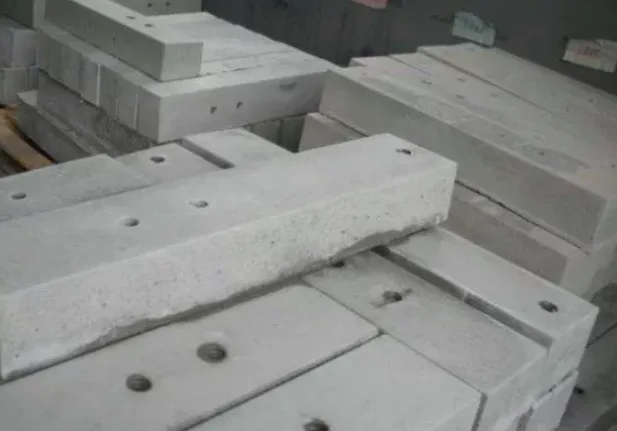
After final curing, RPC cover plates should be removed from the curing room carefully. To minimize damage, plates must be stacked on their sides in layers, with wooden strips or hoses placed between each layer to allow proper temperature and airflow circulation.
Staff must ensure that stacking does not exceed four layers to prevent excessive weight and potential deformation. Each stack should be covered with a tarpaulin, and plates must be handled gently during storage. The stacking arrangement should facilitate easy loading and unloading, with factory placement planned in advance to maximize curing room space efficiently.
Article source: Architectural Technology Magazine
















Must log in before commenting!
Sign Up