
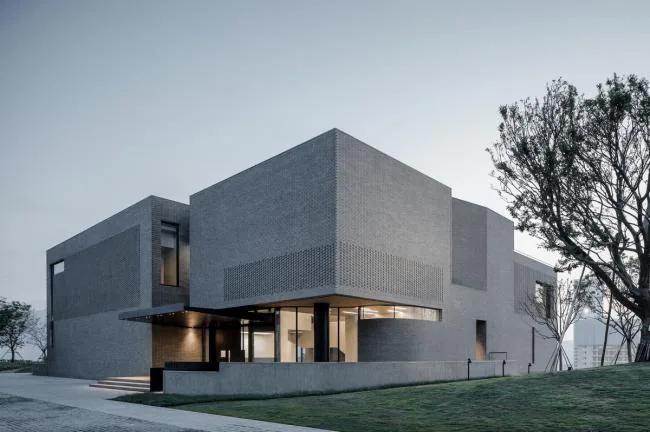
▲ Overall Architecture
urban functions
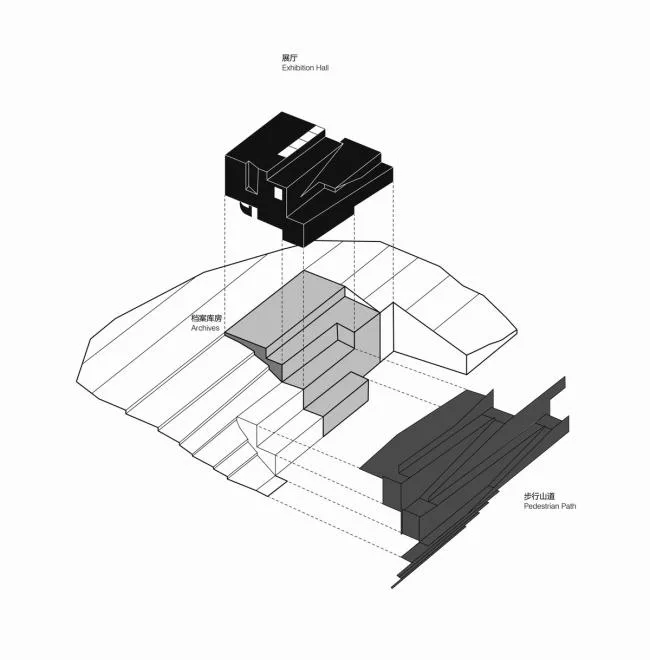
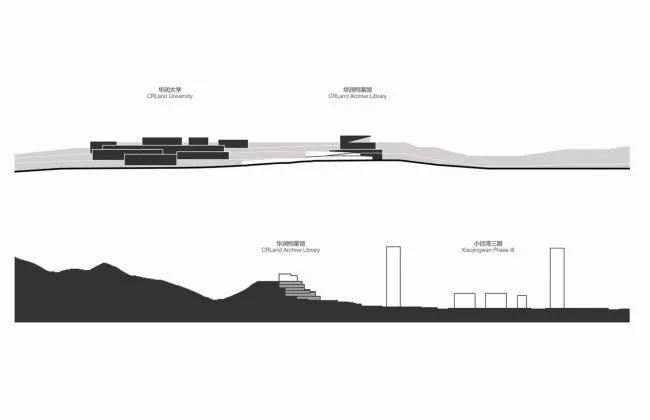
The China Resources Archives is located on the north side of China Resources University in Xiaodao Bay, providing two main functions: firstly, to provide high-quality preservation services for important historical archives of customers; 2、 A series of unique exhibition spaces have been set up above the archive. These features endow this exquisite building with more historical and cultural connotations for the surrounding coastal communities through BIM architecture.
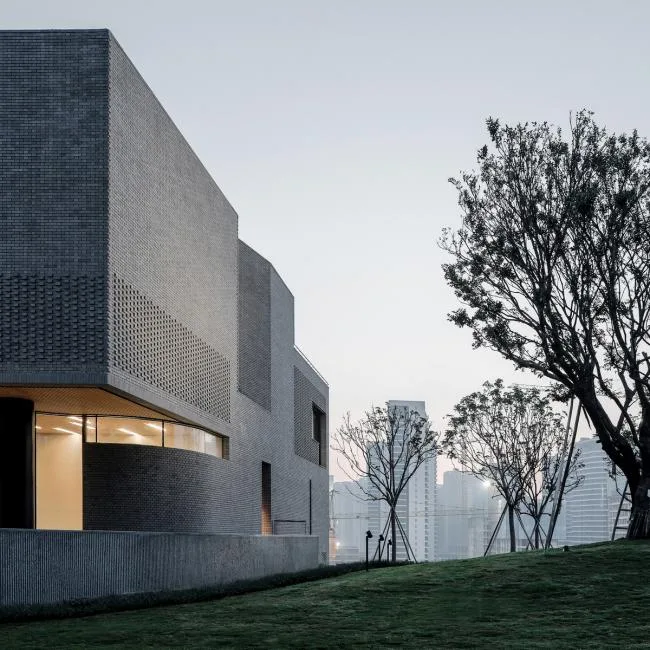
▲ Architecture and Surrounding Environment
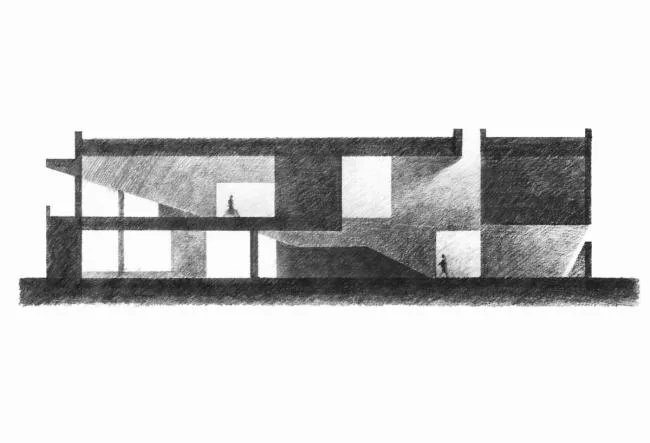
The public space in the China Resources Archives has been designed with neat and appropriate square proportions. In order to better respond to the connection between the functional blocks and the site within the archive, the architect created two spaces for it: a low-key entrance connecting the small path bay campus, and an exhibition platform that captures the urban landscape and the mountains and seas. And these two spaces are connected by a linear and intricate ‘skylight corridor’.
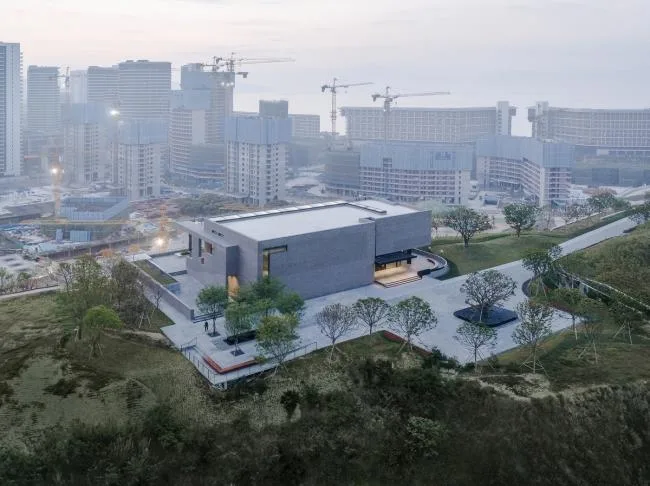
▲ Aerial view of square building volume
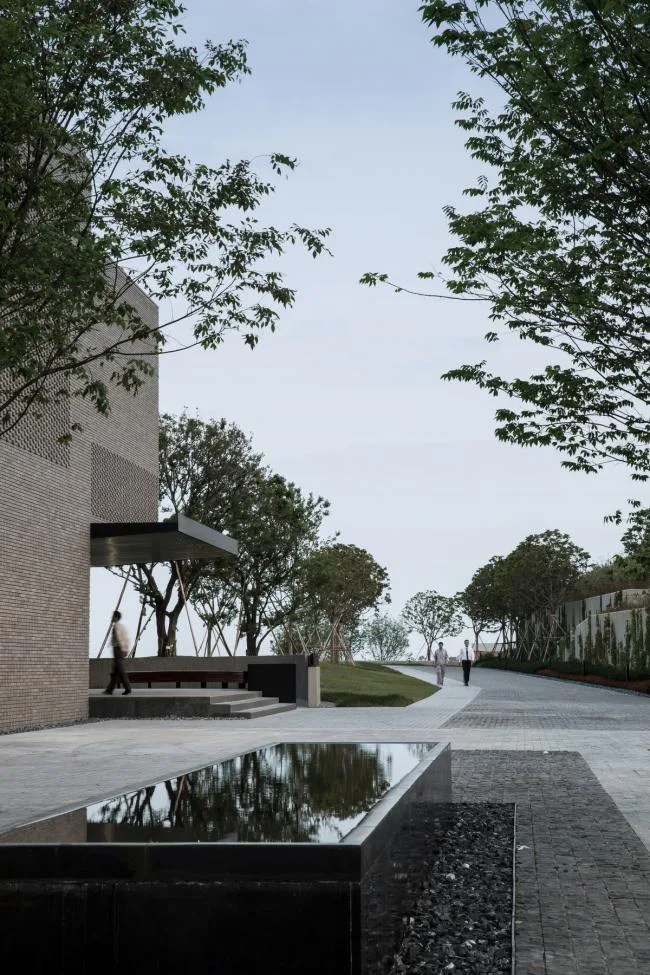
▲ A small path leads to the entrance
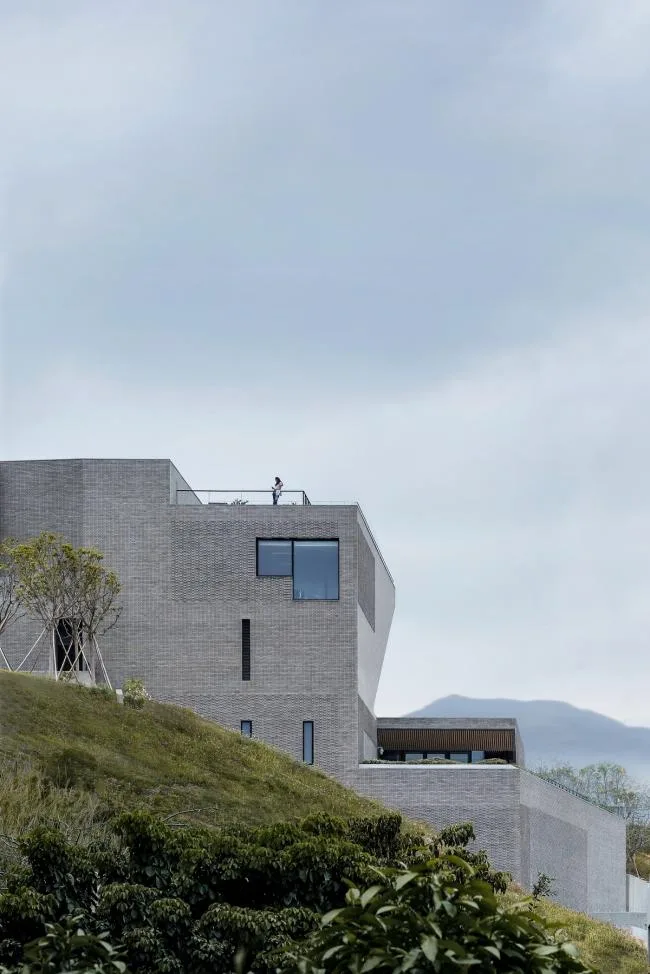
▲ A platform that captures the urban landscape and mountains and seas
Volume cutting and grinding
The building volume is precisely divided, cut, and integrated based on the given site conditions. At the main entrance hall of the building (closest to the campus entrance), the space is divided into a relatively independent building volume, with the entrance hidden beneath the volume and concealed.
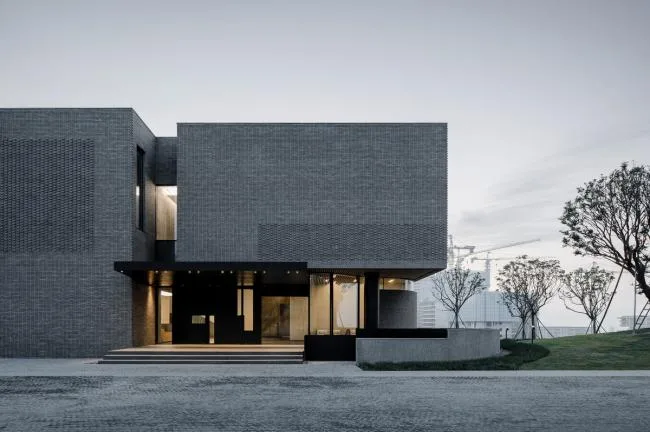
▲ Main entrance
At the eastern end of the construction site, the exhibition hall lobby is defined and divided at a delicate angle, increasing the visual impact while also allowing the indoor space to open more outward. The terrace outside the exhibition hall can capture the bustling urban scenery and also enjoy the scenic views of the mountains. Meanwhile, a series of ramps and terraces lead visitors towards the foot of the mountain and towards the city.
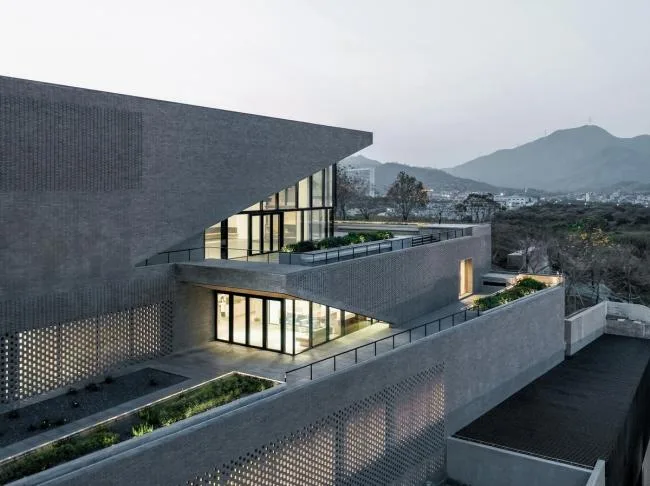
▲ Exhibition Platform
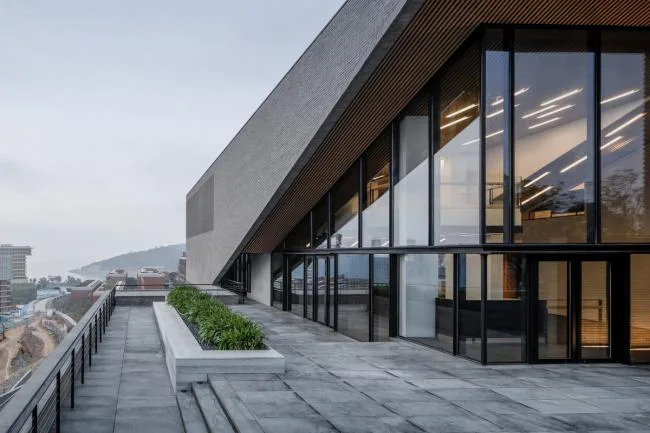
▲ Cut exhibition hall and platform
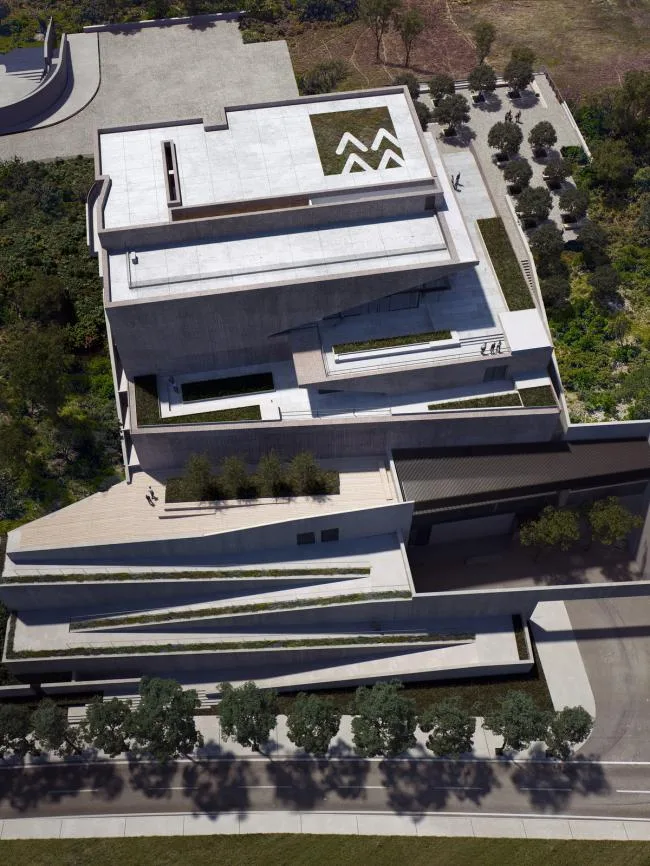
▲ Slopes and terraces extend to the foot of the mountain
The interface of the building is made of artificially fired gray soil bricks, which are sensitive and simple materials that showcase the subtle process of firing and shaping each brick. In addition to the standard flat brick curtain wall, two other brick wall textures also appear on the exterior facade.
The fa ç ade of the protruding brick exhibits stronger light and shadow effects and a three-dimensional sense; Hollow brick curtain walls allow sunlight to enter the interior while providing a view, while still maintaining the complete appearance of the building.
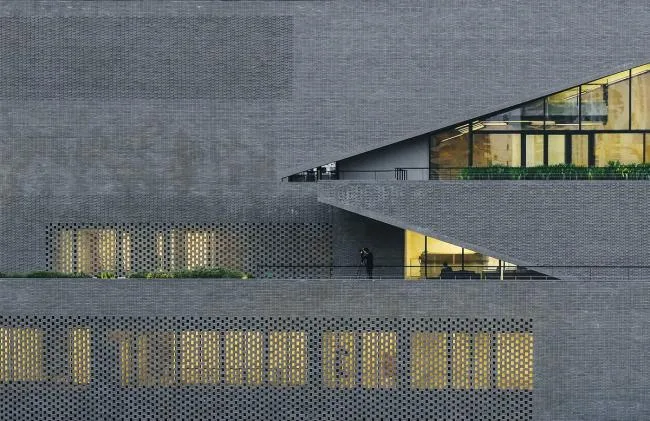
▲ Brick wall
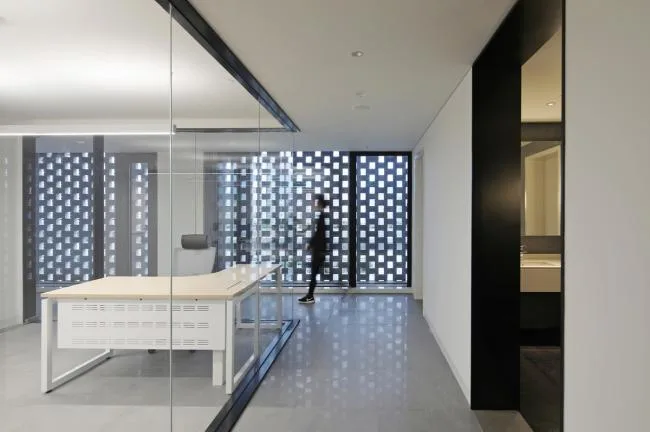
▲ Light shines through the hollowed out brick wall and reflects on the floor
Process details
In the design process, we (Link Arc) also pay attention to the changes that brick masonry brings to the exterior decoration of the building. The surface texture obtained from brick firing brings a solid touch, subtle and steady.
At the same time, changes in masonry methods have made the concept of “BIM designed walls” more transparent and lightweight, allowing spaces to permeate each other. The texture of bricks themselves, combined with flexible and varied masonry methods, creates a diverse range of architectural textures and innovative indoor experiences.
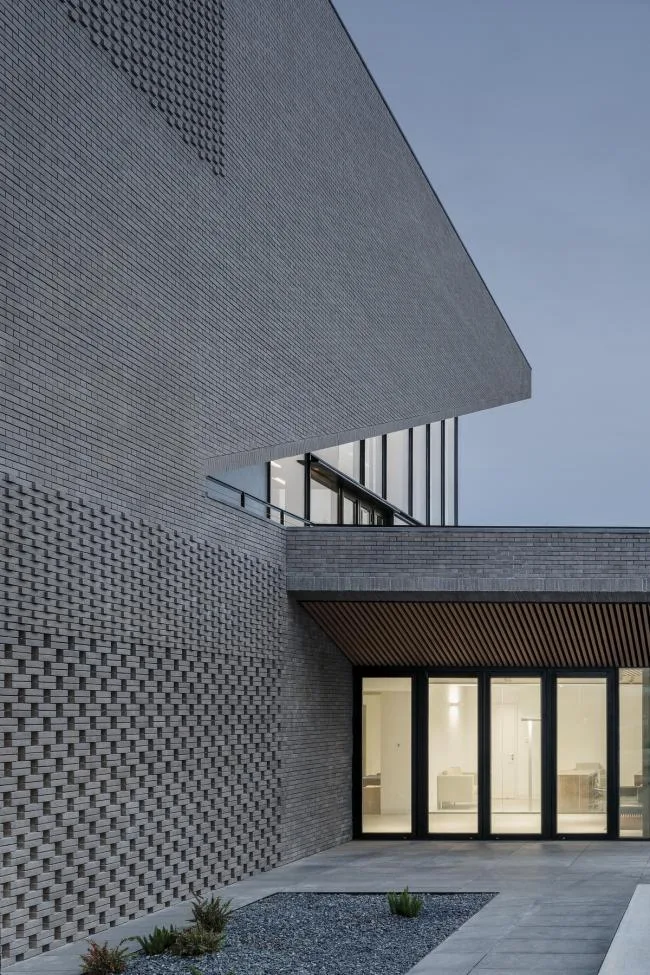
The solidity, stability, and subtlety of the wall
In addition, the firing of bricks, a material derived from the transformation of land, carries a natural bloodline with the mountains, and the handmade traces introduced during the firing process also better record the flow of sunlight on the exterior walls of buildings. All of this allows architecture to have a better dialogue with the land, history, and craftsmanship. Here, the exterior walls of the building are not just a layer of skin, but a clean canvas that brings together the sky and the earth to interpret together.
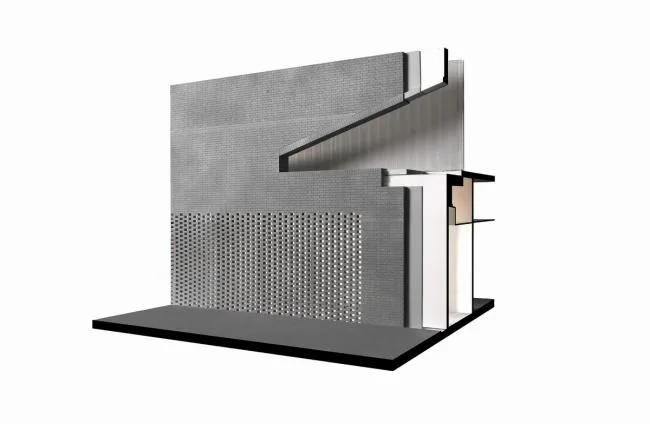
▲ Research on Brick Walls
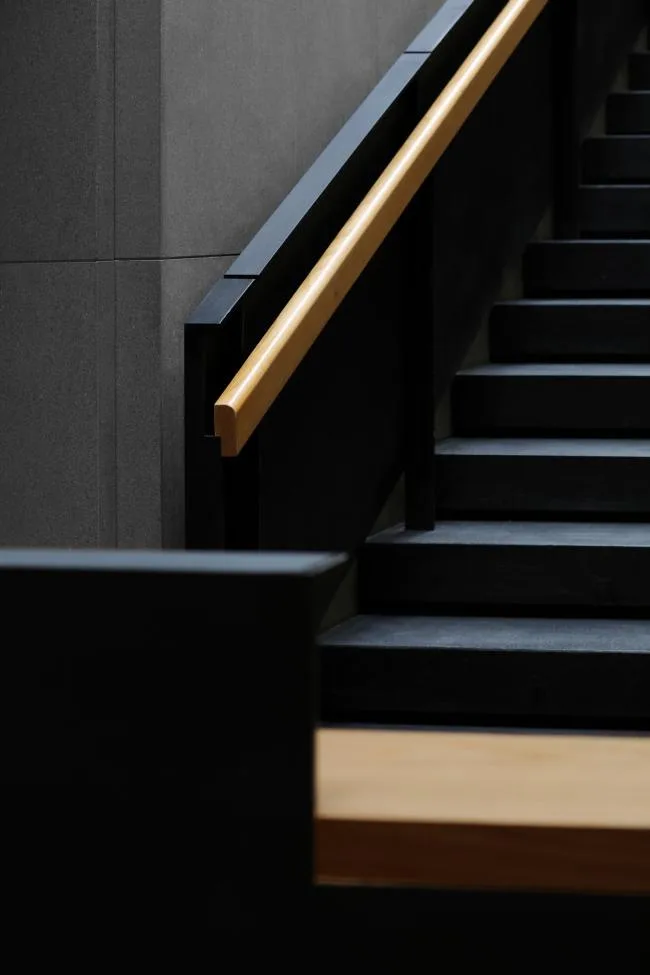
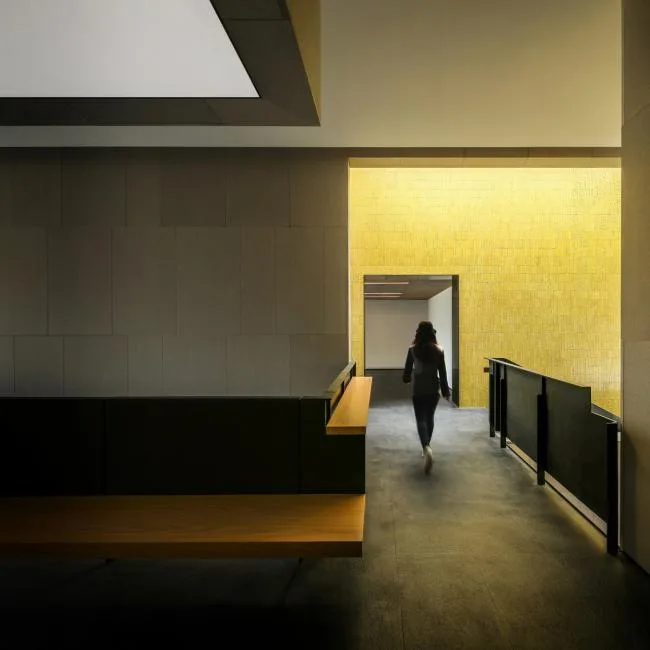
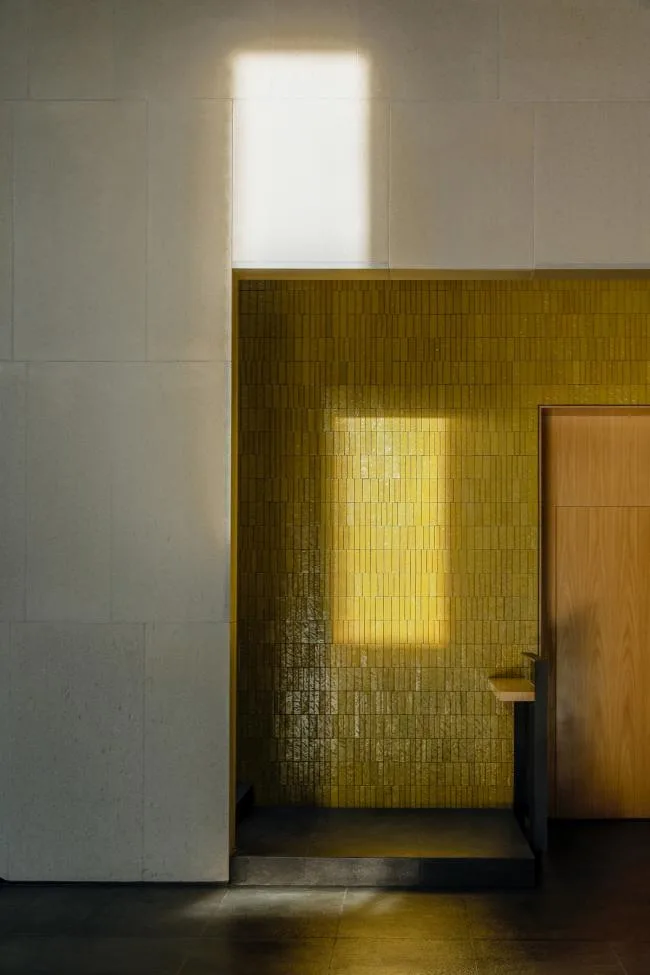
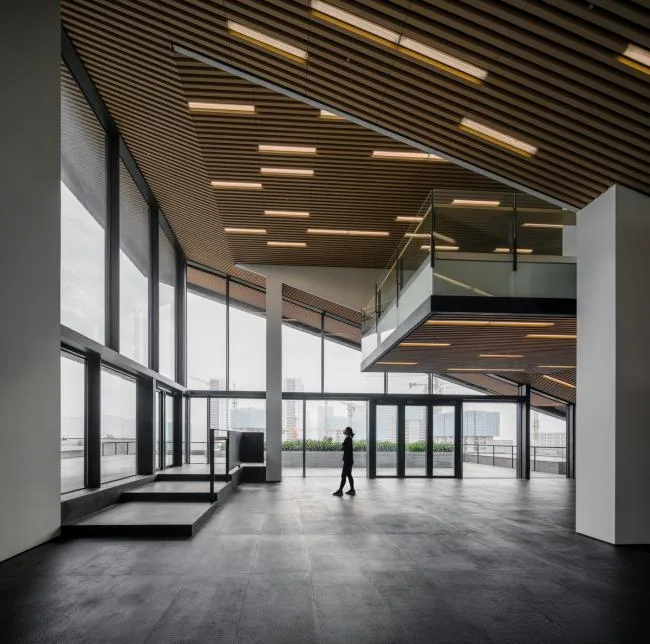
Indoor space:
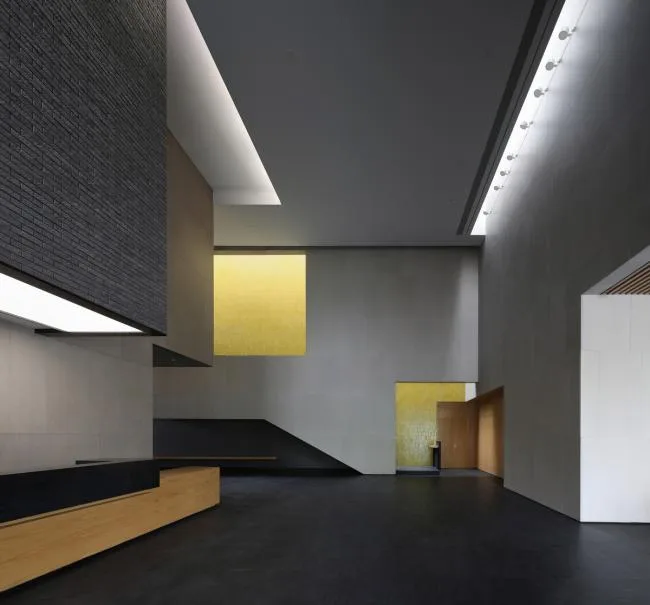
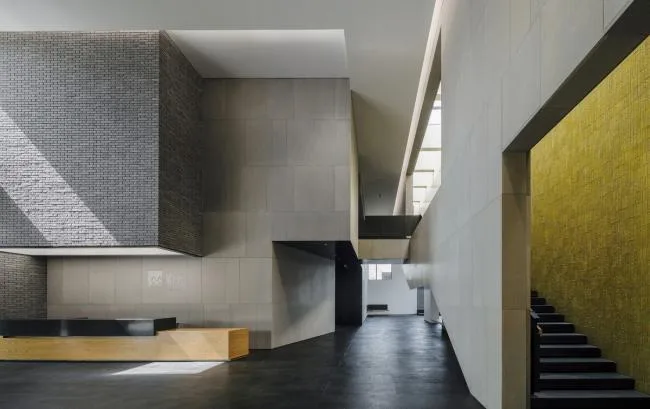
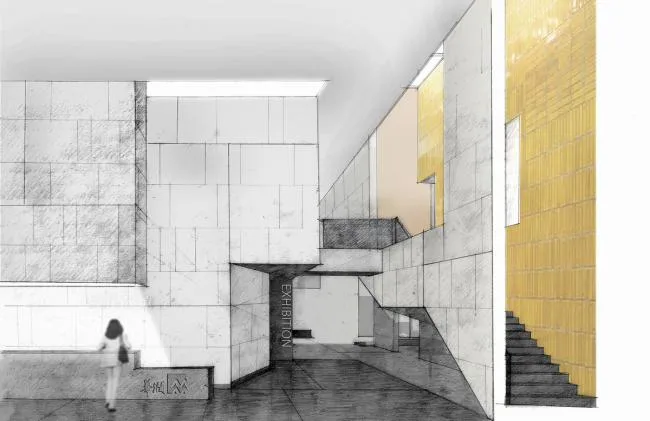
▲ Sketch
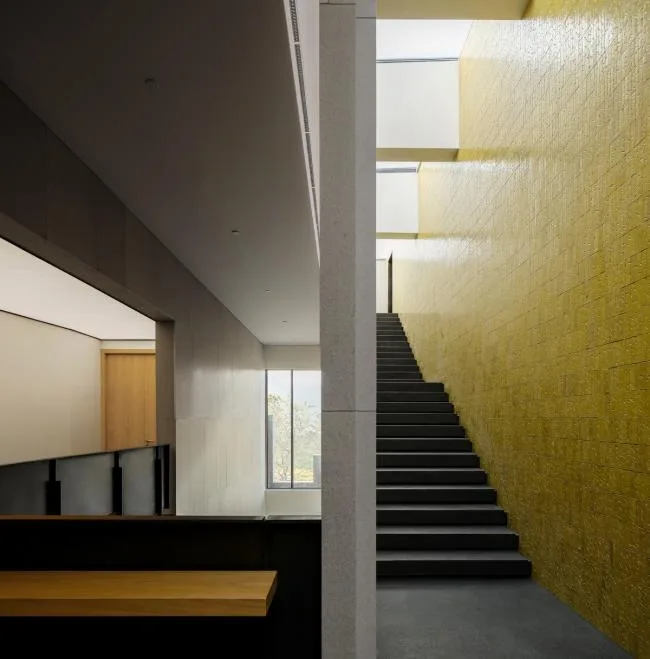
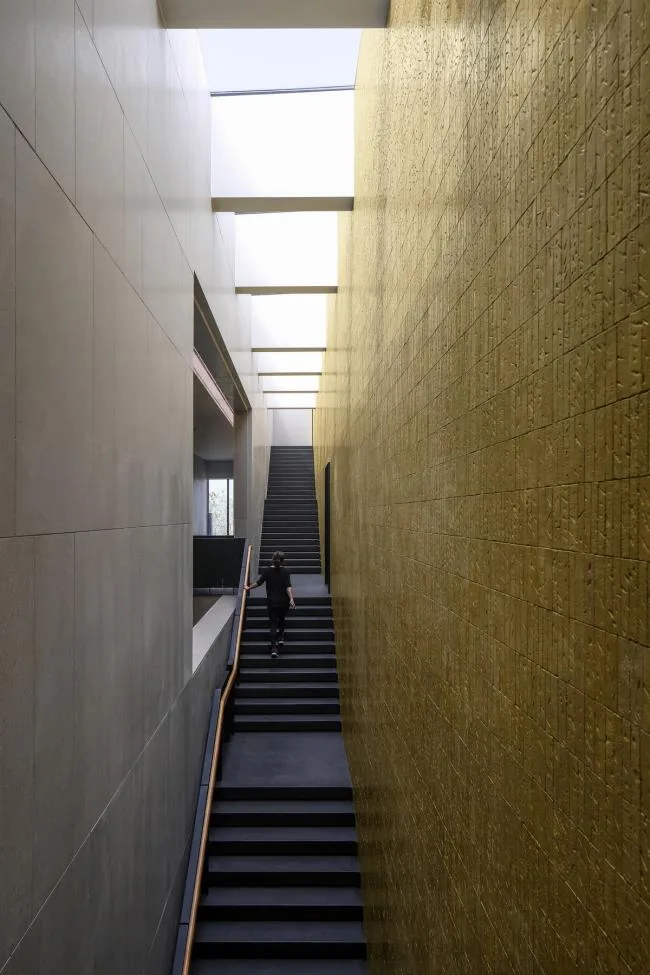
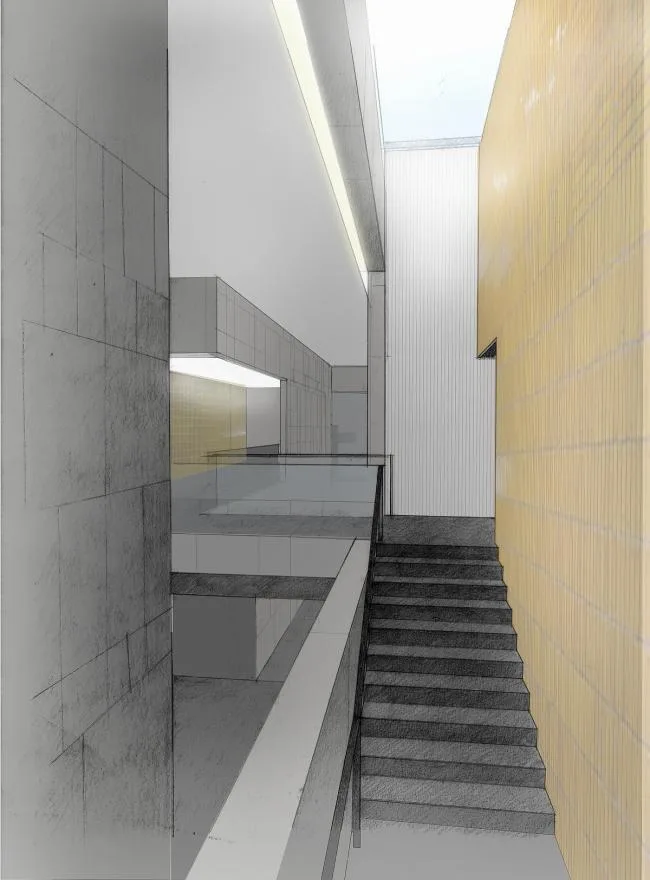
▲ Sketch
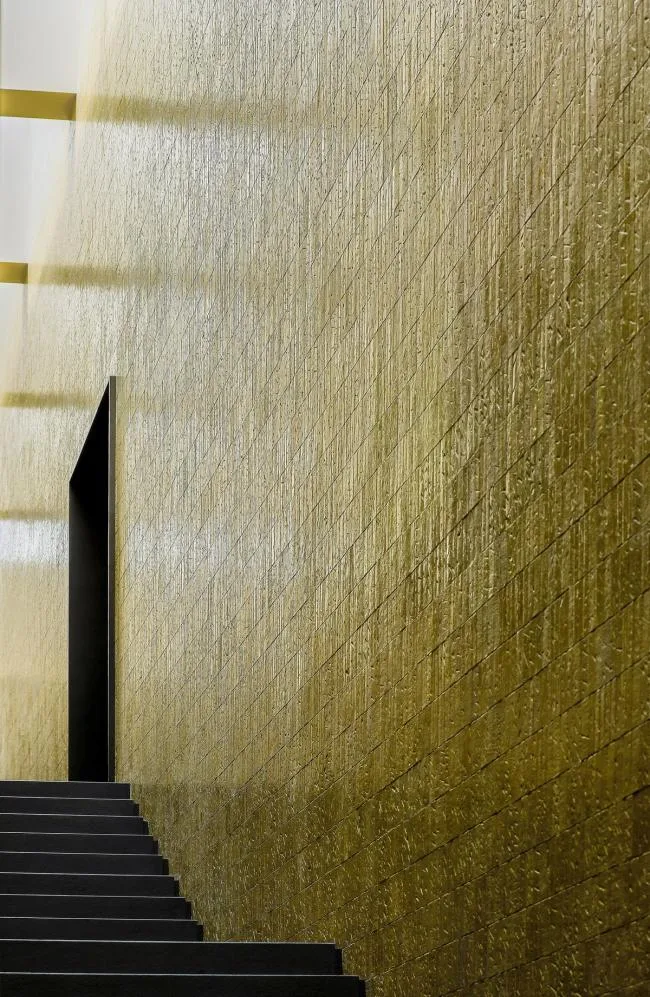
Design drawings:
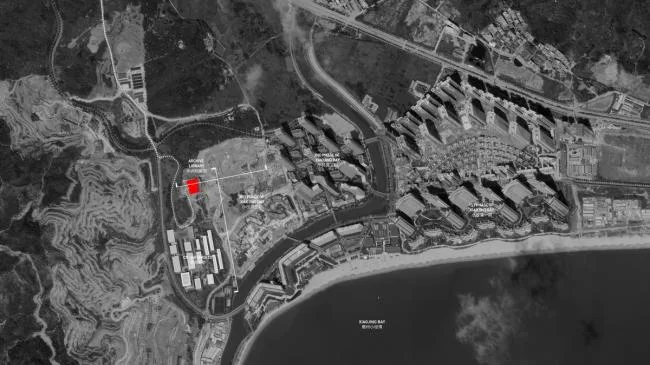
▲ Location Map
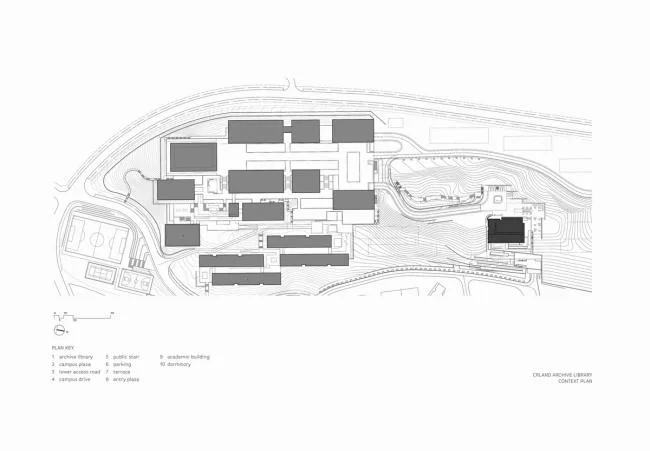
▲ General layout plan
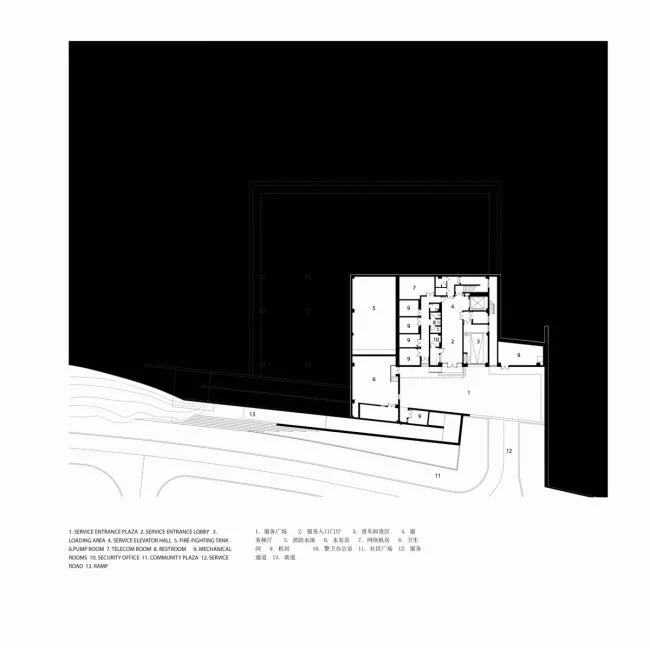
▲ First floor plan
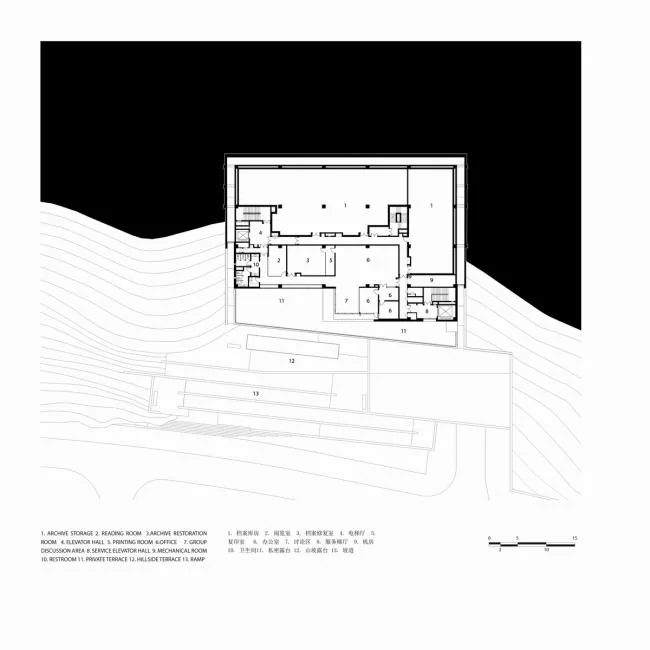
▲ Second floor plan
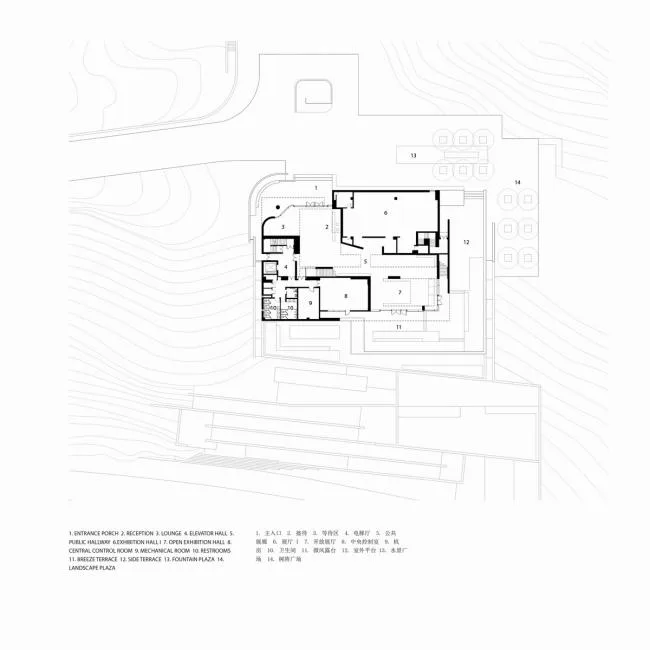
▲ Seventh floor plan
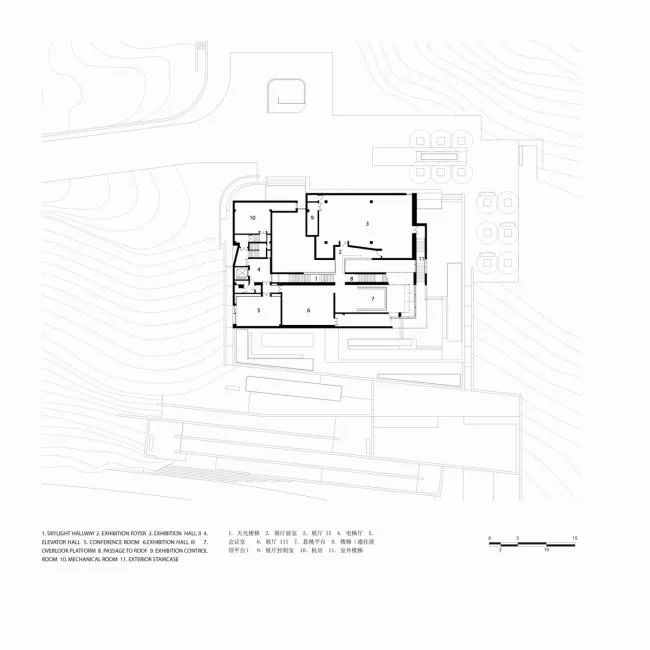
▲ Eighth floor plan
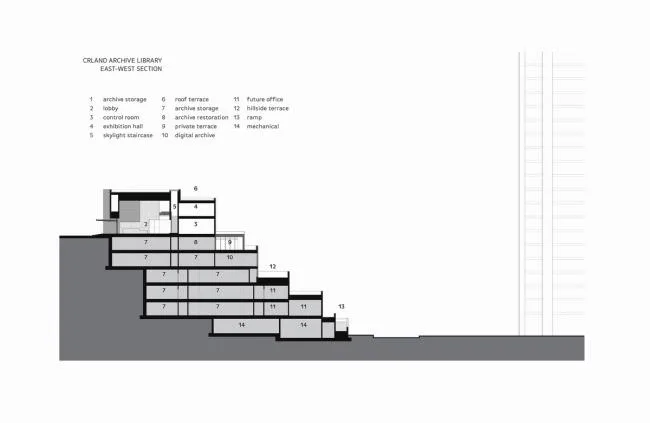
▲ Sectional view
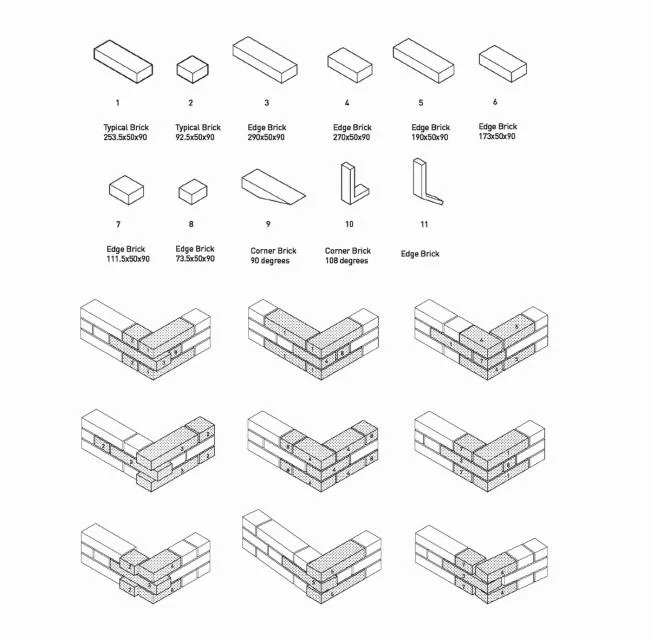
▲ Brick Wall Analysis Diagram
▲ Project analysis
▲ Profile analysis
▲ Sketch
▲ Sketch
Project Information:
Architectural firm: Studio Link Arc
Address: Xiaodao Bay, Shenzhen, China
Category: Cultural Architecture
Lead Architects: Lu Yichen, Cai Qinwen
Design team: Hyun joo Lee, Fan Shuning, Dongyul Kim, Li Shiqi, Alban Denic,Yoko Fujita, Wang Xiaoshi, Jean-Baptiste Simon, Hu Chen, Shi Maozhu
Building area: 9000.0 square meters
Project Year: 2018
Photographer: Su Shengliang
Client: China Resources Group
Structural Design: Yoshinori Nito Engineering and Design
Interior Design: Studio Link Arc
Landscape Design: Studio Link Arc
Partner: Sidi International (Shenzhen)












Must log in before commenting!
Sign Up