
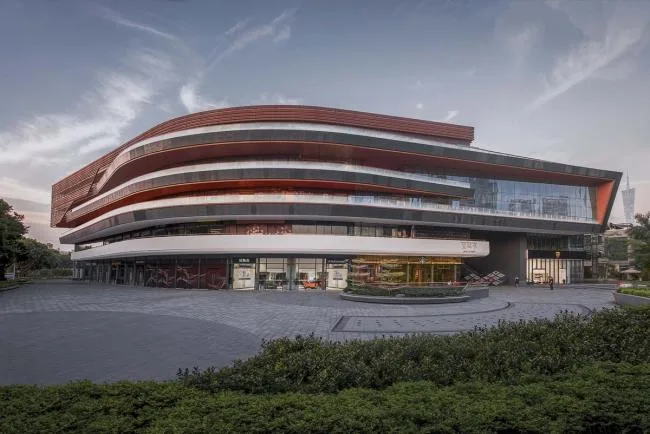
Ersha Island serves as Guangzhou’s central park, surrounded by expansive green spaces and bordered by upscale residences, museums, and music halls. In the early 1980s, the island was designated exclusively for export properties, restricting access to ordinary citizens, highlighting its prime location.
By the early 1990s, the government began developing the “Cultural Gold Coast” along the island’s southern bank, gradually establishing top-tier art venues such as the Provincial Art Museum and Xinghai Music Hall. Since then, Ersha Island has become synonymous with the “sunny spring snow” sentiment cherished by the people of Guangzhou.
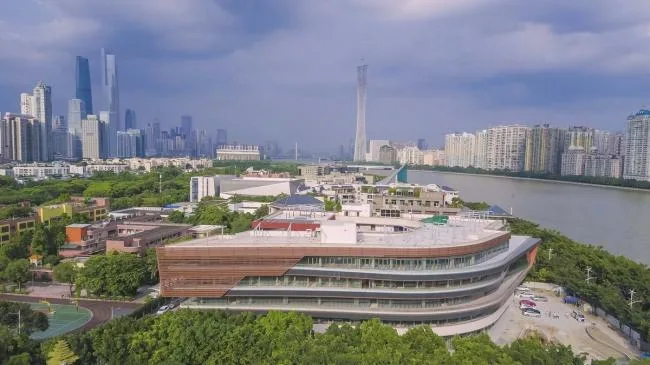
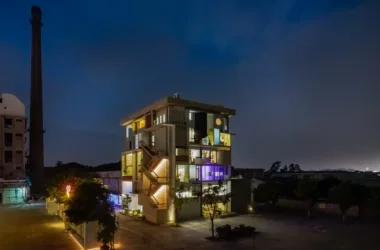
The Wenli Cube project represents the final plot in the “Cultural Gold Coast” development. It is self-funded by a private art foundation aiming to create a “mini West Kowloon” — a sustainable model where property management supports cultural and artistic activities.
When the architect took on this project in 2010, they were living on the island and often strolled along the south riverbank at night. On one side lay luxurious mansions, courtyards, and museums framed by dark, expressionless trees; on the other, citizens gathered under a large banyan tree to enjoy impromptu street performances, creating a lively atmosphere.
This vibrant scene echoes Allan B. Jacobs’ description in “The Great Streets”: “Some streets stand out—where you feel free, unburdened, and truly want to be.” During the day, the area is quiet, but it comes alive at night—not out of obligation, but desire. Wenli Cube is positioned at the end of this ‘great street,’ and the architects’ first challenge was integrating this street life into the project itself.
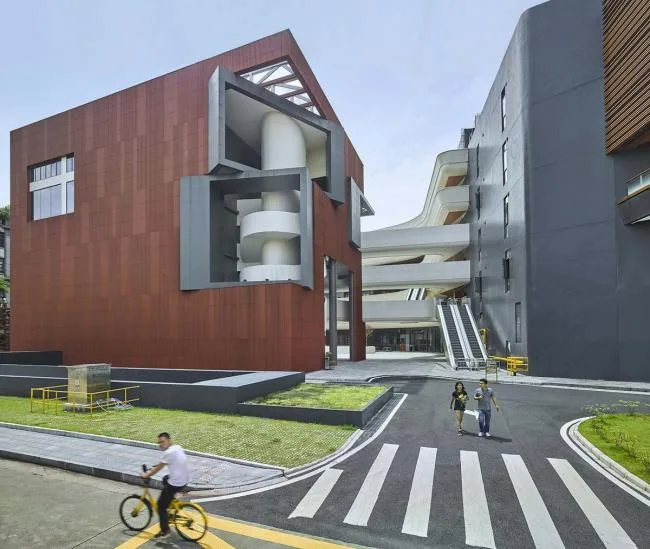
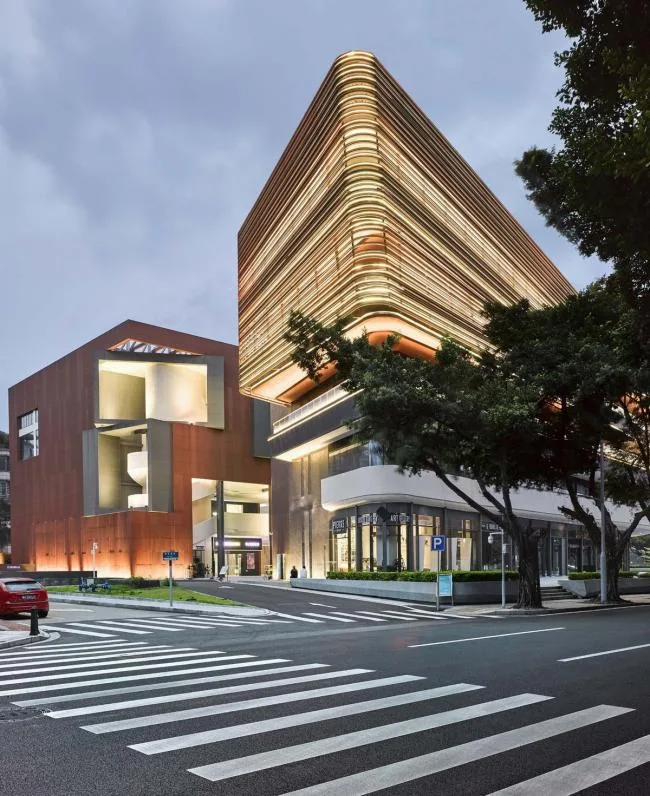
The next challenge was fostering a vibrant, cohesive community amidst the surrounding enclosed buildings. Architect Mi Xiao prioritized creating a “breathing” space, abandoning isolated point-style buildings in favor of a street-style layout with an inner courtyard. This courtyard connects exhibition halls, shops, dining, offices, leisure, and performance spaces, opening onto the street to form a welcoming urban public area that unites the surrounding structures into a cohesive community.
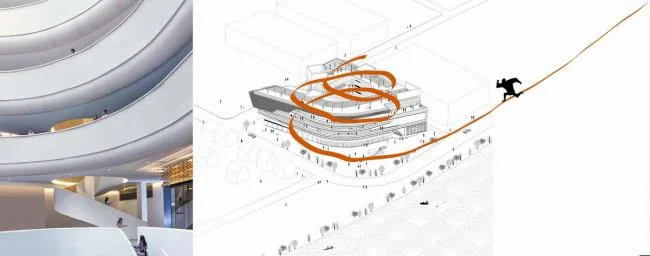
Vertical Street Concept Map

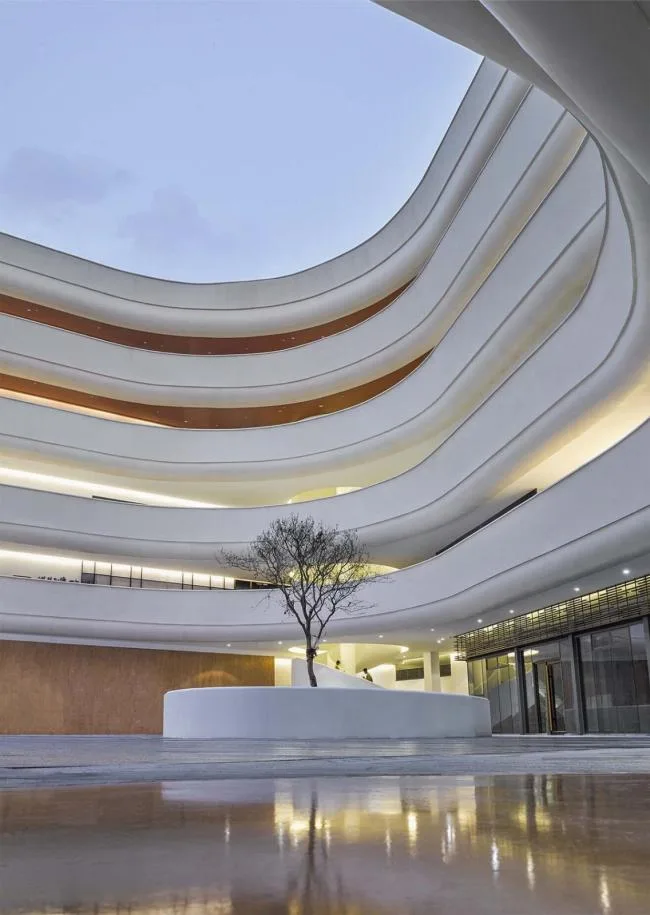
The third key consideration was sustainability. Private funding for public art projects is challenging, so minimizing both infrastructure and operational costs was essential. Ecological and green architecture principles guided the design, emphasizing natural shading and ventilation to reduce energy consumption.
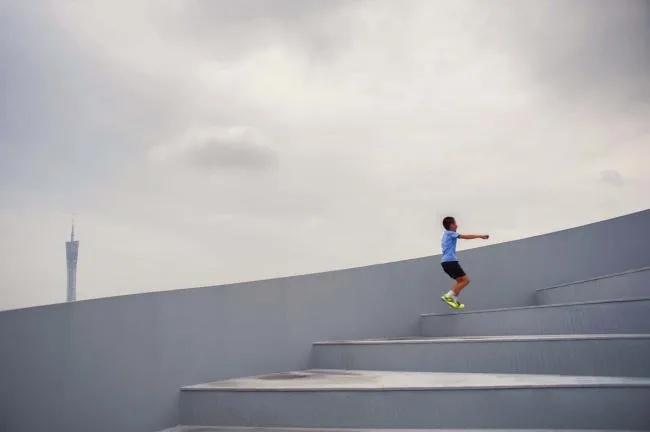
The building’s inner courtyard enhances airflow, while a climbing plant system on the southwest facade provides shade. This design extends the “Great Street” concept upward, inviting visitors to the rooftop for panoramic city views — the CBD and Pearl River New City to the east bathed in sunrise, and the historic city skyline to the west under sunset glow.
The original design featured a sloped outer corridor with all functional spaces facing the courtyard. While architecturally distinct, this separated the public “street” from the inner courtyard and functional units, creating rigid divisions between private and public spaces and hindering a lively community atmosphere.
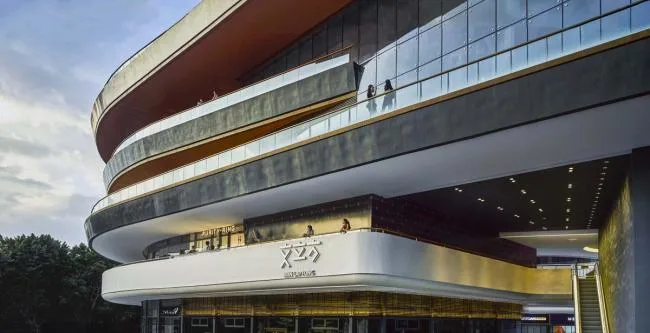
To resolve this, the street level was flattened with open entrances and stairs connecting floors, transforming the courtyard and outer corridors into extensions of the city’s squares and streets. Each floor’s outline was shaped to create unique “viewfinders” that vary between wide and borderless, guiding visitors through shifting views between urban landscapes and the serene courtyard.
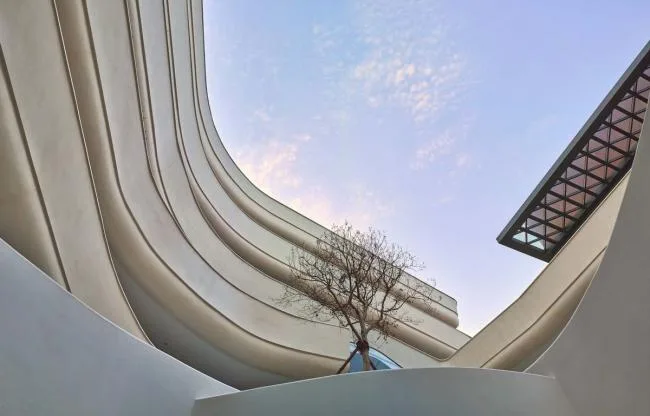
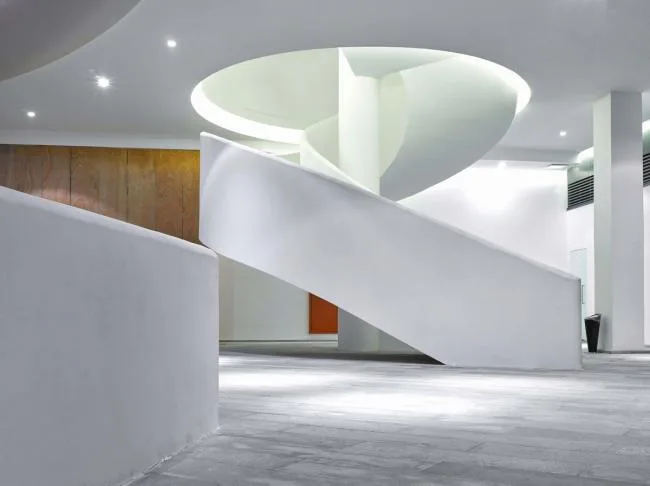
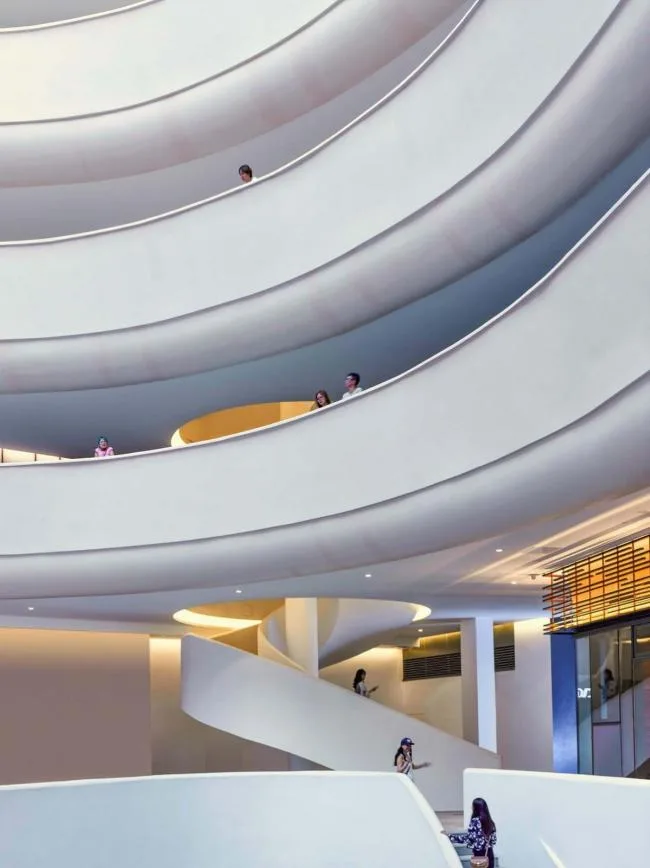
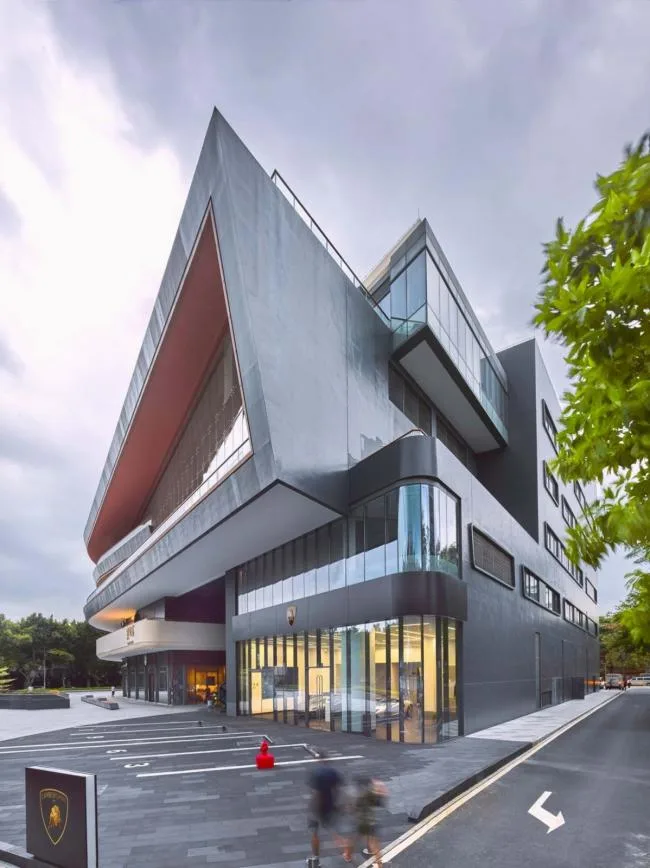
The building’s main facade is defined by a 160-meter-long curved outline extending southwest from the base. Aside from an aluminum grille installed in the northwest corner to conceal the kitchen, the facade features minimal design, allowing exhibition halls, dining areas, and other functional spaces to express their unique identities within the overarching framework. This approach reflects the architect’s experience as a curator, emphasizing individual presentation within a collective structure.
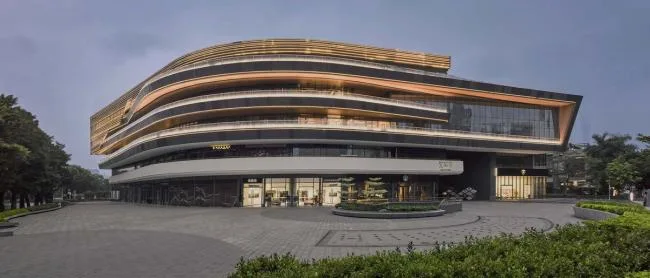
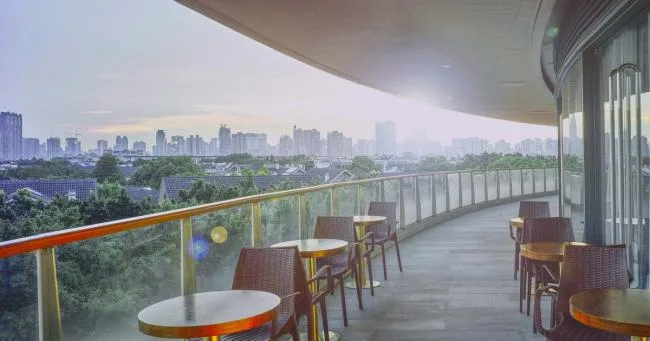
The exterior materials and colors are chosen to blend rather than contrast with the surrounding buildings. In an overly exclusive community, the architect believes the most important achievement is creating a space free of class distinctions.
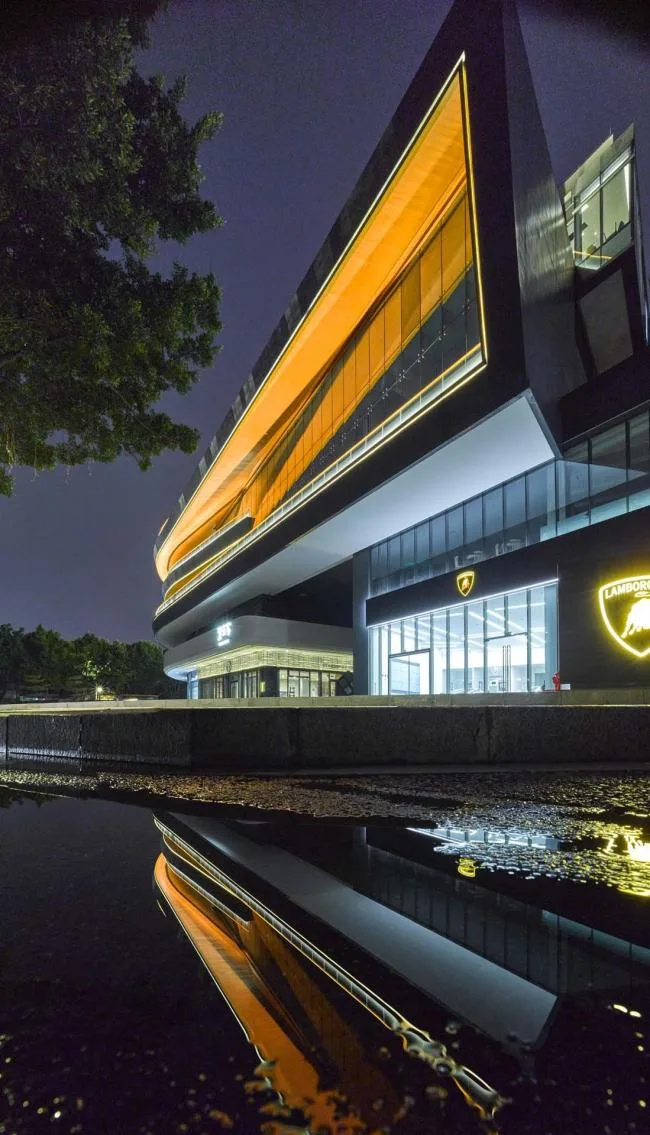
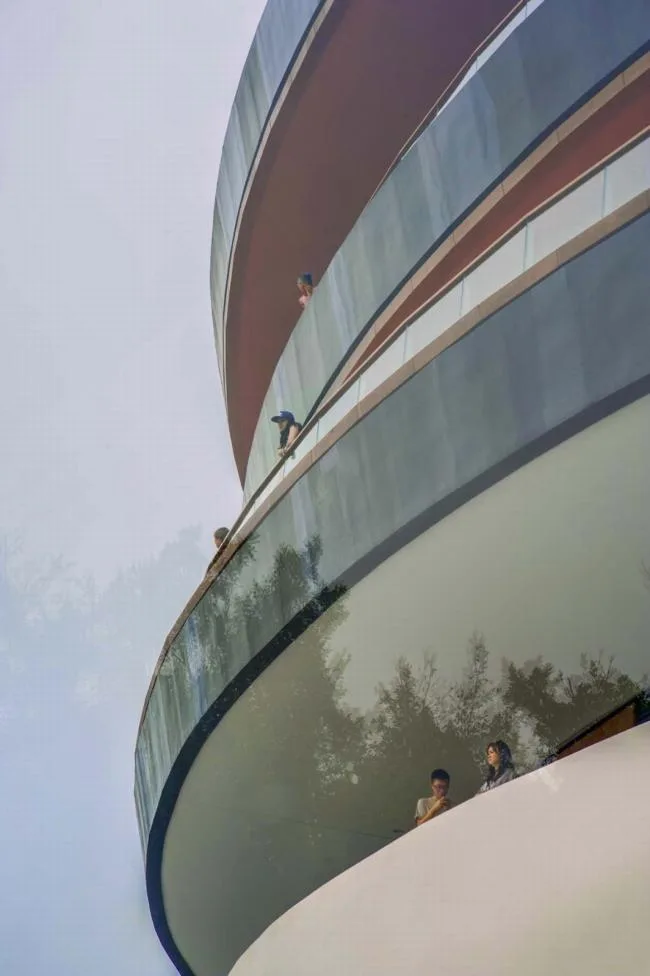
Upon completion, Sun Yimin, Dean of the School of Architecture at South China University of Technology, described the project in a speech about Guangzhou’s arcades: “We don’t need to worry about the specific architectural language; the form can be modern. What matters most is the life these buildings accommodate. The arcades serve as containers — their true value lies in the personality and purpose they represent.”
By combining sunshade and rain protection with spaces for socializing, culture, and commerce, Wenli Cube adds a kilometer of “arcade” to Ersha Island’s Cultural Gold Coast.
Project Drawings:
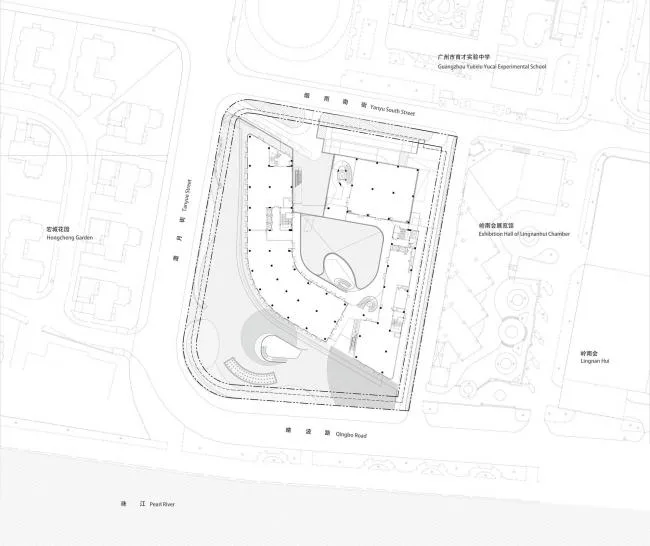
Ground Floor Plan
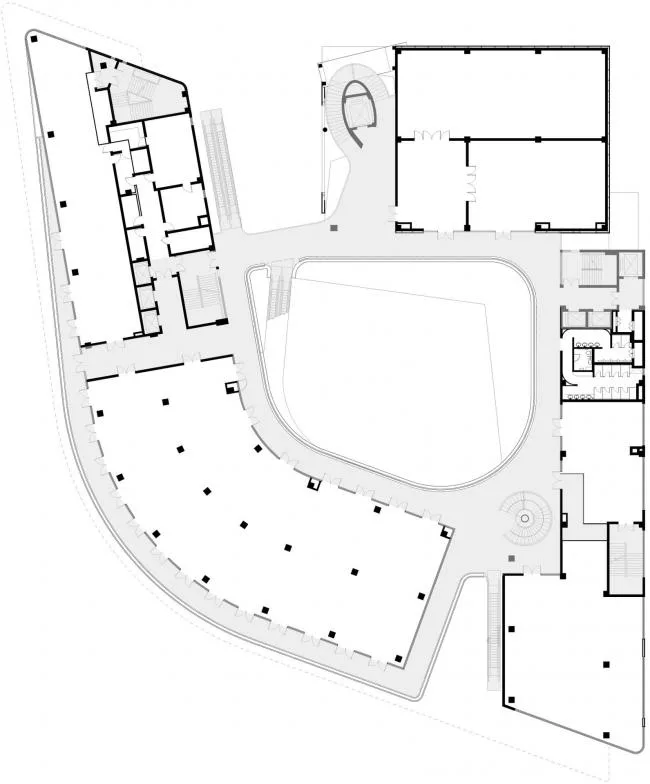
Second Floor Plan
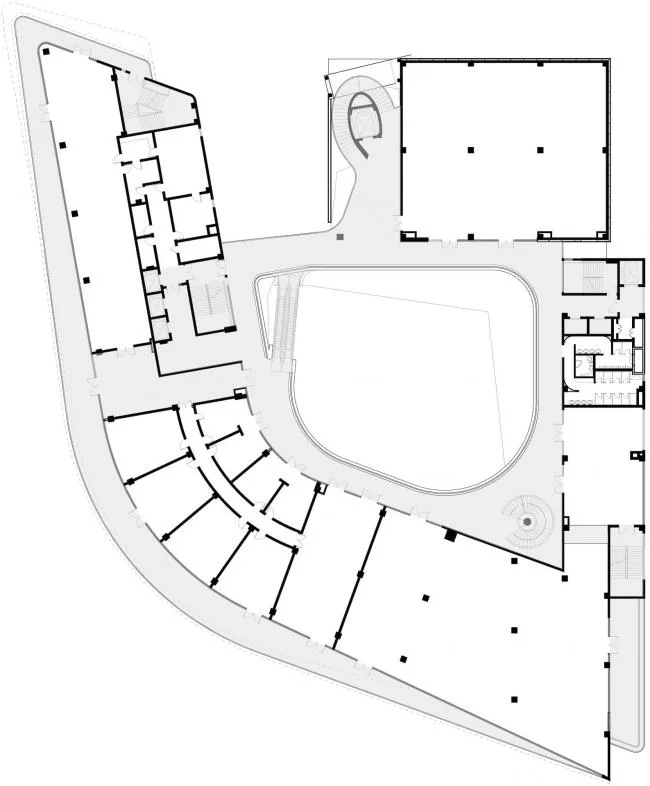
Third Floor Plan
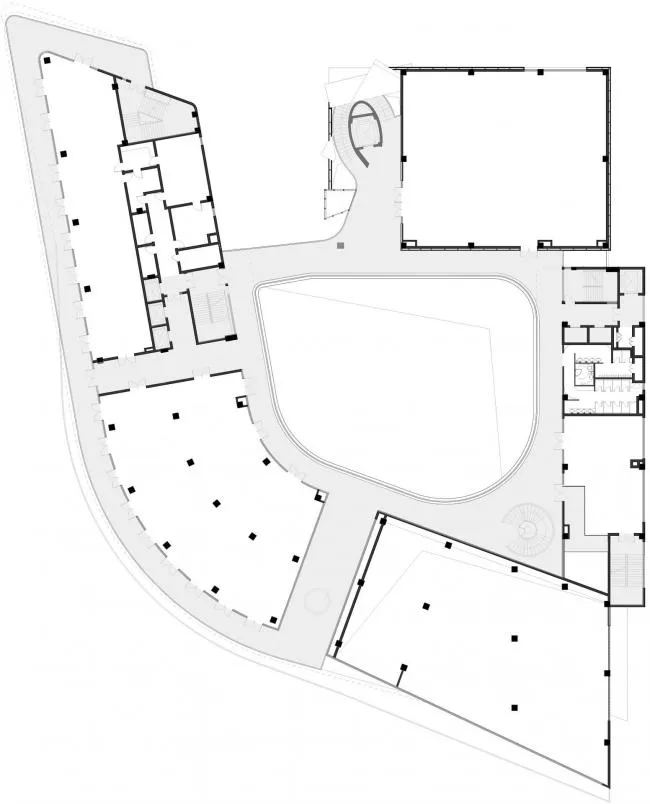
Fourth Floor Plan
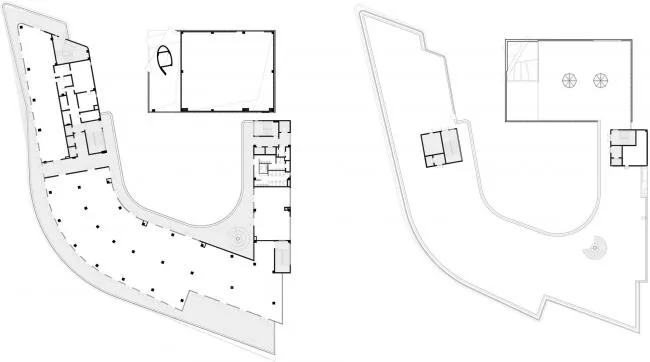
Roof Plan
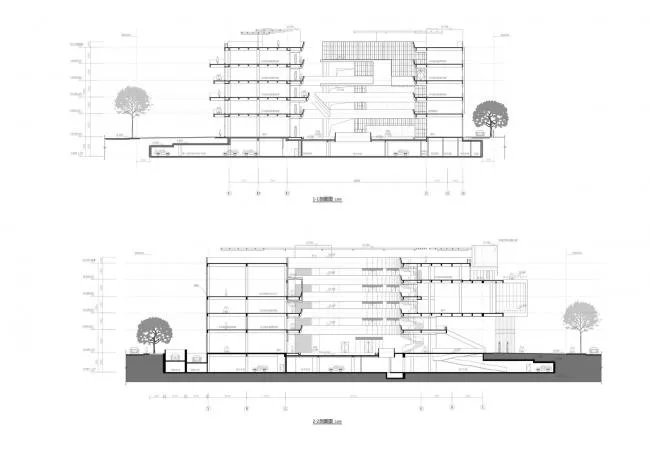
Sectional View
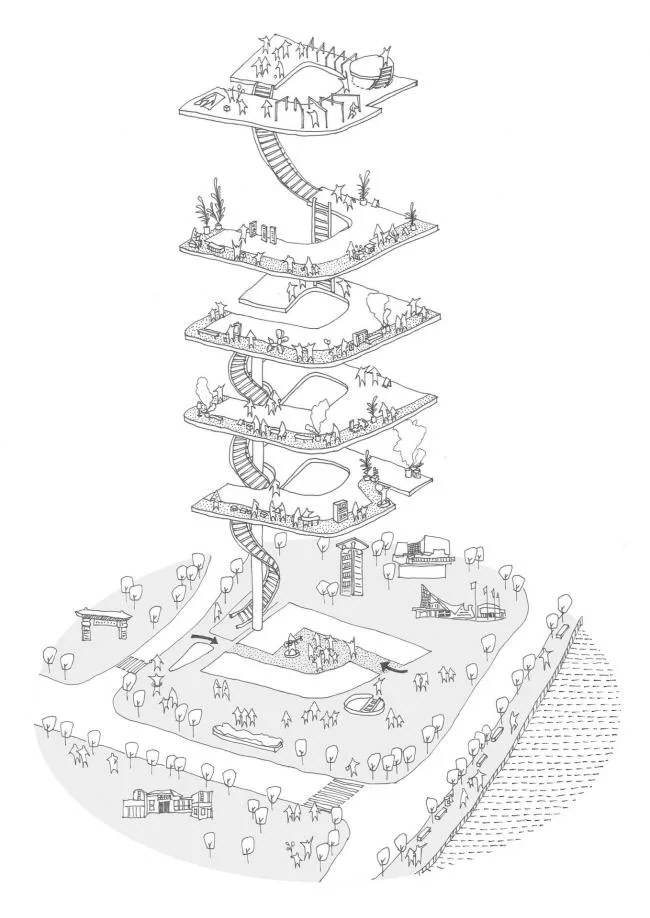
Hand-Drawn Analysis Diagram
Project Information:
Architect: Gate Building
Address: No.1 Qingbo Road, Ersha Island, Guangzhou City, Guangdong Province, China
Category: Visual Arts Center
Lead Architect: Mi Xiao
Design Team: Li Zhiyao, Diao Jiajun, Yu Yao, Song Dingkan, Yue Liang
Building Area: 22,550 m²
Project Year: 2018












Must log in before commenting!
Sign Up