
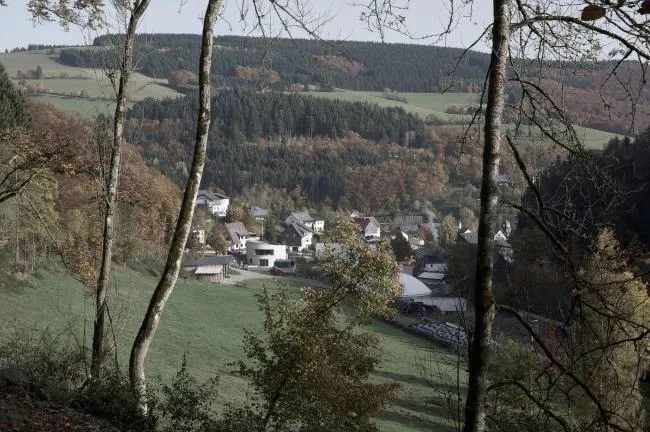
This off-grid residential building is located in the highlands of Germany.
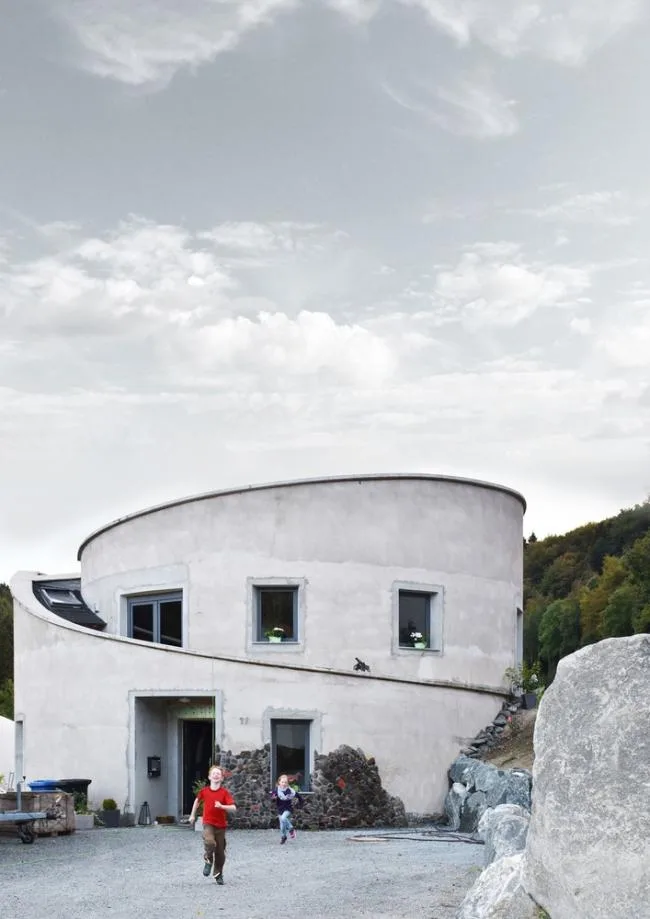
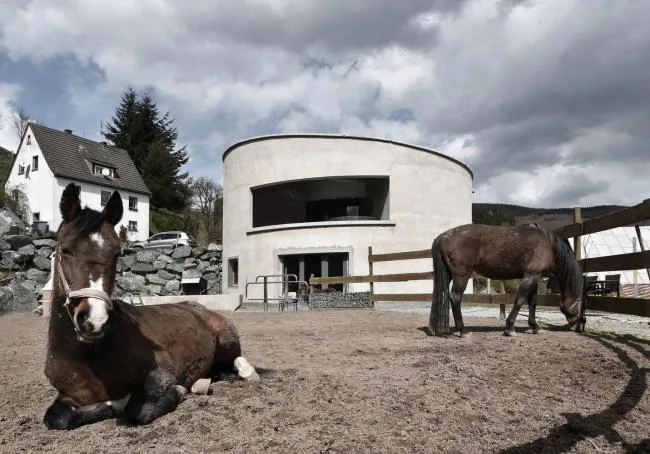
One day, the owner came into our office and said, “Christoph, I want a circular house.”
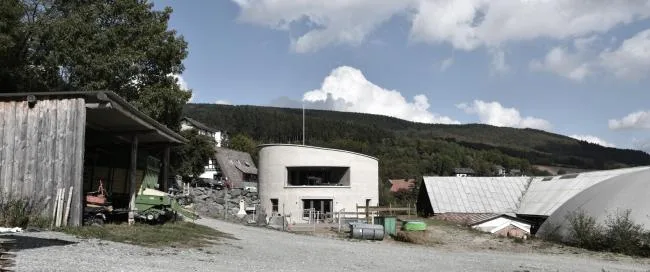
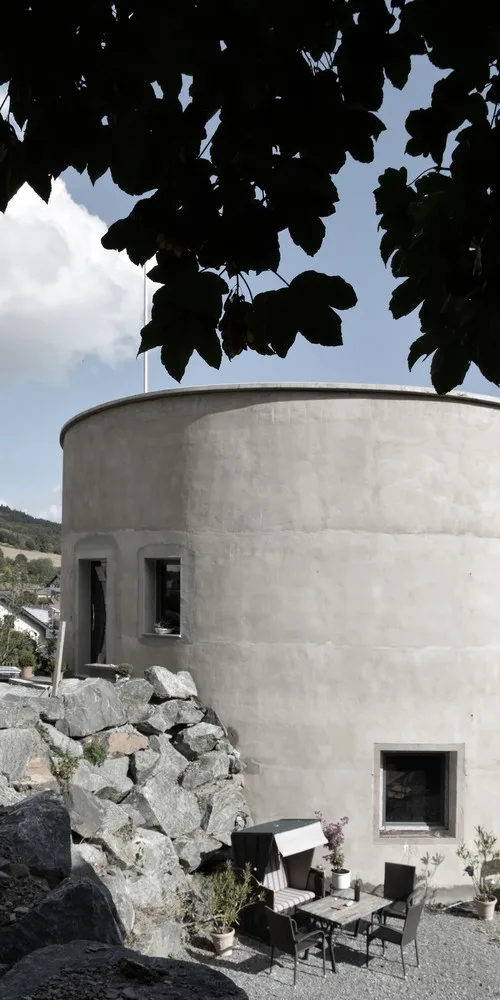
The owner of Villa F comes from an agricultural background and is a pioneer in Germany’s biogas sector, alongside his father. His primary reason for wanting a circular farm is to optimize the building’s surface area to volume ratio for energy efficiency. Additionally, he appreciates the simplicity and purity of the space’s atmosphere.
Energy conservation and environmental protection are at the heart of the design. The building’s energy supply and waste management depend on a self-sufficient biogas system, which is why it is considered “off-grid.” In recent years, biogas has gained significant traction as a renewable energy source. Biogas produced from forestry, agriculture, and waste is used to generate electricity and heat within this bioenergy village. On a global scale, this abundant energy resource helps reduce reliance on fossil fuels.
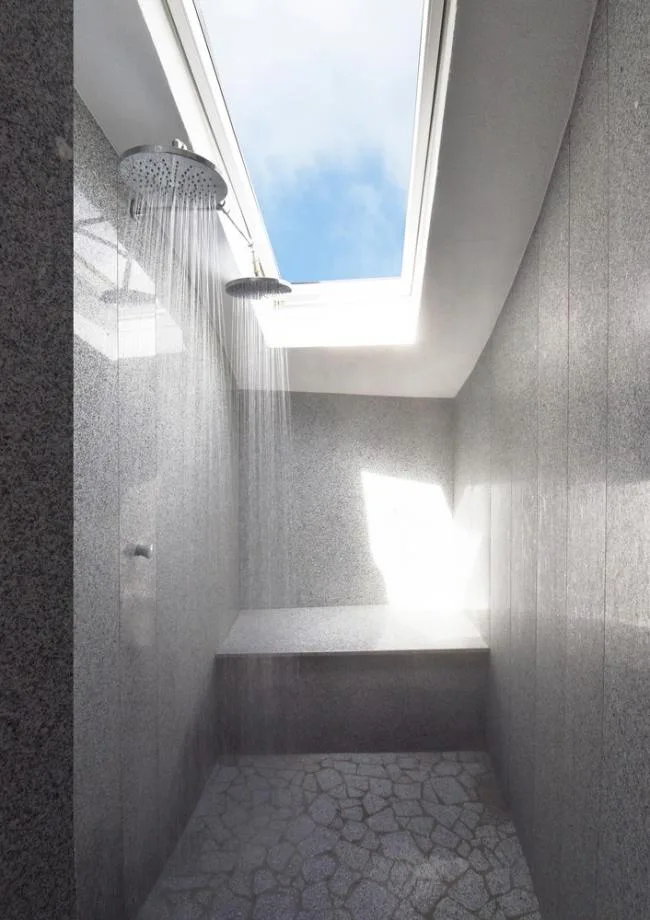
Beyond supporting renewable energy, this project also aims to strengthen the local economy. Ultimately, all houses in the village will adopt the model strategy of Villa F, benefiting from significantly reduced energy operating costs. The concept of creating a self-powered community has been developed through active involvement from local residents. Additionally, a nearby village will be connected to the local biogas heating network.
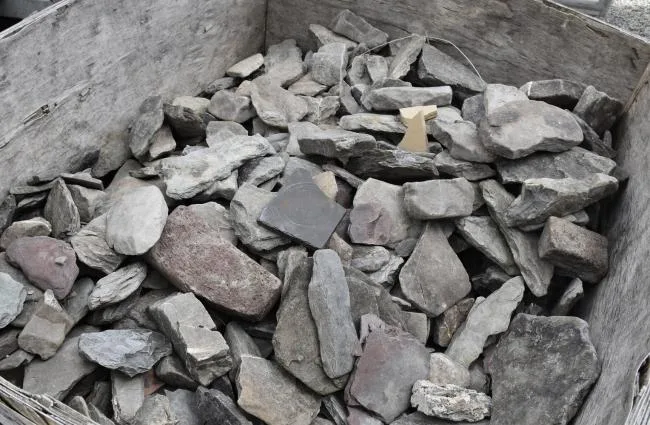
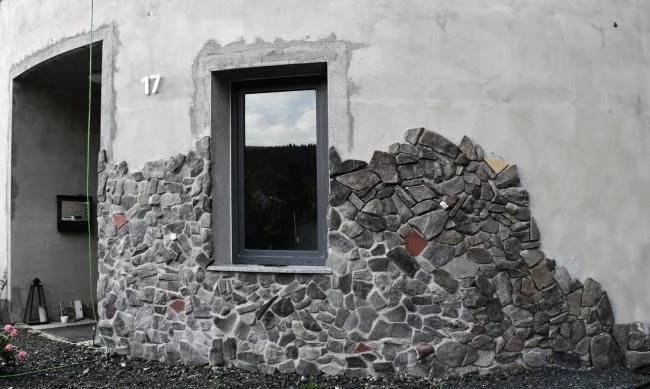
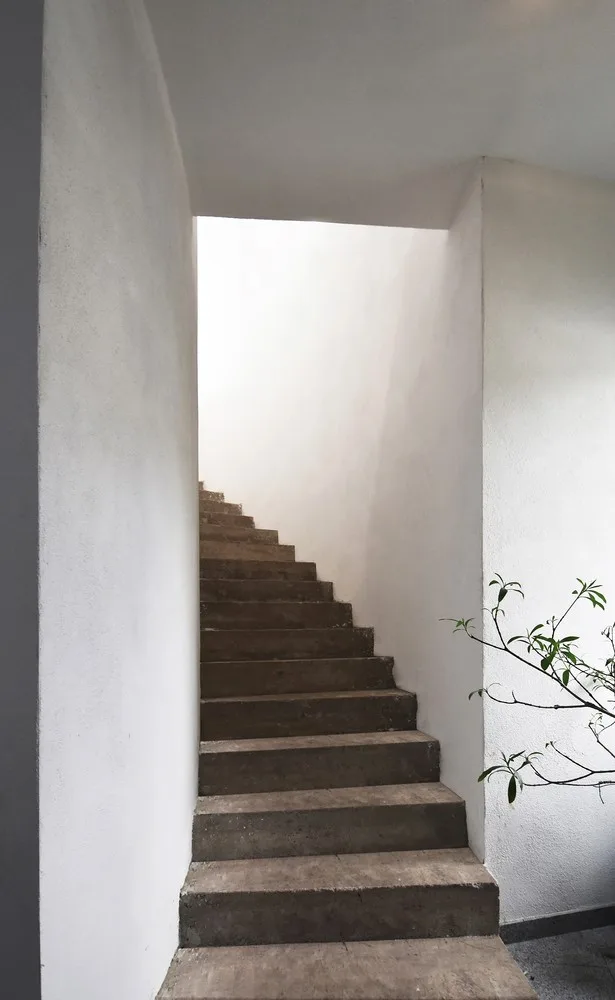
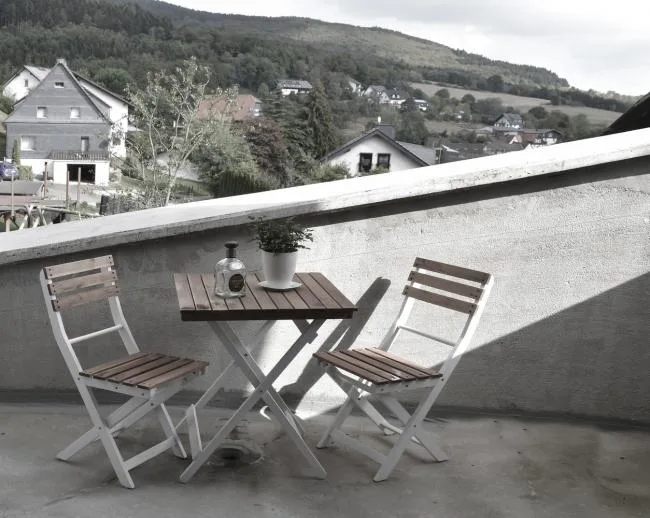
The building is designed as a two-story cylindrical structure. The ground floor houses offices and technical rooms dedicated to biogas production, while the upper floor, seen from the attic’s perspective (BIM work), serves as the living space. The roof’s shape reflects the site’s characteristics, particularly the mountain slopes. Moreover, the surrounding landscape is visually integrated into the interior through corridors and balconies.
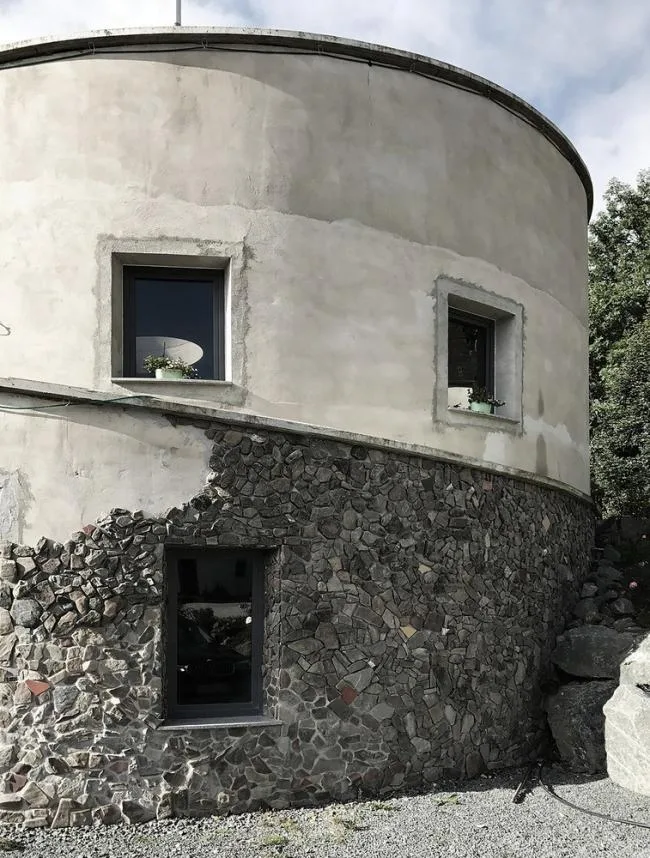
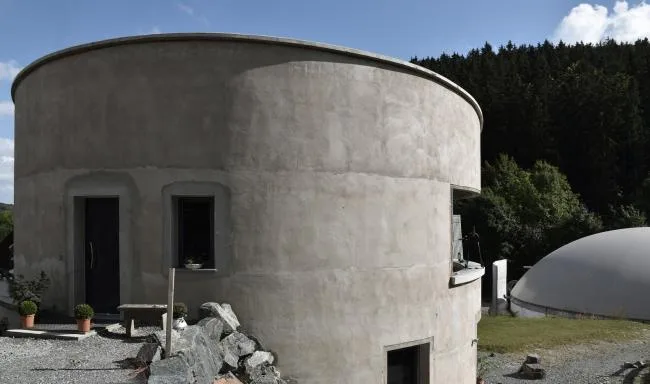
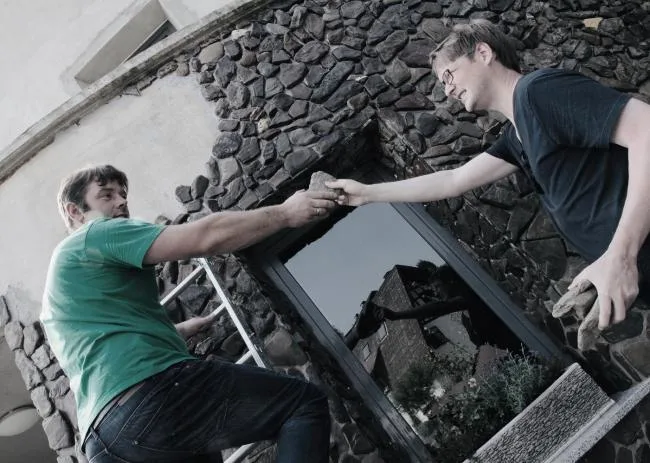
The connection to the outdoors reflects the homeowner’s deep roots in the land. This close relationship between the farmer and nature is also expressed in the façade, designed by the owner himself, who used stones from nearby streams to create a seamless and cohesive exterior.
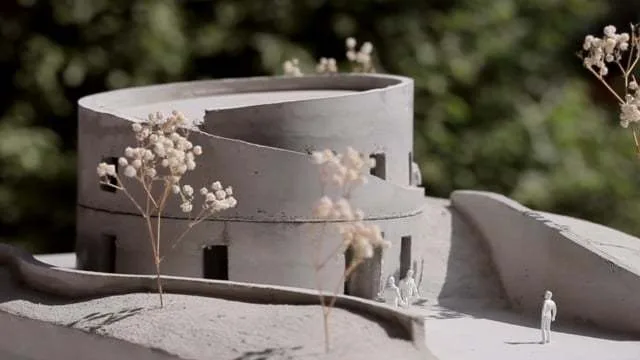
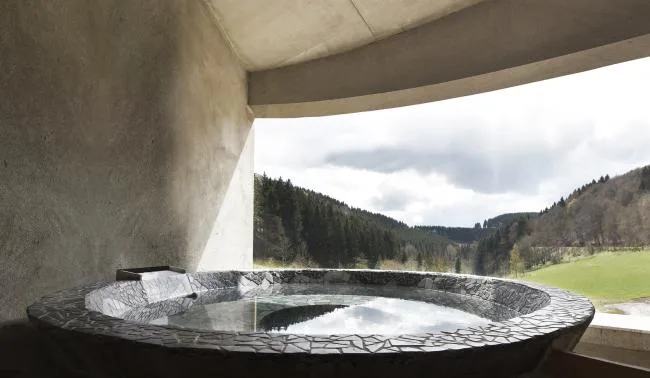
On the upper-level porch, an oval-shaped bathtub, heated using waste energy from the biogas system, provides a relaxing spot with views of the surrounding landscape.
Drawings
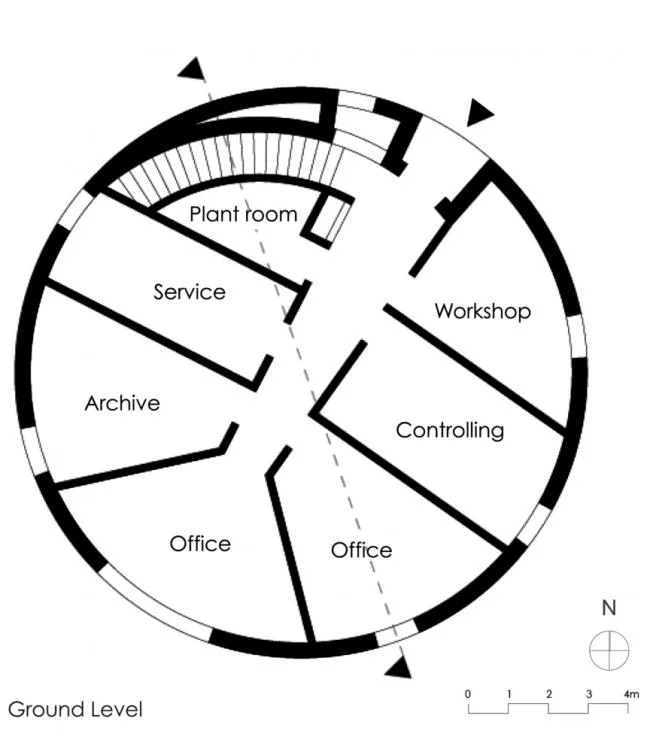
Basement floor plan
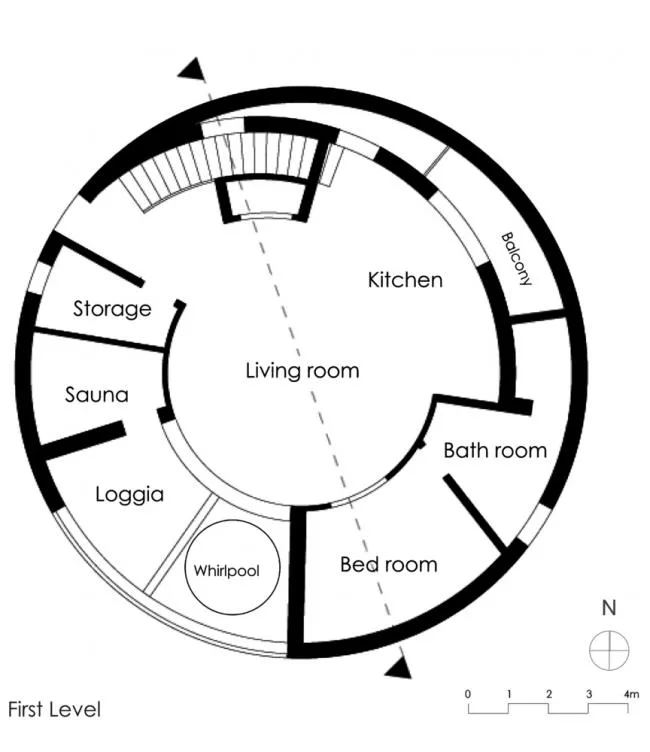
First floor plan
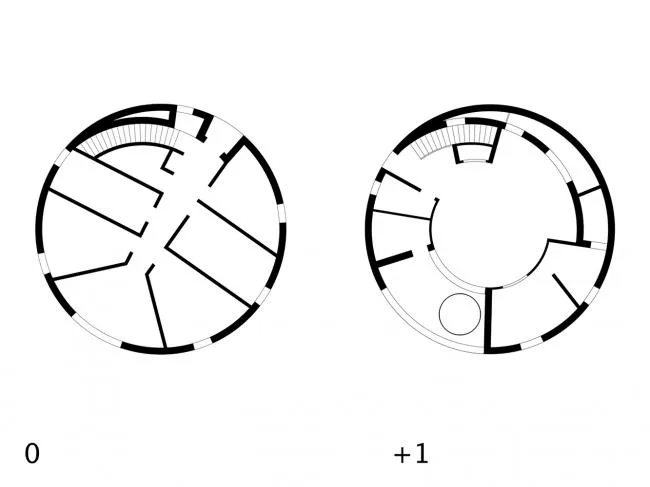
Floor plan
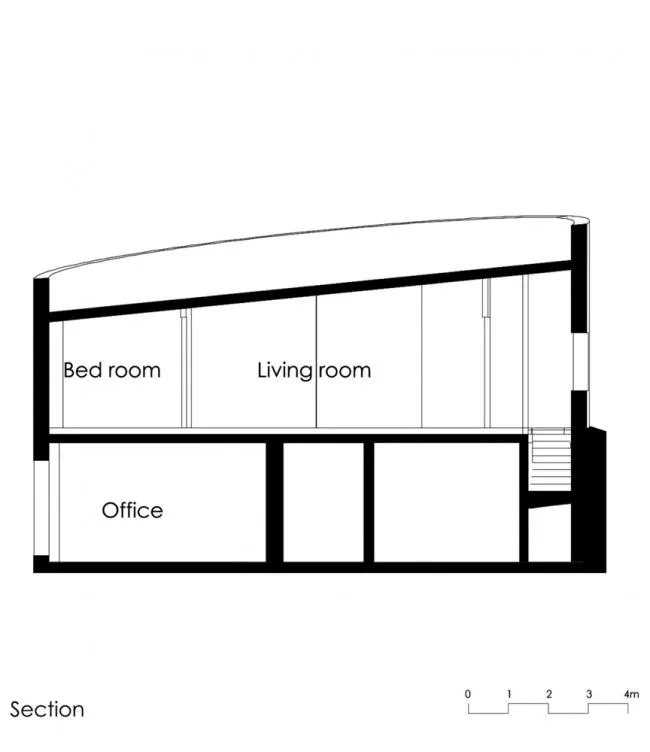
Sectional view
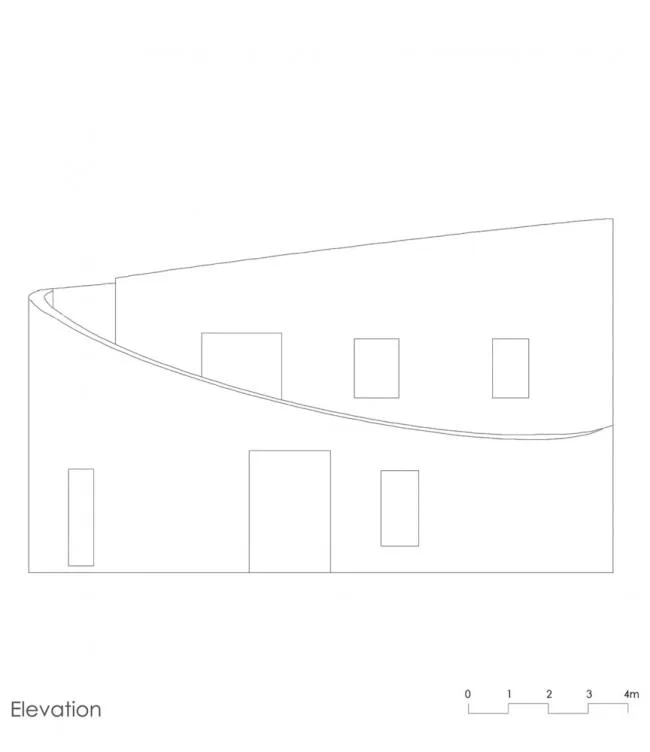
Elevation drawing
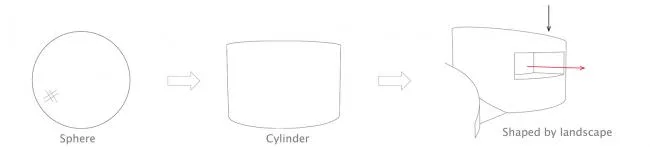
Analysis diagram
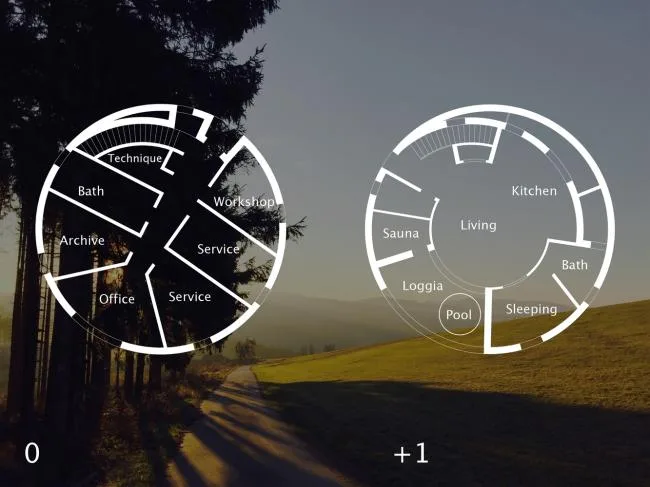
Floor plan
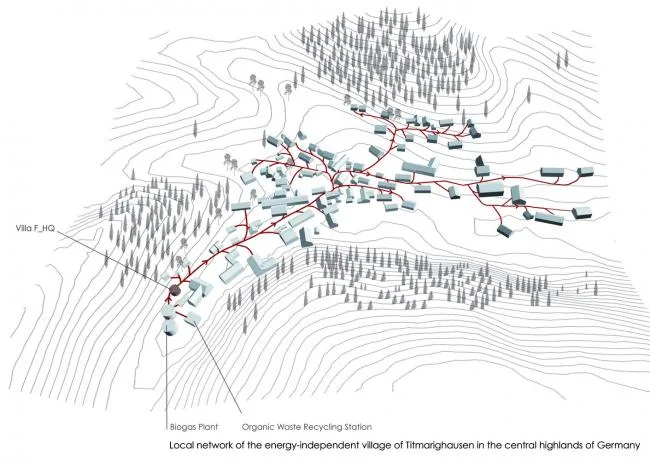
Master plan
Project Information
Architect: Christoph Hesse Architects
Location: Medebach, Germany
Category: Independent Residential Building
Principal Architect: Christoph Hesse
Building Area: 190.0 m²
Project Year: 2017
Photographers: Christoph Hesse Architects, Deimel+Wittmar
Manufacturers: Alwitra, Kulinaro, Knauf, Wiene (BIM learning), Rberger, Steinhausen
Architect: Yvonne Wagner
Client: Joel Frese
Engineer: Buero Donner












Must log in before commenting!
Sign Up