
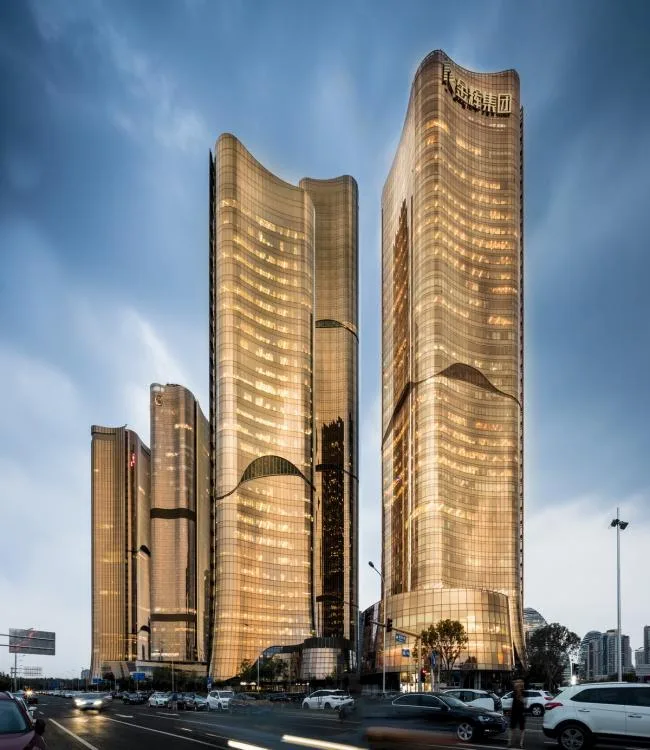
▲ Northern Perspective
“Whenever I work overtime or feel uninspired, I like to take a walk downstairs—not just to change my environment and get some fresh air,” said Operations Officer Xiao Wang as she stepped out of the building. The abundant greenery around feels like an extension of the northern park, while the spacing between office buildings is comfortable and well-proportioned. Unlike cramped urban plazas, here the small squares are open and uncrowded. Walking through the area, she admired the lush vegetation to her right, her eyes narrowing contentedly.
People pass by occasionally, but without the hustle and bustle of commercial streets, nor the oppressive feel of tall walls and narrow alleys. This space feels like a welcoming “third place” with a garden-like atmosphere—green, relaxed, and inviting. Watching the sunset paint the rose-gold curtain wall in warm hues and admiring its graceful, skirt-like curves, the tension of a long day gradually melts away.
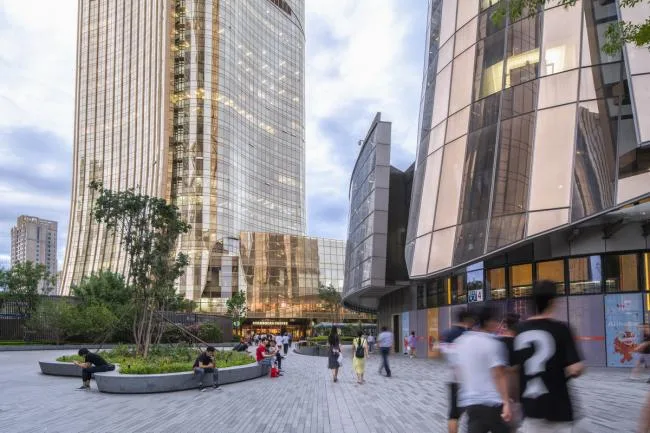
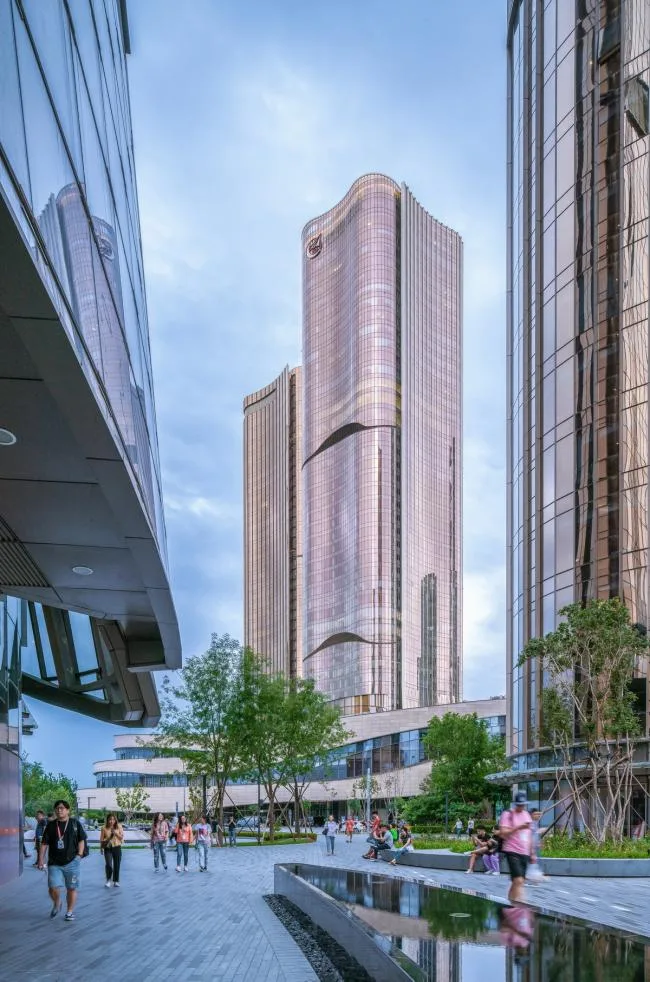
▲ Comfortable Scale
This scene contrasts sharply with the typical image of the Dawangjing district. As a future world-class business hub and a key gateway project in Beijing’s second CBD (BIM engineer), it impresses visitors as a shining urban oasis visible from the Fifth Ring Road or as a vibrant glimpse when traveling from the airport to the city center. The grand yet inviting atmosphere is the result of designer Andrew Bromberg’s vision of an “urban oasis” that coexists with nature, offering two distinct experiences for users and observers alike.
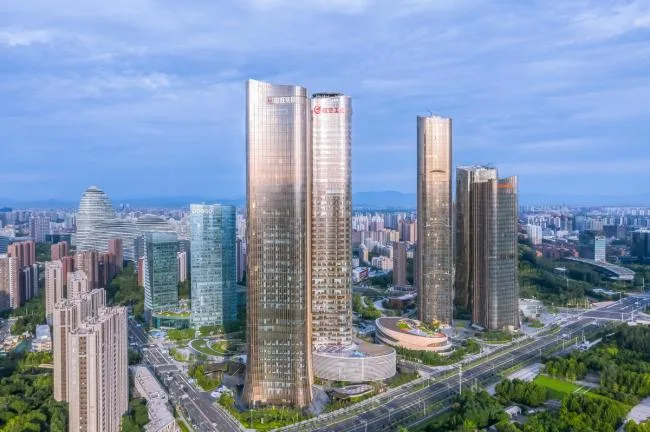
▲ Different Visual Perspectives
The project spans three plots, involves four owners, and includes five different commercial formats, presenting significant challenges. The layout arranges buildings in a 2-1-3 formation from east to west: two high-rise office towers on the east side; a central commercial exhibition building featuring a public green space on its rooftop; and two office towers plus a high-rise residential building on the west side.
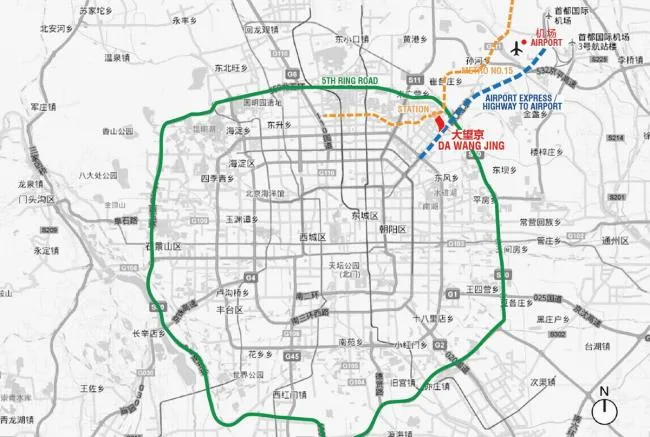
▲ Project Site Location
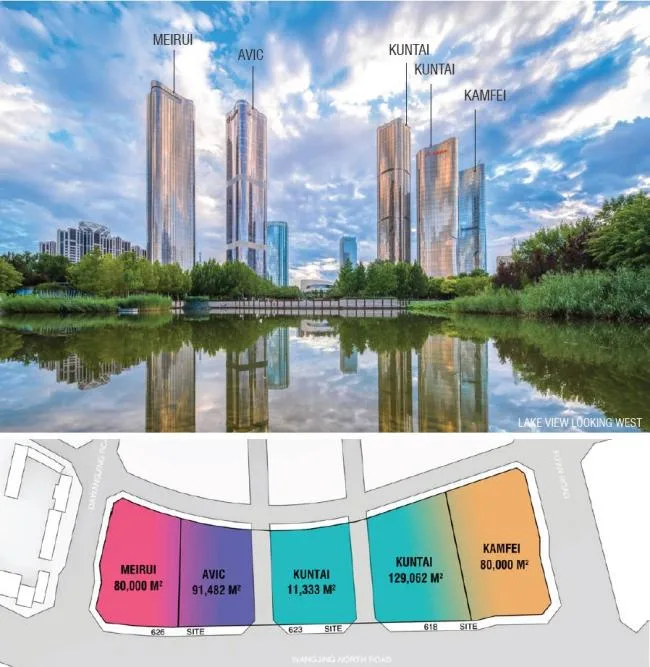
▲ Owners
Cities are shaped by people, and creating sustainable environments means focusing not only on ecological factors but also on human experience. Designer Andrew Bromberg emphasizes the human experience in architecture by blurring boundaries between interior and exterior, private and public spaces. The buildings feature soft edges that extend invitingly outward, fostering connections between occupants and visitors.
To maintain a pleasant scale across the complex, the design carefully considers building massing. Originally square towers were softened by replacing sharp corners with rounded edges and inward-curving facades that evoke proud, upright bamboo stalks. This approach enhances the building’s lines and gives the organic facade a strong yet natural presence. Standing within the complex and looking up, you feel immersed in a bamboo forest, while the glass curtain wall subtly reminds you of the modern city context.
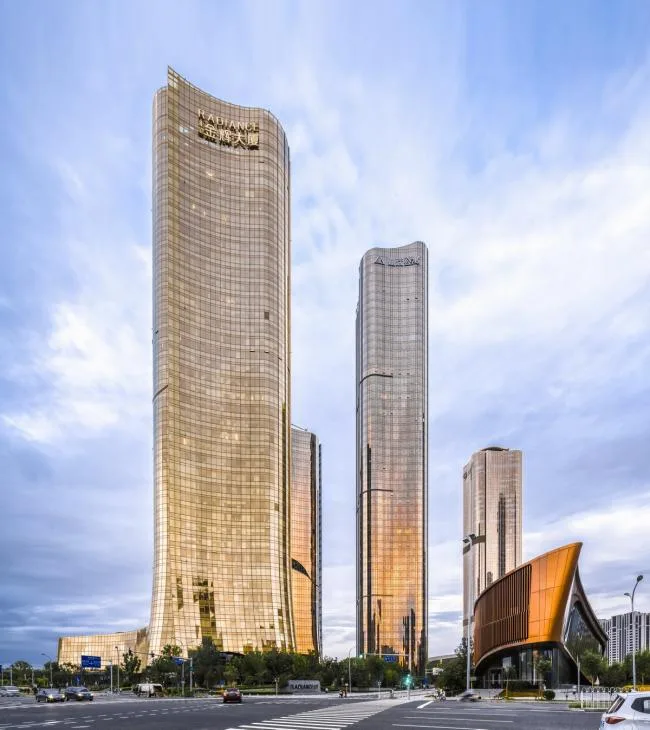
▲ Organic Materials Evoking Bamboo Cultivation in a Lush Forest
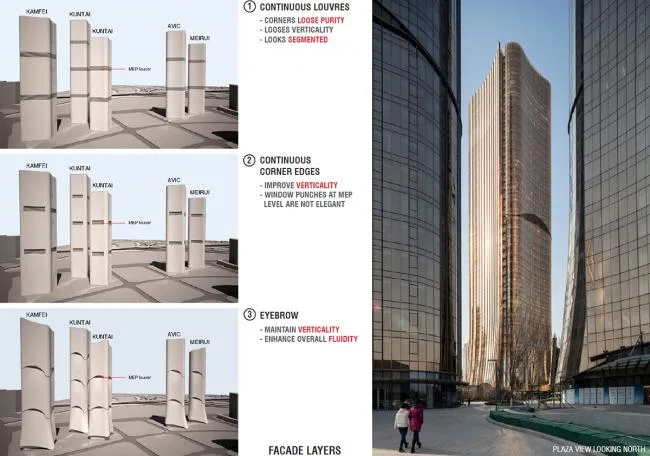
▲ Exterior Facade
The complex also integrates seamlessly with the urban fabric, featuring an inherent openness that energizes the site and its neighboring communities. The oasis concept strengthens the relationship between the development and the surrounding greenery. Multiple green belts are woven between buildings, and a rooftop public garden atop the exhibition center offers a new leisure destination for residents and visitors. This elevated green space connects the northern and southern ecological zones, blurring the lines between architecture and nature.
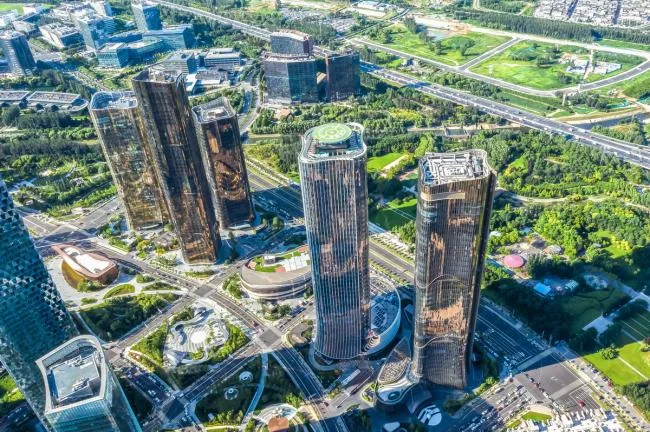
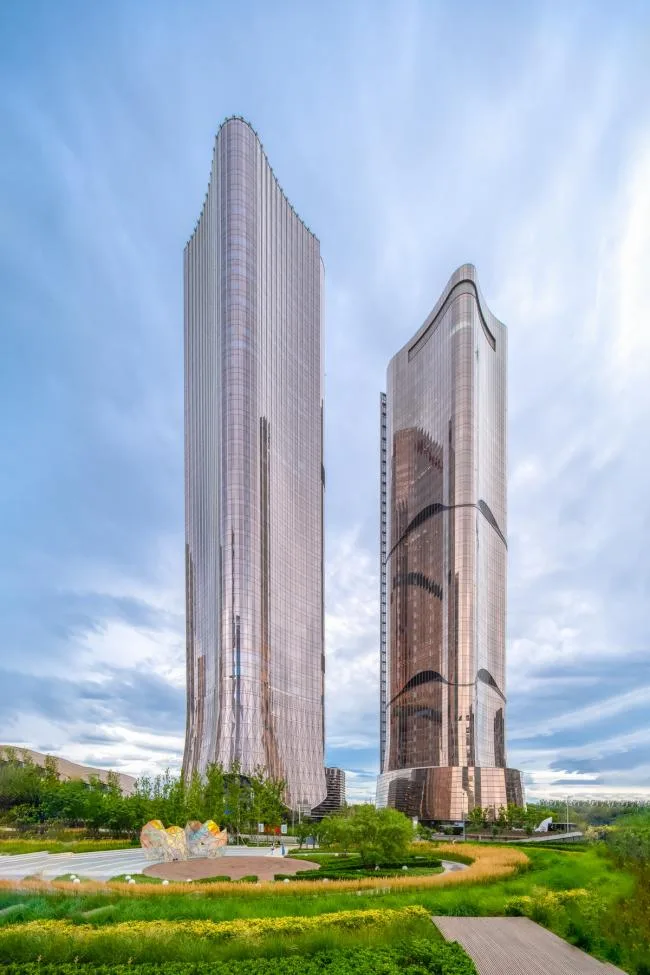
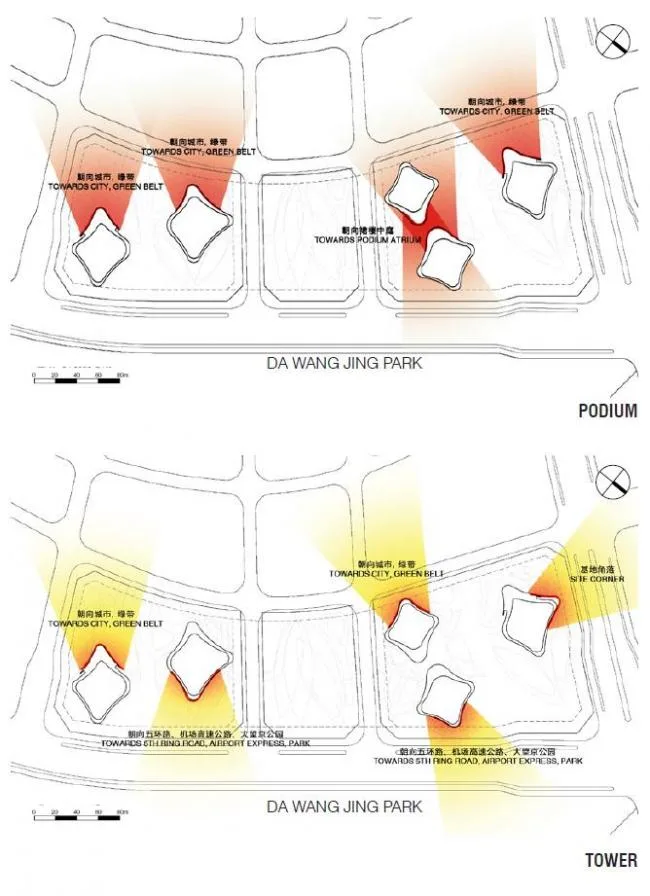
▲ Oasis Design Strengthening the Connection Between the Site and Surrounding Green Spaces
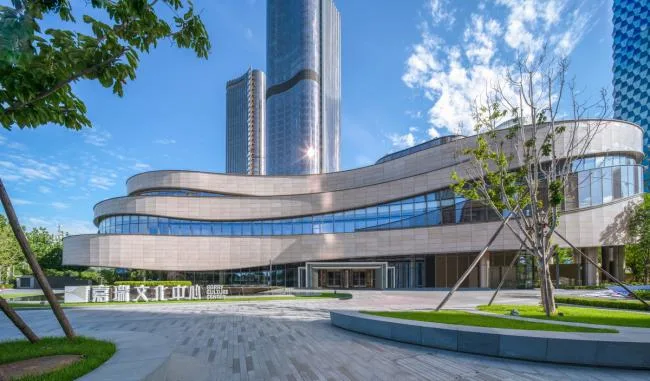
▲ Exhibition Center
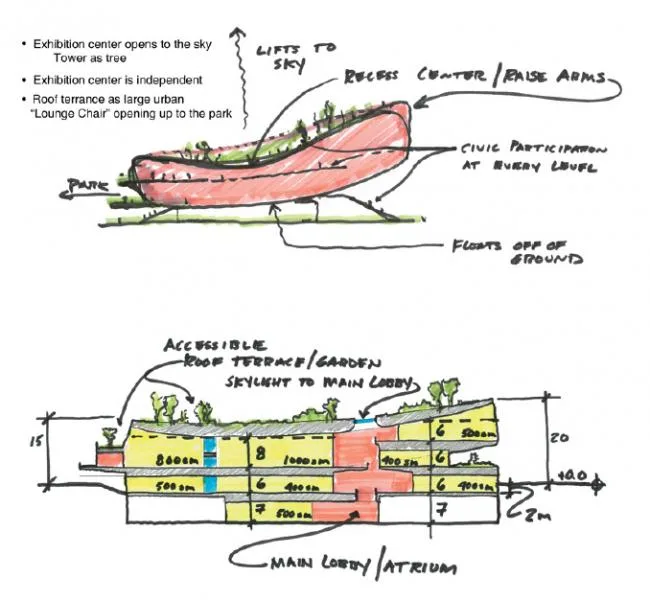
▲ Exhibition Center Concept Drawings
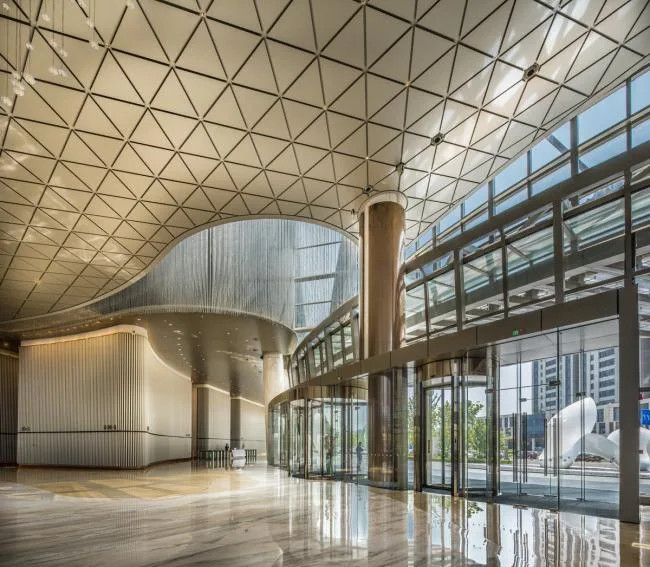
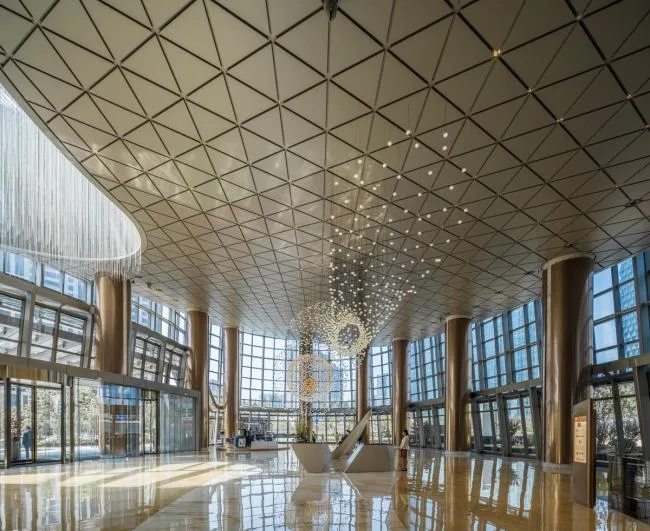
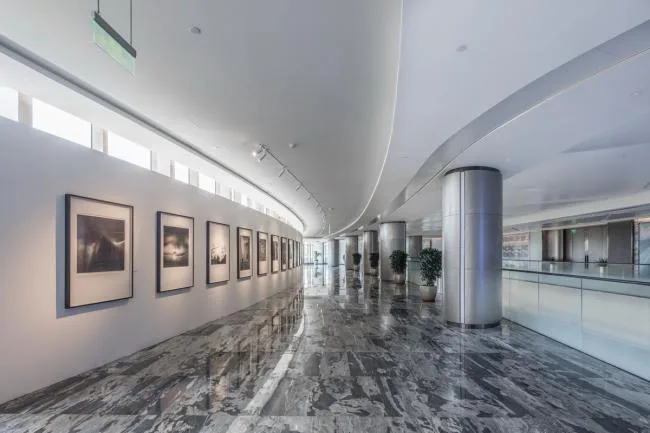
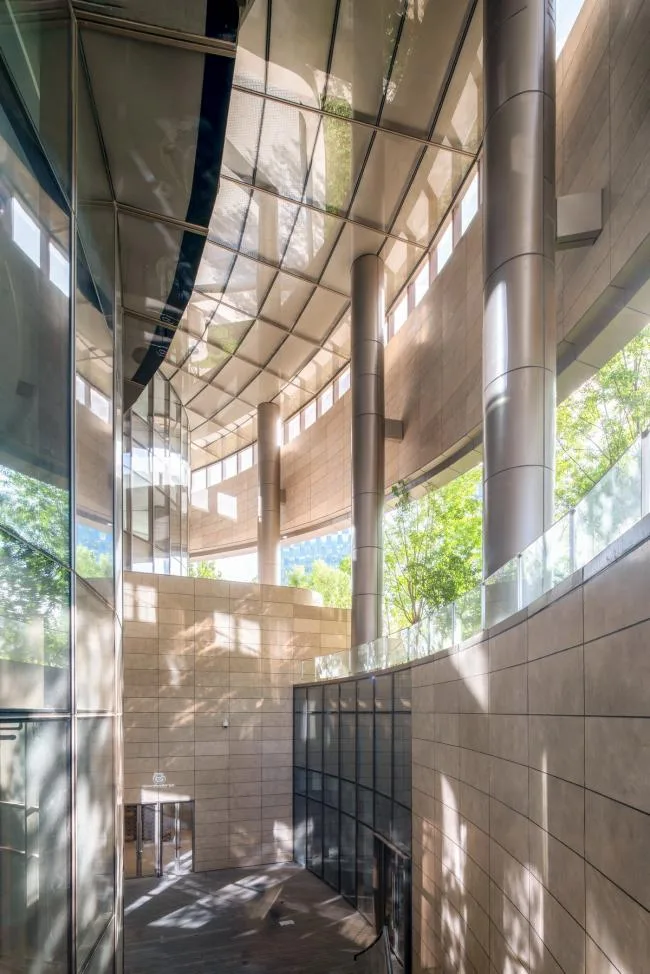
▲ Interior Space
The Dawangjing comprehensive development project has achieved remarkable success beyond its architecture. It has earned multiple international accolades during the design phase, including the European Leading Architect Forum Award (Comprehensive Architectural Design Honor), the Asia Pacific Real Estate Award (China’s Best High-Rise Building 5-Star Award), and the A’ Design Award (Gold Award for Architecture, Building and Structural Design). One of the project’s standout features is its building outline, which was carefully crafted to “grow” like bamboo, reaching toward the light.
Designer Andrew Bromberg thoughtfully arranged the building complex to present a layered facade that creates dynamic visual effects when viewed from the Fifth Ring Road, airport light rail, or other major traffic routes.
The architectural form draws inspiration from bamboo and trees, creating a new landmark with vitality and unique character for Wangjing and Beijing. The tower’s mechanical and refuge floors mimic bamboo joints with undulating openings, enhancing the tower’s coherence and overall aesthetic. The glass curtain walls reflect modern urban greenery, including bamboo, pine, and cypress. During the Lantern Festival, warm orange office lights behind the blue-gray glass interact with the golden bamboo joint highlights, evoking a mysterious and elegant ambiance.
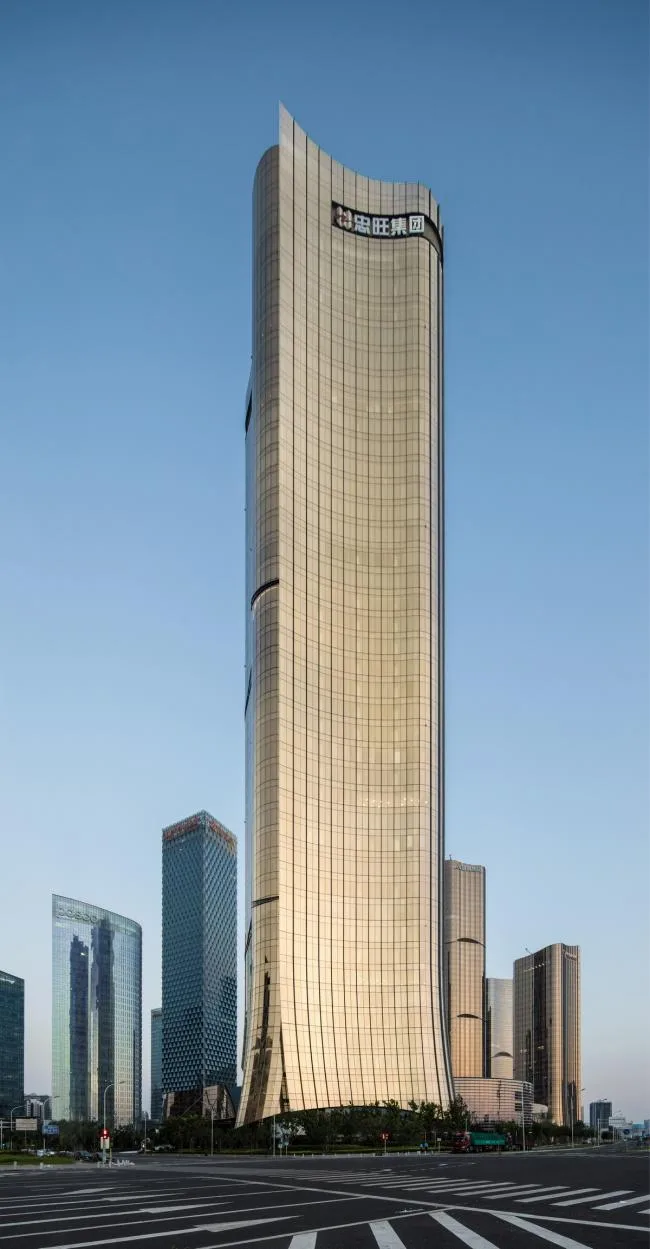
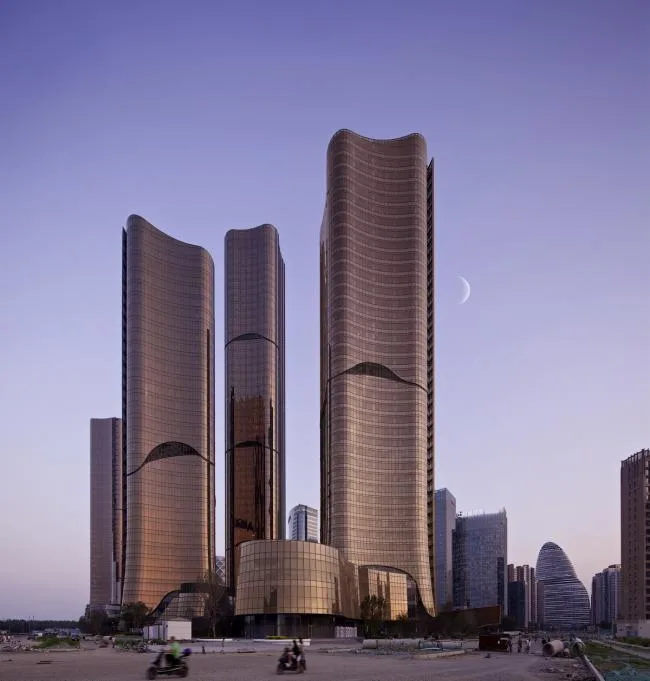
▲ Bamboo Joint Effects at Various Angles and Times
To enhance the overall visual impact, the design adds continuous facades to the shorter towers, using vertical lines to evoke cypress trees and give the towers a slender appearance. The tower bases and podiums mimic tree trunks and roots with curved forms, softening the otherwise rigid facades.
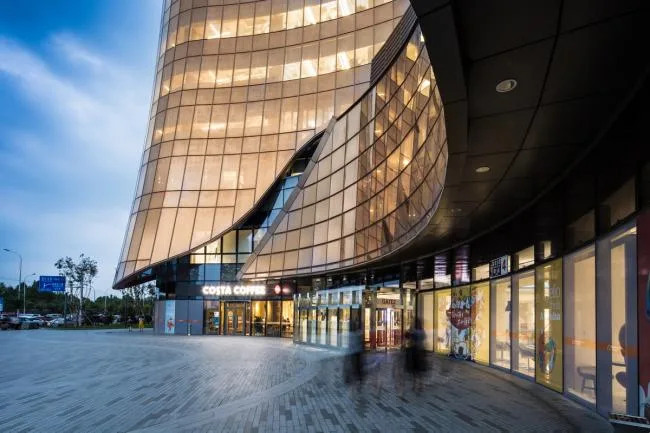
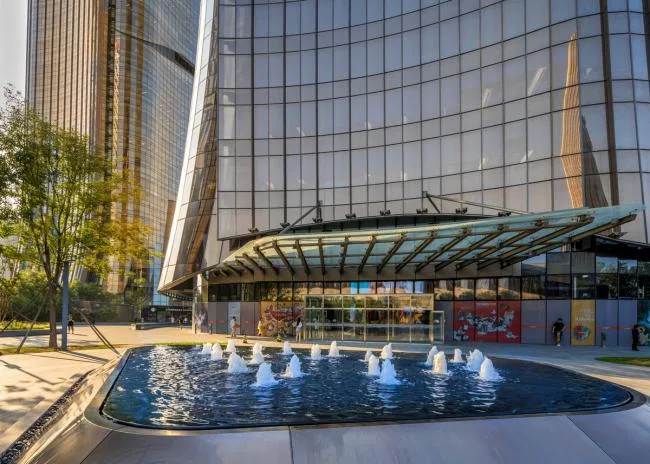
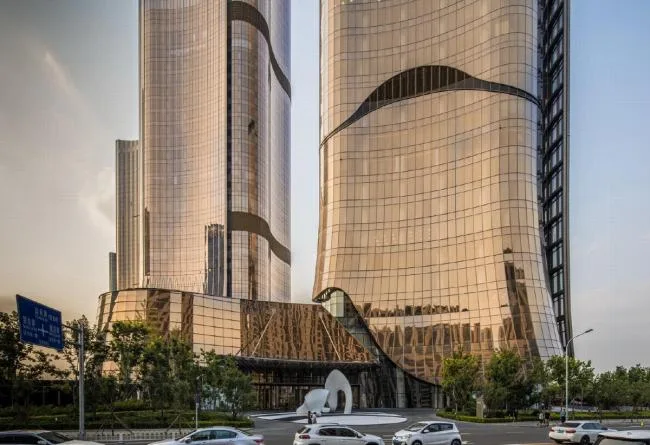
▲ Tower Base and Podium
“I aim to provide a new urban perspective that is open, accessible, and connected to nature, fostering deeper bonds between people, architecture, and the city,” said designer Andrew Bromberg.
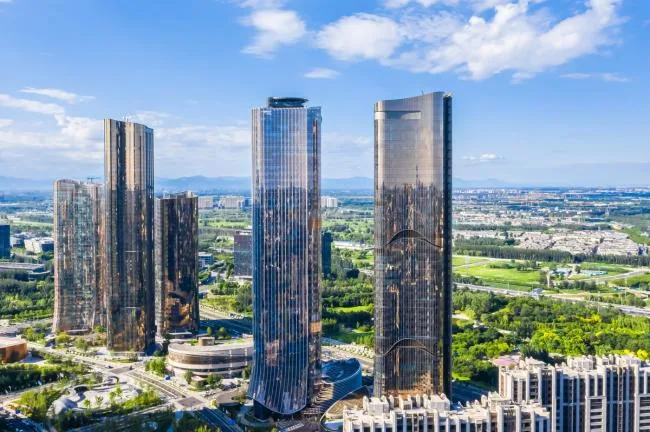
▲ Panoramic View
Project Drawings
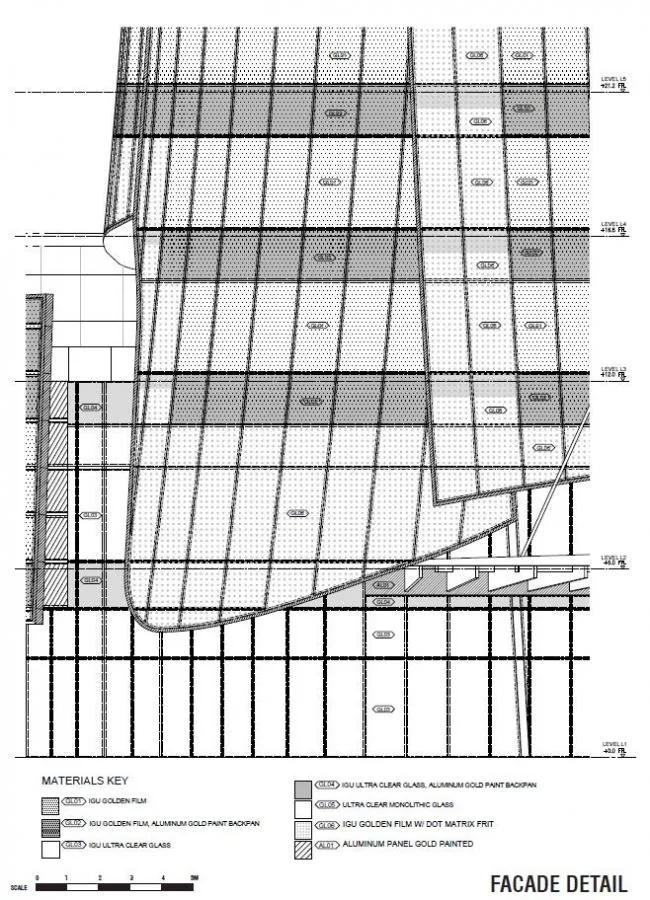
▲ Facade Details
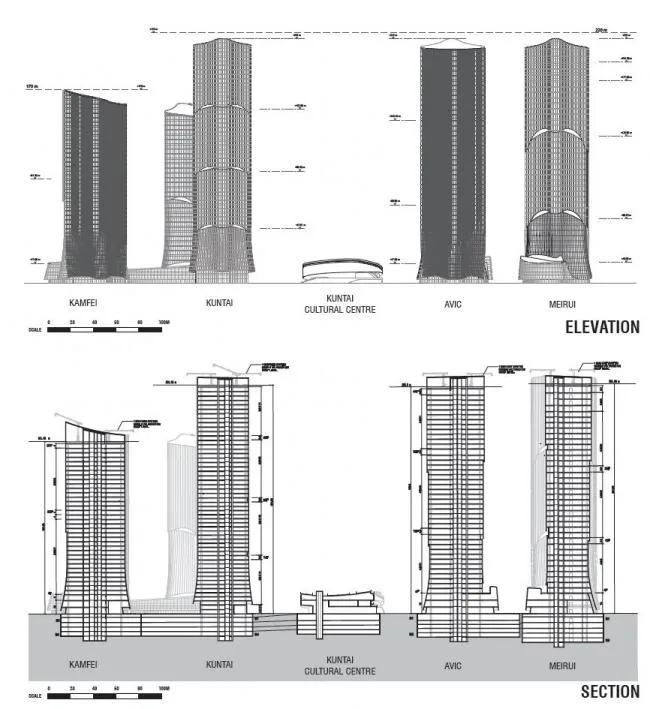
▲ Facade & Section
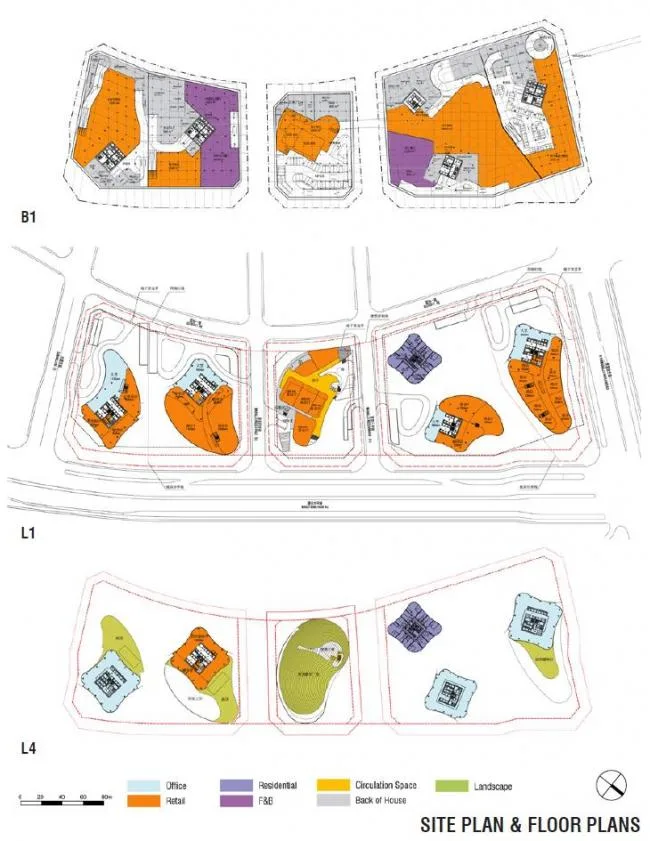
▲ Plan View
Project Information
Project: Dawangjing Comprehensive Development Project
Location: Beijing, China
Scope of Services: Project and Design Architecture
Owner: Beijing Qianjing Real Estate Development Co., Ltd.
Building Area: 571,878 square meters
Completion Year: 2018
Architectural Design: Andrew Bromberg at Aedas












Must log in before commenting!
Sign Up