
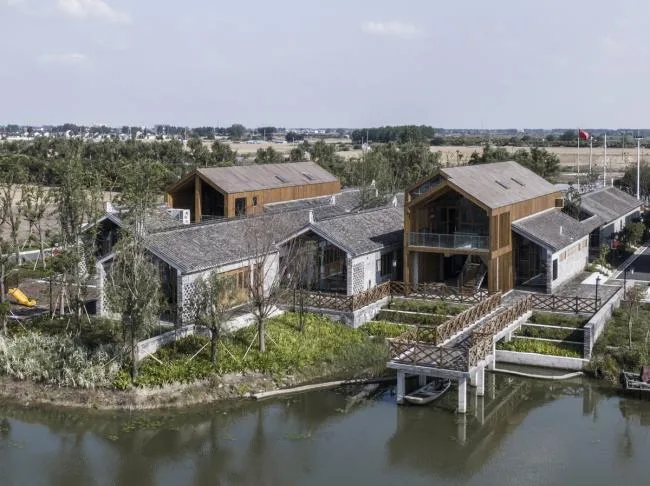
Project Background
Tangbao Academy is situated in Tangzhuang Village, Chenbao Town, Xinghua City, Jiangsu Province—historically known as Zhaoyang or Chu River. This region has long been a cradle for talented individuals and boasts a rich cultural heritage. Notably, Shi Nai’an emerged here at the end of the Yuan Dynasty, followed by Zheng Banqiao, a leader of the Eight Eccentrics of Yangzhou during the Qing Dynasty. The area’s strong “humanistic atmosphere” remains its most distinctive characteristic.
Rooted in traditional regional culture, Tangbao Academy serves as a village academy, nurturing the deep cultural essence in contemporary village life. The architectural design connects tradition with modernity, creating a rural community space that blends education, entertainment, and cultural exchange for local children, residents, and visitors alike. This approach fosters spatial diversity that invigorates the village’s traditional cultural spirit.
The site lies at the village entrance, bordered by the Zhuangxi River to the north, a village parking lot to the south, and village roads with residential buildings to the east and west.
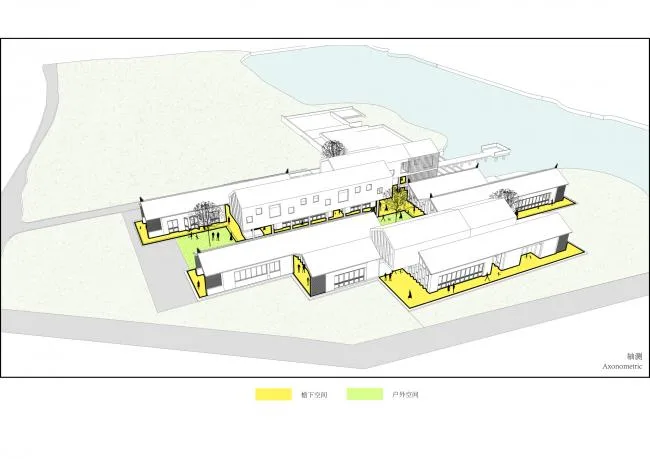
▲ Axonometric Diagram
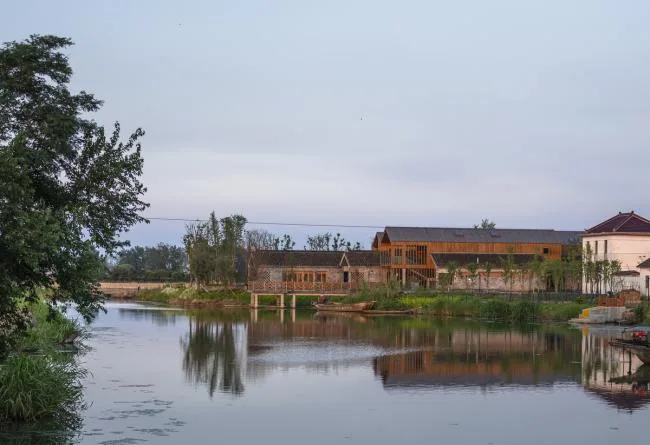
The natural villages here have evolved organically over centuries, following a complex network of rivers and waterways. The villages are interlaced in an orderly yet staggered pattern, with rivers flowing endlessly through fertile fields. This setting naturally forms a quintessential rural scene of mountains, water, fields surrounding city walls, and picturesque living landscapes.
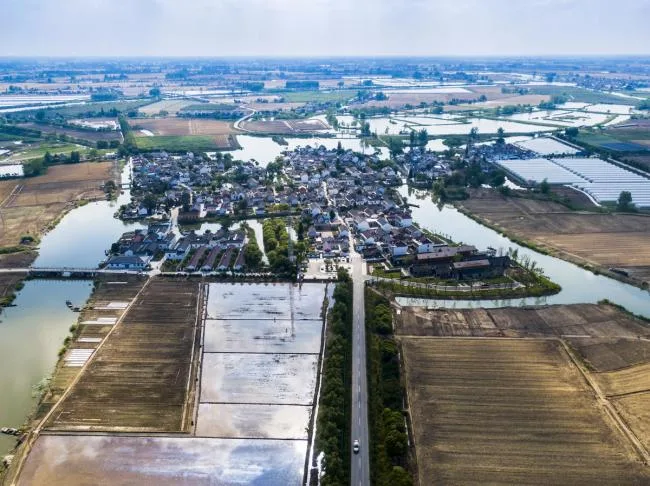
Village Texture
The design team aimed to reimagine the poetic qualities of traditional Chinese pastoral landscape paintings, seamlessly integrating architecture into nature while preserving the village’s distinct identity and texture. They extracted and blended two material spatial forms—the “village” and the “paddy field”—to reflect the everyday lives of Tangbao villagers.
By transforming the original simple village layout into a cohesive and interconnected architectural ensemble, they honored the historical texture of the village buildings and dynamically continued the traditional village fabric of Xinghua, Jiangsu Province.
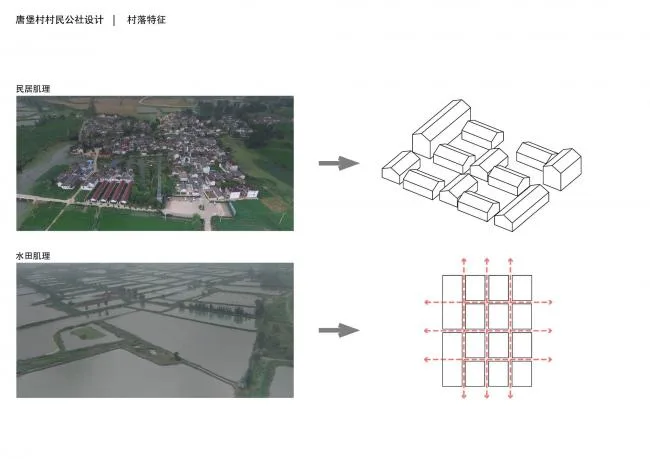
▲ Analysis Diagram
The building is primarily oriented north-south, with multiple courtyard levels extending east-west. This layout creates both private and vibrant courtyard and village lane spaces.
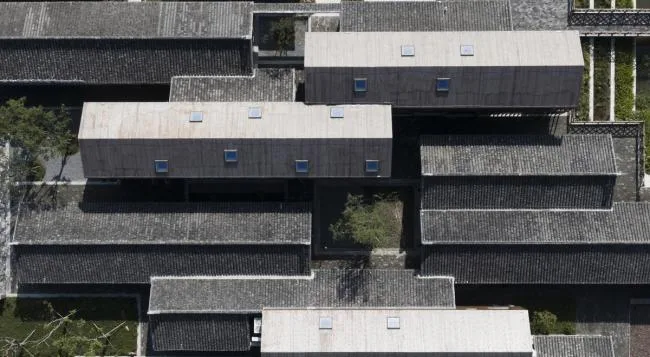
Blurring Boundaries
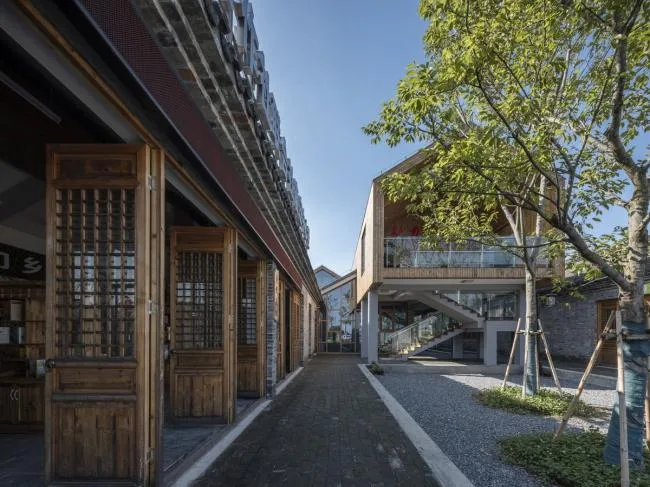
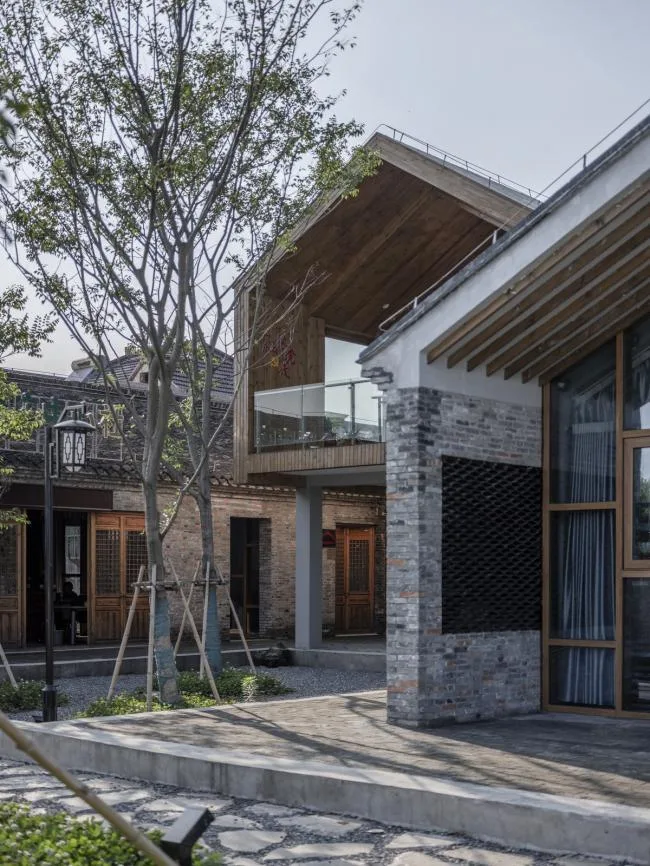
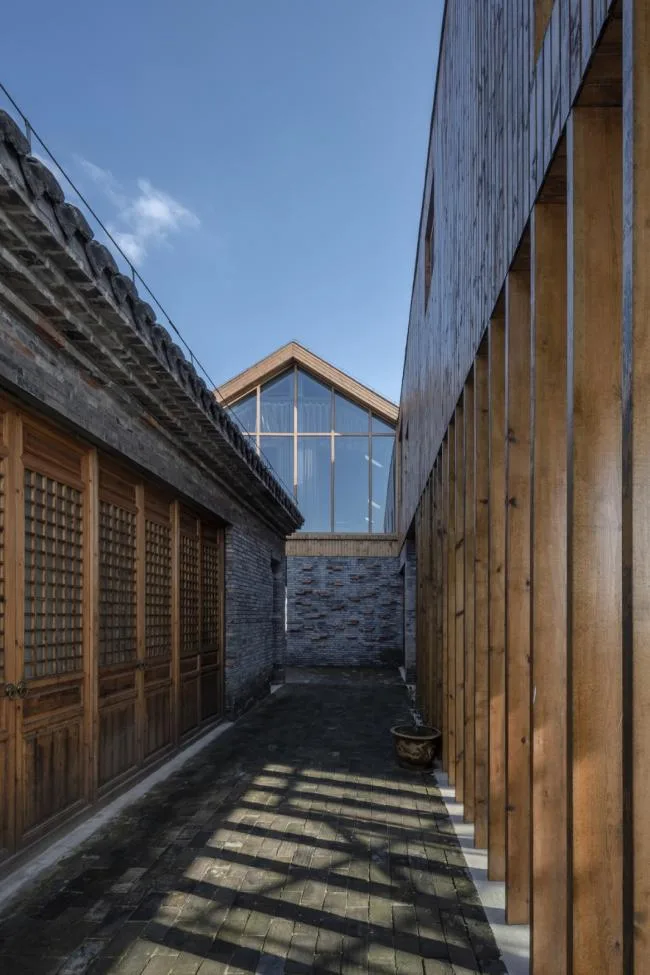
The designers crafted a layered grey space—comprising courtyards, village alleys, and corridors—that expresses the essence of the traditional village’s “eaves space.” This approach gradually dissolves sharp architectural boundaries, connecting the diverse functional areas. The softened spatial edges allow formerly isolated village cultural functions to merge, enabling fluid communication and interaction.
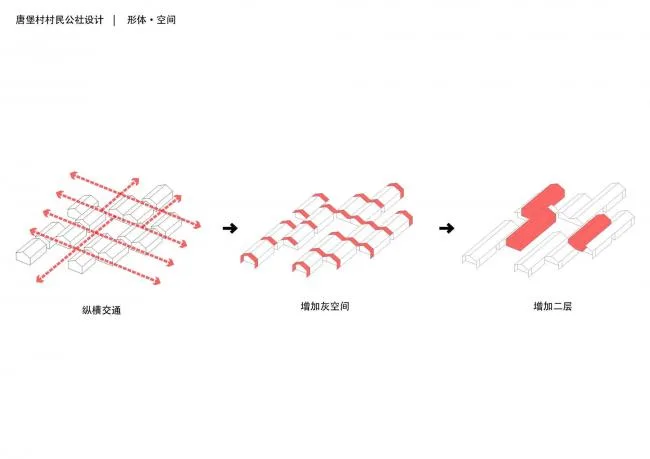
▲ Analysis Diagram
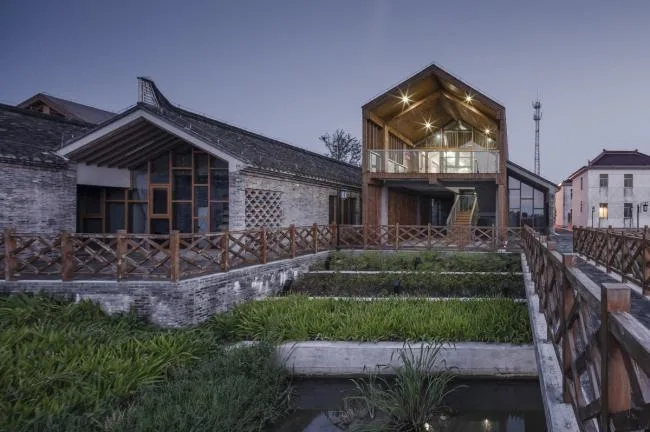
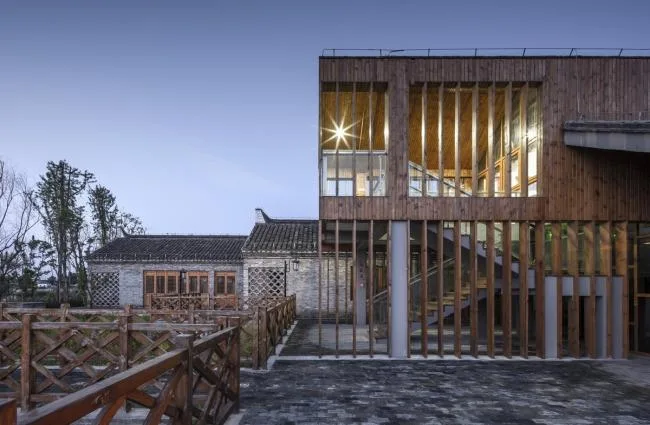
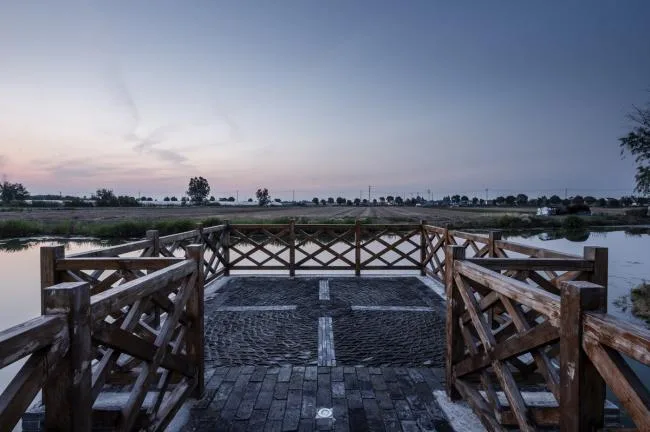
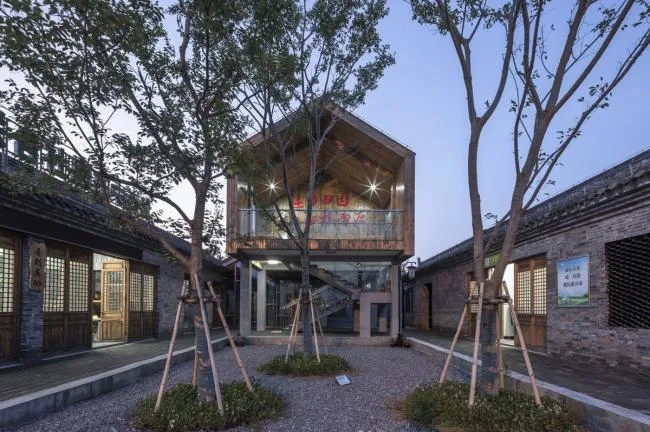
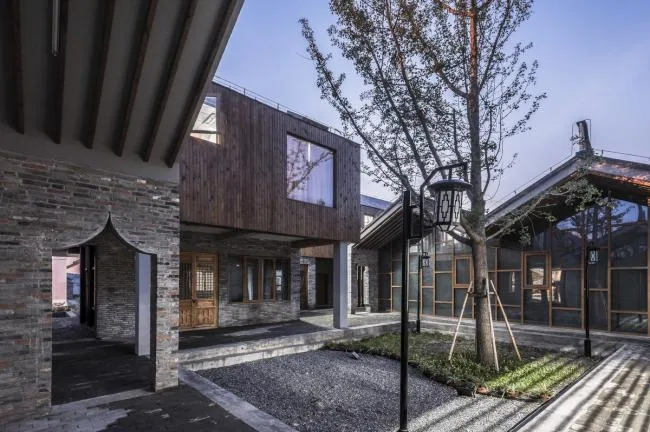
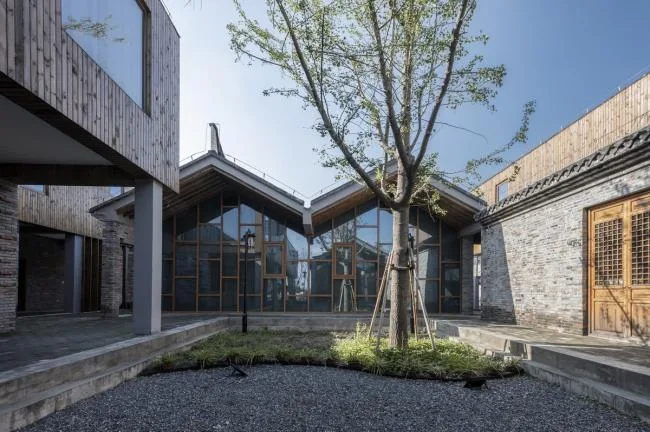
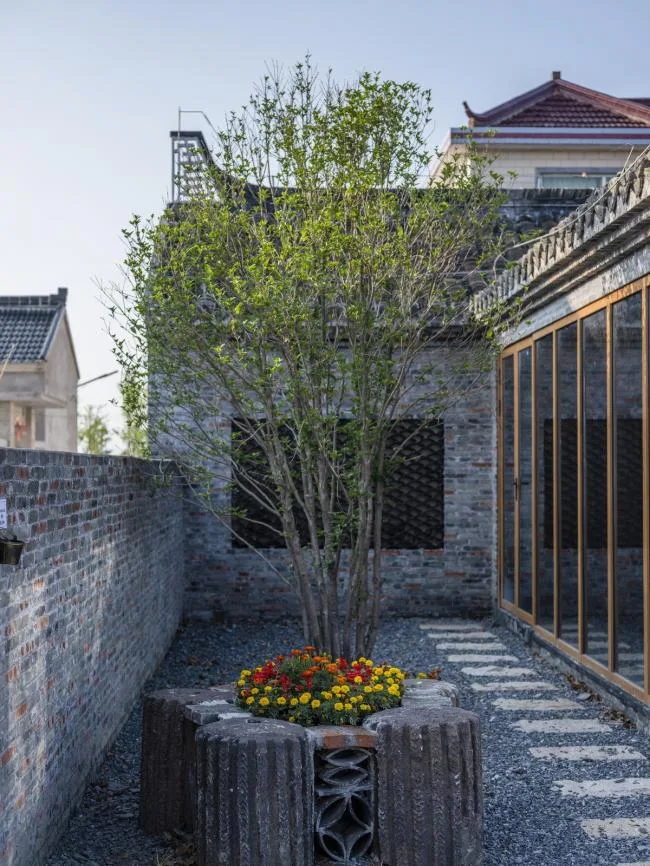
In this environment, streets, alleys, and courtyards serve not only as pathways but also as vibrant public spaces where villagers gather and tourists relax. The buildings are designed to extend and interpenetrate spatially, fostering openness in the traditionally conservative village culture through blurred boundaries.
Community activities such as socializing, learning, and leisure unfold naturally here. While the spatial zoning clearly defines building functions, rigid physical separations are avoided. This design highlights Tangbao Academy’s vitality as a public cultural center and reinterprets the cultural essence of Jiangnan’s traditional residential eaves, creating a flexible and rich interaction between architecture and people.
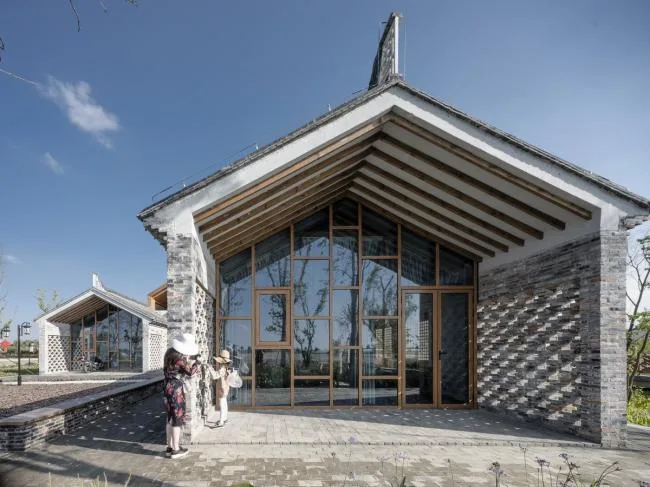
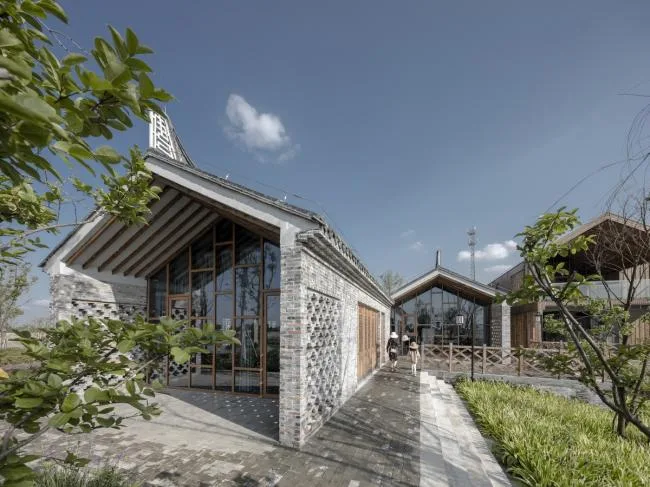
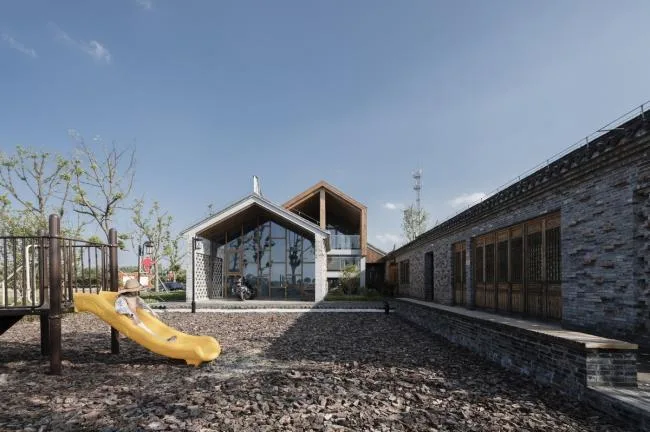
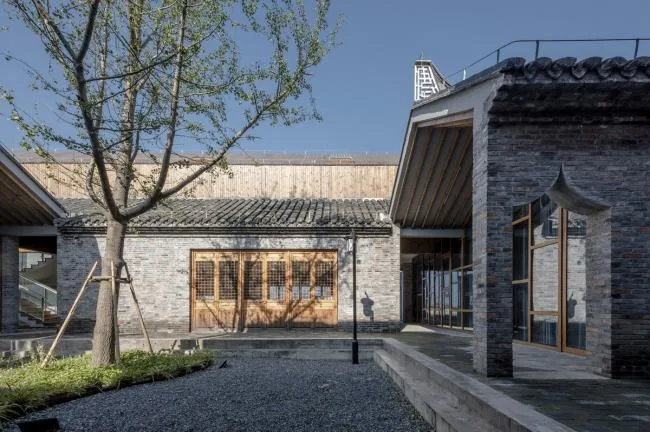
This approach allows the landscape painting to manifest as poetic architecture, while architecture itself creates dynamic and lively living scenarios.
Traditional Construction
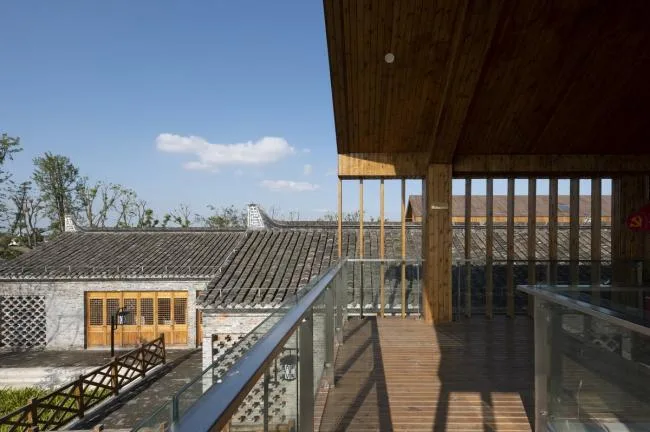
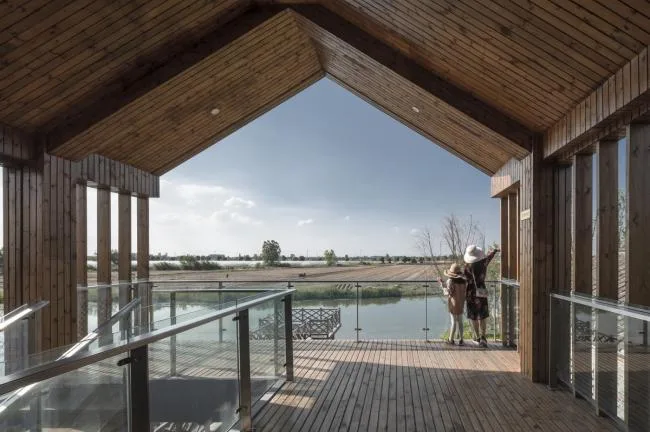
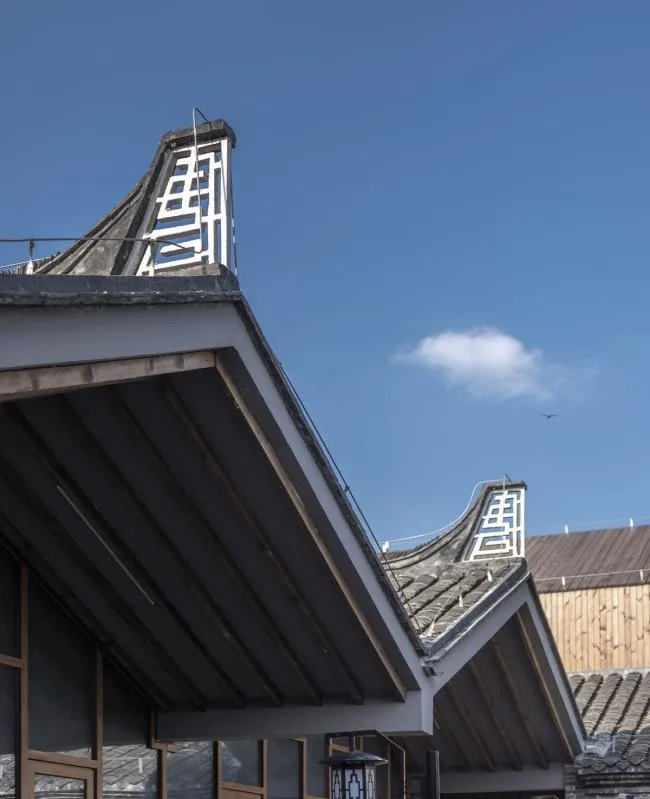
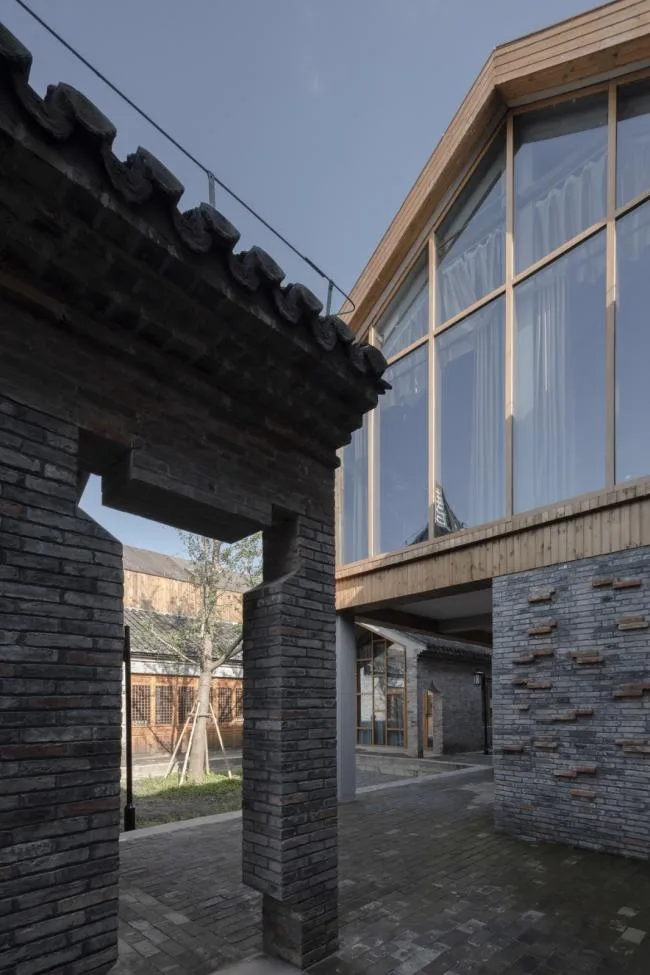
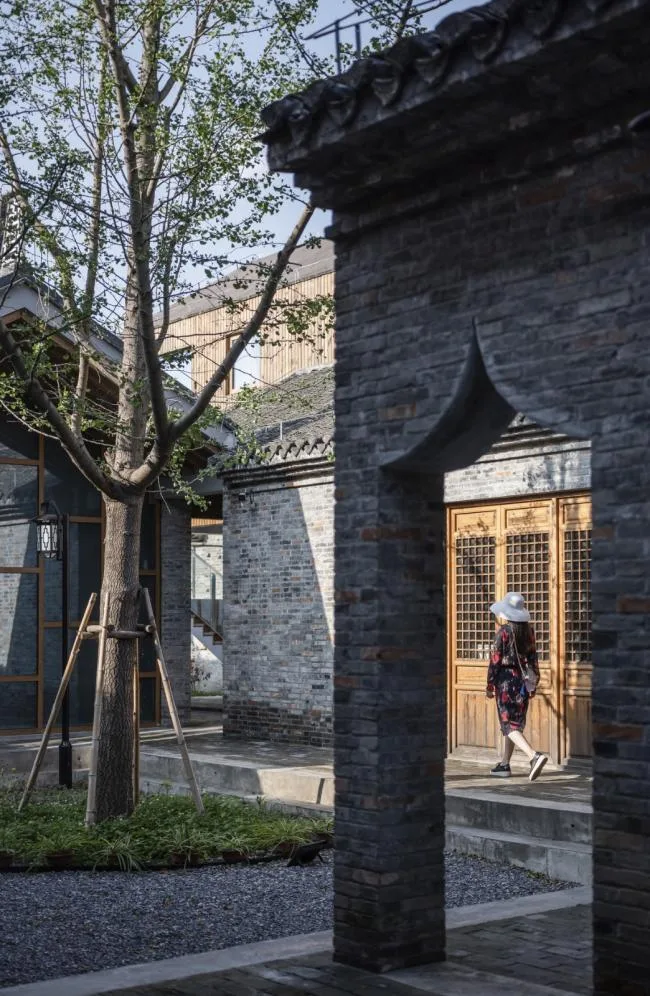
In terms of architectural style, Tangbao Academy embraces traditional building materials and techniques. Elements such as small green tiles, checkered wooden doors, flower bricks, hollow brick walls, and layered structures are prevalent throughout the design.
However, the designers innovate within this tradition. For example, the distinctive rising roof has been cleverly reinterpreted as a unique architectural symbol exclusive to Tangbao. These details collectively craft a strong sense of place, conveying the village’s historical and cultural atmosphere both in form and spirit.
Project Drawings
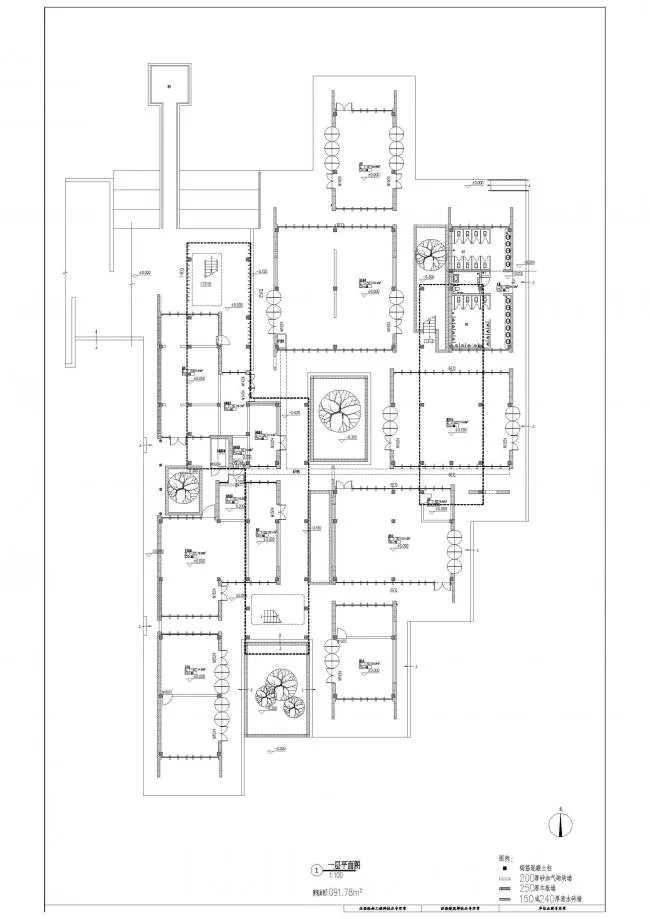
▲ First Floor Plan
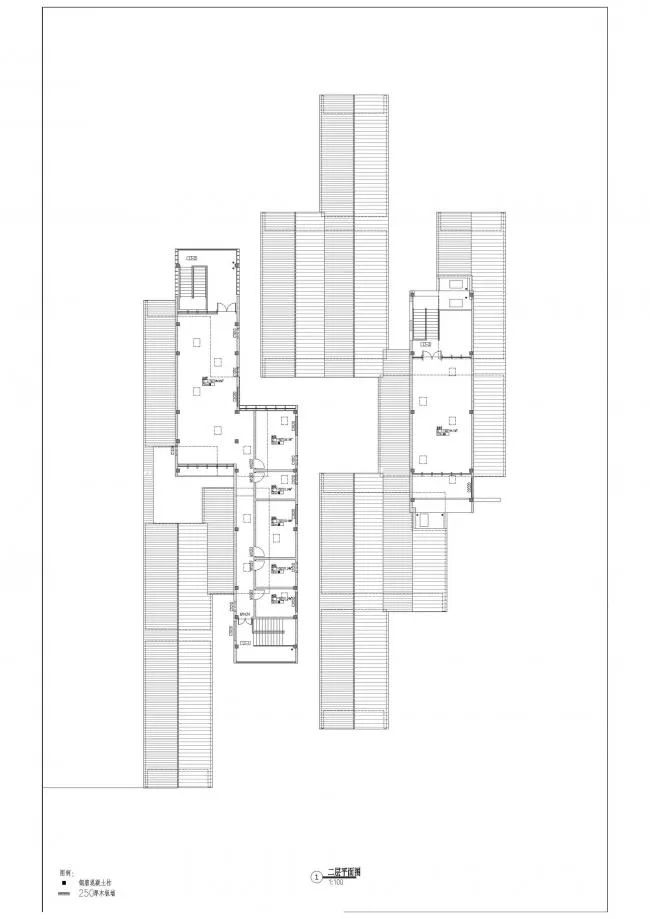
▲ Second Floor Plan
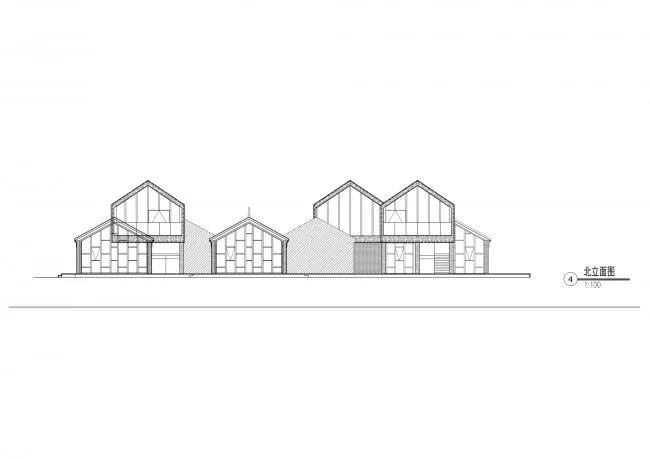
▲ Elevation View
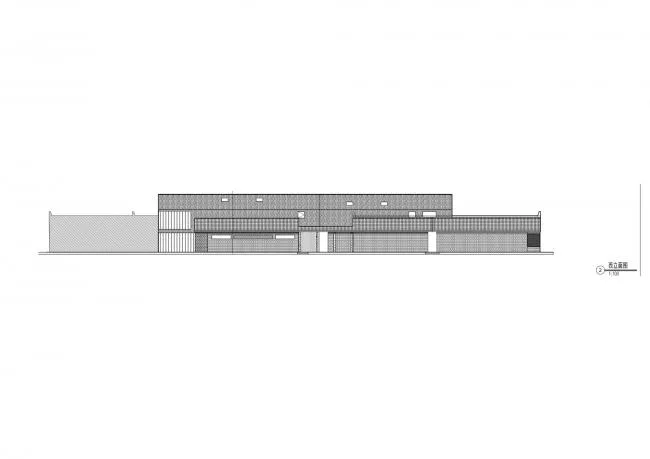
▲ Elevation View
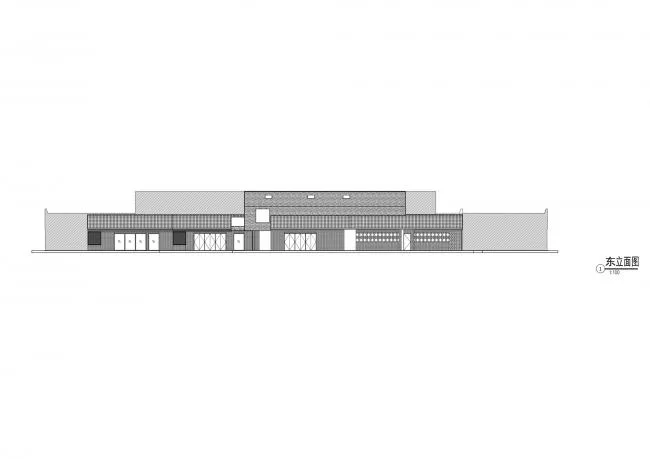
▲ Elevation View
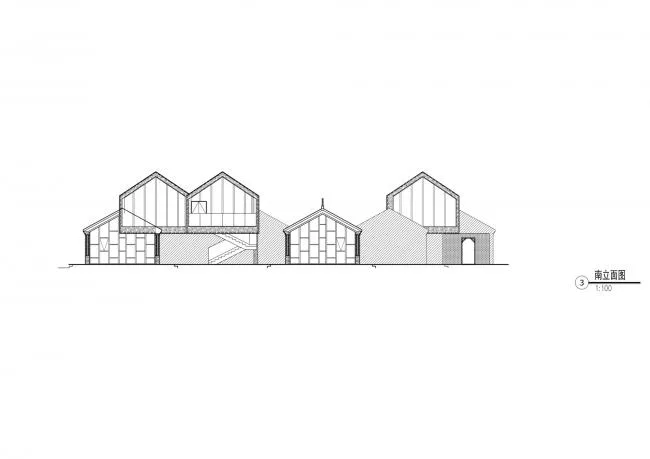
▲ Elevation View
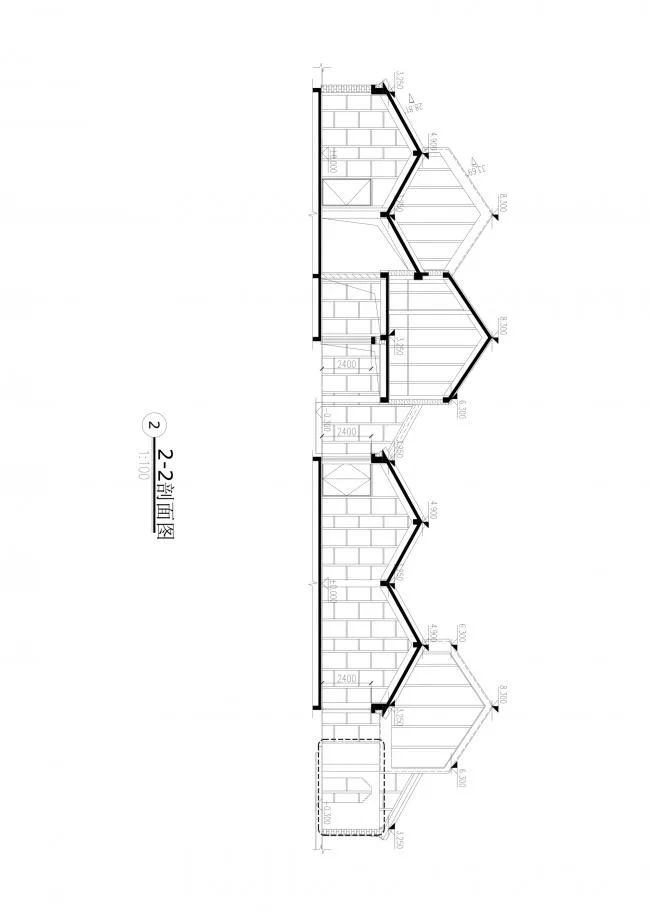
▲ Sectional View
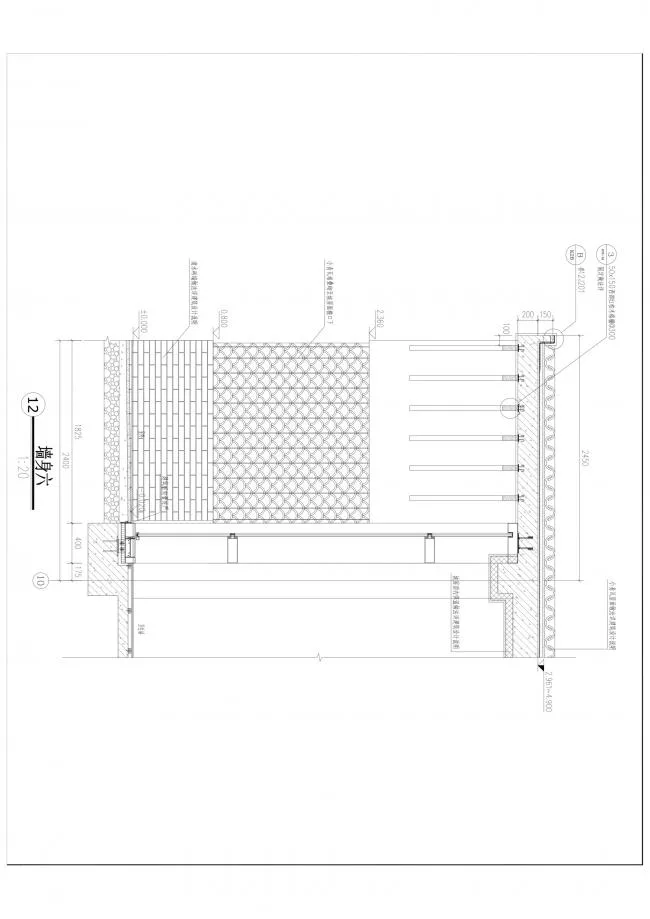
▲ Detailed Node Drawing: Hollowed Brick
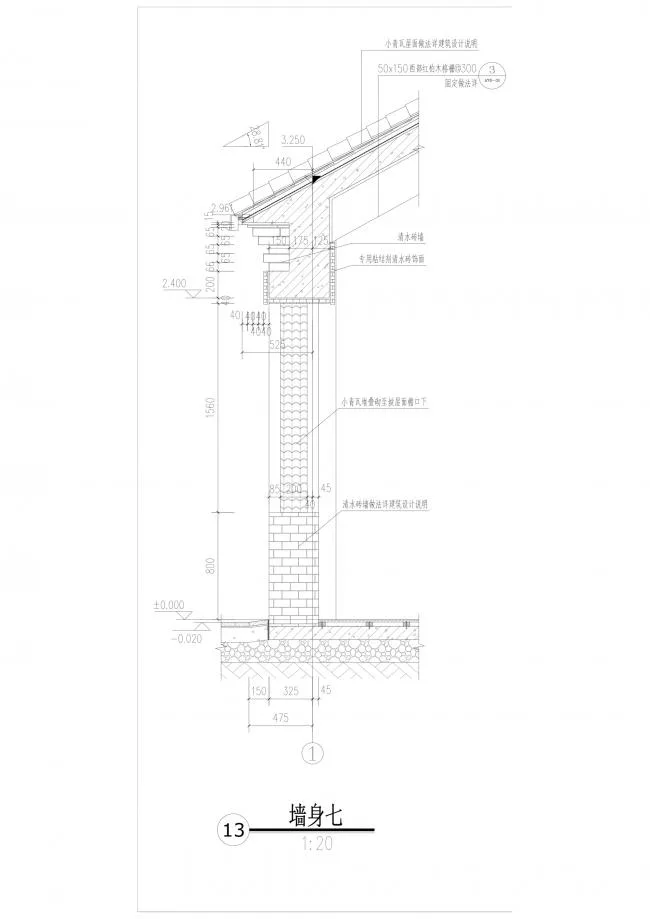
▲ Detailed Node Diagram: Overlapping Structure
Project Information
Design Company: Huajian Group · Shanghai Design Free Studio
Location: Tangzhuang Village, Chenbao Town, Xinghua City, Jiangsu Province, China
Category: Cultural Center
Lead Architect: Shen Yue
Architectural Design: Wang Ye, Jiang Jiamiao, Qiu Heng
Design Unit: Huajian Group Shanghai Design Free Studio
Building Area: 1,424.0 square meters
Project Year: 2017
Photographer: Zhang Kun
Mechanical and Electrical Design: Chen Jiefu, Chen Yitong, Yin Chunlei, Dai Dingli, Hu Hong
Structural Design: Li Wei, Shen Weiguo
Construction Unit: Jiangsu Jiefeng Construction Engineering Co., Ltd
Planning and Landscape: Suzhou Xiangban Cultural and Creative Development Co., Ltd. Peng Rui, Wen Ting, Wang Xu












Must log in before commenting!
Sign Up